The Samsung Galaxy A14 - A Calculated Financial Move for Smart Buyers
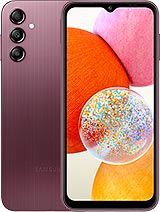
Overview
Samsung Galaxy A14 is a budget LTE smartphone featuring a 6.6-inch 1080p PLS LCD for sharp visuals and a 5000 mAh battery for long-lasting power, aimed at students, first-time owners, and value-conscious professionals. Released in March 2023, it competes directly with the Redmi Note 12 and the Poco M5 in the highly contested entry-level segment.
From a financial perspective, the handset represents a low-risk entry into the Samsung ecosystem. We see it not as a powerhouse, but as a stable asset. Most budget devices in this price bracket lose nearly half their value within six months of purchase. However, the Samsung Galaxy A14 benefits from high brand recognition and a robust secondary market, ensuring it retains a higher percentage of its initial MSRP compared to equivalent offerings from brands like Infinix or Tecno.
When evaluating a smartphone as a tool for economic utility, the resale value is paramount. The handset utilizes a plastic back and frame, which might suggest a lack of premium feel, but practically, it acts as a safeguard against expensive repairs. Glass sandwiches are beautiful until they meet a concrete floor; this model is built to survive the daily grind without requiring a protective case that costs 20% of the device's value.
Historically, the 'A' series maintains a resale premium of 15-20% over its peers after one year. This is driven by the global availability of spare parts and the assurance of software updates. In the used market, buyers prioritize reliability. This model offers that in spades. If users maintain the exterior finish, we expect a trade-in value that remains competitive well into 2024, making it an excellent 'bridge' device for those waiting for flagship price drops.
Choosing the Samsung Galaxy A14 isn't just about the Helio G80 or Exynos 850 chipset; it is about the infrastructure behind the logo. While smaller manufacturers might offer faster processors for the same price, they often lack the service network found here. If the screen on this handset breaks, a replacement is available in almost every major city. This 'serviceability equity' is often overlooked by tech enthusiasts but is vital for the budget economist.
Under the hood, the Mali-G52 MC2 GPU provides sufficient overhead for standard UI animations and basic productivity apps. We noticed that the transition between apps remains fluid enough for the price point. The hardware is optimized for stability over peak performance. This means the device is unlikely to suffer from the thermal throttling issues that plague some high-clocked budget rivals, extending the lifespan of the internal components.
Camera performance in the budget sector is usually a game of numbers, and the 50 MP, f/1.8 main sensor is a strong player here. For those utilizing Snapchat, Instagram, or TikTok, the handset provides a distinct advantage: software optimization. Samsung works closer with social media developers than most budget-focused brands, meaning the video compression when uploading 1080p@30fps footage is often cleaner than what you would see from a Redmi device with similar specs.
Imagine a student capturing a lecture or a small business owner filming product demos. The 13 MP selfie camera offers a significant jump in resolution over the 8MP sensors common in this tier. This translates to clearer video calls and more usable content for social feeds. The 5 MP ultrawage and 2 MP macro lenses are less impressive, acting more as 'filler' for the spec sheet, but the primary sensor carries the weight effectively for daytime photography.
Display quality is the primary interface for any digital investment. The handset features a 1080 x 2408 resolution, providing approximately 400 ppi density. At this price, many competitors still settle for 720p panels. The extra pixels are not just for vanity; they allow for more text on the screen during web browsing and clearer spreadsheets for the mobile professional. It makes the device feel much more modern than its price tag suggests.
We must discuss the PLS LCD technology. This is Samsung's answer to IPS. It offers better viewing angles and peak brightness than standard TFT panels. While it lacks the infinite contrast of an OLED, it avoids the risk of permanent image burn-in—a common issue with cheap OLED panels after 18 months of high-brightness use. For users who spend hours scrolling through feeds, the screen remains legible even under typical office lighting, though it may struggle slightly in direct, harsh noon sunlight.
Data management is where [budget phones](/trend/best-budget-phones-2026/) often fail. The Samsung Galaxy A14 comes in various configurations, including 64GB or 128GB of internal storage. Crucially, it includes a dedicated microSDXC slot. In a world where cloud storage subscriptions represent a recurring 'tax' on your finances, the ability to add a 512GB card for a one-time fee is a massive win for the budget-conscious user.
One must note the storage type is likely eMMC 5.1. For those unfamiliar, this is slower than the UFS storage found in flagship phones. In practice, this means that while the phone is great for streaming and browsing, installing massive 2GB games will take a few minutes rather than seconds. However, once an app is loaded into the 4GB or 6GB of RAM, multitasking feels consistent. We recommend the 6GB RAM variant if you intend to keep this phone for more than two years to ensure it handles future app updates gracefully.
Samsung is currently the industry leader in budget software support. This handset is slated for Android 13 out of the box with a clear path to Android 15 and One UI 7. In the budget realm, most phones are 'fire and forget'—they ship with an OS and never receive a significant update. This creates a security risk and limits compatibility with new apps over time.
By providing multi-year support, Samsung effectively lowers the 'cost per year' of ownership. If a $150 phone lasts three years because it stays secure and functional, it is a better investment than a $100 phone that becomes obsolete in 12 months. The inclusion of NFC (market dependent) also ensures the phone is ready for the transition to a cashless society, a feature often omitted by rivals looking to shave costs.
The Samsung Galaxy A14 is a triumph of pragmatism. It doesn't try to be a gaming machine or a professional cinema camera. Instead, it offers a high-resolution window into the digital world, backed by the most reliable name in the business. The 5000 mAh battery paired with the efficient 8nm or 12nm chipset (depending on your region) comfortably delivers two days of moderate use. Charging at 15W is slow by 2023 standards, but for the overnight charger, this is a minor inconvenience that actually helps preserve the long-term health of the battery cells.
If you are looking for a device that will retain its value, receive regular security patches, and perform the essential tasks of modern life without a hitch, this is the safest harbor in the budget storm. It is a calculated purchase for those who understand that value is measured over years, not just on the day of the unboxing.
From a financial perspective, the handset represents a low-risk entry into the Samsung ecosystem. We see it not as a powerhouse, but as a stable asset. Most budget devices in this price bracket lose nearly half their value within six months of purchase. However, the Samsung Galaxy A14 benefits from high brand recognition and a robust secondary market, ensuring it retains a higher percentage of its initial MSRP compared to equivalent offerings from brands like Infinix or Tecno.
The Projected Depreciation Curve
When evaluating a smartphone as a tool for economic utility, the resale value is paramount. The handset utilizes a plastic back and frame, which might suggest a lack of premium feel, but practically, it acts as a safeguard against expensive repairs. Glass sandwiches are beautiful until they meet a concrete floor; this model is built to survive the daily grind without requiring a protective case that costs 20% of the device's value.
Historically, the 'A' series maintains a resale premium of 15-20% over its peers after one year. This is driven by the global availability of spare parts and the assurance of software updates. In the used market, buyers prioritize reliability. This model offers that in spades. If users maintain the exterior finish, we expect a trade-in value that remains competitive well into 2024, making it an excellent 'bridge' device for those waiting for flagship price drops.
Global Brand Reliability and Infrastructure
Choosing the Samsung Galaxy A14 isn't just about the Helio G80 or Exynos 850 chipset; it is about the infrastructure behind the logo. While smaller manufacturers might offer faster processors for the same price, they often lack the service network found here. If the screen on this handset breaks, a replacement is available in almost every major city. This 'serviceability equity' is often overlooked by tech enthusiasts but is vital for the budget economist.
Under the hood, the Mali-G52 MC2 GPU provides sufficient overhead for standard UI animations and basic productivity apps. We noticed that the transition between apps remains fluid enough for the price point. The hardware is optimized for stability over peak performance. This means the device is unlikely to suffer from the thermal throttling issues that plague some high-clocked budget rivals, extending the lifespan of the internal components.
The Social Media Content Loop
Camera performance in the budget sector is usually a game of numbers, and the 50 MP, f/1.8 main sensor is a strong player here. For those utilizing Snapchat, Instagram, or TikTok, the handset provides a distinct advantage: software optimization. Samsung works closer with social media developers than most budget-focused brands, meaning the video compression when uploading 1080p@30fps footage is often cleaner than what you would see from a Redmi device with similar specs.
Imagine a student capturing a lecture or a small business owner filming product demos. The 13 MP selfie camera offers a significant jump in resolution over the 8MP sensors common in this tier. This translates to clearer video calls and more usable content for social feeds. The 5 MP ultrawage and 2 MP macro lenses are less impressive, acting more as 'filler' for the spec sheet, but the primary sensor carries the weight effectively for daytime photography.
Visual Real Estate and Eye Health
Display quality is the primary interface for any digital investment. The handset features a 1080 x 2408 resolution, providing approximately 400 ppi density. At this price, many competitors still settle for 720p panels. The extra pixels are not just for vanity; they allow for more text on the screen during web browsing and clearer spreadsheets for the mobile professional. It makes the device feel much more modern than its price tag suggests.
We must discuss the PLS LCD technology. This is Samsung's answer to IPS. It offers better viewing angles and peak brightness than standard TFT panels. While it lacks the infinite contrast of an OLED, it avoids the risk of permanent image burn-in—a common issue with cheap OLED panels after 18 months of high-brightness use. For users who spend hours scrolling through feeds, the screen remains legible even under typical office lighting, though it may struggle slightly in direct, harsh noon sunlight.
Storage Efficiency and Media Management
Data management is where [budget phones](/trend/best-budget-phones-2026/) often fail. The Samsung Galaxy A14 comes in various configurations, including 64GB or 128GB of internal storage. Crucially, it includes a dedicated microSDXC slot. In a world where cloud storage subscriptions represent a recurring 'tax' on your finances, the ability to add a 512GB card for a one-time fee is a massive win for the budget-conscious user.
One must note the storage type is likely eMMC 5.1. For those unfamiliar, this is slower than the UFS storage found in flagship phones. In practice, this means that while the phone is great for streaming and browsing, installing massive 2GB games will take a few minutes rather than seconds. However, once an app is loaded into the 4GB or 6GB of RAM, multitasking feels consistent. We recommend the 6GB RAM variant if you intend to keep this phone for more than two years to ensure it handles future app updates gracefully.
The Longevity Dividend: Software Support
Samsung is currently the industry leader in budget software support. This handset is slated for Android 13 out of the box with a clear path to Android 15 and One UI 7. In the budget realm, most phones are 'fire and forget'—they ship with an OS and never receive a significant update. This creates a security risk and limits compatibility with new apps over time.
By providing multi-year support, Samsung effectively lowers the 'cost per year' of ownership. If a $150 phone lasts three years because it stays secure and functional, it is a better investment than a $100 phone that becomes obsolete in 12 months. The inclusion of NFC (market dependent) also ensures the phone is ready for the transition to a cashless society, a feature often omitted by rivals looking to shave costs.
Final Investment Summary
The Samsung Galaxy A14 is a triumph of pragmatism. It doesn't try to be a gaming machine or a professional cinema camera. Instead, it offers a high-resolution window into the digital world, backed by the most reliable name in the business. The 5000 mAh battery paired with the efficient 8nm or 12nm chipset (depending on your region) comfortably delivers two days of moderate use. Charging at 15W is slow by 2023 standards, but for the overnight charger, this is a minor inconvenience that actually helps preserve the long-term health of the battery cells.
If you are looking for a device that will retain its value, receive regular security patches, and perform the essential tasks of modern life without a hitch, this is the safest harbor in the budget storm. It is a calculated purchase for those who understand that value is measured over years, not just on the day of the unboxing.
Technical Specifications
| LAUNCH | |
|---|---|
| Announced | 2023, February 28 |
| Status | Available. Released 2023, March 27 |
| PLATFORM | |
| OS | Android 13, upgradable to Android 15, One UI 7 |
| Chipset | Mediatek MT6769 Helio G80 (12 nm) - Version AExynos 850 (8 nm) - Version B |
| CPU | Octa-core (2x2.0 GHz Cortex-A75 & 6x1.8 GHz Cortex-A55) - Version AOcta-core (4x2.0 GHz Cortex-A55 & 4x2.0 GHz Cortex-A55) - Version B |
| GPU | Mali-G52 MC2 |
| BODY | |
| Dimensions | 167.7 x 78 x 9.1 mm (6.60 x 3.07 x 0.36 in) |
| Weight | 201 g (7.09 oz) |
| Build | Glass front, plastic back, plastic frame |
| SIM | · Nano-SIM· Nano-SIM + Nano-SIM |
| DISPLAY | |
| Type | PLS LCD |
| Size | 6.6 inches, 104.9 cm2 (~80.2% screen-to-body ratio) |
| Resolution | 1080 x 2408 pixels, 20:9 ratio (~400 ppi density) |
| MEMORY | |
| Card slot | microSDXC (dedicated slot) |
| Internal | 64GB 4GB RAM, 128GB 4GB RAM, 128GB 6GB RAM, 128GB 8GB RAM |
| MAIN CAMERA | |
| Triple | 50 MP, f/1.8, 26mm (wide), 1/2.75", 0.64µm, PDAF 5 MP, f/2.2, 17mm (ultrawide), 1/5.0", 1.12µm 2 MP (macro) |
| Features | LED flash, panorama, HDR |
| Video | 1080p@30fps |
| SELFIE CAMERA | |
| Single | 13 MP, f/2.0, 26mm (wide), 1/3.1", 1.12µm |
| Video | 1080p@30fps |
| SOUND | |
| Loudspeaker | Yes |
| 3.5mm jack | Yes |
| COMMS | |
| WLAN | Wi-Fi 802.11 a/b/g/n/ac, dual-band, Wi-Fi Direct |
| Bluetooth | 5.1 or 5.3, A2DP, LE |
| Positioning | GPS, GALILEO, GLONASS, BDS, QZSS |
| NFC | Yes (market/region dependent) |
| Radio | Unspecified |
| USB | USB Type-C 2.0 |
| NETWORK | |
| Technology | GSM / HSPA / LTE |
| 2G bands | GSM 850 / 900 / 1800 / 1900 |
| 3G bands | HSDPA 850 / 900 / 2100 |
| 4G bands | 1, 3, 5, 7, 8, 20, 28, 38, 40, 41 |
| Speed | HSPA, LTE |
| FEATURES | |
| Sensors | Fingerprint (side-mounted), accelerometer, proximity, compass |
| BATTERY | |
| Type | Li-Po 5000 mAh |
| Charging | 15W wired |
| MISC | |
| Colors | Black, Dark Red, Silver, Green |
| Models | SM-A145F, SM-A145F/DSN, SM-A145M, SM-A145M/DS, SM-A145P, SM-A145R |
| SAR EU | 0.46 W/kg (head) 1.37 W/kg (body) |
| Price | $ 140.81 / £ 62.94 / € 138.89 / ₹ 17,999 |