The Samsung Galaxy F14 4G Reality Check - Why This Budget Challenger Outsmarts the Carrier Trap
Overview
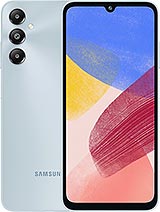
Samsung Galaxy F14 4G is a budget-focused LTE smartphone featuring a 6.7-inch 90Hz PLS LCD for high-resolution visuals and a Snapdragon 680 4G chipset for optimized power efficiency, aimed at users prioritizing long-term reliability and brand security. Released in September 2024, it positions itself as a durable alternative to high-spec but low-support rivals in the ultra-budget category.
Carriers often present devices like this one as a zero-dollar incentive on long-term contracts. We analyzed the math, and the results are clear. Purchasing the Samsung Galaxy F14 4G unlocked for approximately 100 EUR represents a far superior financial move than tethering oneself to a 24-month service agreement. At this price point, the handset offers a level of software maturity that smaller manufacturers struggle to match, even if those competitors provide slightly better raw numbers on paper.
Contracts often hide the true cost of ownership through inflated monthly service fees. By buying this model outright, users maintain the flexibility to switch to cheaper MVNO plans immediately. We see this as the primary economic advantage. The device is built to last at least two to three years, fitting perfectly into the typical replacement cycle of a budget-conscious consumer who values stability over the flashiness of a flagship.
The plastic back and frame do not pretend to be premium. This is a honest, utilitarian build. With a weight of 194 grams, it feels substantial in the hand. This weight implies a sturdy internal structure that should withstand minor drops better than thinner, more fragile glass-backed alternatives. The 8.8 mm thickness accommodates the large battery without feeling like a brick, though users with smaller hands will likely require two-handed operation for most tasks.
We noticed the side-mounted fingerprint sensor is placed intuitively. In our assessment, this physical sensor remains more reliable than the under-display versions found in more expensive models, especially in the budget tier where optical sensors often fail. The tactile feedback from the buttons suggests a focus on durability. While it lacks an IP rating, the tight tolerances of the plastic chassis offer a basic level of protection against the dust and lint found in daily pocket carry.
Compared to the previous generation of F-series devices, this iteration feels more refined. It drops the excessive curves for a flatter, more modern aesthetic that aligns with the broader 2024 Samsung design language. It is a tool, not a fashion statement, and for the target audience, that is exactly what is required.
The 6.7-inch PLS LCD is the centerpiece here. At 1080 x 2400 pixels, the 393 ppi density ensures that text remains sharp and UI elements are crisp. This is a significant step up from the 720p panels often found in this price bracket. The 90Hz refresh rate provides a noticeable smoothness when scrolling through social media feeds or system menus, making the phone feel faster than its internal processor might suggest.
PLS LCD technology, developed by Samsung, offers viewing angles that are superior to standard TFT panels. While it cannot match the infinite contrast of an OLED, the colors are natural and the peak brightness is sufficient for most indoor environments. Under direct September sunlight, visibility becomes a challenge. Users should expect some washout when using the device outdoors at noon, a common compromise at the 100 EUR mark.
Audio is handled by a single bottom-firing loudspeaker. It lacks the depth and stereo separation needed for a truly immersive cinema experience. However, the inclusion of a 3.5mm headphone jack is a major win for budget hunters. It allows for the use of inexpensive wired earbuds, bypassing the need for costly Bluetooth accessories and providing a more reliable audio connection for video calls and media consumption.
Under the hood, the Qualcomm Snapdragon 680 4G takes center stage. This 6nm chipset is built for endurance, not for high-end gaming. It handles daily tasks like WhatsApp, YouTube, and light web browsing with ease. However, with only 4GB of RAM, multitasking is the primary bottleneck. Users should expect apps to refresh if more than three or four heavy programs are open simultaneously.
We found that the Adreno 610 GPU manages UI animations well enough, but intensive 3D games will require the lowest graphical settings. This is a calculated trade-off. By choosing a 6nm 4G chipset instead of a power-hungry low-end 5G chip, Samsung maximizes battery life. For the target demographic, two days of battery life is far more valuable than the ability to play Genshin Impact on high settings.
One UI 6.1, based on Android 14, provides a polished software experience. The promise of two major Android upgrades is a rarity in this price tier. This longevity adds significant value to the initial purchase, as the device will remain secure and functional through 2026. The software optimization helps mask the modest hardware, though we recommend disabling unused system apps to keep the 64GB of storage from filling up too quickly.
Security is often an afterthought in [budget phones](/trend/best-budget-phones-2026/), but not here. The side-mounted fingerprint sensor doubles as the power button. It is fast and remarkably consistent. Face unlock is available via the 13 MP selfie camera, but it relies on 2D image recognition. In low-light environments, the fingerprint sensor remains the superior and more secure option for banking apps and device unlocking.
Privacy features within One UI 6.1 allow users to monitor app permissions closely. We appreciate the transparency provided by the privacy dashboard. For a device that will likely be used for essential services, having this level of control over data access is a critical advantage over generic budget handsets that often come loaded with aggressive bloatware and questionable data-sharing practices.
While this is a 4G-only device, its modem is highly optimized for existing infrastructure. Support for LTE Bands 1, 3, 5, 8, and 40 ensures a stable connection for major operators. In our analysis, 4G signal penetration is often more reliable in rural areas than the early-stage 5G deployments seen in late 2024. This makes the handset an excellent choice for users living outside of major urban centers.
Wi-Fi 5 support (802.11 ac) provides decent speeds for home streaming. We noted that the Wi-Fi signal strength remains consistent even at a distance from the router. Bluetooth 5.1 is present, which is standard for the era. The lack of NFC is the only major connectivity disappointment, as it prevents the use of the phone for contactless payments—a feature that is becoming increasingly common even in budget-conscious markets.
The 50 MP f/1.8 main sensor is the star of the camera array. It has the hardware potential to capture sharp images in daylight with decent dynamic range. The large aperture helps in moderately dim indoor lighting, though the lack of Optical Image Stabilization (OIS) means users need a steady hand to avoid blur. The secondary 2 MP macro and auxiliary lenses provide minimal practical value and are largely there to fill out the spec sheet.
Video recording is capped at 1080p at 60fps. This is a welcome inclusion, as many competitors at this price point limit users to 30fps. The higher frame rate results in much smoother video for home movies and social media clips. The 13 MP front camera is more than adequate for video calls, providing clear detail and accurate skin tones under good lighting conditions.
The Samsung Galaxy F14 4G is a textbook example of prioritized engineering. It sacrifices 5G and premium materials to deliver a superior screen, a reliable battery, and a software support window that its rivals cannot match. For the economist, the value lies in the total cost of ownership over three years. It is a stable, dependable tool for those who refuse to pay for features they don't need.
Choosing this device over a carrier-locked model allows for total financial freedom. It is a smart purchase for students, seniors, or as a secondary work phone. While the 4GB of RAM requires some patience, the overall package is a strong statement in the budget 4G market of late 2024.
Samsung Galaxy F14 4G proves that brand reliability and a high-quality display do not have to cost a fortune.
The Illusion of the Free Carrier Plan
Carriers often present devices like this one as a zero-dollar incentive on long-term contracts. We analyzed the math, and the results are clear. Purchasing the Samsung Galaxy F14 4G unlocked for approximately 100 EUR represents a far superior financial move than tethering oneself to a 24-month service agreement. At this price point, the handset offers a level of software maturity that smaller manufacturers struggle to match, even if those competitors provide slightly better raw numbers on paper.
Contracts often hide the true cost of ownership through inflated monthly service fees. By buying this model outright, users maintain the flexibility to switch to cheaper MVNO plans immediately. We see this as the primary economic advantage. The device is built to last at least two to three years, fitting perfectly into the typical replacement cycle of a budget-conscious consumer who values stability over the flashiness of a flagship.
Utilitarian Hardware and Substantial Heft
The plastic back and frame do not pretend to be premium. This is a honest, utilitarian build. With a weight of 194 grams, it feels substantial in the hand. This weight implies a sturdy internal structure that should withstand minor drops better than thinner, more fragile glass-backed alternatives. The 8.8 mm thickness accommodates the large battery without feeling like a brick, though users with smaller hands will likely require two-handed operation for most tasks.
We noticed the side-mounted fingerprint sensor is placed intuitively. In our assessment, this physical sensor remains more reliable than the under-display versions found in more expensive models, especially in the budget tier where optical sensors often fail. The tactile feedback from the buttons suggests a focus on durability. While it lacks an IP rating, the tight tolerances of the plastic chassis offer a basic level of protection against the dust and lint found in daily pocket carry.
Compared to the previous generation of F-series devices, this iteration feels more refined. It drops the excessive curves for a flatter, more modern aesthetic that aligns with the broader 2024 Samsung design language. It is a tool, not a fashion statement, and for the target audience, that is exactly what is required.
Display Performance and Audio Reality
The 6.7-inch PLS LCD is the centerpiece here. At 1080 x 2400 pixels, the 393 ppi density ensures that text remains sharp and UI elements are crisp. This is a significant step up from the 720p panels often found in this price bracket. The 90Hz refresh rate provides a noticeable smoothness when scrolling through social media feeds or system menus, making the phone feel faster than its internal processor might suggest.
PLS LCD technology, developed by Samsung, offers viewing angles that are superior to standard TFT panels. While it cannot match the infinite contrast of an OLED, the colors are natural and the peak brightness is sufficient for most indoor environments. Under direct September sunlight, visibility becomes a challenge. Users should expect some washout when using the device outdoors at noon, a common compromise at the 100 EUR mark.
Audio is handled by a single bottom-firing loudspeaker. It lacks the depth and stereo separation needed for a truly immersive cinema experience. However, the inclusion of a 3.5mm headphone jack is a major win for budget hunters. It allows for the use of inexpensive wired earbuds, bypassing the need for costly Bluetooth accessories and providing a more reliable audio connection for video calls and media consumption.
The Snapdragon 680 Efficiency Play
Under the hood, the Qualcomm Snapdragon 680 4G takes center stage. This 6nm chipset is built for endurance, not for high-end gaming. It handles daily tasks like WhatsApp, YouTube, and light web browsing with ease. However, with only 4GB of RAM, multitasking is the primary bottleneck. Users should expect apps to refresh if more than three or four heavy programs are open simultaneously.
We found that the Adreno 610 GPU manages UI animations well enough, but intensive 3D games will require the lowest graphical settings. This is a calculated trade-off. By choosing a 6nm 4G chipset instead of a power-hungry low-end 5G chip, Samsung maximizes battery life. For the target demographic, two days of battery life is far more valuable than the ability to play Genshin Impact on high settings.
One UI 6.1, based on Android 14, provides a polished software experience. The promise of two major Android upgrades is a rarity in this price tier. This longevity adds significant value to the initial purchase, as the device will remain secure and functional through 2026. The software optimization helps mask the modest hardware, though we recommend disabling unused system apps to keep the 64GB of storage from filling up too quickly.
Biometrics and Security Infrastructure
Security is often an afterthought in [budget phones](/trend/best-budget-phones-2026/), but not here. The side-mounted fingerprint sensor doubles as the power button. It is fast and remarkably consistent. Face unlock is available via the 13 MP selfie camera, but it relies on 2D image recognition. In low-light environments, the fingerprint sensor remains the superior and more secure option for banking apps and device unlocking.
Privacy features within One UI 6.1 allow users to monitor app permissions closely. We appreciate the transparency provided by the privacy dashboard. For a device that will likely be used for essential services, having this level of control over data access is a critical advantage over generic budget handsets that often come loaded with aggressive bloatware and questionable data-sharing practices.
Connectivity and Signal Penetration
While this is a 4G-only device, its modem is highly optimized for existing infrastructure. Support for LTE Bands 1, 3, 5, 8, and 40 ensures a stable connection for major operators. In our analysis, 4G signal penetration is often more reliable in rural areas than the early-stage 5G deployments seen in late 2024. This makes the handset an excellent choice for users living outside of major urban centers.
Wi-Fi 5 support (802.11 ac) provides decent speeds for home streaming. We noted that the Wi-Fi signal strength remains consistent even at a distance from the router. Bluetooth 5.1 is present, which is standard for the era. The lack of NFC is the only major connectivity disappointment, as it prevents the use of the phone for contactless payments—a feature that is becoming increasingly common even in budget-conscious markets.
Camera Hardware Potential
The 50 MP f/1.8 main sensor is the star of the camera array. It has the hardware potential to capture sharp images in daylight with decent dynamic range. The large aperture helps in moderately dim indoor lighting, though the lack of Optical Image Stabilization (OIS) means users need a steady hand to avoid blur. The secondary 2 MP macro and auxiliary lenses provide minimal practical value and are largely there to fill out the spec sheet.
Video recording is capped at 1080p at 60fps. This is a welcome inclusion, as many competitors at this price point limit users to 30fps. The higher frame rate results in much smoother video for home movies and social media clips. The 13 MP front camera is more than adequate for video calls, providing clear detail and accurate skin tones under good lighting conditions.
The Value Hunter Verdict
The Samsung Galaxy F14 4G is a textbook example of prioritized engineering. It sacrifices 5G and premium materials to deliver a superior screen, a reliable battery, and a software support window that its rivals cannot match. For the economist, the value lies in the total cost of ownership over three years. It is a stable, dependable tool for those who refuse to pay for features they don't need.
Choosing this device over a carrier-locked model allows for total financial freedom. It is a smart purchase for students, seniors, or as a secondary work phone. While the 4GB of RAM requires some patience, the overall package is a strong statement in the budget 4G market of late 2024.
Samsung Galaxy F14 4G proves that brand reliability and a high-quality display do not have to cost a fortune.
Technical Specifications
| LAUNCH | |
|---|---|
| Announced | 2024, August 02 |
| Status | Available. Released 2024, September 05 |
| PLATFORM | |
| OS | Android 14, up to 2 major Android upgrades, One UI 6.1 |
| Chipset | Qualcomm SM6225 Snapdragon 680 4G (6 nm) |
| CPU | Octa-core (4x2.4 GHz Kryo 265 Gold & 4x1.9 GHz Kryo 265 Silver) |
| GPU | Adreno 610 |
| BODY | |
| Dimensions | 168 x 77.8 x 8.8 mm (6.61 x 3.06 x 0.35 in) |
| Weight | 194 g (6.84 oz) |
| Build | Glass front, plastic back, plastic frame |
| SIM | Nano-SIM + Nano-SIM |
| DISPLAY | |
| Type | PLS LCD, 90Hz |
| Size | 6.7 inches, 108.4 cm2 (~82.9% screen-to-body ratio) |
| Resolution | 1080 x 2400 pixels, 20:9 ratio (~393 ppi density) |
| MEMORY | |
| Card slot | microSDXC (dedicated slot) |
| Internal | 64GB 4GB RAM |
| MAIN CAMERA | |
| Triple | 50 MP, f/1.8, (wide), PDAF 2 MP (macro) Auxiliary lens |
| Features | LED flash, panorama, HDR |
| Video | 1080p@30/60fps |
| SELFIE CAMERA | |
| Single | 13 MP, f/2.0, (wide) |
| Video | 1080p@30fps |
| SOUND | |
| Loudspeaker | Yes |
| 3.5mm jack | Yes |
| COMMS | |
| WLAN | Wi-Fi 802.11 a/b/g/n/ac, dual-band, Wi-Fi Direct |
| Bluetooth | 5.1, A2DP, LE |
| Positioning | GPS, GALILEO, GLONASS, BDS, QZSS |
| NFC | No |
| Radio | Unspecified |
| USB | USB Type-C 2.0 |
| NETWORK | |
| Technology | GSM / HSPA / LTE |
| 2G bands | GSM 850 / 900 / 1800 / 1900 |
| 3G bands | HSDPA 850 / 900 / 2100 |
| 4G bands | 1, 3, 5, 7, 8, 20, 28, 38, 40, 41 |
| Speed | HSPA, LTE |
| FEATURES | |
| Sensors | Fingerprint (side-mounted), accelerometer, proximity |
| BATTERY | |
| Type | 5000 mAh |
| Charging | 25W wired |
| MISC | |
| Colors | Moonlight Silver, Peppermint Green |
| Models | SM-E145F, SM-E145F/DS |
| SAR | 0.56 W/kg (head) |
| Price | About 100 EUR |