The Samsung Galaxy M06 Is the Uncontested Value Leader for 5G Connectivity
Overview
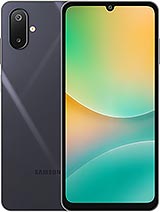
The Samsung Galaxy M06 is an entry-level 5G smartphone featuring a Mediatek Dimensity 6300 chipset for high-speed connectivity and a 6.74-inch 90Hz PLS LCD for smooth scrolling, aimed at budget-conscious users seeking future-proof speeds without overspending. Released in early 2025, it competes with other mass-market 5G offerings in the sub-₹10,000 segment by offering a rare 4-year software update promise.
We observe a significant shift in the budget landscape with the inclusion of the Mediatek Dimensity 6300. This 6nm powerhouse utilizes a configuration of two 2.4 GHz Cortex-A76 cores and six 2.0 GHz Cortex-A55 cores. In practical terms, this ensures the device handles social media scrolling and multitasking with far more grace than previous generations using the older 12nm architectures. The 6nm process node is the real winner here, as it reduces thermal output during extended 5G usage, a common pain point for entry-level devices.
The Mali-G57 MC2 GPU manages the graphical load. While it won't push ultra-high frame rates in heavy titles like Genshin Impact, it maintains a stable experience in casual games and provides enough overhead for the 90Hz refresh rate of the display. This combination of an efficient processor and a high refresh rate creates an illusion of speed that usually requires a much higher investment. We find this to be a calculated engineering choice that prioritizes daily fluidity over raw gaming benchmarks.
Comparing this to the older Dimensity 6100+, the clock speed bump on the A76 cores provides that extra bit of snap when opening applications. For a device priced at ₹8,999, having SA/NSA/Sub6 5G support across 12+ bands ensures that users remain connected as networks evolve through 2025 and beyond. This is not just a phone; it is a long-term utility tool.
To hit this aggressive price point, the Samsung Galaxy M06 makes its most visible compromise in screen resolution. The 6.74-inch PLS LCD tops out at 720 x 1600 pixels. With a pixel density of approximately 260 ppi, fine text in e-books or high-resolution icons will lack the tack-sharp edges found on Full HD panels. However, the 800 nits High Brightness Mode (HBM) significantly aids outdoor legibility, which is often a more critical factor for budget users than sheer resolution.
The use of PLS LCD technology—Samsung's proprietary version of IPS—offers respectable viewing angles. Unlike cheaper TN panels found in some ultra-budget rivals, the colors on this screen do not wash out when the device is tilted. The 90Hz refresh rate is the saving grace here, masking the lower resolution with smooth animations that make the One UI Core 7.0 interface feel modern and responsive.
Compared to the previous year's M-series models, the jump to 800 nits is substantial. Imagine standing at a bus stop under the afternoon sun; where older budget screens would become mirrors, the Samsung Galaxy M06 remains readable. This utility-first approach defines the display's value proposition.
With a weight of 191 grams, the Samsung Galaxy M06 avoids the 'heavy brick' feel that often plagues phones with 5000mAh batteries. The 8mm thickness is impressively slim for this category. We find the weight distribution to be centered, which prevents the top-heavy sensation that makes one-handed typing difficult. The plastic back and frame imply a durable, if not premium, tactile experience that can likely survive small drops better than glass-backed competitors.
One-handed usability is a challenge given the 167.4 mm height, but Samsung has optimized the software to help. One UI Core 7.0 places many interactive elements in the lower two-thirds of the screen. While reaching the notification shade still requires a second hand or a grip shift, the overall ergonomics are as good as they can be for a large-screen device. The plastic finish provides a decent amount of friction, reducing the likelihood of the phone slipping during one-handed use.
The side-mounted fingerprint sensor is integrated into the power button. This placement is generally superior to the slow, under-display optical sensors often found in cheap OLED phones. In our assessment of the hardware, the physical sensor should provide near-instant unlocking. It also offers a layer of security for banking apps that simple 2D face unlock—which is also present—cannot match in terms of reliability and safety.
Face unlock utilizes the 8 MP front camera. In well-lit environments, it works effectively. However, users should expect a slowdown in low-light scenarios. The side-mounted fingerprint scanner remains the primary recommendation for speed and consistency, especially since it can be mapped to open the notification shade with a swipe gesture, further aiding the reachability issues of the tall screen.
Audio is handled by a single bottom-firing loudspeaker. At this price tier, stereo speakers are a rarity, and the Samsung Galaxy M06 sticks to the standard. The output is loud enough for ringtones and speakerphone conversations, but it lacks depth for music or cinematic movies. The presence of the 3.5mm headphone jack is a major win for budget-conscious buyers who prefer wired reliability over the expense of Bluetooth earbuds.
Because it is a mono setup, the sound can easily be muffled by a palm when holding the phone in landscape mode for videos or gaming. Users should plan on using headphones for any serious media consumption. The microphone quality, however, is clear enough for standard calls, benefiting from the modem improvements found in the Dimensity 6300 platform.
The standout economic feature of the Samsung Galaxy M06 is the software policy. Samsung promises up to 4 major Android upgrades. Starting on Android 15, this phone is theoretically slated to receive Android 19. In the sub-₹10,000 market, most competitors provide one or two updates at most. This effectively doubles the lifespan of the device for a user who wants to keep their phone for several years.
One UI Core 7.0 is the 'lite' version of Samsung's skin. It removes some of the heavier background processes to ensure the 4GB or 6GB of RAM isn't overwhelmed. We find this optimization crucial. It retains the essential Samsung ecosystem features like Quick Share and Modes & Routines while ensuring the system remains snappy. The lack of NFC is a downside for mobile payments, but given the target market, the focus on software longevity is a better trade-off.
This device is the ideal candidate for students, first-time smartphone buyers, or as a secondary 'workhorse' phone. The combination of 5G speeds and long-term software support makes it a logical purchase for someone who views a phone as a 3-to-4-year investment rather than a fashion statement. It is for the user who prioritizes being able to run the latest apps in 2028 over having the highest screen resolution in 2025.
Conversely, media enthusiasts who spend hours on YouTube or Netflix may find the 720p resolution a limiting factor. If your primary use case is high-definition video consumption, the pixel density might be a deterrent. But for everyone else, the performance-to-price ratio is difficult to ignore.
The Samsung Galaxy M06 represents a turning point where entry-level no longer means 'disposable'. By focusing on a modern 6nm 5G chipset and an unprecedented update policy, Samsung has created a device that yields high dividends over time. While the 720p display and plastic build remind you of the cost, the internal hardware ensures you won't feel left behind by the digital economy.
The Silicon Hero: Dimensity 6300 Efficiency
We observe a significant shift in the budget landscape with the inclusion of the Mediatek Dimensity 6300. This 6nm powerhouse utilizes a configuration of two 2.4 GHz Cortex-A76 cores and six 2.0 GHz Cortex-A55 cores. In practical terms, this ensures the device handles social media scrolling and multitasking with far more grace than previous generations using the older 12nm architectures. The 6nm process node is the real winner here, as it reduces thermal output during extended 5G usage, a common pain point for entry-level devices.
The Mali-G57 MC2 GPU manages the graphical load. While it won't push ultra-high frame rates in heavy titles like Genshin Impact, it maintains a stable experience in casual games and provides enough overhead for the 90Hz refresh rate of the display. This combination of an efficient processor and a high refresh rate creates an illusion of speed that usually requires a much higher investment. We find this to be a calculated engineering choice that prioritizes daily fluidity over raw gaming benchmarks.
Comparing this to the older Dimensity 6100+, the clock speed bump on the A76 cores provides that extra bit of snap when opening applications. For a device priced at ₹8,999, having SA/NSA/Sub6 5G support across 12+ bands ensures that users remain connected as networks evolve through 2025 and beyond. This is not just a phone; it is a long-term utility tool.
The 720p Resolution Trade-Off
To hit this aggressive price point, the Samsung Galaxy M06 makes its most visible compromise in screen resolution. The 6.74-inch PLS LCD tops out at 720 x 1600 pixels. With a pixel density of approximately 260 ppi, fine text in e-books or high-resolution icons will lack the tack-sharp edges found on Full HD panels. However, the 800 nits High Brightness Mode (HBM) significantly aids outdoor legibility, which is often a more critical factor for budget users than sheer resolution.
The use of PLS LCD technology—Samsung's proprietary version of IPS—offers respectable viewing angles. Unlike cheaper TN panels found in some ultra-budget rivals, the colors on this screen do not wash out when the device is tilted. The 90Hz refresh rate is the saving grace here, masking the lower resolution with smooth animations that make the One UI Core 7.0 interface feel modern and responsive.
Compared to the previous year's M-series models, the jump to 800 nits is substantial. Imagine standing at a bus stop under the afternoon sun; where older budget screens would become mirrors, the Samsung Galaxy M06 remains readable. This utility-first approach defines the display's value proposition.
Grip and Gravity: Handling the 6.74-inch Frame
With a weight of 191 grams, the Samsung Galaxy M06 avoids the 'heavy brick' feel that often plagues phones with 5000mAh batteries. The 8mm thickness is impressively slim for this category. We find the weight distribution to be centered, which prevents the top-heavy sensation that makes one-handed typing difficult. The plastic back and frame imply a durable, if not premium, tactile experience that can likely survive small drops better than glass-backed competitors.
One-handed usability is a challenge given the 167.4 mm height, but Samsung has optimized the software to help. One UI Core 7.0 places many interactive elements in the lower two-thirds of the screen. While reaching the notification shade still requires a second hand or a grip shift, the overall ergonomics are as good as they can be for a large-screen device. The plastic finish provides a decent amount of friction, reducing the likelihood of the phone slipping during one-handed use.
Biometric Security and Reliability
The side-mounted fingerprint sensor is integrated into the power button. This placement is generally superior to the slow, under-display optical sensors often found in cheap OLED phones. In our assessment of the hardware, the physical sensor should provide near-instant unlocking. It also offers a layer of security for banking apps that simple 2D face unlock—which is also present—cannot match in terms of reliability and safety.
Face unlock utilizes the 8 MP front camera. In well-lit environments, it works effectively. However, users should expect a slowdown in low-light scenarios. The side-mounted fingerprint scanner remains the primary recommendation for speed and consistency, especially since it can be mapped to open the notification shade with a swipe gesture, further aiding the reachability issues of the tall screen.
The Acoustic Reality: Mono Sound Performance
Audio is handled by a single bottom-firing loudspeaker. At this price tier, stereo speakers are a rarity, and the Samsung Galaxy M06 sticks to the standard. The output is loud enough for ringtones and speakerphone conversations, but it lacks depth for music or cinematic movies. The presence of the 3.5mm headphone jack is a major win for budget-conscious buyers who prefer wired reliability over the expense of Bluetooth earbuds.
Because it is a mono setup, the sound can easily be muffled by a palm when holding the phone in landscape mode for videos or gaming. Users should plan on using headphones for any serious media consumption. The microphone quality, however, is clear enough for standard calls, benefiting from the modem improvements found in the Dimensity 6300 platform.
Software Longevity: A Rare Commitment
The standout economic feature of the Samsung Galaxy M06 is the software policy. Samsung promises up to 4 major Android upgrades. Starting on Android 15, this phone is theoretically slated to receive Android 19. In the sub-₹10,000 market, most competitors provide one or two updates at most. This effectively doubles the lifespan of the device for a user who wants to keep their phone for several years.
One UI Core 7.0 is the 'lite' version of Samsung's skin. It removes some of the heavier background processes to ensure the 4GB or 6GB of RAM isn't overwhelmed. We find this optimization crucial. It retains the essential Samsung ecosystem features like Quick Share and Modes & Routines while ensuring the system remains snappy. The lack of NFC is a downside for mobile payments, but given the target market, the focus on software longevity is a better trade-off.
Who is this for?
This device is the ideal candidate for students, first-time smartphone buyers, or as a secondary 'workhorse' phone. The combination of 5G speeds and long-term software support makes it a logical purchase for someone who views a phone as a 3-to-4-year investment rather than a fashion statement. It is for the user who prioritizes being able to run the latest apps in 2028 over having the highest screen resolution in 2025.
Conversely, media enthusiasts who spend hours on YouTube or Netflix may find the 720p resolution a limiting factor. If your primary use case is high-definition video consumption, the pixel density might be a deterrent. But for everyone else, the performance-to-price ratio is difficult to ignore.
Value Conclusion
The Samsung Galaxy M06 represents a turning point where entry-level no longer means 'disposable'. By focusing on a modern 6nm 5G chipset and an unprecedented update policy, Samsung has created a device that yields high dividends over time. While the 720p display and plastic build remind you of the cost, the internal hardware ensures you won't feel left behind by the digital economy.
Technical Specifications
| LAUNCH | |
|---|---|
| Announced | 2025, February 27 |
| Status | Available. Released 2025, March 07 |
| PLATFORM | |
| OS | Android 15, up to 4 major Android upgrades, One UI Core 7.0 |
| Chipset | Mediatek Dimensity 6300 (6 nm) |
| CPU | Octa-core (2x2.4 GHz Cortex-A76 & 6x2.0 GHz Cortex-A55) |
| GPU | Mali-G57 MC2 |
| BODY | |
| Dimensions | 167.4 x 77.4 x 8 mm (6.59 x 3.05 x 0.31 in) |
| Weight | 191 g (6.74 oz) |
| Build | Glass front, plastic back, plastic frame |
| SIM | Nano-SIM + Nano-SIM |
| DISPLAY | |
| Type | PLS LCD, 90Hz, 800 nits (HBM) |
| Size | 6.74 inches, 109.7 cm2 (~84.6% screen-to-body ratio) |
| Resolution | 720 x 1600 pixels, 20:9 ratio (~260 ppi density) |
| MEMORY | |
| Card slot | microSDXC (uses shared SIM slot) |
| Internal | 64GB 4GB RAM, 128GB 4GB RAM, 128GB 6GB RAM |
| MAIN CAMERA | |
| Dual | 50 MP, f/1.8, (wide), PDAF Auxiliary lens |
| Features | LED flash |
| Video | 1080p@30fps |
| SELFIE CAMERA | |
| Single | 8 MP, f/2.0, (wide), 1/4.0", 1.12µm |
| Video | Yes |
| SOUND | |
| Loudspeaker | Yes |
| 3.5mm jack | Yes |
| COMMS | |
| WLAN | Wi-Fi 802.11 a/b/g/n/ac, dual-band, Wi-Fi Direct |
| Bluetooth | 5.3, A2DP, LE |
| Positioning | GPS, GALILEO, GLONASS, BDS, QZSS |
| NFC | No |
| Radio | Unspecified |
| USB | USB Type-C 2.0, OTG |
| NETWORK | |
| Technology | GSM / HSPA / LTE / 5G |
| 2G bands | GSM 850 / 900 / 1800 / 1900 |
| 3G bands | HSDPA 850 / 900 / 1700(AWS) / 1900 / 2100 |
| 4G bands | 1, 2, 3, 4, 5, 7, 8, 12, 17, 20, 26, 28, 38, 40, 41, 66 |
| 5G bands | 1, 3, 5, 7, 8, 26, 28, 40, 41, 66, 77, 78 SA/NSA/Sub6 |
| Speed | HSPA, LTE, 5G |
| FEATURES | |
| Sensors | Fingerprint (side-mounted), accelerometer, gyro, proximity, compass |
| BATTERY | |
| Type | Li-Ion 5000 mAh |
| Charging | 25W wired |
| MISC | |
| Colors | Blazing Black, Sage Green |
| Models | SM-M066B, SM-M066B/DS |
| SAR | 1.05 W/kg (head) |
| SAR EU | 1.30 W/kg (head) 1.30 W/kg (body) |
| Price | ₹ 8,999 |