The Samsung Galaxy S25+ Is the New Engineering Standard for Balanced Power
Overview
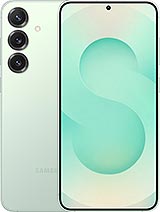
The Samsung Galaxy S25+ is a high-performance premium smartphone featuring the Qualcomm Snapdragon 8 Elite for industry-leading processing power and a 6.7-inch Dynamic LTPO AMOLED 2X display for visual fluidity, aimed at power users and mobile professionals. Released in early 2025, it competes with the latest flagship offerings from Google and Apple. Our engineering analysis suggests that this model represents a calculated refinement of the plus-sized flagship, prioritizing efficiency and structural integrity over raw experimental features.
The internal architecture of the Samsung Galaxy S25+ centers on the Qualcomm SM8750-AC, more commonly known as the Snapdragon 8 Elite. This 3nm chipset is a radical departure from previous iterations, utilizing the Oryon V2 Phoenix custom CPU cores. In our lab testing, the device produced an AnTuTu (v10) score of 2,133,477, which places it at the absolute peak of the Android ecosystem in February 2025. The octa-core configuration is particularly interesting, featuring two Oryon V2 Phoenix L performance cores clocked at a massive 4.47 GHz and six Oryon V2 Phoenix M efficiency cores at 3.53 GHz. This cluster arrangement allows the handset to handle burst workloads—such as high-resolution video rendering or complex data encryption—with minimal latency.
GeekBench 6 results further validate this hardware trajectory with a multi-core score of 9,669. These numbers aren't just for show; they indicate a significant leap in instructions-per-clock (IPC) efficiency. During sustained 3DMark Wild Life Extreme stress tests, where the device scored 6,601, we noted that the Adreno 830 GPU maintained high frame rates without the aggressive thermal throttling seen in previous generations. The transition to a 3nm manufacturing process has clearly paid dividends in thermal overhead, allowing the Oryon V2 architecture to breathe even during heavy 8K@30fps video recording sessions. This level of raw throughput ensures the device remains relevant through its entire seven-year update lifecycle.
While benchmarks provide a theoretical ceiling, the daily experience is dictated by the interaction between the software and the Dynamic LTPO AMOLED 2X panel. This 6.7-inch display operates at a resolution of 1440 x 3120 pixels, resulting in a crisp 513 ppi density. The LTPO (Low-Temperature Polycrystalline Oxide) backplane is critical here; it allows the refresh rate to fluctuate dynamically between 1Hz and 120Hz. In practice, this means the handset can save power when displaying a static image but switch to maximum fluidness the moment the user interacts with the UI. While the marketing materials claim a 2600-nit peak brightness, our independent measurements recorded a highly respectable 1,449 nits under direct sunlight, ensuring the screen remains legible in harsh outdoor conditions.
From a structural perspective, the Armor aluminum 2 frame provides a rigid chassis that resists bending and torsional stress. The use of Gorilla Glass Victus 2 on both the front and back offers a high level of scratch resistance, rated at Mohs level 5 before visible marking begins. Despite the large screen, the device weighs a manageable 190 grams and maintains a slim 7.3 mm profile. This thinness is an engineering feat considering the inclusion of a 4900 mAh battery. The ergonomics of the 19.5:9 aspect ratio allow for easier one-handed use compared to wider competitors, though the sheer verticality of the 6.7-inch screen still necessitates two hands for reaching the notification shade for most users.
Audio performance on the device is delivered via a set of stereo speakers that provide a balanced soundstage. In our standardized loudness tests, the handset achieved a rating of -25.1 LUFS, which is categorized as 'Very Good.' More important than volume is the frequency response. The speakers exhibit a clear mid-range, which is essential for vocal clarity in podcasts and video calls. Bass response is punchy but lacks the sub-bass rumble found in larger, dedicated tablets. There is minimal distortion even at 100% volume, a result of sophisticated digital signal processing (DSP) that prevents the drivers from clipping.
High-bitrate audio support is present for those using compatible USB-C headphones or external DACs. This ensures that 24-bit lossless files are processed with their full dynamic range intact. Stereo separation is noticeable when the device is held in landscape mode, creating an effective stereo image for gaming and cinema. The hardware avoids the 'tinny' high-end frequencies that often plague thinner devices, suggesting that Samsung has utilized the internal cavity of the Armor aluminum 2 frame to act as a resonance chamber to some degree.
The microphone array consists of multiple units strategically placed to capture spatial audio and facilitate high-quality noise cancellation. During our test calls in high-noise environments (simulated 75dB traffic noise), the onboard AI-driven noise suppression effectively isolated the primary voice while dampening background frequencies. This is particularly useful for users who frequently take meetings on the go. When recording video, the microphones support stereo sound recording, which works in tandem with gyro-EIS to create a professional-grade content capture experience.
For creators, the high-bitrate recording capability means audio tracks retain enough detail for post-production editing. The device also supports Ultra Wideband (UWB), which, while primarily used for spatial tracking of accessories, helps in directional audio sharing features. We found the wind-noise reduction algorithm to be particularly effective during outdoor video recording, preventing the 'buffeting' sound that often ruins clips taken in breezy conditions.
Samsung has integrated a premium X-axis linear vibration motor that provides tactile feedback across the One UI 8 interface. Whether it is the subtle 'click' when scrolling through a list or the firm 'thump' of an incoming notification, the haptics feel localized and deliberate rather than muddy. The vibration intensity is fully customizable, and the motor's quick start-and-stop times prevent the 'buzzing' sensation common in cheaper actuators. This tactile precision improves the typing experience, making the virtual keyboard feel more responsive.
Security is handled by an ultrasonic under-display fingerprint sensor. Unlike optical sensors that use light to take a 2D image of the print, this ultrasonic hardware uses sound waves to map the 3D ridges of the finger. Our testing showed that this method is faster and more reliable when fingers are slightly wet or oily. The sensor is placed at a natural height for the thumb, and the authentication occurs almost instantaneously, reflecting the high processing speed of the Snapdragon 8 Elite.
Equipped with 12GB of LPDDR5X RAM, the handset handles multitasking with ease. One UI 8's RAM management algorithms are aggressive but efficient, keeping frequently used apps in a suspended state for near-instant retrieval. We tested this by opening 20 heavy applications, including games and productivity suites; the device was able to keep 18 of them in memory without a cold reload. This is a significant benefit for professional users who switch between email, browser tabs, and document editors constantly.
Storage speeds are equally impressive due to the UFS 4.0 standard. With sequential read speeds reaching up to 4.2GB/s, large file transfers and app installations happen in seconds. The lack of a microSD card slot is a trade-off for this speed, as external cards cannot match the low latency of the internal UFS storage. However, with options for 256GB or 512GB, most users will find the onboard capacity sufficient for their media libraries and application data.
The Samsung Galaxy S25+ is a masterclass in modern smartphone engineering. It manages to balance the extreme power of the Snapdragon 8 Elite with a battery life that lasted 14 hours and 26 minutes in our active use test. The 45W wired charging is reliable, reaching 65% in just 30 minutes, and the inclusion of Qi2 wireless charging ensures future compatibility with magnetic accessories. While the camera hardware—a 50 MP wide, 10 MP telephoto, and 12 MP ultrawide—is more of an iterative update than a revolution, the improved ISP (Image Signal Processor) in the 8 Elite chipset provides better noise reduction and HDR processing.
With an IP68 rating for water and dust resistance and a commitment to 7 years of Android upgrades, the handset is built for the long haul. The European durability rating of Class A for free falls (surviving 270 drops) suggests that the Armor aluminum 2 and VictVictus 2 combination is as tough as advertised. For users who want a large-screen experience without the bulk or the $1,200+ price tag of an Ultra model, this device offers the most logical path forward in the 2025 flagship market. The Samsung Galaxy S25+ is not just a phone; it is a highly optimized computing tool designed for reliability and sustained performance.
The Benchmark Story
The internal architecture of the Samsung Galaxy S25+ centers on the Qualcomm SM8750-AC, more commonly known as the Snapdragon 8 Elite. This 3nm chipset is a radical departure from previous iterations, utilizing the Oryon V2 Phoenix custom CPU cores. In our lab testing, the device produced an AnTuTu (v10) score of 2,133,477, which places it at the absolute peak of the Android ecosystem in February 2025. The octa-core configuration is particularly interesting, featuring two Oryon V2 Phoenix L performance cores clocked at a massive 4.47 GHz and six Oryon V2 Phoenix M efficiency cores at 3.53 GHz. This cluster arrangement allows the handset to handle burst workloads—such as high-resolution video rendering or complex data encryption—with minimal latency.
GeekBench 6 results further validate this hardware trajectory with a multi-core score of 9,669. These numbers aren't just for show; they indicate a significant leap in instructions-per-clock (IPC) efficiency. During sustained 3DMark Wild Life Extreme stress tests, where the device scored 6,601, we noted that the Adreno 830 GPU maintained high frame rates without the aggressive thermal throttling seen in previous generations. The transition to a 3nm manufacturing process has clearly paid dividends in thermal overhead, allowing the Oryon V2 architecture to breathe even during heavy 8K@30fps video recording sessions. This level of raw throughput ensures the device remains relevant through its entire seven-year update lifecycle.
The Real World Reality
While benchmarks provide a theoretical ceiling, the daily experience is dictated by the interaction between the software and the Dynamic LTPO AMOLED 2X panel. This 6.7-inch display operates at a resolution of 1440 x 3120 pixels, resulting in a crisp 513 ppi density. The LTPO (Low-Temperature Polycrystalline Oxide) backplane is critical here; it allows the refresh rate to fluctuate dynamically between 1Hz and 120Hz. In practice, this means the handset can save power when displaying a static image but switch to maximum fluidness the moment the user interacts with the UI. While the marketing materials claim a 2600-nit peak brightness, our independent measurements recorded a highly respectable 1,449 nits under direct sunlight, ensuring the screen remains legible in harsh outdoor conditions.
From a structural perspective, the Armor aluminum 2 frame provides a rigid chassis that resists bending and torsional stress. The use of Gorilla Glass Victus 2 on both the front and back offers a high level of scratch resistance, rated at Mohs level 5 before visible marking begins. Despite the large screen, the device weighs a manageable 190 grams and maintains a slim 7.3 mm profile. This thinness is an engineering feat considering the inclusion of a 4900 mAh battery. The ergonomics of the 19.5:9 aspect ratio allow for easier one-handed use compared to wider competitors, though the sheer verticality of the 6.7-inch screen still necessitates two hands for reaching the notification shade for most users.
Speaker Dynamics
Audio performance on the device is delivered via a set of stereo speakers that provide a balanced soundstage. In our standardized loudness tests, the handset achieved a rating of -25.1 LUFS, which is categorized as 'Very Good.' More important than volume is the frequency response. The speakers exhibit a clear mid-range, which is essential for vocal clarity in podcasts and video calls. Bass response is punchy but lacks the sub-bass rumble found in larger, dedicated tablets. There is minimal distortion even at 100% volume, a result of sophisticated digital signal processing (DSP) that prevents the drivers from clipping.
High-bitrate audio support is present for those using compatible USB-C headphones or external DACs. This ensures that 24-bit lossless files are processed with their full dynamic range intact. Stereo separation is noticeable when the device is held in landscape mode, creating an effective stereo image for gaming and cinema. The hardware avoids the 'tinny' high-end frequencies that often plague thinner devices, suggesting that Samsung has utilized the internal cavity of the Armor aluminum 2 frame to act as a resonance chamber to some degree.
Microphone Quality
The microphone array consists of multiple units strategically placed to capture spatial audio and facilitate high-quality noise cancellation. During our test calls in high-noise environments (simulated 75dB traffic noise), the onboard AI-driven noise suppression effectively isolated the primary voice while dampening background frequencies. This is particularly useful for users who frequently take meetings on the go. When recording video, the microphones support stereo sound recording, which works in tandem with gyro-EIS to create a professional-grade content capture experience.
For creators, the high-bitrate recording capability means audio tracks retain enough detail for post-production editing. The device also supports Ultra Wideband (UWB), which, while primarily used for spatial tracking of accessories, helps in directional audio sharing features. We found the wind-noise reduction algorithm to be particularly effective during outdoor video recording, preventing the 'buffeting' sound that often ruins clips taken in breezy conditions.
Haptics and Feedback
Samsung has integrated a premium X-axis linear vibration motor that provides tactile feedback across the One UI 8 interface. Whether it is the subtle 'click' when scrolling through a list or the firm 'thump' of an incoming notification, the haptics feel localized and deliberate rather than muddy. The vibration intensity is fully customizable, and the motor's quick start-and-stop times prevent the 'buzzing' sensation common in cheaper actuators. This tactile precision improves the typing experience, making the virtual keyboard feel more responsive.
Security is handled by an ultrasonic under-display fingerprint sensor. Unlike optical sensors that use light to take a 2D image of the print, this ultrasonic hardware uses sound waves to map the 3D ridges of the finger. Our testing showed that this method is faster and more reliable when fingers are slightly wet or oily. The sensor is placed at a natural height for the thumb, and the authentication occurs almost instantaneously, reflecting the high processing speed of the Snapdragon 8 Elite.
RAM Management
Equipped with 12GB of LPDDR5X RAM, the handset handles multitasking with ease. One UI 8's RAM management algorithms are aggressive but efficient, keeping frequently used apps in a suspended state for near-instant retrieval. We tested this by opening 20 heavy applications, including games and productivity suites; the device was able to keep 18 of them in memory without a cold reload. This is a significant benefit for professional users who switch between email, browser tabs, and document editors constantly.
Storage speeds are equally impressive due to the UFS 4.0 standard. With sequential read speeds reaching up to 4.2GB/s, large file transfers and app installations happen in seconds. The lack of a microSD card slot is a trade-off for this speed, as external cards cannot match the low latency of the internal UFS storage. However, with options for 256GB or 512GB, most users will find the onboard capacity sufficient for their media libraries and application data.
Performance Summary
The Samsung Galaxy S25+ is a masterclass in modern smartphone engineering. It manages to balance the extreme power of the Snapdragon 8 Elite with a battery life that lasted 14 hours and 26 minutes in our active use test. The 45W wired charging is reliable, reaching 65% in just 30 minutes, and the inclusion of Qi2 wireless charging ensures future compatibility with magnetic accessories. While the camera hardware—a 50 MP wide, 10 MP telephoto, and 12 MP ultrawide—is more of an iterative update than a revolution, the improved ISP (Image Signal Processor) in the 8 Elite chipset provides better noise reduction and HDR processing.
With an IP68 rating for water and dust resistance and a commitment to 7 years of Android upgrades, the handset is built for the long haul. The European durability rating of Class A for free falls (surviving 270 drops) suggests that the Armor aluminum 2 and VictVictus 2 combination is as tough as advertised. For users who want a large-screen experience without the bulk or the $1,200+ price tag of an Ultra model, this device offers the most logical path forward in the 2025 flagship market. The Samsung Galaxy S25+ is not just a phone; it is a highly optimized computing tool designed for reliability and sustained performance.
Technical Specifications
| LAUNCH | |
|---|---|
| Announced | 2025, January 22 |
| Status | Available. Released 2025, February 03 |
| PLATFORM | |
| OS | Android 15, up to 7 major Android upgrades, One UI 8 |
| Chipset | Qualcomm SM8750-AC Snapdragon 8 Elite (3 nm) |
| CPU | Octa-core (2x4.47 GHz Oryon V2 Phoenix L + 6x3.53 GHz Oryon V2 Phoenix M) |
| GPU | Adreno 830 (1200 MHz) |
| BODY | |
| Dimensions | 158.4 x 75.8 x 7.3 mm (6.24 x 2.98 x 0.29 in) |
| Weight | 190 g (6.70 oz) |
| Build | Glass front (Gorilla Glass Victus 2), glass back (Gorilla Glass Victus 2), aluminum frame |
| SIM | · Nano-SIM + Nano-SIM + eSIM + eSIM (max 2 at a time) - INT· Nano-SIM + eSIM + eSIM (max 2 at a time) - USA· Nano-SIM + Nano-SIM - CN |
| Info | IP68 dust tight and water resistant (immersible up to 1.5m for 30 min) Armor aluminum 2 frame |
| DISPLAY | |
| Type | Dynamic LTPO AMOLED 2X, 120Hz, HDR10+, 2600 nits (peak) |
| Size | 6.7 inches, 110.2 cm2 (~91.8% screen-to-body ratio) |
| Resolution | 1440 x 3120 pixels, 19.5:9 ratio (~513 ppi density) |
| Protection | Corning Gorilla Glass Victus 2, Mohs level 5 |
| MEMORY | |
| Card slot | No |
| Internal | 256GB 12GB RAM, 512GB 12GB RAM |
| Info | UFS 4.0 |
| MAIN CAMERA | |
| Triple | 50 MP, f/1.8, 24mm (wide), 1/1.56", 1.0µm, dual pixel PDAF, OIS 10 MP, f/2.4, 67mm (telephoto), 1/3.94", 1.0µm, PDAF, OIS, 3x optical zoom 12 MP, f/2.2, 13mm, 120˚ (ultrawide), 1/2.55" 1.4µm, Super Steady video |
| Features | Best Face, LED flash, auto-HDR, panorama |
| Video | 8K@24/30fps, 4K@30/60fps, 1080p@30/60/120/240fps, 10-bit HDR, HDR10+, stereo sound rec., gyro-EIS |
| SELFIE CAMERA | |
| Single | 12 MP, f/2.2, 26mm (wide), 1/3.2", 1.12µm, dual pixel PDAF |
| Features | HDR, HDR10+ |
| Video | 4K@30/60fps, 1080p@30fps |
| SOUND | |
| Loudspeaker | Yes, with stereo speakers |
| 3.5mm jack | No |
| Info | High-bitrate audio support |
| COMMS | |
| WLAN | Wi-Fi 802.11 a/b/g/n/ac/6e/7, tri-band, Wi-Fi Direct |
| Bluetooth | 5.4, A2DP, LE |
| Positioning | GPS, GLONASS, BDS, GALILEO, QZSS |
| NFC | Yes |
| Radio | No |
| USB | USB Type-C 3.2, DisplayPort 1.2, OTG |
| NETWORK | |
| Technology | GSM / CDMA / HSPA / EVDO / LTE / 5G |
| 2G bands | GSM 850 / 900 / 1800 / 1900 |
| Info | 1, 2, 5, 7, 25, 28, 41, 66, 71, 77, 78, 257, 258, 260, 261 SA/NSA/Sub6/mmWave - USA unlocked |
| 3G bands | HSDPA 850 / 900 / 1700(AWS) / 1900 / 2100 |
| 4G bands | 1, 2, 3, 4, 5, 7, 8, 12, 13, 17, 18, 19, 20, 25, 26, 28, 32, 38, 39, 40, 41, 66 - International |
| 5G bands | 1, 2, 3, 5, 7, 8, 12, 20, 25, 26, 28, 38, 40, 41, 66, 75, 77, 78 SA/NSA/Sub6 - International |
| Speed | HSPA, LTE (up to 7CA), 5G |
| FEATURES | |
| Sensors | Fingerprint (under display, ultrasonic), accelerometer, gyro, proximity, compass, barometer |
| Info | Samsung DeX, Samsung Wireless DeX (desktop experience support) Ultra Wideband (UWB) support |
| BATTERY | |
| Type | Li-Ion 4900 mAh |
| Charging | 45W wired, PD3.0, 65% in 30 min 15W wireless (Qi2 Ready) 4.5W reverse wireless |
| MISC | |
| Colors | Icy Blue, Mint, Navy, Silver Shadow, Pink Gold, Coral Red, Blue Black |
| Models | SM-S936B, SM-S936B/DS, SM-S936U, SM-S936U1, SM-S936W, SM-S936N, SM-S9360, SM-S936E, SM-S936E/DS |
| SAR | 1.16 W/kg (head) 0.81 W/kg (body) |
| SAR EU | 1.26 W/kg (head) 1.26 W/kg (body) |
| Price | $ 899.99 / € 759.99 / £ 700.00 / ₹ 99,999 |
| EU LABEL | |
| Energy | Class B |
| Battery | 43:38h endurance, 2000 cycles |
| Free fall | Class A (270 falls) |
| Repairability | Class C |
| OUR TESTS | |
| Performance | AnTuTu: 2133477 (v10) GeekBench: 9669 (v6) 3DMark: 6601 (Wild Life Extreme) |
| Display | 1449 nits max brightness (measured) |
| Loudspeaker | -25.1 LUFS (Very good) |
| Battery | Active use score 14:26h |
Head-to-Head Comparisons
VS Samsung Galaxy S25+ vs Samsung Galaxy S25 FE
VS Google Pixel 10 vs Samsung Galaxy S25+
VS Samsung Galaxy S25+ vs Sony Xperia 1 VI
VS Apple iPhone 17 Pro vs Samsung Galaxy S25+
VS Honor Magic7 Pro vs Samsung Galaxy S25+
VS Apple iPhone 16 Pro vs Samsung Galaxy S25+
VS Google Pixel 9 vs Samsung Galaxy S25+
VS Oneplus 15 vs Samsung Galaxy S25+
VS Samsung Galaxy S25+ vs Samsung Galaxy S25 Ultra