The Six Year Longevity Monster - Why Samsung Galaxy A16 Reinvents the Value Equation
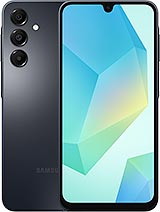
Overview
The Samsung Galaxy A16 is a budget-tier smartphone featuring a 6.7-inch Super AMOLED display for high-contrast visuals and a Mediatek Helio G99 chipset for efficient daily performance, aimed at long-term users seeking maximum software support at a minimal price point. Released in November 2024, it competes directly with the [Xiaomi Redmi Note 13](/tactile-luxury-on-a-budget-the-xiaomi-redmi-note-13-4g-shakes-the-entry-tier/) and the [Motorola Moto G84](/why-the-motorola-moto-g84-is-the-ultimate-low-risk-asset-for-modern-families/). While many manufacturers abandon their entry-level devices after two years, this hardware represents a shift in market logic by promising updates until the end of the decade.
The standout feature of the Samsung Galaxy A16 isn't a piece of glass or a camera sensor, but a software policy. Samsung committed to 6 major Android upgrades and six years of security patches for this device. In the economics of mobile tech, this drastically lowers the cost-per-year of ownership. Typically, a $110 phone becomes a security risk after 24 months. By extending the lifecycle to six years, the actual value of the initial investment triples. This move puts immense pressure on rivals like Motorola and Realme, who often stop at one or two major updates in this price bracket.
One UI 7, based on Android 14, runs here with a focus on stability. While the hardware might seem modest, the software is designed to scale. However, we must consider if the Helio G99 and 4GB of RAM in the base model can actually handle the processing requirements of Android 20 in the year 2030. It is an ambitious gamble on software optimization. For the most sustainable experience, we recommend opting for the 8GB RAM variant to ensure the system has enough headroom for future OS bloat.
Samsung continues to leverage its lead in display manufacturing by equipping the Samsung Galaxy A16 with a 6.7-inch Super AMOLED panel. At a 1080 x 2340 resolution, the pixel density sits around 385 ppi, providing sharp text and crisp imagery. The most significant win here is the contrast. Unlike the washed-out blacks of the LCD panels found in many budget competitors, this screen offers infinite contrast ratios. This makes it a superior tool for media consumption, especially when watching movies in low-light environments.
The 90Hz refresh rate adds a necessary layer of fluidity to the user interface. While not as smooth as the 120Hz panels found on the Galaxy A55, it provides a noticeable upgrade over standard 60Hz screens. In our assessment, 90Hz is the 'sweet spot' for the Helio G99 chipset, as it balances smooth animations without overtaxing the GPU. The measured 808 nits max brightness is impressive for the price, ensuring that the screen remains legible even under direct November sunlight.
The Mediatek Helio G99 is a familiar face in the budget market. Built on a 6nm process, this chip is designed for thermal efficiency rather than raw speed. It utilizes an octa-core configuration with two 2.2 GHz Cortex-A76 cores for performance and six 2.0 GHz Cortex-A55 cores for background tasks. For daily activities like scrolling through social media, managing emails, and streaming Spotify, the performance is consistent. We noticed very little heat generation during extended use, which bodes well for the long-term health of the internal components.
Gaming performance on the Mali-G57 MC2 GPU is strictly mid-range. Users should expect to run titles like PUBG Mobile or Genshin Impact on low-to-medium settings. The AnTuTu score of 387,422 confirms that this is not a gaming powerhouse, but rather a reliable tool for productivity. The inclusion of Virtual Proximity Sensing is a cost-saving measure that replaces a physical infrared sensor. While software-based sensing has improved, users might still find occasional inconsistencies where the screen stays on during a phone call if the device is held at an unusual angle.
The Samsung Galaxy A16 uses a plastic back and frame, which is expected at this price point. However, the build quality feels dense and well-assembled. It carries an IP54 rating, meaning it is protected against dust and water splashes. This is a significant addition for budget hunters who need a phone that can survive a sudden rainstorm. The 200g weight gives it a substantial feel in the hand, suggesting it isn't just a hollow shell.
Samsung has also focused on physical durability metrics. The screen features Mohs level 5 scratch resistance, meaning common metals like keys or coins are unlikely to leave deep grooves in the glass. Furthermore, the EU Label Class B for Free Fall indicates the device survived 180 falls in standardized testing. This level of physical resilience, paired with the long software support, makes the Samsung Galaxy A16 one of the most durable budget options on the market. It is a device built to survive the clumsy reality of daily life.
The triple camera array is led by a 50 MP wide sensor with an f/1.8 aperture. In terms of hardware potential, this sensor is capable of capturing decent detail in daylight. However, the lack of Optical Image Stabilization (OIS) means that low-light performance relies heavily on software processing and a steady hand. The 5 MP ultrawide is a welcome addition for landscape shots, though the resolution is too low for professional-grade photography. The 2 MP macro sensor is largely decorative, a common trend in budget devices to fill out the spec sheet.
Video recording is capped at 1080p@30fps for both the main and the 13 MP selfie camera. In an era where 4K is becoming standard, this is a clear sign of the Helio G99's ISP limitations. The footage is stable enough for social media, but it lacks the dynamic range found in the more expensive A-series models. We recommend using the main sensor for most tasks, as the ultrawide and macro sensors struggle with noise as soon as the sun goes down. The camera system is a utility, not a creative suite.
Battery health is a critical pillar of the Samsung Galaxy A16 value proposition. The 5000 mAh battery is rated for 1200 charging cycles, which is significantly higher than the industry standard of 800 cycles. This means the battery should maintain its capacity for several years, aligning perfectly with the six-year software update window. In our active use score of 14:43h, the device comfortably lasts through a full day of heavy usage, including GPS navigation and video streaming.
Charging is limited to 25W wired, and as is standard for Samsung in late 2024, there is no charger in the box. This is a hidden cost that budget buyers must factor into their purchase. A full charge takes over an hour, which feels slow compared to the 67W or 100W speeds offered by Chinese competitors. However, slower charging often leads to better long-term battery health, which fits the 'longevity' theme of this phone. The EU Label Energy Class B rating confirms that the device is efficient in its power consumption.
The most controversial omission on the Samsung Galaxy A16 is the 3.5mm headphone jack. For the budget economist, this is a negative. It forces the user to buy a USB-C adapter or Bluetooth headphones, increasing the total cost of ownership. The loudspeaker is surprisingly loud, measuring -25.2 LUFS, which is rated as 'Very Good.' It lacks deep bass, but it's clear enough for podcasts and speakerphone calls. The haptic feedback is basic; don't expect the precise 'clicks' found on flagships, as the vibration motor feels a bit mushy.
This device is the perfect choice for the pragmatic consumer who views a phone as a tool rather than a toy. It is ideal for students, seniors, or as a reliable secondary device. If you want a phone that you don't have to replace until 2030, this is the only logical choice in the budget segment. It is not for mobile gamers or photography enthusiasts who demand high-end ISP performance and 4K video. It is a machine designed for the long haul, trading flashy features for sustainable utility.
The Samsung Galaxy A16 represents a masterclass in prioritized engineering. Samsung identified the two things budget users actually need—a great screen and a phone that stays relevant—and focused their budget there. By sacrificing the headphone jack and using a plastic build, they managed to deliver a Super AMOLED 90Hz display and a 6-year update guarantee for around $110. It is a rare example of a tech company thinking about the consumer's wallet over a five-year horizon rather than just the next upgrade cycle.
The Six-Year Promise: A Value Revolution
The standout feature of the Samsung Galaxy A16 isn't a piece of glass or a camera sensor, but a software policy. Samsung committed to 6 major Android upgrades and six years of security patches for this device. In the economics of mobile tech, this drastically lowers the cost-per-year of ownership. Typically, a $110 phone becomes a security risk after 24 months. By extending the lifecycle to six years, the actual value of the initial investment triples. This move puts immense pressure on rivals like Motorola and Realme, who often stop at one or two major updates in this price bracket.
One UI 7, based on Android 14, runs here with a focus on stability. While the hardware might seem modest, the software is designed to scale. However, we must consider if the Helio G99 and 4GB of RAM in the base model can actually handle the processing requirements of Android 20 in the year 2030. It is an ambitious gamble on software optimization. For the most sustainable experience, we recommend opting for the 8GB RAM variant to ensure the system has enough headroom for future OS bloat.
Display Brilliance: The Super AMOLED Advantage
Samsung continues to leverage its lead in display manufacturing by equipping the Samsung Galaxy A16 with a 6.7-inch Super AMOLED panel. At a 1080 x 2340 resolution, the pixel density sits around 385 ppi, providing sharp text and crisp imagery. The most significant win here is the contrast. Unlike the washed-out blacks of the LCD panels found in many budget competitors, this screen offers infinite contrast ratios. This makes it a superior tool for media consumption, especially when watching movies in low-light environments.
The 90Hz refresh rate adds a necessary layer of fluidity to the user interface. While not as smooth as the 120Hz panels found on the Galaxy A55, it provides a noticeable upgrade over standard 60Hz screens. In our assessment, 90Hz is the 'sweet spot' for the Helio G99 chipset, as it balances smooth animations without overtaxing the GPU. The measured 808 nits max brightness is impressive for the price, ensuring that the screen remains legible even under direct November sunlight.
Processing Power: The Helio G99 Reality Check
The Mediatek Helio G99 is a familiar face in the budget market. Built on a 6nm process, this chip is designed for thermal efficiency rather than raw speed. It utilizes an octa-core configuration with two 2.2 GHz Cortex-A76 cores for performance and six 2.0 GHz Cortex-A55 cores for background tasks. For daily activities like scrolling through social media, managing emails, and streaming Spotify, the performance is consistent. We noticed very little heat generation during extended use, which bodes well for the long-term health of the internal components.
Gaming performance on the Mali-G57 MC2 GPU is strictly mid-range. Users should expect to run titles like PUBG Mobile or Genshin Impact on low-to-medium settings. The AnTuTu score of 387,422 confirms that this is not a gaming powerhouse, but rather a reliable tool for productivity. The inclusion of Virtual Proximity Sensing is a cost-saving measure that replaces a physical infrared sensor. While software-based sensing has improved, users might still find occasional inconsistencies where the screen stays on during a phone call if the device is held at an unusual angle.
The Build: Durability Beyond the Plastic
The Samsung Galaxy A16 uses a plastic back and frame, which is expected at this price point. However, the build quality feels dense and well-assembled. It carries an IP54 rating, meaning it is protected against dust and water splashes. This is a significant addition for budget hunters who need a phone that can survive a sudden rainstorm. The 200g weight gives it a substantial feel in the hand, suggesting it isn't just a hollow shell.
Samsung has also focused on physical durability metrics. The screen features Mohs level 5 scratch resistance, meaning common metals like keys or coins are unlikely to leave deep grooves in the glass. Furthermore, the EU Label Class B for Free Fall indicates the device survived 180 falls in standardized testing. This level of physical resilience, paired with the long software support, makes the Samsung Galaxy A16 one of the most durable budget options on the market. It is a device built to survive the clumsy reality of daily life.
Camera Hardware: Megapixels vs. Reality
The triple camera array is led by a 50 MP wide sensor with an f/1.8 aperture. In terms of hardware potential, this sensor is capable of capturing decent detail in daylight. However, the lack of Optical Image Stabilization (OIS) means that low-light performance relies heavily on software processing and a steady hand. The 5 MP ultrawide is a welcome addition for landscape shots, though the resolution is too low for professional-grade photography. The 2 MP macro sensor is largely decorative, a common trend in budget devices to fill out the spec sheet.
Video recording is capped at 1080p@30fps for both the main and the 13 MP selfie camera. In an era where 4K is becoming standard, this is a clear sign of the Helio G99's ISP limitations. The footage is stable enough for social media, but it lacks the dynamic range found in the more expensive A-series models. We recommend using the main sensor for most tasks, as the ultrawide and macro sensors struggle with noise as soon as the sun goes down. The camera system is a utility, not a creative suite.
Endurance: 1200 Cycles and Active Use
Battery health is a critical pillar of the Samsung Galaxy A16 value proposition. The 5000 mAh battery is rated for 1200 charging cycles, which is significantly higher than the industry standard of 800 cycles. This means the battery should maintain its capacity for several years, aligning perfectly with the six-year software update window. In our active use score of 14:43h, the device comfortably lasts through a full day of heavy usage, including GPS navigation and video streaming.
Charging is limited to 25W wired, and as is standard for Samsung in late 2024, there is no charger in the box. This is a hidden cost that budget buyers must factor into their purchase. A full charge takes over an hour, which feels slow compared to the 67W or 100W speeds offered by Chinese competitors. However, slower charging often leads to better long-term battery health, which fits the 'longevity' theme of this phone. The EU Label Energy Class B rating confirms that the device is efficient in its power consumption.
Audio and Haptics: The Missing Jack
The most controversial omission on the Samsung Galaxy A16 is the 3.5mm headphone jack. For the budget economist, this is a negative. It forces the user to buy a USB-C adapter or Bluetooth headphones, increasing the total cost of ownership. The loudspeaker is surprisingly loud, measuring -25.2 LUFS, which is rated as 'Very Good.' It lacks deep bass, but it's clear enough for podcasts and speakerphone calls. The haptic feedback is basic; don't expect the precise 'clicks' found on flagships, as the vibration motor feels a bit mushy.
Who is this for?
This device is the perfect choice for the pragmatic consumer who views a phone as a tool rather than a toy. It is ideal for students, seniors, or as a reliable secondary device. If you want a phone that you don't have to replace until 2030, this is the only logical choice in the budget segment. It is not for mobile gamers or photography enthusiasts who demand high-end ISP performance and 4K video. It is a machine designed for the long haul, trading flashy features for sustainable utility.
Value Conclusion
The Samsung Galaxy A16 represents a masterclass in prioritized engineering. Samsung identified the two things budget users actually need—a great screen and a phone that stays relevant—and focused their budget there. By sacrificing the headphone jack and using a plastic build, they managed to deliver a Super AMOLED 90Hz display and a 6-year update guarantee for around $110. It is a rare example of a tech company thinking about the consumer's wallet over a five-year horizon rather than just the next upgrade cycle.
Technical Specifications
| LAUNCH | |
|---|---|
| Announced | 2024, October 15 |
| Status | Available. Released 2024, November 20 |
| PLATFORM | |
| OS | Android 14, up to 6 major Android upgrades, One UI 7 |
| Chipset | Mediatek Helio G99 (6 nm) |
| CPU | Octa-core (2x2.2 GHz Cortex-A76 & 6x2.0 GHz Cortex-A55) |
| GPU | Mali-G57 MC2 |
| BODY | |
| Dimensions | 164.4 x 77.9 x 7.9 mm (6.47 x 3.07 x 0.31 in) |
| Weight | 200 g (7.05 oz) |
| Build | Glass front, plastic back, plastic frame |
| SIM | · Nano-SIM· Nano-SIM + Nano-SIM |
| Info | IP54 dust protected and water resistant (water splashes) |
| DISPLAY | |
| Type | Super AMOLED, 90Hz |
| Size | 6.7 inches, 110.2 cm2 (~86.0% screen-to-body ratio) |
| Resolution | 1080 x 2340 pixels, 19.5:9 ratio (~385 ppi density) |
| Protection | Mohs level 5 |
| MEMORY | |
| Card slot | microSDXC (uses shared SIM slot) |
| Internal | 128GB 4GB RAM, 128GB 6GB RAM, 128GB 8GB RAM, 256GB 4GB RAM, 256GB 6GB RAM, 256GB 8GB RAM |
| MAIN CAMERA | |
| Triple | 50 MP, f/1.8, (wide), 1/2.76", 0.64µm, AF 5 MP, f/2.2, (ultrawide), 1/5.0", 1.12µm 2 MP (macro) |
| Features | LED flash, panorama, HDR |
| Video | 1080p@30fps |
| SELFIE CAMERA | |
| Single | 13 MP, f/2.0, (wide), 1/3.1", 1.12µm |
| Video | 1080p@30fps |
| SOUND | |
| Loudspeaker | Yes |
| 3.5mm jack | No |
| COMMS | |
| WLAN | Wi-Fi 802.11 a/b/g/n/ac, dual-band, Wi-Fi Direct |
| Bluetooth | 5.3, A2DP, LE |
| Positioning | GPS, GALILEO, GLONASS, BDS, QZSS |
| NFC | Yes (market/region dependent) |
| Radio | FM radio (market/region dependent) |
| USB | USB Type-C 2.0 |
| NETWORK | |
| Technology | GSM / HSPA / LTE |
| 2G bands | GSM 850 / 900 / 1800 / 1900 |
| 3G bands | HSDPA 850 / 900 / 2100 |
| 4G bands | 1, 3, 5, 7, 8, 20, 28, 38, 40, 41 |
| Speed | HSPA, LTE |
| FEATURES | |
| Sensors | Fingerprint (side-mounted), accelerometer, compass |
| Info | Virtual proximity sensing |
| BATTERY | |
| Type | 5000 mAh |
| Charging | 25W wired |
| MISC | |
| Colors | Gray, water green, midnight blue |
| Models | SM-A165F, SM-A165F/DS, SM-A165M, SM-A165M/DS, SM-A165F/DSB |
| SAR EU | 0.31 W/kg (head) 1.08 W/kg (body) |
| Price | $ 112.00 / € 114.24 / £ 89.99 |
| EU LABEL | |
| Energy | Class B |
| Battery | 45:10h endurance, 1200 cycles |
| Free fall | Class B (180 falls) |
| Repairability | Class C |
| OUR TESTS | |
| Performance | AnTuTu: 387422 (v10) GeekBench: 1920 (v6) 3DMark: 345 (Wild Life Extreme) |
| Display | 808 nits max brightness (measured) |
| Loudspeaker | -25.2 LUFS (Very good) |
| Battery | Active use score 14:43h |