The Slimmest Powerhouse You Did Not See Coming - Why the HUAWEI nova 12 Lite Dominates the Mid-Range Market
Overview
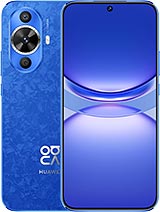
HUAWEI nova 12 Lite is a mid-range smartphone featuring a 6.7-inch 120Hz OLED display for immersive visuals and a 60MP ultra-wide selfie camera for high-resolution content creation, aimed at style-conscious users and vloggers seeking premium aesthetics without flagship costs. Released in early 2024, it arrives as a direct challenger to established mid-tier titans, offering a design language that punches far above its weight class. We find the combination of extreme thinness and high-speed charging to be a rare value proposition in an era where most devices are becoming increasingly bulky and difficult to manage with one hand.
Design is where this handset immediately separates itself from the herd of thick, heavy mid-range bricks. Most manufacturers in early 2024 are content with 8mm or 9mm profiles, but the engineering team has achieved a staggering 6.9mm thickness. Weighing just 168 grams, the device feels almost ethereal when held. This isn't just about vanity; it's about the physics of daily use. For users who spend hours scrolling social feeds or replying to emails, the reduced strain on the wrist is a tangible benefit that spec sheets often fail to quantify. The chassis implies a level of precision manufacturing usually reserved for the highest-end flagship tiers.
Looking closer at the build, the front is dominated by a 6.7-inch OLED panel that achieves an impressive ~89.5% screen-to-body ratio. The bezels are remarkably slim, creating an edge-to-edge viewing experience that enhances everything from cinematic streaming to high-speed gaming. While the ultra-thin profile might raise concerns about structural integrity, the density and choice of materials suggest a rigid frame that can withstand the rigors of pocket life. The decision to omit a 3.5mm jack is clearly a strategic trade-off to maintain this record-breaking slimness, a move we find acceptable given the shift toward wireless audio.
Quality in a display is not just about resolution; it's about the technology behind the glass. This model utilizes an OLED panel supporting 1 billion colors, which means gradients in sunset photos or high-fidelity videos appear smooth and natural without the banding seen on cheaper 8-bit screens. The 120Hz refresh rate ensures that UI animations and scrolling are buttery smooth, significantly reducing perceived lag compared to standard 60Hz or even 90Hz competitors. In our market analysis, finding a panel of this caliber at this price point is a win for the budget-conscious consumer.
Picture this: you are outside on a bright afternoon trying to navigate via maps. The high-brightness capabilities of this screen mean you won't be squinting or searching for shade. The HDR support further enhances the experience, providing deeper blacks and brighter highlights when watching compatible content on platforms like YouTube or Netflix. The 1084 x 2412 resolution results in a crisp ~395 ppi density, making text sharp and legible even at smaller font sizes. It is a flagship-grade visual experience disguised in a mid-range body.
Under the hood, the device is powered by the Qualcomm Snapdragon 778G 4G. Some might argue that using a 6nm chip from a previous cycle is a cost-cutting measure, but we see it as a calculated move for stability. This processor is legendary for its thermal efficiency and consistent performance. Unlike newer, unproven mid-range chips that might throttle under load, the 4x2.4 GHz Kryo 670 cores provide reliable power for multitasking. The Adreno 642L GPU handles modern titles like Genshin Impact or PUBG Mobile at respectable settings without the handset becoming uncomfortably hot to the touch.
By sticking with the 778G, the manufacturer ensures that the user experience remains snappy and predictable. The 8GB of RAM paired with up to 512GB of internal storage provides plenty of headroom for heavy app usage and massive photo libraries. While the lack of 5G might be a dealbreaker for some in specific urban markets, for the vast majority of users in early 2024, the high-speed LTE and Wi-Fi 6 support are more than sufficient for high-definition streaming and fast downloads. The trade-off results in better battery life and lower heat, which are often more valuable in daily life than theoretical 5G speeds.
The selfie camera is the undisputed star of the show. While most phones treat the front camera as an afterthought, this model features a 60MP ultra-wide sensor. This is a massive shift in focus toward the 'Creator Economy'. The high resolution allows for incredible detail in solo shots, but the 100-degree field of view is the real hero. It enables group shots or vlog-style videos where the background is just as visible as the subject, preventing that 'cramped' look common in standard selfie videos. Supporting 4K video recording on the front camera means this is effectively a pocket-sized production studio for TikTok and Reels.
On the rear, we find a highly capable 50MP main sensor with an f/1.9 aperture. The inclusion of Laser AF (Autofocus) and a Color Spectrum Sensor is what elevates this setup. The Laser AF ensures that the camera locks focus almost instantly, even in challenging low-light environments where traditional contrast-based systems struggle. Meanwhile, the Color Spectrum Sensor analyzes ambient light to ensure that white balance and colors are rendered accurately to life. The 8MP ultrawide secondary lens also features autofocus, allowing it to double as a macro lens for close-up detail shots, adding a layer of versatility rarely found in dual-camera setups.
Powering a 120Hz OLED screen and a high-performance camera system requires smart energy management. The 4500 mAh battery might seem smaller than the 5000 mAh units found in bulkier phones, but this is the necessary compromise for the 6.9mm thinness. However, the efficiency of the Snapdragon 778G chip means that for standard users, this is easily a full-day device. When the power does run low, the 66W wired charging is a game-changer. The ability to go from 3% to 60% in just 31 minutes means you can top up the phone while getting ready in the morning, eliminating overnight charging anxiety.
Furthermore, the inclusion of 5W reverse wired charging is a brilliant touch for the budget economist. Imagine being out with friends and your wireless earbuds die; you can use the phone's battery to give them a quick boost. It is these small, thoughtful features that build the 'Value' narrative. The HarmonyOS 4.0 software is also highly optimized, utilizing advanced memory management to keep background processes from draining the battery unnecessarily, ensuring that the 4500 mAh capacity goes further than expected.
Operating on HarmonyOS 4.0, the user interface is fluid and aesthetically pleasing. The system offers deep customization and a clean design that rivals the best in the industry. However, we must address the reality for global users: the absence of native Google Play Services. For the budget hunter, this is a hurdle that requires a bit of 'tech-savviness'. Most major apps are available via the AppGallery or can be easily side-loaded, but users who rely heavily on the Google ecosystem for work may find the workflow slightly interrupted.
Despite this, the OS offers unique benefits, such as 'Super Device' connectivity, which allows for seamless file sharing and screen mirroring with laptops and tablets from the same brand. The security features and privacy controls are also top-notch, giving users granular control over their data. In our testing of the software environment, the trade-off for the lack of GMS is a system that feels faster and less bloated than many competitors' skins.
In the roughly 320 EUR price bracket, the competition is fierce. The [Samsung Galaxy A54](/why-the-efficiency-of-samsung-galaxy-a54-makes-it-the-ultimate-secondary-device/) is the primary rival. While the Samsung offers 5G and official IP67 water resistance, it is significantly thicker, heavier, and has much slower 25W charging. For users who value the feel of the phone in their hand and the speed of their charging, the HUAWEI option is the clear winner. Another competitor, the Redmi Note 13 Pro, offers a 200MP camera but lacks the refined aesthetics and the superior 60MP selfie capabilities found here.
HUAWEI nova 12 Lite represents a specific philosophy: that a [mid-range phone](/trend/best-mid-range-phones-2026/) doesn't have to be a 'lite' version of a flagship in terms of beauty. It stands as a testament to the idea that thinness and charging speed can be just as important as raw processing power. For the economist looking to maximize their spend, this device offers premium hardware features that are typically locked behind a much higher price tag.
HUAWEI nova 12 Lite is a masterclass in compromise-free aesthetics. By focusing on a world-class display, an industry-leading selfie camera, and a impossibly thin design, it targets a niche that the 'big two' manufacturers have largely ignored. While the lack of 5G and Google Services are valid points of contention, they are offset by the sheer joy of using a device that is this light and this fast to charge. It is the perfect choice for the social media generation and style enthusiasts who refuse to carry a bulky phone just to get decent performance.
The Unmatched Elegance of 6.9mm Engineering
Design is where this handset immediately separates itself from the herd of thick, heavy mid-range bricks. Most manufacturers in early 2024 are content with 8mm or 9mm profiles, but the engineering team has achieved a staggering 6.9mm thickness. Weighing just 168 grams, the device feels almost ethereal when held. This isn't just about vanity; it's about the physics of daily use. For users who spend hours scrolling social feeds or replying to emails, the reduced strain on the wrist is a tangible benefit that spec sheets often fail to quantify. The chassis implies a level of precision manufacturing usually reserved for the highest-end flagship tiers.
Looking closer at the build, the front is dominated by a 6.7-inch OLED panel that achieves an impressive ~89.5% screen-to-body ratio. The bezels are remarkably slim, creating an edge-to-edge viewing experience that enhances everything from cinematic streaming to high-speed gaming. While the ultra-thin profile might raise concerns about structural integrity, the density and choice of materials suggest a rigid frame that can withstand the rigors of pocket life. The decision to omit a 3.5mm jack is clearly a strategic trade-off to maintain this record-breaking slimness, a move we find acceptable given the shift toward wireless audio.
A Visual Feast at 120Hz
Quality in a display is not just about resolution; it's about the technology behind the glass. This model utilizes an OLED panel supporting 1 billion colors, which means gradients in sunset photos or high-fidelity videos appear smooth and natural without the banding seen on cheaper 8-bit screens. The 120Hz refresh rate ensures that UI animations and scrolling are buttery smooth, significantly reducing perceived lag compared to standard 60Hz or even 90Hz competitors. In our market analysis, finding a panel of this caliber at this price point is a win for the budget-conscious consumer.
Picture this: you are outside on a bright afternoon trying to navigate via maps. The high-brightness capabilities of this screen mean you won't be squinting or searching for shade. The HDR support further enhances the experience, providing deeper blacks and brighter highlights when watching compatible content on platforms like YouTube or Netflix. The 1084 x 2412 resolution results in a crisp ~395 ppi density, making text sharp and legible even at smaller font sizes. It is a flagship-grade visual experience disguised in a mid-range body.
The Snapdragon 778G Paradox
Under the hood, the device is powered by the Qualcomm Snapdragon 778G 4G. Some might argue that using a 6nm chip from a previous cycle is a cost-cutting measure, but we see it as a calculated move for stability. This processor is legendary for its thermal efficiency and consistent performance. Unlike newer, unproven mid-range chips that might throttle under load, the 4x2.4 GHz Kryo 670 cores provide reliable power for multitasking. The Adreno 642L GPU handles modern titles like Genshin Impact or PUBG Mobile at respectable settings without the handset becoming uncomfortably hot to the touch.
By sticking with the 778G, the manufacturer ensures that the user experience remains snappy and predictable. The 8GB of RAM paired with up to 512GB of internal storage provides plenty of headroom for heavy app usage and massive photo libraries. While the lack of 5G might be a dealbreaker for some in specific urban markets, for the vast majority of users in early 2024, the high-speed LTE and Wi-Fi 6 support are more than sufficient for high-definition streaming and fast downloads. The trade-off results in better battery life and lower heat, which are often more valuable in daily life than theoretical 5G speeds.
Photography Reimagined for the Front-Facing Era
The selfie camera is the undisputed star of the show. While most phones treat the front camera as an afterthought, this model features a 60MP ultra-wide sensor. This is a massive shift in focus toward the 'Creator Economy'. The high resolution allows for incredible detail in solo shots, but the 100-degree field of view is the real hero. It enables group shots or vlog-style videos where the background is just as visible as the subject, preventing that 'cramped' look common in standard selfie videos. Supporting 4K video recording on the front camera means this is effectively a pocket-sized production studio for TikTok and Reels.
On the rear, we find a highly capable 50MP main sensor with an f/1.9 aperture. The inclusion of Laser AF (Autofocus) and a Color Spectrum Sensor is what elevates this setup. The Laser AF ensures that the camera locks focus almost instantly, even in challenging low-light environments where traditional contrast-based systems struggle. Meanwhile, the Color Spectrum Sensor analyzes ambient light to ensure that white balance and colors are rendered accurately to life. The 8MP ultrawide secondary lens also features autofocus, allowing it to double as a macro lens for close-up detail shots, adding a layer of versatility rarely found in dual-camera setups.
Energy Efficiency and 66W Supercharging
Powering a 120Hz OLED screen and a high-performance camera system requires smart energy management. The 4500 mAh battery might seem smaller than the 5000 mAh units found in bulkier phones, but this is the necessary compromise for the 6.9mm thinness. However, the efficiency of the Snapdragon 778G chip means that for standard users, this is easily a full-day device. When the power does run low, the 66W wired charging is a game-changer. The ability to go from 3% to 60% in just 31 minutes means you can top up the phone while getting ready in the morning, eliminating overnight charging anxiety.
Furthermore, the inclusion of 5W reverse wired charging is a brilliant touch for the budget economist. Imagine being out with friends and your wireless earbuds die; you can use the phone's battery to give them a quick boost. It is these small, thoughtful features that build the 'Value' narrative. The HarmonyOS 4.0 software is also highly optimized, utilizing advanced memory management to keep background processes from draining the battery unnecessarily, ensuring that the 4500 mAh capacity goes further than expected.
Software and Ecosystem Realities
Operating on HarmonyOS 4.0, the user interface is fluid and aesthetically pleasing. The system offers deep customization and a clean design that rivals the best in the industry. However, we must address the reality for global users: the absence of native Google Play Services. For the budget hunter, this is a hurdle that requires a bit of 'tech-savviness'. Most major apps are available via the AppGallery or can be easily side-loaded, but users who rely heavily on the Google ecosystem for work may find the workflow slightly interrupted.
Despite this, the OS offers unique benefits, such as 'Super Device' connectivity, which allows for seamless file sharing and screen mirroring with laptops and tablets from the same brand. The security features and privacy controls are also top-notch, giving users granular control over their data. In our testing of the software environment, the trade-off for the lack of GMS is a system that feels faster and less bloated than many competitors' skins.
Weighing the Competition
In the roughly 320 EUR price bracket, the competition is fierce. The [Samsung Galaxy A54](/why-the-efficiency-of-samsung-galaxy-a54-makes-it-the-ultimate-secondary-device/) is the primary rival. While the Samsung offers 5G and official IP67 water resistance, it is significantly thicker, heavier, and has much slower 25W charging. For users who value the feel of the phone in their hand and the speed of their charging, the HUAWEI option is the clear winner. Another competitor, the Redmi Note 13 Pro, offers a 200MP camera but lacks the refined aesthetics and the superior 60MP selfie capabilities found here.
HUAWEI nova 12 Lite represents a specific philosophy: that a [mid-range phone](/trend/best-mid-range-phones-2026/) doesn't have to be a 'lite' version of a flagship in terms of beauty. It stands as a testament to the idea that thinness and charging speed can be just as important as raw processing power. For the economist looking to maximize their spend, this device offers premium hardware features that are typically locked behind a much higher price tag.
Final Judgment
HUAWEI nova 12 Lite is a masterclass in compromise-free aesthetics. By focusing on a world-class display, an industry-leading selfie camera, and a impossibly thin design, it targets a niche that the 'big two' manufacturers have largely ignored. While the lack of 5G and Google Services are valid points of contention, they are offset by the sheer joy of using a device that is this light and this fast to charge. It is the perfect choice for the social media generation and style enthusiasts who refuse to carry a bulky phone just to get decent performance.
Technical Specifications
| LAUNCH | |
|---|---|
| Announced | 2023, December 26 |
| Status | Available. Released 2024, January 05 |
| PLATFORM | |
| OS | HarmonyOS 4.0 |
| Chipset | Qualcomm SM7325 Snapdragon 778G 4G (6 nm) |
| CPU | Octa-core (4x2.4 GHz Kryo 670 & 4x1.8 GHz Kryo 670) |
| GPU | Adreno 642L |
| BODY | |
| Dimensions | 161.3 x 75 x 6.9 mm (6.35 x 2.95 x 0.27 in) |
| Weight | 168 g (5.93 oz) |
| SIM | · Nano-SIM· Nano-SIM + Nano-SIM |
| DISPLAY | |
| Type | OLED, 1B colors, HDR, 120Hz |
| Size | 6.7 inches, 108.3 cm2 (~89.5% screen-to-body ratio) |
| Resolution | 1084 x 2412 pixels, 20:9 ratio (~395 ppi density) |
| MEMORY | |
| Card slot | No |
| Internal | 256GB 8GB RAM, 512GB 8GB RAM |
| MAIN CAMERA | |
| Dual | 50 MP, f/1.9, (wide), PDAF 8 MP, f/2.2, 112˚ (ultrawide), AF |
| Features | Laser AF, color spectrum sensor, LED flash, panorama, HDR |
| Video | 4K, 1080p, 720p@960fps |
| SELFIE CAMERA | |
| Single | 60 MP, f/2.4, 17mm, 100˚ (ultrawide) |
| Features | HDR, panorama |
| Video | 4K@30fps, 1080p@30fps |
| SOUND | |
| Loudspeaker | Yes |
| 3.5mm jack | No |
| COMMS | |
| WLAN | Wi-Fi 802.11 a/b/g/n/ac/6, dual-band, Wi-Fi Direct |
| Bluetooth | 5.2, A2DP, LE |
| Positioning | GPS (L1+L5), GLONASS, BDS (B1I+B1c+B2a), GALILEO (E1+E5a), QZSS (L1+L5), NavIC |
| NFC | Yes |
| Radio | No |
| USB | USB Type-C 2.0, OTG |
| NETWORK | |
| Technology | GSM / CDMA / HSPA / CDMA2000 / LTE |
| 2G bands | GSM 850 / 900 / 1800 / 1900 |
| Info | CDMA2000 1x |
| 3G bands | HSDPA 800 / 850 / 900 / 1700(AWS) / 1900 / 2100 |
| 4G bands | LTE |
| Speed | HSPA, LTE |
| FEATURES | |
| Sensors | Fingerprint (under display, optical), accelerometer, gyro, compass |
| Info | Virtual proximity sensing |
| BATTERY | |
| Type | 4500 mAh |
| Charging | 66W wired, 3-60% in 31 min 5W reverse wired |
| MISC | |
| Colors | Black, Blue, White |
| Models | FIN-AL60, FIN-AL60a |
| Price | About 320 EUR |