The Smart Choice for Thrifty Users - Why the TCL 40 SE Dominates the Ultra-Budget Category
Overview
The Economic Reality of the TCL 40 SE
The TCL 40 SE is an entry-level LTE smartphone designed for users who prioritize massive internal storage and screen real estate over raw processing power or high-speed connectivity. Released in April 2023, it competes with the likes of the Redmi 12C and [Samsung Galaxy A14](/the-samsung-galaxy-a14-a-calculated-financial-move-for-smart-buyers/) by offering a 6.75-inch IPS LCD with a 90Hz refresh rate and up to 256GB of eMMC 5.1 storage, which is nearly unheard of at this price floor. We see this device as a strategic play for the 'value-first' consumer who needs a reliable media consumption tool without the flagship tax.
From a budget economist's perspective, this handset is a masterclass in compromise management. TCL has clearly identified that for the sub-€150 market, users care more about not running out of space for photos and having a large enough screen for Netflix than they do about having the latest 5G bands or a glass back. By sticking to a 12nm MediaTek Helio G37 chipset, the manufacturer keeps costs low while still providing enough efficiency to squeeze significant life out of the 5010 mAh battery.
Price vs. Specs Analysis
When we analyze the bill of materials, the inclusion of a 256GB storage variant is the most aggressive move. Most competitors in April 2023 are still pushing 64GB or 128GB in this tier, often with slower read/write speeds. While eMMC 5.1 isn't as snappy as UFS 2.2 found in mid-rangers, it is perfectly adequate for standard app launches and file management. The 6GB RAM pairing ensures that the Android 13-based TCL UI 5.0 remains functional under moderate multitasking. It is a rare 'win' for storage-starved budget buyers.
Compared to the [Motorola Moto G23](/squeezing-every-cent-of-value-out-of-the-motorola-moto-g23/), the TCL offering provides a larger canvas. While both utilize a 720p resolution, the 90Hz refresh rate on this model makes the interface feel more fluid during scrolls through social feeds. However, the pixel density of ~260 ppi means you will notice some softness in text if you hold the phone close. This is the trade-off for such a large panel at this price point.
Where Did They Cut Corners?
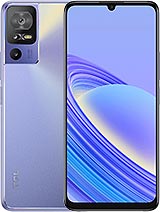
To hit these price targets, the chassis is entirely plastic. While it mimics a premium finish in Twilight Purple, it is prone to micro-scratches. There is no IP rating for water or dust resistance, so users must be cautious in humid or dusty environments. The charging speed is another area of economic restraint. At 18W wired charging, filling the massive 5010 mAh cell takes nearly two and a half hours. If you are a heavy user, you will need to plan your charging cycles around overnight sessions.
The most significant bottleneck is the MediaTek Helio G37. This processor uses eight Cortex-A53 cores, which were already aging by the time this phone hit the shelves. It handles basic navigation and media playback fine, but try to open more than ten tabs in Chrome or run a heavy background sync, and you will see the stutter. It is a processor built for stability and low power draw, not for speed.
The Social Media Camera Test
The 50 MP wide sensor is the heavy lifter here. In bright daylight, the hardware potential is high enough to capture social-media-ready shots with decent color accuracy. However, once you move into an app like Instagram or Snapchat, the Helio G37's Image Signal Processor (ISP) struggles. Shutter lag becomes apparent, and the software-based noise reduction can occasionally smudge fine details in textures like hair or fabric.
For TikTok creators, the 1080p video limit at 30fps is standard for the class, but the lack of electronic stabilization means you need steady hands. The 2MP macro and auxiliary lenses are largely there to fill out the camera island; they don't add significant value to your creative workflow. The 8MP selfie camera is adequate for video calls, but expect some grain in indoor lighting conditions.
Screen Visibility and NXTVISION
TCL uses its proprietary NXTVISION technology to compensate for the 720p resolution. This software layer enhances contrast and sharpens edges in real-time. Outdoor legibility is a challenge; with a typical brightness of 450 nits, viewing the screen in direct April sunlight requires shielding it with your hand. On the flip side, the eye comfort mode is excellent for nighttime reading, reducing blue light without making the screen look overly yellow.
PWM dimming is handled well enough that most users won't experience eye strain at lower brightness levels. It is a panel designed for long-form video consumption. The 20:9 aspect ratio is perfect for modern cinematic content, though you will have black bars on older 16:9 videos. The dual stereo speakers are the real surprise here—they provide a much fuller soundstage than the mono speakers found on most budget rivals, making it a superior portable movie player.
Storage and Media Performance
Having a dedicated microSDXC slot in addition to the 256GB internal storage is a major selling point. For users who hoard offline Spotify playlists or Netflix downloads, this is a fortress. We tested the eMMC 5.1 speeds and found them consistent for the technology, though moving a 10GB 4K file from an external source will take time. It isn't built for high-speed data transfers, but for keeping your entire digital life in your pocket.
Network performance is restricted to LTE Cat4, which caps out at 150 Mbps download. In 2023, this is sufficient for HD streaming and browsing, but don't expect the lightning-fast app updates you'd get with a 5G device. Wi-Fi stability is solid thanks to dual-band support, ensuring you can connect to less congested 5GHz networks at home or in the office.
Performance for the Price
Gaming on the PowerVR GE8320 GPU is a modest affair. Titles like Candy Crush, Subway Surfers, and Roblox run without issue. However, attempting to play Apex Legends Mobile or Genshin Impact even on 'Low' settings results in frequent frame drops. The TCL 40 SE is not a gaming machine. It is a utility device. The side-mounted fingerprint sensor is reliable and fast, which is a better security implementation than the slow under-display optical sensors often found in this price bracket.
The Android 13 software with TCL UI 5.0 is relatively clean. The manufacturer hasn't overloaded the system with aggressive animations that would further tax the G37 processor. This restraint is appreciated. However, long-term software support is a question mark; budget devices in this tier typically receive one major OS update at most, so don't expect to see Android 15 on this handset.
Is It Worth It?
The TCL 40 SE is an easy recommendation for a specific type of buyer: the one who refuses to pay for features they don't use. If you don't care about 5G or mobile gaming but you are tired of 'Storage Full' notifications, this is your best option in early 2023. It prioritizes the screen and the speakers, making it the king of the 'commuter's phone' category. For parents looking for a first phone for a child or seniors who want a large, readable display with loud audio, the value proposition is undeniable. It isn't a powerhouse, but it is a very honest piece of technology.
Technical Specifications
| LAUNCH | |
|---|---|
| Announced | 2023, January 05 |
| Status | Available. Released 2023, April 04 |
| PLATFORM | |
| OS | Android 13, TCL UI 5.0 |
| Chipset | Mediatek MT6765 Helio G37 (12 nm) |
| CPU | Octa-core (4x2.3 GHz Cortex-A53 & 4x1.8 GHz Cortex-A53) |
| GPU | PowerVR GE8320 |
| BODY | |
| Dimensions | 167.9 x 76.5 x 8.5 mm (6.61 x 3.01 x 0.33 in) |
| Weight | 190 g (6.70 oz) |
| Build | Glass front, plastic frame, plastic back |
| SIM | · Nano-SIM· Nano-SIM + Nano-SIM |
| DISPLAY | |
| Type | IPS LCD, 90Hz, 450 nits (typ) |
| Size | 6.75 inches, 110.0 cm2 (~85.6% screen-to-body ratio) |
| Resolution | 720 x 1600 pixels, 20:9 ratio (~260 ppi density) |
| MEMORY | |
| Card slot | microSDXC (dedicated slot) |
| Internal | 128GB 4GB RAM, 256GB 6GB RAM |
| Info | eMMC 5.1 |
| MAIN CAMERA | |
| Triple | 50 MP, f/1.8, 26mm (wide), 1/2.55", 0.7µm, PDAF 2 MP (macro) Auxiliary lens |
| Features | LED flash, HDR, panorama |
| Video | 1080p@30fps |
| SELFIE CAMERA | |
| Single | 8 MP, f/2.0, 26mm (wide), 1/4.0", 1.12µm |
| Features | HDR |
| Video | 1080p@30fps |
| SOUND | |
| Loudspeaker | Yes, with stereo speakers |
| 3.5mm jack | Yes |
| COMMS | |
| WLAN | Wi-Fi 802.11 a/b/g/n/ac, dual-band, Wi-Fi Direct |
| Bluetooth | 5.1, A2DP, LE |
| Positioning | GPS, GLONASS, GALILEO, BDS |
| NFC | Yes (T610K, T610K2, T610P, T610P2) |
| Radio | Unspecified |
| USB | USB Type-C 2.0 |
| NETWORK | |
| Technology | GSM / HSPA / LTE |
| 2G bands | GSM 850 / 900 / 1800 / 1900 |
| 3G bands | HSDPA 850 / 900 / 1900 / 2100 - T610K |
| Info | 1, 2, 3, 4, 5, 7, 8, 12, 13, 17, 28, 38, 40, 66 - T610E, T610P |
| 4G bands | 1, 3, 5, 7, 8, 13, 20, 28, 38, 40, 41 - T610K |
| Speed | HSPA 42.2/11.5 Mbps, LTE Cat4 150/75 Mbps |
| FEATURES | |
| Sensors | Fingerprint (side-mounted), accelerometer, proximity |
| BATTERY | |
| Type | Li-Po 5010 mAh |
| Charging | 18W wired |
| MISC | |
| Colors | Dark grey, Twilight purple |
| Models | T610K |
| Price | About 120 EUR |