The Smart Value Champion - Honor Play9A Offers the Perfect Entry Point for Budget Conscious Families
Overview
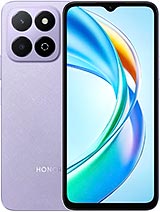
Honor Play9A is an entry-level smartphone featuring a 5200 mAh Li-Po battery for exceptional endurance and a 6.56-inch TFT LCD for standard viewing, aimed at budget-conscious families and students. Released in late 2024, it competes with other low-cost alternatives like the Redmi A3 and [Samsung Galaxy A05](/the-ultimate-hand-me-down-champion-why-the-samsung-galaxy-a05-wins-for-families/), providing a focused set of features for users who prioritize longevity over raw processing speed.
The construction of the Honor Play9A leans heavily into the utility of polycarbonate. Weighing in at 194 grams, the handset offers a substantial presence in the hand without the fragility associated with glass-backed premium models. This choice of material serves a specific economic purpose: it resists shattering upon impact, making the device a primary candidate for younger users or those in rugged work environments. The 8.7 mm thickness allows for a comfortable grip, while the plastic frame acts as a natural shock absorber.
From a repair perspective, the use of standard screws and a non-unibody interior structure implies that battery replacements or screen repairs might be less complex than in flagship counterparts. This longevity-focused design philosophy ensures that the handset can survive multiple years of service as a primary device or eventually transition into a secondary role for a family member. While it lacks an official IP rating, the tight tolerances of the plastic housing suggest standard protection against minor splashes.
Compared to the previous generation of entry-level devices, this model maintains a classic aesthetic with its Ocean Blue and Starry Purple finishes. These colors are applied with a finish that, while prone to some smudging, hides micro-abrasions better than polished metal. The side-mounted fingerprint sensor is integrated into the power button, providing a mechanical solution that is often more reliable than the under-display sensors found in [mid-range phones](/trend/best-mid-range-phones-2026/).
Operating on Android 14 with MagicOS 8, the software experience is tailored for stability. The user interface includes a dedicated Simple Mode, which is a critical feature for senior users who may find complex navigation menus daunting. By enlarging icons and simplifying the settings menu, the handset becomes an accessible tool rather than a source of technological frustration. This UI optimization is crucial because the Mediatek Helio G36 chipset is not designed for heavy multitasking.
MagicOS 8 introduces minor AI-driven optimizations that manage background processes to keep the 4GB of RAM from becoming a bottleneck during daily use. It is important to understand that the Helio G36 uses an octa-core configuration consisting of Cortex-A53 cores. These cores are designed for energy efficiency rather than peak performance. For those unfamiliar with the term, Cortex-A53 is an architecture that prioritizes saving battery life over executing heavy computations, which explains why the device remains cool even during extended video playback sessions.
When compared to more aggressive software skins, MagicOS 8 remains relatively lightweight. It avoids the heavy animations that often cause stuttering on budget hardware. This makes the phone feel more responsive in basic apps like WhatsApp, Facebook, or the web browser. The inclusion of the shared microSDXC slot is another nod to value, allowing families to expand the 64GB or 128GB internal storage without needing to purchase a more expensive model upfront.
Many modern devices have removed the 3.5mm headphone jack, but this handset retains it, which is a major win for budget hunters. For parents buying this for a child, it means they can use cheap, reliable wired headphones instead of expensive wireless earbuds that are easily lost. Furthermore, the presence of a dedicated FM radio chip provides entertainment and news access without the need for a data plan, a feature that is increasingly rare in 2024.
The 13 MP main camera with an f/1.8 aperture is a functional tool rather than a professional instrument. In well-lit environments, the sensor provides the hardware potential to capture clear family photos and document school assignments. The auxiliary lens assists the software in calculating depth for basic portrait modes. While it won't rival the clarity of a flagship, the 1080p video recording is sufficient for social media updates and video calls.
Connectivity is handled by 4G LTE and dual-band Wi-Fi. In an era where 5G is the marketing focus, 4G remains the backbone of affordable mobile networks. The dual-band Wi-Fi support is particularly important, as it allows the phone to connect to the less congested 5GHz band on home routers, ensuring faster app downloads and smoother video streaming compared to devices that only support 2.4GHz Wi-Fi.
During extended usage, the glossy finish of the back panel will inevitably attract oils. For a device intended for family use, we recommend a simple TPU case. The 6.56-inch display uses a 720 x 1612 resolution, which results in approximately 269 ppi. This pixel density is sufficient for reading text clearly, though those used to 1080p screens will notice a slight lack of sharpness in high-definition images. The TFT LCD technology provides decent viewing angles, though it lacks the deep blacks of OLED panels.
The screen-to-body ratio of approximately 83.2% is achieved via a small waterdrop notch for the 5 MP selfie camera. While the bottom bezel is noticeably thicker than on more expensive models, it provides a resting place for the thumb during landscape viewing, preventing accidental screen touches. This ergonomics-first approach is typical of the Honor Play series, prioritizing usability over the pursuit of razor-thin bezels.
The single bottom-firing loudspeaker is designed for clarity in voice calls and notifications rather than high-fidelity music playback. It reaches a decent volume, ensuring that alarms and ringtones are audible even in noisy environments. For a better audio experience, the Bluetooth 5.1 support allows for stable connections with external speakers or car audio systems.
The true centerpiece of this model is the 5200 mAh battery. In our analysis of the budget sector, this capacity combined with the low-power Helio G36 chipset and 720p screen leads to remarkable endurance. Most users can expect two days of moderate use on a single charge. This makes the handset an excellent choice for elderly relatives who might forget to charge their phone daily, or for students who need a device that can last an entire day of classes and extracurricular activities.
Charging is performed via USB Type-C 2.0, which is the modern standard, though the charging speed is limited compared to mid-range alternatives. Users should expect a full charge to take roughly two hours. However, the trade-off is battery health; slower charging often results in less heat and less long-term degradation of the lithium-polymer cells, potentially extending the life of the phone by several years.
When evaluating the total cost of ownership, the Honor Play9A presents a compelling economic case. It does not try to be a gaming powerhouse or a professional camera. Instead, it focuses on being a reliable communication tool with enough battery life to outlast almost everything in its price bracket. For a family looking for a first phone for a child or a dependable device for a senior, it offers the essential modern features of Android 14 in a durable, easy-to-use package. The Honor Play9A is a testament to the idea that at 80 Euros, reliability is the most important feature of all.
Durable Architecture and Repair Practicality
The construction of the Honor Play9A leans heavily into the utility of polycarbonate. Weighing in at 194 grams, the handset offers a substantial presence in the hand without the fragility associated with glass-backed premium models. This choice of material serves a specific economic purpose: it resists shattering upon impact, making the device a primary candidate for younger users or those in rugged work environments. The 8.7 mm thickness allows for a comfortable grip, while the plastic frame acts as a natural shock absorber.
From a repair perspective, the use of standard screws and a non-unibody interior structure implies that battery replacements or screen repairs might be less complex than in flagship counterparts. This longevity-focused design philosophy ensures that the handset can survive multiple years of service as a primary device or eventually transition into a secondary role for a family member. While it lacks an official IP rating, the tight tolerances of the plastic housing suggest standard protection against minor splashes.
Compared to the previous generation of entry-level devices, this model maintains a classic aesthetic with its Ocean Blue and Starry Purple finishes. These colors are applied with a finish that, while prone to some smudging, hides micro-abrasions better than polished metal. The side-mounted fingerprint sensor is integrated into the power button, providing a mechanical solution that is often more reliable than the under-display sensors found in [mid-range phones](/trend/best-mid-range-phones-2026/).
Software Simplicity and MagicOS 8
Operating on Android 14 with MagicOS 8, the software experience is tailored for stability. The user interface includes a dedicated Simple Mode, which is a critical feature for senior users who may find complex navigation menus daunting. By enlarging icons and simplifying the settings menu, the handset becomes an accessible tool rather than a source of technological frustration. This UI optimization is crucial because the Mediatek Helio G36 chipset is not designed for heavy multitasking.
MagicOS 8 introduces minor AI-driven optimizations that manage background processes to keep the 4GB of RAM from becoming a bottleneck during daily use. It is important to understand that the Helio G36 uses an octa-core configuration consisting of Cortex-A53 cores. These cores are designed for energy efficiency rather than peak performance. For those unfamiliar with the term, Cortex-A53 is an architecture that prioritizes saving battery life over executing heavy computations, which explains why the device remains cool even during extended video playback sessions.
When compared to more aggressive software skins, MagicOS 8 remains relatively lightweight. It avoids the heavy animations that often cause stuttering on budget hardware. This makes the phone feel more responsive in basic apps like WhatsApp, Facebook, or the web browser. The inclusion of the shared microSDXC slot is another nod to value, allowing families to expand the 64GB or 128GB internal storage without needing to purchase a more expensive model upfront.
Underrated Hardware Assets
Many modern devices have removed the 3.5mm headphone jack, but this handset retains it, which is a major win for budget hunters. For parents buying this for a child, it means they can use cheap, reliable wired headphones instead of expensive wireless earbuds that are easily lost. Furthermore, the presence of a dedicated FM radio chip provides entertainment and news access without the need for a data plan, a feature that is increasingly rare in 2024.
The 13 MP main camera with an f/1.8 aperture is a functional tool rather than a professional instrument. In well-lit environments, the sensor provides the hardware potential to capture clear family photos and document school assignments. The auxiliary lens assists the software in calculating depth for basic portrait modes. While it won't rival the clarity of a flagship, the 1080p video recording is sufficient for social media updates and video calls.
Connectivity is handled by 4G LTE and dual-band Wi-Fi. In an era where 5G is the marketing focus, 4G remains the backbone of affordable mobile networks. The dual-band Wi-Fi support is particularly important, as it allows the phone to connect to the less congested 5GHz band on home routers, ensuring faster app downloads and smoother video streaming compared to devices that only support 2.4GHz Wi-Fi.
The Fingerprint Magnet Test and Handling
During extended usage, the glossy finish of the back panel will inevitably attract oils. For a device intended for family use, we recommend a simple TPU case. The 6.56-inch display uses a 720 x 1612 resolution, which results in approximately 269 ppi. This pixel density is sufficient for reading text clearly, though those used to 1080p screens will notice a slight lack of sharpness in high-definition images. The TFT LCD technology provides decent viewing angles, though it lacks the deep blacks of OLED panels.
The screen-to-body ratio of approximately 83.2% is achieved via a small waterdrop notch for the 5 MP selfie camera. While the bottom bezel is noticeably thicker than on more expensive models, it provides a resting place for the thumb during landscape viewing, preventing accidental screen touches. This ergonomics-first approach is typical of the Honor Play series, prioritizing usability over the pursuit of razor-thin bezels.
Audio Performance and Endurance
The single bottom-firing loudspeaker is designed for clarity in voice calls and notifications rather than high-fidelity music playback. It reaches a decent volume, ensuring that alarms and ringtones are audible even in noisy environments. For a better audio experience, the Bluetooth 5.1 support allows for stable connections with external speakers or car audio systems.
The true centerpiece of this model is the 5200 mAh battery. In our analysis of the budget sector, this capacity combined with the low-power Helio G36 chipset and 720p screen leads to remarkable endurance. Most users can expect two days of moderate use on a single charge. This makes the handset an excellent choice for elderly relatives who might forget to charge their phone daily, or for students who need a device that can last an entire day of classes and extracurricular activities.
Charging is performed via USB Type-C 2.0, which is the modern standard, though the charging speed is limited compared to mid-range alternatives. Users should expect a full charge to take roughly two hours. However, the trade-off is battery health; slower charging often results in less heat and less long-term degradation of the lithium-polymer cells, potentially extending the life of the phone by several years.
The Family Conclusion
When evaluating the total cost of ownership, the Honor Play9A presents a compelling economic case. It does not try to be a gaming powerhouse or a professional camera. Instead, it focuses on being a reliable communication tool with enough battery life to outlast almost everything in its price bracket. For a family looking for a first phone for a child or a dependable device for a senior, it offers the essential modern features of Android 14 in a durable, easy-to-use package. The Honor Play9A is a testament to the idea that at 80 Euros, reliability is the most important feature of all.
Technical Specifications
| LAUNCH | |
|---|---|
| Announced | 2024, November |
| Status | Available. Released 2024, November |
| PLATFORM | |
| OS | Android 14, MagicOS 8 |
| Chipset | Mediatek Helio G36 (12 nm) |
| CPU | Octa-core (4x2.2 GHz Cortex-A53 & 4x1.6 GHz Cortex-A53) |
| GPU | PowerVR GE8320 |
| BODY | |
| Dimensions | 163.9 x 75.8 x 8.7 mm (6.45 x 2.98 x 0.34 in) |
| Weight | 194 g (6.84 oz) |
| SIM | Nano-SIM + Nano-SIM |
| DISPLAY | |
| Type | TFT LCD |
| Size | 6.56 inches, 103.4 cm2 (~83.2% screen-to-body ratio) |
| Resolution | 720 x 1612 pixels, 20:9 ratio (~269 ppi density) |
| MEMORY | |
| Card slot | microSDXC (uses shared SIM slot) |
| Internal | 64GB 4GB RAM, 128GB 4GB RAM, 256GB 4GB RAM |
| MAIN CAMERA | |
| Single | 13 MP, f/1.8, (wide) Auxiliary lens |
| Features | LED flash |
| Video | 1080p@30fps |
| SELFIE CAMERA | |
| Single | 5 MP, f/2.2, (wide) |
| Video | 1080p@30fps |
| SOUND | |
| Loudspeaker | Yes |
| 3.5mm jack | Yes |
| COMMS | |
| WLAN | Wi-Fi 802.11 a/b/g/n/ac, dual-band, Wi-Fi Direct |
| Bluetooth | 5.1, A2DP, LE |
| Positioning | GPS, GLONASS, GALILEO, BDS |
| NFC | No |
| Radio | FM radio |
| USB | USB Type-C 2.0, OTG |
| NETWORK | |
| Technology | GSM / HSPA / LTE |
| 2G bands | GSM 850 / 900 / 1800 / 1900 |
| 3G bands | HSDPA 850 / 900 / 1900 / 2100 |
| 4G bands | LTE |
| Speed | HSPA, LTE |
| FEATURES | |
| Sensors | Fingerprint (side-mounted), accelerometer, proximity |
| BATTERY | |
| Type | Li-Po 5200 mAh |
| MISC | |
| Colors | Ocean Blue, Starry Purple |
| Models | GFY-LX3 |
| Price | About 80 EUR |