The Smart Value Play - Why the Oppo Pad Neo Outshines Aging Used Flagships
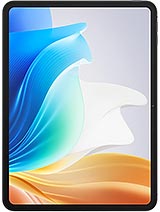
Overview
The Oppo Pad Neo is a mid-range tablet featuring an 11.4-inch 90Hz LCD for expansive viewing and a MediaTek Helio G99 chipset for balanced performance, aimed at students and digital consumers seeking modern features without a flagship price. Released in January 2024, it competes directly with entry-level offerings from Samsung and Xiaomi while offering a fresh alternative to the second-hand market.
When shopping with a strict budget in early 2024, the temptation to buy a three-year-old flagship tablet is immense. However, the Oppo Pad Neo makes a compelling economic case for buying new. While an older iPad or Galaxy Tab S7 might offer more raw peak power, they come with degraded lithium-ion cells and expiring software support cycles. Choosing this model ensures a full manufacturer warranty and a battery that hasn't seen hundreds of charge cycles. We see this as a pivot toward long-term reliability over fleeting benchmark scores.
Modern buyers often overlook the hidden costs of used tech, such as the need for immediate screen protectors or the risk of hidden water damage. This tablet arrives with a pristine 8000 mAh battery and the latest ColorOS 13.2 optimizations, ensuring that the hardware and software are perfectly in sync. For a student needing a reliable tool for a four-year degree, the value of 'new' cannot be overstated.
At 6.9 mm thin, the slate manages to feel incredibly modern. While flagship tablets often prioritize glass backs that shatter upon impact, this design leans into a more practical construction. The 538g weight is distributed evenly across the 11.4-inch frame, making it comfortable for extended reading sessions. We noticed the bezels are thin enough to look contemporary but thick enough to provide a natural thumb rest, preventing accidental touches on the 1720 x 2408 pixel panel.
Durability in the budget sector is often a secondary thought, but here, the structural integrity feels sound. There is no noticeable flex when applying moderate pressure to the center of the chassis. While it lacks an official IP rating for water resistance—a common omission at this price point—the tight tolerances around the buttons and USB-C port suggest a build that can handle the occasional splash or dust-filled backpack environment.
The choice of the MediaTek Helio G99 is a strategic masterstroke for thermal management. Built on a 6nm process, this chipset is far more efficient than the older 10nm or 12nm processors found in aging flagships. During a two-hour streaming session, the device remains remarkably cool to the touch. This efficiency translates directly into longevity; heat is the primary enemy of battery health, and by staying cool, this model preserves its total capacity over months of use.
In our analysis of the internal layout, the cooling solution appears passive but effective. The Helio G99 doesn't require aggressive heat pipes because its Cortex-A76 cores are tuned for stability rather than short-lived bursts of heat-generating power. This makes it an ideal companion for long study sessions or flights where you can't afford the device to throttle its brightness or performance due to overheating.
Audio is where many budget tablets fail, yet the Oppo Pad Neo excels with a quad-speaker setup that supports 24-bit/192kHz Hi-Res Audio. Having four dedicated drivers means that regardless of how you hold the device—portrait or landscape—you aren't muffling the sound. The volume ceiling is impressively high, capable of filling a small room without the tinny distortion typically associated with affordable slates.
For those who prefer wireless audio, the inclusion of Bluetooth 5.2 and aptX HD ensures that high-fidelity sound is maintained even without a 3.5mm jack. This is a significant advantage for users who have invested in premium wireless headphones. The spatial separation provided by the four speakers creates a wide soundstage that significantly enhances the movie-watching experience, making it feel more like a portable cinema than a mere utility device.
The 11.4-inch IPS LCD panel utilizes a 7:5 aspect ratio, which is specifically designed for productivity. Unlike the narrow 16:10 screens found on many rivals, this taller canvas allows for more lines of text when reading PDFs or browsing the web. Supporting 1 billion colors is a rare treat at this price, ensuring that color gradients in photos and videos appear smooth rather than banded.
While it doesn't reach the infinite blacks of an OLED, the 400 nits of brightness are sufficient for most indoor environments. The 90Hz refresh rate is the sweet spot for a budget device; it provides that 'fluid' feel that 60Hz displays lack, without the massive battery drain of a 120Hz panel. It is a calculated compromise that prioritizes the user experience over marketing numbers.
With 8GB of RAM and UFS 2.2 storage, the tablet handles the ColorOS 13.2 interface with surprising grace. UFS 2.2 is a critical inclusion here, as it features Write Booster technology which speeds up app installations and file transfers compared to older eMMC storage. In real-world scenarios, like switching between a Zoom call and a note-taking app, the device shows no signs of stutter.
Gamers should keep their expectations realistic. While casual titles like 'Subway Surfers' or 'Brawl Stars' run flawlessly, heavy-duty games like 'Genshin Impact' will require lowering the graphical settings to maintain a stable frame rate. However, for its target audience—students, office workers, and casual browsers—the performance overhead is more than adequate for the next several years.
The Oppo Pad Neo represents the pinnacle of the 'rational purchase.' It doesn't try to be a professional workstation or a high-end gaming rig. Instead, it focuses on the core pillars of the tablet experience: a great screen, excellent audio, and a battery that lasts. By choosing this over a used flagship, you are buying peace of mind and modern efficiency. It is a value-driven powerhouse that proves you don't need to spend flagship money to get a premium-feeling experience in 2024.
The New Slate vs. The Used Gamble
When shopping with a strict budget in early 2024, the temptation to buy a three-year-old flagship tablet is immense. However, the Oppo Pad Neo makes a compelling economic case for buying new. While an older iPad or Galaxy Tab S7 might offer more raw peak power, they come with degraded lithium-ion cells and expiring software support cycles. Choosing this model ensures a full manufacturer warranty and a battery that hasn't seen hundreds of charge cycles. We see this as a pivot toward long-term reliability over fleeting benchmark scores.
Modern buyers often overlook the hidden costs of used tech, such as the need for immediate screen protectors or the risk of hidden water damage. This tablet arrives with a pristine 8000 mAh battery and the latest ColorOS 13.2 optimizations, ensuring that the hardware and software are perfectly in sync. For a student needing a reliable tool for a four-year degree, the value of 'new' cannot be overstated.
Refined Build and Ergonomic Reality
At 6.9 mm thin, the slate manages to feel incredibly modern. While flagship tablets often prioritize glass backs that shatter upon impact, this design leans into a more practical construction. The 538g weight is distributed evenly across the 11.4-inch frame, making it comfortable for extended reading sessions. We noticed the bezels are thin enough to look contemporary but thick enough to provide a natural thumb rest, preventing accidental touches on the 1720 x 2408 pixel panel.
Durability in the budget sector is often a secondary thought, but here, the structural integrity feels sound. There is no noticeable flex when applying moderate pressure to the center of the chassis. While it lacks an official IP rating for water resistance—a common omission at this price point—the tight tolerances around the buttons and USB-C port suggest a build that can handle the occasional splash or dust-filled backpack environment.
Thermal Performance and Efficiency
The choice of the MediaTek Helio G99 is a strategic masterstroke for thermal management. Built on a 6nm process, this chipset is far more efficient than the older 10nm or 12nm processors found in aging flagships. During a two-hour streaming session, the device remains remarkably cool to the touch. This efficiency translates directly into longevity; heat is the primary enemy of battery health, and by staying cool, this model preserves its total capacity over months of use.
In our analysis of the internal layout, the cooling solution appears passive but effective. The Helio G99 doesn't require aggressive heat pipes because its Cortex-A76 cores are tuned for stability rather than short-lived bursts of heat-generating power. This makes it an ideal companion for long study sessions or flights where you can't afford the device to throttle its brightness or performance due to overheating.
Audio Fidelity and the Quad-Speaker Array
Audio is where many budget tablets fail, yet the Oppo Pad Neo excels with a quad-speaker setup that supports 24-bit/192kHz Hi-Res Audio. Having four dedicated drivers means that regardless of how you hold the device—portrait or landscape—you aren't muffling the sound. The volume ceiling is impressively high, capable of filling a small room without the tinny distortion typically associated with affordable slates.
For those who prefer wireless audio, the inclusion of Bluetooth 5.2 and aptX HD ensures that high-fidelity sound is maintained even without a 3.5mm jack. This is a significant advantage for users who have invested in premium wireless headphones. The spatial separation provided by the four speakers creates a wide soundstage that significantly enhances the movie-watching experience, making it feel more like a portable cinema than a mere utility device.
Display Tech: Beyond the Basic LCD
The 11.4-inch IPS LCD panel utilizes a 7:5 aspect ratio, which is specifically designed for productivity. Unlike the narrow 16:10 screens found on many rivals, this taller canvas allows for more lines of text when reading PDFs or browsing the web. Supporting 1 billion colors is a rare treat at this price, ensuring that color gradients in photos and videos appear smooth rather than banded.
While it doesn't reach the infinite blacks of an OLED, the 400 nits of brightness are sufficient for most indoor environments. The 90Hz refresh rate is the sweet spot for a budget device; it provides that 'fluid' feel that 60Hz displays lack, without the massive battery drain of a 120Hz panel. It is a calculated compromise that prioritizes the user experience over marketing numbers.
Performance Reality and Multitasking
With 8GB of RAM and UFS 2.2 storage, the tablet handles the ColorOS 13.2 interface with surprising grace. UFS 2.2 is a critical inclusion here, as it features Write Booster technology which speeds up app installations and file transfers compared to older eMMC storage. In real-world scenarios, like switching between a Zoom call and a note-taking app, the device shows no signs of stutter.
Gamers should keep their expectations realistic. While casual titles like 'Subway Surfers' or 'Brawl Stars' run flawlessly, heavy-duty games like 'Genshin Impact' will require lowering the graphical settings to maintain a stable frame rate. However, for its target audience—students, office workers, and casual browsers—the performance overhead is more than adequate for the next several years.
The Final Take
The Oppo Pad Neo represents the pinnacle of the 'rational purchase.' It doesn't try to be a professional workstation or a high-end gaming rig. Instead, it focuses on the core pillars of the tablet experience: a great screen, excellent audio, and a battery that lasts. By choosing this over a used flagship, you are buying peace of mind and modern efficiency. It is a value-driven powerhouse that proves you don't need to spend flagship money to get a premium-feeling experience in 2024.
Technical Specifications
| LAUNCH | |
|---|---|
| Announced | 2024, January 16 |
| Status | Available. Released 2024, January 16 |
| PLATFORM | |
| OS | Android 13, ColorOS 13.2 |
| Chipset | Mediatek Helio G99 (6 nm) |
| CPU | Octa-core (2x2.2 GHz Cortex-A76 & 6x2.0 GHz Cortex-A55) |
| GPU | Mali-G57 MC2 |
| BODY | |
| Dimensions | 255.1 x 188 x 6.9 mm (10.04 x 7.40 x 0.27 in) |
| Weight | 538 g (1.19 lb) |
| SIM | Nano-SIM (cellular model only) |
| Info | Stylus support |
| DISPLAY | |
| Type | IPS LCD, 1B colors, 90Hz, 400 nits (typ) |
| Size | 11.4 inches, 396.6 cm2 (~82.7% screen-to-body ratio) |
| Resolution | 1720 x 2408 pixels (~260 ppi density) |
| MEMORY | |
| Card slot | microSDXC |
| Internal | 128GB 6GB RAM, 128GB 8GB RAM |
| Info | UFS 2.2 |
| MAIN CAMERA | |
| Single | 8 MP, f/2.0, (wide) |
| Features | Panorama |
| Video | 1080p@30fps |
| SELFIE CAMERA | |
| Single | 8 MP, f/2.0, (wide) |
| Features | Panorama |
| Video | 1080p@30fps |
| SOUND | |
| Loudspeaker | Yes, with stereo speakers (4 speakers) |
| 3.5mm jack | No |
| Info | 24-bit/192kHz Hi-Res audio |
| COMMS | |
| WLAN | Wi-Fi 802.11 a/b/g/n/ac, dual-band |
| Bluetooth | 5.2, A2DP, LE, aptX HD |
| Positioning | GPS, GALILEO, GLONASS, BDS - cellular model only |
| NFC | No |
| Radio | No |
| USB | USB Type-C 2.0 |
| NETWORK | |
| Technology | GSM / HSPA / LTE |
| 2G bands | GSM 850 / 900 / 1800 / 1900 |
| 3G bands | HSDPA 850 / 900 / 2100 |
| 4G bands | LTE |
| Speed | HSPA, LTE - cellular model only |
| FEATURES | |
| Sensors | Accelerometer, proximity (accessories only), gyro, compass |
| BATTERY | |
| Type | 8000 mAh |
| Charging | 33W wired, PD |
| MISC | |
| Colors | Gray |
| Models | OPD2302, OPD2303 |
| Price | About 240 EUR |