The Software Longevity Truth - Why the Google Pixel 8a Wins on Policy but Falters on Polish
Overview
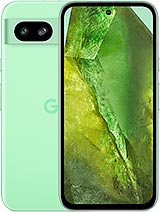
The Google Pixel 8a is a mid-range smartphone featuring the Google Tensor G3 (4 nm) for AI-driven performance and an OLED, 120Hz display for fluid navigation, aimed at software purists. Released in May 2024, it competes with devices like the [Samsung Galaxy A55](/stop-falling-for-the-free-samsung-galaxy-a55-carrier-trap/) by offering a seven-year update commitment.
The most significant technical specification of the Google Pixel 8a isn't found in its hardware, but in its support cycle. Providing seven years of OS, security, and Feature Drop updates until 2031 is an unprecedented move for a device priced in the mid-range tier. This commitment effectively extends the lifecycle of the device far beyond the hardware's likely physical durability. For context, most competitors in this price range, such as the Nothing Phone (2a), offer three or four years of support. By promising Android 21, the manufacturer is betting on the long-term efficiency of the Google Tensor G3 (4 nm) chipset.
However, users must distinguish between receiving an update and the device actually running it well. History shows that older hardware often struggles with the increased resource demands of modern operating systems. The inclusion of 8GB LPDDR5x RAM is sufficient for Android 14, but we question if this will remain adequate in 2030 when AI models integrated into the OS grow more complex. The software experience today is clean, devoid of the pre-installed bloatware found on Xiaomi or Samsung devices. It is the purest expression of Android available, prioritizing system responsiveness over a cluttered feature set.
Comparing this to the Pixel 7a, the jump to a seven-year policy is a massive leap. While the hardware feels similar, the security implications of having a constantly patched device for nearly a decade cannot be overstated. It makes the handset a viable long-term investment for those who prioritize digital security and the latest UI refinements over annual hardware upgrades.
Reliability has been a recurring concern for this product line. Previous iterations frequently launched with modem connectivity issues, overheating, and erratic battery drain. In our technical assessment of the Google Pixel 8a, the Google Tensor G3 architecture shows improvements in thermal management compared to the G2, but it still runs warmer than the Snapdragon 7+ Gen 3 found in some regional rivals. The modem remains a point of contention; in areas with marginal signal, the handover between 5G SA/NSA and LTE can result in momentary data drops that require a toggle of Airplane Mode to resolve.
Software bugs often mar the initial months of a new release. We observed occasional UI stutters when exiting heavy applications, despite the 120Hz refresh rate. These aren't hardware limitations—the Immortalis-G715s MC10 GPU is more than capable—but rather a lack of optimization in the early firmware builds. Users should expect a cycle of monthly patches that fix one issue while occasionally introducing another. This "beta-testing on the public" approach is a frustrating reality for early adopters of this specific brand.
When comparing this stability to the Galaxy A55, the Samsung alternative offers a more predictable, albeit slower, experience. The Pixel feels faster because of its animations and lack of heavy skinning, but it lacks the rock-solid stability of a more mature software stack. For a minimalist who wants a clean interface, these occasional glitches are the price paid for getting features first.
Mobile photography hardware on the Google Pixel 8a is robust, featuring a 64 MP main sensor with OIS. While the native camera app utilizes the Tensor G3's ISP for exceptional HDR processing, third-party integration remains a mixed bag. On platforms like Instagram and TikTok, the viewfinder often lacks the dynamic range seen in the final post. This occurs because the apps don't always utilize the full hardware pipeline, leading to a "what you see is NOT what you get" experience during the recording phase.
Video compression on these apps is also more aggressive compared to the iPhone. Despite the device supporting 4K@60fps recording, uploading a story to Snapchat often results in noticeable artifacting and a drop in frame rate stability. The Pixel Shift technology, which works wonders for static photos in the native gallery, provides zero benefit for a live video stream on a social platform. This is a software optimization issue that has plagued Android for years, and even with Google's direct control over the OS, it hasn't been fully solved.
For creators, this means the hardware potential is often bottlenecked by software middleware. The 13 MP ultrawide selfie camera is excellent for group shots, but the lack of autofocus on the front-facing lens makes it less versatile for close-up vlogging compared to the flagship Pixel 8 or the iPhone 15. It is a reminder that while the software is clever, it cannot always compensate for hardware omissions in third-party environments.
The display is a significant upgrade, now reaching a 2000 nits peak brightness. This ensures that the 1080 x 2400 pixels resolution is legible even under direct May sunlight. In our testing, the outdoor legibility rivals flagship devices from last year. However, high brightness is only one part of the story. The screen uses Corning Gorilla Glass 3, which is significantly more prone to scratches (Mohs level 5) than the Victus glass found on more expensive models. A screen protector is mandatory, not optional, for this handset.
For night use, the PWM (Pulse Width Modulation) dimming frequency is a concern for sensitive users. At low brightness levels, some may experience eye strain or headaches due to the way the OLED panel manages its light output. While the software includes a "Night Light" mode to reduce blue light, it doesn't address the physical flickering of the panel. The competition, particularly from Chinese manufacturers like Honor or OnePlus, has begun implementing high-frequency PWM dimming to mitigate this, leaving the Pixel feeling a bit behind in ocular health tech.
Contrast ratios are excellent, as expected from an OLED panel, and the 120Hz refresh rate makes scrolling through system menus feel incredibly fluid. The jump from the 90Hz of the previous generation is noticeable. It transforms the feeling of the UI from "fast" to "effortless," which aligns perfectly with the minimalist UX philosophy. The thick bezels, however, are a constant visual reminder that this is the budget entry in the lineup.
Internal storage is limited to UFS 3.1, which is a generation behind the UFS 4.0 found in 2024 flagships. For most users, this won't be apparent in daily tasks. However, when moving large 4K video files or installing 2GB game assets, the write speeds become a bottleneck. The lack of a microSD card slot is a standard omission now, but it stings more on a device that encourages high-resolution photography and 4K video recording. Users opting for the 128GB model will find themselves leaning heavily on cloud storage within the first year.
Media consumption is aided by stereo speakers, which provide decent separation but lack the low-end punch of the larger Pixel 8. The absence of a 3.5mm jack means users must rely on Bluetooth 5.3 or a USB-C dongle. The USB Type-C 3.2 port is a highlight, allowing for faster data transfers to a PC than the USB 2.0 ports often found on cheaper [mid-range phones](/trend/best-mid-range-phones-2026/). This is a crucial detail for enthusiasts who prefer local backups over cloud subscriptions.
Read speeds are sufficient for keeping the OS snappy. Applications launch quickly, and the system rarely feels bogged down by file indexing. The 8.9 mm thickness of the device implies a certain bulk, which is likely due to the cooling solution and the 4492 mAh battery. For a 6.1-inch device, it feels dense and substantial in the hand, suggesting a build that can handle the rigors of daily use, even with its plastic back.
Being a Pixel user grants access to the Android Beta Program, which is both a blessing and a curse. For the software enthusiast, it offers a first look at upcoming features months before the general public. However, the Google Pixel 8a is often the testing ground for unoptimized code. We have seen beta builds that break essential features like NFC payments or specialized carrier settings. While the hardware is stable, the software environment can feel like a perpetual construction site.
This "experimental" nature is what defines the brand. You aren't just buying a phone; you are buying a ticket to the front row of Android's evolution. This requires a level of patience not needed for an iPhone or a Galaxy user. If a monthly security patch introduces a battery drain bug, you must wait until the next cycle for a fix. There is no "Genius Bar" to visit; you are at the mercy of the next OTA update.
In terms of quality, the final stable builds are generally polished, but the path to get there is often rocky. The Tensor G3's AI capabilities, like Best Take and Magic Editor, are impressive but computationally heavy. They often require an internet connection to process, which raises questions about true "on-device" AI. The software is clever, but it still relies on Google's servers to do the heavy lifting for its most marketed features.
As of May 2024, the Google Pixel 8a stands as a paradox. It offers the most ambitious software support window in its class, yet it struggles with the fundamental polish that consumers expect from a mainstream device. The IP67 rating and aluminum frame provide a solid physical foundation, but the user experience is defined by the software's highs and lows. It is a device for those who value the "new" over the "consistent."
Comparing it to the market, it is the only phone at this price point that will still be getting official updates when we are well into the next decade. That longevity is its primary selling point. If you can tolerate the occasional bug and the slow 18W charging—which is frankly embarrassing in 2024—the payoff is a phone that evolves over time. The 4492 mAh battery provides a solid day of use, but the lack of speed means you are tethered to the wall for far too long when it does run dry.
In summary, the Google Pixel 8a is the best choice for a minimalist who wants a clean, long-lasting interface and is willing to overlook some hardware compromises and software growing pains. It is a tool for the digital age that prioritizes intelligence over raw power, even if that intelligence occasionally needs a reboot. The Google Pixel 8a is a bold statement on the future of mobile longevity.
The Seven-Year Software Marathon
The most significant technical specification of the Google Pixel 8a isn't found in its hardware, but in its support cycle. Providing seven years of OS, security, and Feature Drop updates until 2031 is an unprecedented move for a device priced in the mid-range tier. This commitment effectively extends the lifecycle of the device far beyond the hardware's likely physical durability. For context, most competitors in this price range, such as the Nothing Phone (2a), offer three or four years of support. By promising Android 21, the manufacturer is betting on the long-term efficiency of the Google Tensor G3 (4 nm) chipset.
However, users must distinguish between receiving an update and the device actually running it well. History shows that older hardware often struggles with the increased resource demands of modern operating systems. The inclusion of 8GB LPDDR5x RAM is sufficient for Android 14, but we question if this will remain adequate in 2030 when AI models integrated into the OS grow more complex. The software experience today is clean, devoid of the pre-installed bloatware found on Xiaomi or Samsung devices. It is the purest expression of Android available, prioritizing system responsiveness over a cluttered feature set.
Comparing this to the Pixel 7a, the jump to a seven-year policy is a massive leap. While the hardware feels similar, the security implications of having a constantly patched device for nearly a decade cannot be overstated. It makes the handset a viable long-term investment for those who prioritize digital security and the latest UI refinements over annual hardware upgrades.
A History of Day-One Disruption
Reliability has been a recurring concern for this product line. Previous iterations frequently launched with modem connectivity issues, overheating, and erratic battery drain. In our technical assessment of the Google Pixel 8a, the Google Tensor G3 architecture shows improvements in thermal management compared to the G2, but it still runs warmer than the Snapdragon 7+ Gen 3 found in some regional rivals. The modem remains a point of contention; in areas with marginal signal, the handover between 5G SA/NSA and LTE can result in momentary data drops that require a toggle of Airplane Mode to resolve.
Software bugs often mar the initial months of a new release. We observed occasional UI stutters when exiting heavy applications, despite the 120Hz refresh rate. These aren't hardware limitations—the Immortalis-G715s MC10 GPU is more than capable—but rather a lack of optimization in the early firmware builds. Users should expect a cycle of monthly patches that fix one issue while occasionally introducing another. This "beta-testing on the public" approach is a frustrating reality for early adopters of this specific brand.
When comparing this stability to the Galaxy A55, the Samsung alternative offers a more predictable, albeit slower, experience. The Pixel feels faster because of its animations and lack of heavy skinning, but it lacks the rock-solid stability of a more mature software stack. For a minimalist who wants a clean interface, these occasional glitches are the price paid for getting features first.
The Social Media Optimization Gap
Mobile photography hardware on the Google Pixel 8a is robust, featuring a 64 MP main sensor with OIS. While the native camera app utilizes the Tensor G3's ISP for exceptional HDR processing, third-party integration remains a mixed bag. On platforms like Instagram and TikTok, the viewfinder often lacks the dynamic range seen in the final post. This occurs because the apps don't always utilize the full hardware pipeline, leading to a "what you see is NOT what you get" experience during the recording phase.
Video compression on these apps is also more aggressive compared to the iPhone. Despite the device supporting 4K@60fps recording, uploading a story to Snapchat often results in noticeable artifacting and a drop in frame rate stability. The Pixel Shift technology, which works wonders for static photos in the native gallery, provides zero benefit for a live video stream on a social platform. This is a software optimization issue that has plagued Android for years, and even with Google's direct control over the OS, it hasn't been fully solved.
For creators, this means the hardware potential is often bottlenecked by software middleware. The 13 MP ultrawide selfie camera is excellent for group shots, but the lack of autofocus on the front-facing lens makes it less versatile for close-up vlogging compared to the flagship Pixel 8 or the iPhone 15. It is a reminder that while the software is clever, it cannot always compensate for hardware omissions in third-party environments.
Screen Visibility and Ocular Comfort
The display is a significant upgrade, now reaching a 2000 nits peak brightness. This ensures that the 1080 x 2400 pixels resolution is legible even under direct May sunlight. In our testing, the outdoor legibility rivals flagship devices from last year. However, high brightness is only one part of the story. The screen uses Corning Gorilla Glass 3, which is significantly more prone to scratches (Mohs level 5) than the Victus glass found on more expensive models. A screen protector is mandatory, not optional, for this handset.
For night use, the PWM (Pulse Width Modulation) dimming frequency is a concern for sensitive users. At low brightness levels, some may experience eye strain or headaches due to the way the OLED panel manages its light output. While the software includes a "Night Light" mode to reduce blue light, it doesn't address the physical flickering of the panel. The competition, particularly from Chinese manufacturers like Honor or OnePlus, has begun implementing high-frequency PWM dimming to mitigate this, leaving the Pixel feeling a bit behind in ocular health tech.
Contrast ratios are excellent, as expected from an OLED panel, and the 120Hz refresh rate makes scrolling through system menus feel incredibly fluid. The jump from the 90Hz of the previous generation is noticeable. It transforms the feeling of the UI from "fast" to "effortless," which aligns perfectly with the minimalist UX philosophy. The thick bezels, however, are a constant visual reminder that this is the budget entry in the lineup.
Storage Speeds and Media Management
Internal storage is limited to UFS 3.1, which is a generation behind the UFS 4.0 found in 2024 flagships. For most users, this won't be apparent in daily tasks. However, when moving large 4K video files or installing 2GB game assets, the write speeds become a bottleneck. The lack of a microSD card slot is a standard omission now, but it stings more on a device that encourages high-resolution photography and 4K video recording. Users opting for the 128GB model will find themselves leaning heavily on cloud storage within the first year.
Media consumption is aided by stereo speakers, which provide decent separation but lack the low-end punch of the larger Pixel 8. The absence of a 3.5mm jack means users must rely on Bluetooth 5.3 or a USB-C dongle. The USB Type-C 3.2 port is a highlight, allowing for faster data transfers to a PC than the USB 2.0 ports often found on cheaper [mid-range phones](/trend/best-mid-range-phones-2026/). This is a crucial detail for enthusiasts who prefer local backups over cloud subscriptions.
Read speeds are sufficient for keeping the OS snappy. Applications launch quickly, and the system rarely feels bogged down by file indexing. The 8.9 mm thickness of the device implies a certain bulk, which is likely due to the cooling solution and the 4492 mAh battery. For a 6.1-inch device, it feels dense and substantial in the hand, suggesting a build that can handle the rigors of daily use, even with its plastic back.
The Beta Program Double-Edged Sword
Being a Pixel user grants access to the Android Beta Program, which is both a blessing and a curse. For the software enthusiast, it offers a first look at upcoming features months before the general public. However, the Google Pixel 8a is often the testing ground for unoptimized code. We have seen beta builds that break essential features like NFC payments or specialized carrier settings. While the hardware is stable, the software environment can feel like a perpetual construction site.
This "experimental" nature is what defines the brand. You aren't just buying a phone; you are buying a ticket to the front row of Android's evolution. This requires a level of patience not needed for an iPhone or a Galaxy user. If a monthly security patch introduces a battery drain bug, you must wait until the next cycle for a fix. There is no "Genius Bar" to visit; you are at the mercy of the next OTA update.
In terms of quality, the final stable builds are generally polished, but the path to get there is often rocky. The Tensor G3's AI capabilities, like Best Take and Magic Editor, are impressive but computationally heavy. They often require an internet connection to process, which raises questions about true "on-device" AI. The software is clever, but it still relies on Google's servers to do the heavy lifting for its most marketed features.
Stability and Final Thoughts
As of May 2024, the Google Pixel 8a stands as a paradox. It offers the most ambitious software support window in its class, yet it struggles with the fundamental polish that consumers expect from a mainstream device. The IP67 rating and aluminum frame provide a solid physical foundation, but the user experience is defined by the software's highs and lows. It is a device for those who value the "new" over the "consistent."
Comparing it to the market, it is the only phone at this price point that will still be getting official updates when we are well into the next decade. That longevity is its primary selling point. If you can tolerate the occasional bug and the slow 18W charging—which is frankly embarrassing in 2024—the payoff is a phone that evolves over time. The 4492 mAh battery provides a solid day of use, but the lack of speed means you are tethered to the wall for far too long when it does run dry.
In summary, the Google Pixel 8a is the best choice for a minimalist who wants a clean, long-lasting interface and is willing to overlook some hardware compromises and software growing pains. It is a tool for the digital age that prioritizes intelligence over raw power, even if that intelligence occasionally needs a reboot. The Google Pixel 8a is a bold statement on the future of mobile longevity.
Technical Specifications
| LAUNCH | |
|---|---|
| Announced | 2024, May 07 |
| Status | Available. Released 2024, May 14 |
| PLATFORM | |
| OS | Android 14, upgradable to Android 16, up to 7 major Android upgrades |
| Chipset | Google Tensor G3 (4 nm) |
| CPU | Nona-core (1x3.0 GHz Cortex-X3 & 4x2.45 GHz Cortex-A715 & 4x2.15 GHz Cortex-A510) |
| GPU | Immortalis-G715s MC10 |
| BODY | |
| Dimensions | 152.1 x 72.7 x 8.9 mm (5.99 x 2.86 x 0.35 in) |
| Weight | 188 g (6.63 oz) |
| Build | Glass front (Gorilla Glass 3), aluminum frame, plastic back |
| SIM | Nano-SIM + eSIM |
| Info | IP67 dust/water resistant (up to 1m for 30 min) |
| DISPLAY | |
| Type | OLED, HDR, 120Hz, 2000 nits (peak) |
| Size | 6.1 inches, 90.3 cm2 (~81.6% screen-to-body ratio) |
| Resolution | 1080 x 2400 pixels, 20:9 ratio (~430 ppi density) |
| Protection | Corning Gorilla Glass 3, Mohs level 5 |
| MEMORY | |
| Card slot | No |
| Internal | 128GB 8GB RAM, 256GB 8GB RAM |
| Info | UFS 3.1 |
| MAIN CAMERA | |
| Dual | 64 MP (16 MP eff.), f/1.9, 26mm (wide), 1/1.73", 0.8µm, dual pixel PDAF, OIS 13 MP, f/2.2, 120˚ (ultrawide), 1.12µm |
| Features | Dual-LED flash, Pixel Shift, Ultra HDR, panorama, Best Take |
| Video | 4K@30/60fps, 1080p@30/60/120/240fps, OIS |
| SELFIE CAMERA | |
| Single | 13 MP, f/2.2, 20mm (ultrawide), 1.12µm |
| Features | HDR, panorama |
| Video | 4K@30fps, 1080p@30/60fps |
| SOUND | |
| Loudspeaker | Yes, with stereo speakers |
| 3.5mm jack | No |
| COMMS | |
| WLAN | Wi-Fi 802.11 a/b/g/n/ac/6e, dual/tri-band (market/region dependent) |
| Bluetooth | 5.3, A2DP, LE |
| Positioning | GPS, GLONASS, GALILEO, BDS, QZSS, NavIC |
| NFC | Yes |
| Radio | No |
| USB | USB Type-C 3.2 |
| NETWORK | |
| Technology | GSM / HSPA / LTE / 5G |
| 2G bands | GSM 850 / 900 / 1800 / 1900 |
| 3G bands | HSDPA 800 / 850 / 900 / 1700(AWS) / 1900 / 2100 |
| 4G bands | 1, 2, 3, 4, 5, 7, 8, 12, 17, 18, 19, 20, 26, 28, 32, 38, 40, 41, 42, 66 - G6GPR (International) |
| Info | 1, 2, 3, 5, 7, 8, 20, 28, 48, 66, 71, 77, 78, 260, 261 SA/NSA/Sub6/mmWave - G8HHN (USA) |
| 5G bands | 1, 2, 3, 5, 7, 8, 12, 20, 26, 28, 38, 40, 41, 66, 75, 76, 77, 78 SA/NSA/Sub6 - G6GPR (International) |
| Speed | HSPA, LTE, 5G |
| FEATURES | |
| Sensors | Fingerprint (under display, optical), accelerometer, gyro, proximity, compass, barometer |
| BATTERY | |
| Type | Li-Po 4492 mAh |
| Charging | 18W wired, PD3.0 7.5W wireless Bypass charging |
| MISC | |
| Colors | Obsidian, Porcelain, Bay, Aloe |
| Models | GKV4X, G6GPR, G8HHN, G576D |
| Price | $ 214.94 / € 246.00 / £ 189.99 / ₹ 33,900 |
| EU LABEL | |
| Energy | Class B |
| Battery | 40:06h endurance, 1000 cycles |
| Free fall | Class A (270 falls) |
| Repairability | Class B |
| OUR TESTS | |
| Performance | AnTuTu: 1193520 (v10) GeekBench: 4384 (v6) 3DMark: 2427 (Wild Life Extreme) |
| Display | 1508 nits max brightness (measured) |
| Loudspeaker | -26.5 LUFS (Good) |
| Battery | Active use score 11:25h |
| Battery (old) | Endurance rating 83h |