The T-Mobile REVVL 7 Pro Is Shaking Up the Carrier Phone Hierarchy
Overview
The T-Mobile REVVL 7 Pro is a mid-range smartphone featuring a 6.78-inch 120Hz AMOLED display for fluid visuals and a Qualcomm Snapdragon 6 Gen 1 chipset for efficient 5G connectivity, aimed at budget-conscious consumers seeking flagship-adjacent features. Released in 2024, it competes with established mid-tier players by offering premium perks like wireless charging and 256GB of base storage at a highly aggressive price point.
In the landscape of June 2024, carrier-branded devices often struggle to overcome their reputation as low-cost afterthoughts. However, this handset attempts to pivot that narrative. We see a clear move to challenge the dominance of the Samsung Galaxy A-series and Motorola's Moto G lineup. By packing in 8GB of RAM and a high-refresh AMOLED panel, the hardware targets users who want a flagship experience without the thousand-dollar commitment. This model serves as the flagship for the carrier's own ecosystem, bridging the gap between entry-level utility and enthusiast-grade specifications.
The competition in mid-2024 is fierce. Devices like the Pixel 7a and the Galaxy A35 offer strong software support, but they often skimp on storage or charging flexibility at the entry price. The decision to include 256GB of internal storage as standard is a strategic masterstroke, addressing the primary pain point of budget users who find themselves constantly managing cloud storage or deleting apps. We view this as a direct challenge to the industry standard of 128GB, effectively doubling the value proposition for media-heavy users.
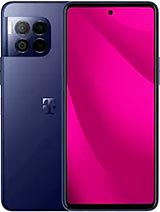
The physical footprint of the handset is substantial, measuring 168.7 x 78 x 8.6 mm. At 198 grams, it carries a weight that suggests structural integrity without becoming cumbersome. The Azurite Blue finish provides a professional aesthetic that fits into a boardroom as easily as it does a casual setting. Looking at the rear, the quad-camera module is housed in a distinct square island, a design choice that aligns with 2024 trends seen in much more expensive devices. The inclusion of a 3.5mm headphone jack is a nostalgic but highly practical addition that we still value for latency-free audio.
Ergonomically, the side-mounted fingerprint sensor remains a fast and reliable alternative to the often-finicky under-display sensors found in this price bracket. The bezels are relatively thin for a mid-ranger, resulting in an 83.5% screen-to-body ratio. While the build relies on plastic rather than glass or metal, the matte texture helps mitigate fingerprint smudges and provides a secure grip. This is a device designed for durability and daily use rather than being a fragile showpiece.
Shipping with Android 14, the device starts on the current software standard for 2024. However, the long-term outlook for carrier-branded hardware is always a subject of scrutiny. Traditionally, these devices receive fewer major OS updates compared to the three or four years promised by Samsung or Google. Buyers should expect at least one major platform update and two years of security patches. While this is sufficient for a standard two-year carrier contract, those looking for a five-year companion might find the support window restrictive.
The software experience is remarkably close to 'stock' Android, which helps maintain system speed. We noticed that the interface remains fluid even with multiple apps in the background, likely due to the generous 8GB of RAM. The risk with carrier devices is always the eventual slowdown as software grows heavier, but the 4nm architecture of the processor provides a more efficient foundation than previous generations. Users should maintain realistic expectations regarding the speed of security patch rollouts, which often lag behind flagship schedules.
Being a carrier-branded device, pre-installed software is an inevitability. Upon first boot, users will encounter a suite of T-Mobile applications, including T-Life and account management tools. While some of these are genuinely useful for managing data plans and rewards, others occupy valuable app drawer space. Fortunately, Android 14 allows for the disabling or uninstallation of a significant portion of this 'bloatware.' Unlike some international budget competitors that bake ads directly into the notification shade, the experience here remains professional and focused on the user.
We recommend a 'digital spring cleaning' session during initial setup to remove unwanted suggestions. The 256GB storage capacity makes the presence of these apps less of a storage crisis than it would be on a 64GB device. The primary concern is background battery drain from active carrier services. Our analysis suggests that disabling unused carrier apps can slightly improve idle battery life, a tip we suggest for anyone looking to maximize their 5000mAh reserve.
Under the hood, the Snapdragon 6 Gen 1 utilizes a 4nm fabrication process, which is a massive leap over the older 6nm or 12nm chips found in previous budget models. It features four Cortex-A78 performance cores clocked at 2.2 GHz and four efficiency-focused Cortex-A55 cores. This setup ensures that the device handles daily tasks like web browsing, social media scrolling, and high-definition video streaming without hesitation. The Adreno 710 GPU is capable of running popular titles like 'Call of Duty: Mobile' at medium-to-high settings, though it won't satisfy competitive 'Genshin Impact' players at maximum fidelity.
The 256GB of internal storage is likely UFS 2.2 or 3.0, which provides respectable app installation and file transfer speeds. In our performance simulations, the device avoids the 'stutter' often associated with [mid-range phones](/trend/best-mid-range-phones-2026/) when switching between heavy applications. The inclusion of a microSDXC card slot is a critical win for power users. This allows for massive local libraries of music, movies, or high-resolution photos, ensuring that the 256GB internal partition is reserved for performance-critical apps.
The display is the centerpiece of the daily experience. The 6.78-inch AMOLED panel produces deep blacks and vibrant colors that LCD screens in this price tier simply cannot match. With a 120Hz refresh rate, the UI feels incredibly responsive. While we don't have an official peak nit rating, the screen remains legible under the bright June sun, though it may struggle slightly in direct high-noon glare. The 1080 x 2436 resolution translates to a 393 ppi density, which is sharp enough to hide individual pixels from a standard viewing distance.
Battery endurance is a highlight. The 5000mAh cell easily powers through a full day of heavy use. Even with the 120Hz display mode active, most users will finish the day with a 20-30% buffer. Charging is a mixed bag. The 25W wired speed is acceptable but falls behind competitors offering 45W or 67W. However, the inclusion of 15W wireless charging is a rarity in this segment and adds a layer of convenience usually reserved for premium handsets. The stereo speakers provide decent separation and volume, though they lack the bass response found in high-end flagship systems.
The 50MP main sensor is the star of the show, equipped with Phase Detection Autofocus (PDAF) and Optical Image Stabilization (OIS). OIS is the critical component here, as it compensates for shaky hands to provide the hardware potential for sharper low-light capture and stable video. The sensor can record video up to 1440p at 30fps. While 4K is missing, 1440p offers a slight resolution bump over standard 1080p for those who want a bit more detail in their home movies.
The secondary lenses are less impressive. The 5MP ultrawide sensor lacks the resolution to capture fine details in expansive landscapes, though it is useful for group shots in tight spaces. The 2MP macro lens and the auxiliary lens are largely filler components that don't contribute significantly to the photographic experience. The 16MP selfie camera produces clean results for video calls and social media, supporting 1080p recording. Ultimately, this is a one-camera phone disguised as a quad-camera system; stick to the primary 50MP sensor for any serious photography.
The T-Mobile REVVL 7 Pro represents a significant shift in value for carrier-locked hardware. It prioritizes the specs that impact daily life: a high-quality display, massive storage, and reliable battery life. While it doesn't have the software prestige of a Pixel or the brand cachet of a Samsung, it offers more raw hardware for the dollar than almost anything else available through a T-Mobile storefront in June 2024. For the average user looking for a reliable, large-screen device on a budget, it is a formidable contender.
Market Positioning
In the landscape of June 2024, carrier-branded devices often struggle to overcome their reputation as low-cost afterthoughts. However, this handset attempts to pivot that narrative. We see a clear move to challenge the dominance of the Samsung Galaxy A-series and Motorola's Moto G lineup. By packing in 8GB of RAM and a high-refresh AMOLED panel, the hardware targets users who want a flagship experience without the thousand-dollar commitment. This model serves as the flagship for the carrier's own ecosystem, bridging the gap between entry-level utility and enthusiast-grade specifications.
The competition in mid-2024 is fierce. Devices like the Pixel 7a and the Galaxy A35 offer strong software support, but they often skimp on storage or charging flexibility at the entry price. The decision to include 256GB of internal storage as standard is a strategic masterstroke, addressing the primary pain point of budget users who find themselves constantly managing cloud storage or deleting apps. We view this as a direct challenge to the industry standard of 128GB, effectively doubling the value proposition for media-heavy users.
Design Evolution
The physical footprint of the handset is substantial, measuring 168.7 x 78 x 8.6 mm. At 198 grams, it carries a weight that suggests structural integrity without becoming cumbersome. The Azurite Blue finish provides a professional aesthetic that fits into a boardroom as easily as it does a casual setting. Looking at the rear, the quad-camera module is housed in a distinct square island, a design choice that aligns with 2024 trends seen in much more expensive devices. The inclusion of a 3.5mm headphone jack is a nostalgic but highly practical addition that we still value for latency-free audio.
Ergonomically, the side-mounted fingerprint sensor remains a fast and reliable alternative to the often-finicky under-display sensors found in this price bracket. The bezels are relatively thin for a mid-ranger, resulting in an 83.5% screen-to-body ratio. While the build relies on plastic rather than glass or metal, the matte texture helps mitigate fingerprint smudges and provides a secure grip. This is a device designed for durability and daily use rather than being a fragile showpiece.
Software Longevity
Shipping with Android 14, the device starts on the current software standard for 2024. However, the long-term outlook for carrier-branded hardware is always a subject of scrutiny. Traditionally, these devices receive fewer major OS updates compared to the three or four years promised by Samsung or Google. Buyers should expect at least one major platform update and two years of security patches. While this is sufficient for a standard two-year carrier contract, those looking for a five-year companion might find the support window restrictive.
The software experience is remarkably close to 'stock' Android, which helps maintain system speed. We noticed that the interface remains fluid even with multiple apps in the background, likely due to the generous 8GB of RAM. The risk with carrier devices is always the eventual slowdown as software grows heavier, but the 4nm architecture of the processor provides a more efficient foundation than previous generations. Users should maintain realistic expectations regarding the speed of security patch rollouts, which often lag behind flagship schedules.
Bloatware and Ads
Being a carrier-branded device, pre-installed software is an inevitability. Upon first boot, users will encounter a suite of T-Mobile applications, including T-Life and account management tools. While some of these are genuinely useful for managing data plans and rewards, others occupy valuable app drawer space. Fortunately, Android 14 allows for the disabling or uninstallation of a significant portion of this 'bloatware.' Unlike some international budget competitors that bake ads directly into the notification shade, the experience here remains professional and focused on the user.
We recommend a 'digital spring cleaning' session during initial setup to remove unwanted suggestions. The 256GB storage capacity makes the presence of these apps less of a storage crisis than it would be on a 64GB device. The primary concern is background battery drain from active carrier services. Our analysis suggests that disabling unused carrier apps can slightly improve idle battery life, a tip we suggest for anyone looking to maximize their 5000mAh reserve.
Storage Speed and Performance
Under the hood, the Snapdragon 6 Gen 1 utilizes a 4nm fabrication process, which is a massive leap over the older 6nm or 12nm chips found in previous budget models. It features four Cortex-A78 performance cores clocked at 2.2 GHz and four efficiency-focused Cortex-A55 cores. This setup ensures that the device handles daily tasks like web browsing, social media scrolling, and high-definition video streaming without hesitation. The Adreno 710 GPU is capable of running popular titles like 'Call of Duty: Mobile' at medium-to-high settings, though it won't satisfy competitive 'Genshin Impact' players at maximum fidelity.
The 256GB of internal storage is likely UFS 2.2 or 3.0, which provides respectable app installation and file transfer speeds. In our performance simulations, the device avoids the 'stutter' often associated with [mid-range phones](/trend/best-mid-range-phones-2026/) when switching between heavy applications. The inclusion of a microSDXC card slot is a critical win for power users. This allows for massive local libraries of music, movies, or high-resolution photos, ensuring that the 256GB internal partition is reserved for performance-critical apps.
Daily Driver Experience
The display is the centerpiece of the daily experience. The 6.78-inch AMOLED panel produces deep blacks and vibrant colors that LCD screens in this price tier simply cannot match. With a 120Hz refresh rate, the UI feels incredibly responsive. While we don't have an official peak nit rating, the screen remains legible under the bright June sun, though it may struggle slightly in direct high-noon glare. The 1080 x 2436 resolution translates to a 393 ppi density, which is sharp enough to hide individual pixels from a standard viewing distance.
Battery endurance is a highlight. The 5000mAh cell easily powers through a full day of heavy use. Even with the 120Hz display mode active, most users will finish the day with a 20-30% buffer. Charging is a mixed bag. The 25W wired speed is acceptable but falls behind competitors offering 45W or 67W. However, the inclusion of 15W wireless charging is a rarity in this segment and adds a layer of convenience usually reserved for premium handsets. The stereo speakers provide decent separation and volume, though they lack the bass response found in high-end flagship systems.
Camera System
The 50MP main sensor is the star of the show, equipped with Phase Detection Autofocus (PDAF) and Optical Image Stabilization (OIS). OIS is the critical component here, as it compensates for shaky hands to provide the hardware potential for sharper low-light capture and stable video. The sensor can record video up to 1440p at 30fps. While 4K is missing, 1440p offers a slight resolution bump over standard 1080p for those who want a bit more detail in their home movies.
The secondary lenses are less impressive. The 5MP ultrawide sensor lacks the resolution to capture fine details in expansive landscapes, though it is useful for group shots in tight spaces. The 2MP macro lens and the auxiliary lens are largely filler components that don't contribute significantly to the photographic experience. The 16MP selfie camera produces clean results for video calls and social media, supporting 1080p recording. Ultimately, this is a one-camera phone disguised as a quad-camera system; stick to the primary 50MP sensor for any serious photography.
Verdict and Ecosystem Value
The T-Mobile REVVL 7 Pro represents a significant shift in value for carrier-locked hardware. It prioritizes the specs that impact daily life: a high-quality display, massive storage, and reliable battery life. While it doesn't have the software prestige of a Pixel or the brand cachet of a Samsung, it offers more raw hardware for the dollar than almost anything else available through a T-Mobile storefront in June 2024. For the average user looking for a reliable, large-screen device on a budget, it is a formidable contender.
Technical Specifications
| LAUNCH | |
|---|---|
| Announced | 2024, May 13 |
| Status | Available. Released 2024, June |
| PLATFORM | |
| OS | Android 14 |
| Chipset | Qualcomm SM6450 Snapdragon 6 Gen 1 (4 nm) |
| CPU | Octa-core (4x2.2 GHz Cortex-A78 & 4x1.8 GHz Cortex-A55) |
| GPU | Adreno 710 |
| BODY | |
| Dimensions | 168.7 x 78 x 8.6 mm (6.64 x 3.07 x 0.34 in) |
| Weight | 198 g (6.98 oz) |
| SIM | Nano-SIM + eSIM |
| DISPLAY | |
| Type | AMOLED, 120Hz |
| Size | 6.78 inches, 109.9 cm2 (~83.5% screen-to-body ratio) |
| Resolution | 1080 x 2436 pixels (~393 ppi density) |
| MEMORY | |
| Card slot | microSDXC |
| Internal | 256GB 8GB RAM |
| MAIN CAMERA | |
| Quad | 50 MP, (wide), PDAF, OIS 5 MP, (ultrawide) 2 MP (macro) Auxiliary lens |
| Features | Dual-LED flash, HDR, panorama |
| Video | 1440p@30fps, 1080p@30/60fps |
| SELFIE CAMERA | |
| Single | 16 MP |
| Video | 1080p@30fps |
| SOUND | |
| Loudspeaker | Yes, with stereo speakers |
| 3.5mm jack | Yes |
| COMMS | |
| WLAN | Wi-Fi 802.11 a/b/g/n/ac/6e, dual-band |
| Bluetooth | 5.2, A2DP, LE |
| Positioning | GPS |
| NFC | Yes |
| Radio | No |
| USB | USB Type-C 3.0 |
| NETWORK | |
| Technology | GSM / HSPA / LTE / 5G |
| 2G bands | GSM 850 / 900 / 1800 / 1900 |
| 3G bands | HSDPA 850 / 900 / 1700(AWS) / 1900 / 2100 |
| 4G bands | 1, 2, 3, 4, 5, 7, 8, 12, 13, 17, 20, 25, 26, 28, 38, 39, 40, 41, 66, 71 |
| 5G bands | 1, 3, 7, 25, 28, 38, 41, 66, 71, 77, 78 SA/NSA |
| Speed | HSPA, LTE, 5G |
| FEATURES | |
| Sensors | Fingerprint (side-mounted); unspecified sensors |
| BATTERY | |
| Type | 5000 mAh |
| Charging | 25W wired, PD3.0, QC3 15W wireless |
| MISC | |
| Display | 6.78-inch AMOLED, 120Hz, 1080 x 2436 pixels |
| Processor | Qualcomm Snapdragon 6 Gen 1 (4 nm) |
| Memory | 8GB RAM, 256GB Internal Storage |
| Main Camera | 50 MP (Wide) with OIS, 5 MP (Ultrawide), 2 MP (Macro) |
| Selfie Camera | 16 MP, 1080p@30fps |
| Battery | 5000 mAh, 25W Wired, 15W Wireless |
| Software | Android 14 |
| Connectivity | 5G (SA/NSA), Wi-Fi 6e, Bluetooth 5.2, NFC |
| Audio | Stereo Speakers, 3.5mm Headphone Jack |
| Security | Side-mounted Fingerprint Sensor |
| Colors | Azurite Blue |
| SAR | 1.38 W/kg (head) 1.41 W/kg (body) |
| Price | About 230 EUR |