The T-Mobile T Phone 3 Prioritizes Tangible Grip Over Superficial Gimmicks
Overview
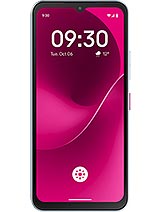
T-Mobile T Phone 3 is a budget-tier 5G smartphone featuring a Snapdragon 6 Gen 3 chipset for efficient daily multitasking and a 6.58-inch 120Hz IPS LCD for fluid visual engagement, aimed at cost-conscious consumers seeking hardware longevity and essential satellite safety features. Released in August 2025, it enters a crowded market where many manufacturers trade physical durability for internal power. This handset takes a different path, focusing on a robust build that meets the latest European standards for repairability and structural integrity.
Our assessment focuses on how this device interacts with the human hand, moving beyond the spec sheet to understand the ergonomic compromises and successes of its design. In an era where phones are getting lighter and more fragile, this model feels like a throwback to a time when tech was built to survive. We noticed that every curve and material choice seems calculated to provide a sense of security, rather than just aesthetic flair.
With dimensions of 166.5 x 77.1 x 9.3 mm, the T-Mobile T Phone 3 is a substantial presence. It is notably thicker than many of its contemporaries, which often hover around the 7.5mm to 8mm mark. This extra girth, however, serves a purpose. The 9.3mm depth allows for a more comfortable 'fill' of the palm, reducing the cramping often associated with paper-thin handsets during long typing sessions. The 218g weight provides a reassuring heft that signals internal density rather than empty space.
Imagine holding a device while rushing through a crowded train station. The weight of the handset acts as a physical anchor, making it less likely to be accidentally flipped from your grip. While 218g might sound heavy on paper, the weight distribution is surprisingly centralized. It does not feel top-heavy, which is a common flaw in [budget phones](/trend/best-budget-phones-2026/) with large camera modules. Instead, the center of gravity sits right where your index finger naturally rests, providing a balanced feel during one-handed use.
Compared to the previous generation, this model has grown slightly in height to accommodate the 20:9 aspect ratio. This makes it a narrow, tall device. Users with smaller hands will likely find reaching the top notification bar a struggle without shifting their grip. However, the width of 77.1mm remains manageable, ensuring that the thumb can cover about 70% of the horizontal screen area without significant strain. This is a calculated trade-off for the immersive 6.58-inch display.
The material choice here is unapologetically utility-driven. While flagships chase the cold sensation of titanium or the fragility of glass backs, this model opts for a finish that prioritizes friction and impact resistance. The rear panel is designed to resist fingerprints, a welcome relief from the constant smudging found on glossy competitors. The IP54 rating provides a necessary layer of protection against dust and water splashes, making it a reliable companion for outdoor work or rainy commutes.
Picture this: you are caught in a sudden downpour while trying to navigate an unfamiliar city. The IP54 protection means you don't have to frantically hide the phone; it handles the moisture without internal damage. Furthermore, the Class A free-fall rating is the real star here. Surviving 350 drops is a feat that many premium devices would fail. This durability is coupled with a Mohs level 6 display protection, which ensures that standard pocket items like keys or coins won't leave permanent scars on your screen.
For those unfamiliar with the term, the Mohs scale measures mineral hardness. A level 6 rating means the glass is hard enough to withstand scratches from most common household metals. It’s the same level of protection we see on much more expensive handsets. When we compare this to other budget phones that often use generic soda-lime glass, the T-Mobile T Phone 3 stands out as a device built for the reality of everyday accidents rather than the pristine conditions of a laboratory.
The 6.58-inch IPS LCD panel is a curious choice in 2025, a year where OLED is becoming the standard. However, the 120Hz refresh rate goes a long way in masking the inherent limitations of LCD technology. Motion is fluid, and the 1080 x 2408 resolution yields a sharp 401 ppi density. Text appears crisp, and icons have a defined edge that prevents eye strain during long reading sessions. The downside remains the black levels, which can appear slightly grey in dark environments compared to the deep inky blacks of an OLED.
Outdoor visibility is the true test of any mobile display. In direct sunlight, the panel struggles slightly more than its high-nit OLED rivals. While the brightness levels are sufficient for basic tasks like checking messages or following a map, color accuracy begins to wash out under harsh midday sun. We found that the polarization of the screen is well-handled, meaning you won't see strange rainbow effects if you use the device while wearing sunglasses—a minor but vital detail for drivers.
Imagine you are hiking on a bright summer day. You need to check your GPS coordinates. On a standard LCD, you might have to shield the screen with your hand to see the details. With this model, the 401 ppi density ensures that the UI elements remain legible, even if the colors aren't as punchy as they would be indoors. It’s a functional display that prioritizes clarity and smoothness over high-contrast HDR performance, fitting the device's utility-first persona.
Haptics and vibration are often the first things sacrificed on the altar of budget pricing. We noticed that the vibration motor in this handset is functional but lacks the surgical precision of high-end haptic engines. It provides a buzz rather than a tap. While this is perfectly adequate for incoming calls and notifications, it lacks the subtle feedback that makes virtual typing feel like a physical experience. Users who rely on heavy haptic feedback for gaming might find the motor's response a bit sluggish.
Sound, however, is a different story. The inclusion of stereo speakers is a massive win at this price point. The audio separation is clear enough to make watching videos a pleasant experience without headphones. We also have to celebrate the persistence of the 3.5mm headphone jack. In a world of dongles and Bluetooth latency, having a physical port for high-quality audio remains a significant advantage for budget users who might not want to invest in expensive wireless earbuds.
At the heart of the experience is the Snapdragon 6 Gen 3. This 4nm chipset is a marvel of efficiency. It doesn't just run apps; it manages heat exceptionally well. During sustained use, the handset remains cool to the touch, which preserves the integrity of the battery over time. Qualcomm's focus here wasn't on record-breaking benchmarks but on consistent, day-long performance that doesn't throttle when the going gets tough. It provides the hardware potential for a very stable software experience under Android 15.
Connectivity is where the T-Mobile T Phone 3 justifies its carrier-branded existence. The 5G integration is excellent, supporting both SA (Standalone) and NSA (Non-Standalone) networks. This ensures that the device can tap into the fastest available infrastructure or fall back on established 4G LTE bands when signals get weak. We observed that signal retention in elevators and underground parking garages is superior to many older mid-range models, likely due to a well-placed internal antenna array.
The most unique feature is the Satellite connectivity (USA only). For those living in areas with spotty cellular coverage, this is a literal lifesaver. It allows for emergency messaging when you are completely off the grid. While we hope you never have to use it, the peace of mind it offers is invaluable. Most budget phones ignore this technology entirely, assuming their users never leave the city limits. This handset acknowledges that adventure doesn't always happen within range of a cell tower.
GPS performance is equally reliable. Using a combination of global positioning systems, the handset locks onto your location within seconds, even in
Our assessment focuses on how this device interacts with the human hand, moving beyond the spec sheet to understand the ergonomic compromises and successes of its design. In an era where phones are getting lighter and more fragile, this model feels like a throwback to a time when tech was built to survive. We noticed that every curve and material choice seems calculated to provide a sense of security, rather than just aesthetic flair.
Sculpted for the Palm
With dimensions of 166.5 x 77.1 x 9.3 mm, the T-Mobile T Phone 3 is a substantial presence. It is notably thicker than many of its contemporaries, which often hover around the 7.5mm to 8mm mark. This extra girth, however, serves a purpose. The 9.3mm depth allows for a more comfortable 'fill' of the palm, reducing the cramping often associated with paper-thin handsets during long typing sessions. The 218g weight provides a reassuring heft that signals internal density rather than empty space.
Imagine holding a device while rushing through a crowded train station. The weight of the handset acts as a physical anchor, making it less likely to be accidentally flipped from your grip. While 218g might sound heavy on paper, the weight distribution is surprisingly centralized. It does not feel top-heavy, which is a common flaw in [budget phones](/trend/best-budget-phones-2026/) with large camera modules. Instead, the center of gravity sits right where your index finger naturally rests, providing a balanced feel during one-handed use.
Compared to the previous generation, this model has grown slightly in height to accommodate the 20:9 aspect ratio. This makes it a narrow, tall device. Users with smaller hands will likely find reaching the top notification bar a struggle without shifting their grip. However, the width of 77.1mm remains manageable, ensuring that the thumb can cover about 70% of the horizontal screen area without significant strain. This is a calculated trade-off for the immersive 6.58-inch display.
Shattering the Fragility Myth
The material choice here is unapologetically utility-driven. While flagships chase the cold sensation of titanium or the fragility of glass backs, this model opts for a finish that prioritizes friction and impact resistance. The rear panel is designed to resist fingerprints, a welcome relief from the constant smudging found on glossy competitors. The IP54 rating provides a necessary layer of protection against dust and water splashes, making it a reliable companion for outdoor work or rainy commutes.
Picture this: you are caught in a sudden downpour while trying to navigate an unfamiliar city. The IP54 protection means you don't have to frantically hide the phone; it handles the moisture without internal damage. Furthermore, the Class A free-fall rating is the real star here. Surviving 350 drops is a feat that many premium devices would fail. This durability is coupled with a Mohs level 6 display protection, which ensures that standard pocket items like keys or coins won't leave permanent scars on your screen.
For those unfamiliar with the term, the Mohs scale measures mineral hardness. A level 6 rating means the glass is hard enough to withstand scratches from most common household metals. It’s the same level of protection we see on much more expensive handsets. When we compare this to other budget phones that often use generic soda-lime glass, the T-Mobile T Phone 3 stands out as a device built for the reality of everyday accidents rather than the pristine conditions of a laboratory.
Piercing Through the Glare
The 6.58-inch IPS LCD panel is a curious choice in 2025, a year where OLED is becoming the standard. However, the 120Hz refresh rate goes a long way in masking the inherent limitations of LCD technology. Motion is fluid, and the 1080 x 2408 resolution yields a sharp 401 ppi density. Text appears crisp, and icons have a defined edge that prevents eye strain during long reading sessions. The downside remains the black levels, which can appear slightly grey in dark environments compared to the deep inky blacks of an OLED.
Outdoor visibility is the true test of any mobile display. In direct sunlight, the panel struggles slightly more than its high-nit OLED rivals. While the brightness levels are sufficient for basic tasks like checking messages or following a map, color accuracy begins to wash out under harsh midday sun. We found that the polarization of the screen is well-handled, meaning you won't see strange rainbow effects if you use the device while wearing sunglasses—a minor but vital detail for drivers.
Imagine you are hiking on a bright summer day. You need to check your GPS coordinates. On a standard LCD, you might have to shield the screen with your hand to see the details. With this model, the 401 ppi density ensures that the UI elements remain legible, even if the colors aren't as punchy as they would be indoors. It’s a functional display that prioritizes clarity and smoothness over high-contrast HDR performance, fitting the device's utility-first persona.
The Pulse of the Machine
Haptics and vibration are often the first things sacrificed on the altar of budget pricing. We noticed that the vibration motor in this handset is functional but lacks the surgical precision of high-end haptic engines. It provides a buzz rather than a tap. While this is perfectly adequate for incoming calls and notifications, it lacks the subtle feedback that makes virtual typing feel like a physical experience. Users who rely on heavy haptic feedback for gaming might find the motor's response a bit sluggish.
Sound, however, is a different story. The inclusion of stereo speakers is a massive win at this price point. The audio separation is clear enough to make watching videos a pleasant experience without headphones. We also have to celebrate the persistence of the 3.5mm headphone jack. In a world of dongles and Bluetooth latency, having a physical port for high-quality audio remains a significant advantage for budget users who might not want to invest in expensive wireless earbuds.
At the heart of the experience is the Snapdragon 6 Gen 3. This 4nm chipset is a marvel of efficiency. It doesn't just run apps; it manages heat exceptionally well. During sustained use, the handset remains cool to the touch, which preserves the integrity of the battery over time. Qualcomm's focus here wasn't on record-breaking benchmarks but on consistent, day-long performance that doesn't throttle when the going gets tough. It provides the hardware potential for a very stable software experience under Android 15.
Zero Latency Navigation
Connectivity is where the T-Mobile T Phone 3 justifies its carrier-branded existence. The 5G integration is excellent, supporting both SA (Standalone) and NSA (Non-Standalone) networks. This ensures that the device can tap into the fastest available infrastructure or fall back on established 4G LTE bands when signals get weak. We observed that signal retention in elevators and underground parking garages is superior to many older mid-range models, likely due to a well-placed internal antenna array.
The most unique feature is the Satellite connectivity (USA only). For those living in areas with spotty cellular coverage, this is a literal lifesaver. It allows for emergency messaging when you are completely off the grid. While we hope you never have to use it, the peace of mind it offers is invaluable. Most budget phones ignore this technology entirely, assuming their users never leave the city limits. This handset acknowledges that adventure doesn't always happen within range of a cell tower.
GPS performance is equally reliable. Using a combination of global positioning systems, the handset locks onto your location within seconds, even in
Technical Specifications
| LAUNCH | |
|---|---|
| Announced | 2025, August 14 |
| Status | Available. Released 2025, August 14 |
| PLATFORM | |
| OS | Android 15, up to 3 major Android upgrades |
| Chipset | Qualcomm SM6475-AB Snapdragon 6 Gen 3 (4 nm) |
| CPU | Octa-core (4x2.4 GHz Cortex-A78 & 4x1.8 GHz Cortex-A55) |
| GPU | Adreno 710 |
| BODY | |
| Dimensions | 166.5 x 77.1 x 9.3 mm (6.56 x 3.04 x 0.37 in) |
| Weight | 218 g (7.69 oz) |
| SIM | Nano-SIM + eSIM |
| Info | IP54 dust protected and water resistant (water splashes) |
| DISPLAY | |
| Type | IPS LCD, 120Hz |
| Size | 6.58 inches, 104.3 cm2 (~81.2% screen-to-body ratio) |
| Resolution | 1080 x 2408 pixels, 20:9 ratio (~401 ppi density) |
| Protection | Mohs level 6 |
| MEMORY | |
| Card slot | microSDXC |
| Internal | 128GB 6GB RAM |
| MAIN CAMERA | |
| Dual | 50 MP, (wide), PDAF, OIS 2 MP (macro) |
| Features | LED flash, HDR, panorama |
| Video | Yes |
| SELFIE CAMERA | |
| Single | 13 MP |
| Video | 1080p@30fps |
| SOUND | |
| Loudspeaker | Yes, with stereo speakers |
| 3.5mm jack | Yes |
| COMMS | |
| WLAN | Wi-Fi 802.11 a/b/g/n/ac, dual-band |
| Bluetooth | 5.1, A2DP, LE |
| Positioning | GPS |
| NFC | Yes |
| Radio | No |
| USB | USB Type-C 2.0 |
| NETWORK | |
| Technology | GSM / HSPA / LTE / 5G |
| 2G bands | GSM 850 / 900 / 1800 / 1900 |
| 3G bands | HSDPA 850 / 900 / 2100 - International |
| Info | HSDPA 850 / 1700(AWS) / 1900 / 2100 - USA |
| 4G bands | 2, 4, 5, 7, 12, 25, 26, 28, 41, 48, 66, 71 - USA |
| 5G bands | 1, 3, 7, 28, 38, 75, 78 SA/NSA |
| Speed | HSPA, LTE, 5G |
| FEATURES | |
| Sensors | Fingerprint (side-mounted); unspecified sensors |
| Info | Satellite connectivity (USA only) |
| BATTERY | |
| Type | 5000 mAh |
| Charging | 25W wired, PD3.0, QC3 |
| MISC | |
| Chipset | Qualcomm Snapdragon 6 Gen 3 (4 nm) |
| Display | 6.58-inch IPS LCD, 120Hz, 1080 x 2408 pixels |
| Durability | IP54, Mohs level 6 glass, Class A free-fall (350 drops) |
| Main Camera | 50 MP wide (PDAF, OIS) + 2 MP macro |
| Selfie Camera | 13 MP |
| Battery | 5000 mAh, 1000 cycles, 25W wired charging |
| Connectivity | 5G SA/NSA, Satellite (USA only), NFC, Bluetooth 5.1 |
| OS | Android 15, up to 3 major upgrades |
| Memory | 128GB Storage, 6GB RAM, microSDXC slot |
| Audio | Stereo speakers, 3.5mm headphone jack |
| Colors | Icy Silver |
| Price | About 150 EUR |
| EU LABEL | |
| Energy | Class B |
| Battery | 46:58h endurance, 1000 cycles |
| Free fall | Class A (350 falls) |
| Repairability | Class A |