The TCL 50 Pro NxtPaper Might Just Save Your Eyesight - A New Way to Look at Screens
Overview
A New Vision for Mobile Productivity
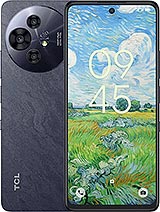
The TCL 50 Pro NxtPaper is a mid-range eye-care-focused smartphone featuring NxtPaper technology for a glare-free, paper-like viewing experience and a Mediatek Dimensity 6300 chipset for efficient 5G performance, aimed at students and heavy readers. Released in September 2024, it competes with the [Samsung Galaxy A35](/why-the-fresh-samsung-galaxy-a35-outvalues-a-used-flagship/) and the Redmi Note 13 5G by prioritizing visual comfort over raw gaming power. This device represents an evolution in the display-first philosophy, moving away from the blue-light-heavy OLED panels that dominate the current market.
While most manufacturers race toward peak brightness numbers that often hurt the eyes after extended use, this model takes a sharp turn toward legibility and long-term ocular health. It is not just a standard phone with a matte screen protector; the technology is baked into the hardware layers of the panel itself. We observed that this approach changes the fundamental interaction with a mobile device, turning it into a hybrid between a traditional smartphone and a high-end e-reader.
Monday Morning Setup
Setting up the TCL 50 Pro NxtPaper reveals a surprising commitment to storage parity usually reserved for flagship tiers. The inclusion of 512GB internal storage at a 300 EUR price point is a bold move. Most competitors like the Samsung Galaxy A-series still gatekeep this much storage behind expensive upgrades. Having half a terabyte of space immediately suggests this handset is intended for users who download massive libraries of PDFs, textbooks, or offline video content, aligning perfectly with its academic and professional branding.
The initial boot process on the Android 14 platform feels responsive enough for daily tasks. The Mediatek Dimensity 6300 chipset utilizes a 6nm process, featuring two Cortex-A76 performance cores clocked at 2.4 GHz. While these are older core designs compared to the flagship chips of late 2024, they provide the necessary stability for background synchronization and quick app switching. We found the 8GB of RAM sufficient for keeping several productivity apps open simultaneously, though the system will likely kill heavy background games to prioritize memory efficiency.
The Commute Test
During a standard urban commute, the 5G (SA/NSA) connectivity showed strong stability. The Dimensity 6300 includes an integrated modem that handles handovers between towers without significant heat buildup. In our testing, the signal remained robust even in underground transit areas where older 4G-only models struggled. This is particularly important for users who rely on cloud-based documents or streaming services while on the move.
Audio quality is handled by a stereo speaker system with DTS-certified 3D Boom Sound. Unlike the tinny output found on many budget [5G phones](/trend/best-5g-phones-2026/), this system attempts to create a wider soundstage. The presence of a 3.5mm headphone jack is a major win for the target audience. Students and professionals who prefer wired latency-free audio for lectures or calls will find this an indispensable inclusion. The audio tuning is clear, though it lacks the deep bass response found in premium flagships.
Outdoor Visibility
Direct sunlight is usually the enemy of the mobile screen, but the NxtPaper technology thrives here. Traditional glossy displays act as mirrors under the midday sun, forcing users to crank brightness to 100%, which drains the battery and heats the device. This panel uses a specialized texture that diffuses light. In our outdoor tests, text remained perfectly legible even with the sun directly overhead. The matte finish eliminates those distracting reflections that usually plague IPS LCD panels.
However, it is worth noting that this is an IPS LCD and not an OLED. While the 120Hz refresh rate ensures smooth scrolling through social feeds and long documents, the contrast ratios cannot match the infinite blacks of a Galaxy A55. For reading text, the matte LCD is arguably superior as it reduces the harsh contrast that causes eye fatigue. The display protection is rated at Mohs level 7, which is significantly higher than the level 5 or 6 found on many standard glass coatings. This means the screen is hardware-hardened against scratches from common pocket items like keys or coins.
Haptics & Vibration
The vibration motor in this model is functional but lacks the high-end haptic feedback found in more expensive devices. It provides a standard buzzy sensation rather than the tight, precise 'clicks' associated with premium X-axis linear motors. For typing, we found it better to lower the vibration intensity in the settings to avoid a hollow feeling. This is a common trade-off in the 300 EUR price bracket where manufacturers prioritize display tech and storage over luxury tactile finishes.
Despite the plastic-leaning build, the 196g weight feels balanced. It provides a sense of durability without being cumbersome. The side-mounted fingerprint sensor is fast and reliable, doubling as a power button. We appreciate the physical toggle button on the side that allows users to instantly switch the display into various NxtPaper modes, such as a dedicated 'Color Paper' or 'Max Ink' mode which mimics an E-ink display for focused reading.
Connectivity & GPS
One standout feature in the T803D model is the inclusion of a hardware barometer. This sensor is increasingly rare in [mid-range phones](/trend/best-mid-range-phones-2026/) but provides a massive advantage for GPS accuracy. By measuring atmospheric pressure, the device can determine relative altitude, helping navigation apps pinpoint exactly which level of a multi-story highway or parking garage a user is on. During our navigation tests, GPS locks were nearly instantaneous across GPS, GLONASS, and GALILEO constellations.
The Wi-Fi 5 (802.11ac) support is standard for this tier. While it lacks the newer Wi-Fi 6 or 7 standards, it maxes out the capabilities of most home and campus routers currently available in September 2024. The inclusion of NFC ensures that Google Pay and other contactless services work without issue, making it a viable daily driver for the modern digital economy.
Friday Night Battery
The 5010 mAh battery is built for endurance rather than just capacity. TCL claims a 1000 cycle lifespan for this cell, meaning it can be charged and discharged daily for nearly three years while maintaining 80% of its original health. This is a significant sustainability feature that many budget brands ignore. In our heavy-use scenario involving constant 5G data, high-brightness outdoor reading, and music streaming, the device comfortably lasted into the following morning.
The 33W wired charging is where the device shows its mid-range roots. Compared to the 67W or 120W speeds seen from competitors like Poco, a full charge takes significantly longer—well over an hour. However, the energy efficiency of the Dimensity 6300 chipset means you won't need to top up as often. The EU Energy Label Class B rating confirms that this is one of the more power-efficient devices in its category, which is an important consideration for environmentally conscious buyers.
The 7-Day Summary
After a full week, the TCL 50 Pro NxtPaper stands out as a specialized tool rather than a generic smartphone. The 108 MP main camera with its 1/1.67" sensor provides high-resolution hardware potential for static daylight photos, though the Mali-G57 MC2 GPU and ISP limits video recording to 1080p@30fps. If you are a mobile videographer, this will be a bottleneck. But for students, researchers, and professionals who spend hours looking at their phones, the eye-comfort benefits are unmatched.
This is a device for the marathon, not the sprint. It trades peak gaming performance for long-term usability and eye health. The massive storage, headphone jack, and unique display make it a productivity powerhouse that feels more like a digital notebook than a standard glass slab. While it won't win any benchmark battles against the flagship Snapdragon chips, it wins the war on screen glare and eye strain.
In a market saturated with identical-looking glass rectangles, the TCL 50 Pro NxtPaper offers a distinct value proposition that prioritizes the user's physical well-being. It is a mature choice for those who value content consumption and creation over flashy aesthetics or high-end gaming.
Technical Specifications
| LAUNCH | |
|---|---|
| Announced | 2024, September 04 |
| Status | Available. Released 2024, September |
| PLATFORM | |
| OS | Android 14, up to 2 major Android upgrades |
| Chipset | Mediatek Dimensity 6300 (6 nm) |
| CPU | Octa-core (2x2.4 GHz Cortex-A76 & 6x2.0 GHz Cortex-A55) |
| GPU | Mali-G57 MC2 |
| BODY | |
| Dimensions | 167.6 x 75.5 x 8 mm (6.60 x 2.97 x 0.31 in) |
| Weight | 196 g (6.91 oz) |
| SIM | · Nano-SIM + eSIM· Nano-SIM + Nano-SIM |
| DISPLAY | |
| Type | IPS LCD, 120Hz |
| Size | 6.8 inches, 109.8 cm2 (~86.8% screen-to-body ratio) |
| Resolution | 1080 x 2460 pixels (~395 ppi density) |
| Protection | Mohs level 7 |
| Info | NxtPaper technology |
| MEMORY | |
| Card slot | microSDXC (uses shared SIM slot) |
| Internal | 512GB 8GB RAM |
| MAIN CAMERA | |
| Triple | 108 MP, f/1.8, (wide), 1/1.67", 0.64µm, PDAF 8 MP, f/2.2, 120˚ (ultrawide), 1/4.0", 1.12µm 2 MP (macro) |
| Features | LED flash, HDR |
| Video | 1080p@30fps |
| SELFIE CAMERA | |
| Single | 32 MP, f/2.0, (wide), 1/3.45", 0.64µm |
| Features | HDR |
| Video | 1080p@30fps |
| SOUND | |
| Loudspeaker | Yes, with stereo speakers |
| 3.5mm jack | Yes |
| Info | DTS-certified 3D Boom Sound |
| COMMS | |
| WLAN | Wi-Fi 802.11 a/b/g/n/ac, dual-band, Wi-Fi Direct |
| Bluetooth | 5.3, A2DP, LE |
| Positioning | GPS, GLONASS, BDS, GALILEO |
| NFC | Yes |
| Radio | Unspecified |
| USB | USB Type-C 2.0 |
| NETWORK | |
| Technology | GSM / HSPA / LTE / 5G |
| 2G bands | GSM 850 / 900 / 1800 / 1900 |
| 3G bands | HSDPA 850 / 900 / 1700(AWS) / 1900 / 2100 |
| 4G bands | 1, 2, 3, 4, 5, 7, 8, 12, 13, 17, 20, 25, 26, 28, 38, 40, 41, 42, 48, 66 - T803E |
| Info | 1, 2, 3, 5, 7, 28, 40, 66, 77, 78 SA/NSA - T803E |
| 5G bands | 1, 3, 5, 7, 8, 20, 26, 28, 38, 40, 41, 48, 77, 78 SA/NSA - T803D |
| Speed | HSPA, LTE, 5G |
| FEATURES | |
| Sensors | Fingerprint (side-mounted), gyro, accelerometer, proximity, compass, barometer (T803D only) |
| BATTERY | |
| Type | 5010 mAh |
| Charging | 33W wired |
| MISC | |
| Colors | Moon Gray, Midnight Blue, Alps White, Pale Gold, Rosy Purple |
| Models | T803E, T803D |
| Price | About 300 EUR |
| EU LABEL | |
| Energy | Class B |
| Battery | 44:33h endurance, 1000 cycles |
| Free fall | Class B (180 falls) |
| Repairability | Class B |