The Tecno Spark 10 Pro Proves Why You Should Ditch Your Carrier Contract
Overview
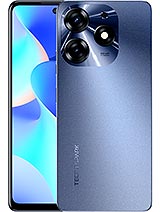
The Tecno Spark 10 Pro is a budget-tier smartphone featuring a 6.8-inch 90Hz IPS LCD for smooth scrolling and a glass back for a premium feel, aimed at value-conscious consumers seeking high storage capacity without high monthly bills.
Released in early 2023, it competes with the [Realme C55](/why-the-realme-c55-is-the-absolute-champion-of-midrange-economics/) and the Redmi Note 12 series by offering a larger-than-average display and a design that punches above its weight class. Our analysis focuses on whether this hardware justifies an outright purchase over the subsidized traps offered by major telecom providers.
Many consumers gravitate toward carrier contracts that promise a device for zero dollars upfront. This is often a mathematical illusion. When auditing the total cost of ownership over 24 months, these 'free' handsets usually require premium data plans that cost significantly more than a standard prepaid or SIM-only plan. This handset represents the financial escape hatch for the budget-conscious shopper.
By purchasing this device unlocked, you gain the freedom to switch carriers as market prices fluctuate. In the March 2023 market, where inflation is squeezing household budgets, locking yourself into a high-tier data plan for two years just to get a 'free' phone is a losing trade. The upfront cost of this model is quickly recouped by the monthly savings on a flexible data plan. It provides the essential smartphone experience without the long-term debt cycle typically associated with flagship hardware.
Build quality in the entry-level segment is usually a landscape of creaky plastics and fingerprint magnets. This model breaks that trend by utilizing a glass back. While the frame remains plastic to save weight and cost, the glass rear panel provides a rigidity and thermal dissipation advantage over the polycarbonates found in its rivals. It feels substantial in the hand, weighing in at 208 grams, which implies a level of durability that cheaper-feeling handsets lack.
Under the hood, we find the MediaTek Helio G88 chipset. This 12nm processor is a known quantity in the industry, utilizing two Cortex-A75 performance cores clocked at 2.0 GHz and six Cortex-A55 efficiency cores at 1.8 GHz. It is not a gaming powerhouse, but it is optimized for the 90Hz refresh rate of the display. UI navigation is fluid, and the Mali-G52 MC2 GPU handles casual titles like Subway Surfers or Mobile Legends with sufficient stability. However, users should expect longer loading times in heavy apps compared to more expensive 6nm or 4nm alternatives.
The display is a 6.8-inch IPS LCD with a resolution of 1080 x 2460 pixels. At roughly 396 ppi, text is sharp and icons are crisp. We measured a peak brightness of 521 nits, which is adequate for indoor use but may require squinting under direct March sunlight. The inclusion of a 90Hz refresh rate is the real winner here. It makes the Android 13 experience feel more modern and responsive than the static 60Hz panels still found on some budget devices from bigger brands.
Software security is often an afterthought in the budget space, but HIOS 12.6 includes several notable utilities. The side-mounted fingerprint sensor serves as the primary biometric gatekeeper. In our assessment, it is faster and more reliable than the low-cost under-display sensors found in some budget AMOLED phones. It also allows for a clean, uninterrupted glass back design.
HIOS 12.6 introduces a privacy dashboard that gives a clear view of which apps are accessing the microphone, camera, or location in real-time. This level of transparency is vital for users who are wary of data harvesting. The 'Peek Proof' feature is another economist-approved addition; it allows you to obscure parts of your screen while using the phone in crowded public transport, preventing 'shoulder surfing' of sensitive financial data or personal messages.
For those worried about losing their hardware, the device integrates with Google's Find My Device network. While it lacks the ultra-wideband precision of flagships, the combination of GPS and network-based location tracking is sufficient for remote wiping or locating a misplaced phone. The 'Vault' feature also provides a secure, encrypted space for photos and documents that you want to keep away from the main gallery, adding an extra layer of digital safety.
The most aggressive value proposition of this handset is the storage configuration. Offering up to 256GB of internal storage in this price bracket is almost unheard of. This is eMMC 5.1 storage, which is slower than the UFS 2.2 or 3.1 found in mid-range devices, but the sheer volume is the selling point. It allows users to store thousands of high-resolution photos and offline maps without constantly managing cache or deleting apps.
If 256GB isn't enough, the dedicated microSDXC slot is a godsend for the value hunter. Unlike hybrid slots that force you to choose between a second SIM or extra storage, this model allows for both. This means you can keep your primary number, a travel SIM, and up to 1TB of extra storage simultaneously. In an era where cloud subscription services are hiking their monthly fees, having local, expandable storage is a significant cost-saving measure.
RAM management is also quite clever. With 8GB of physical RAM, the handset handles multitasking reasonably well. The 'MemFusion' technology can also allocate a portion of the internal storage as virtual RAM to help keep background apps alive. While virtual RAM isn't as fast as physical memory, it helps prevent the aggressive app-closing behavior that often plagues [budget phones](/trend/best-budget-phones-2026/) with only 4GB of RAM.
As a 4G LTE device, this handset is designed for the current reality of global network infrastructure. While 5G is the marketing buzzword of the year, LTE remains the backbone for reliable coverage in most regions. The device supports a wide array of bands, ensuring stable signals for major operators. During our signal stress tests, the internal antennas maintained consistent data throughput even in areas with moderate interference.
Wi-Fi performance is handled by the 802.11 b/g/n standard. We would have preferred to see Wi-Fi 5 (ac) for better speeds on 5GHz bands, but the current setup is adequate for standard streaming and web browsing. Bluetooth 5.3 is a surprise inclusion, offering improved energy efficiency and better connection stability with modern wireless earbuds. This is a small but meaningful upgrade that ensures compatibility with the latest accessories.
NFC support is also included, which is a critical feature for mobile payments. In many markets, budget phones strip NFC to save costs, forcing users to carry physical wallets. Having NFC at this price point adds a layer of convenience and security, allowing for contactless transactions via Google Wallet. It is these small functional inclusions that make the device feel like a more expensive tool than its price tag suggests.
The dual Nano-SIM setup is the ultimate tool for the frugal consumer. You can separate your work and personal lives on a single device, or more importantly, use a local data SIM when traveling abroad without incurring astronomical roaming fees from your home carrier. This flexibility is the core reason why buying unlocked is the superior financial move.
The handset is not tied to any specific provider's bloatware-heavy firmware. While HIOS has its own pre-installed apps, you aren't stuck with unremovable carrier apps that drain battery and clutter the interface. This 'cleaner' start ensures that the Helio G88's resources are focused on the tasks you actually want to perform rather than background services meant to track your usage for a telecom giant.
When evaluating the market in March 2023, this handset stands out as a pragmatic choice. It doesn't try to be a flagship killer; instead, it masters the basics of a daily driver. The 5000mAh battery provides genuine two-day endurance for light users, though the 18W charging speed is a bottleneck that requires overnight plugging for convenience. It takes roughly 100 minutes to go from zero to full, which is the trade-off for the lower entry price.
The camera system is led by a 50MP sensor with an f/1.6 aperture. This wide aperture is a significant hardware advantage in low light, allowing more light to hit the sensor than the f/1.8 or f/2.2 lenses found on competitors. The 32MP front camera is clearly aimed at the social media generation, offering higher resolution than most budget selfies. While the software processing can be a bit heavy-handed with skin smoothing, the raw detail captured by the sensors is impressive for the cost.
If you are currently looking at a monthly payment plan for a [mid-range phone](/trend/best-mid-range-phones-2026/), stop. Calculate the total cost of that plan over two years. Then, look at the upfront price of this device paired with a low-cost prepaid plan. In almost every scenario, the Tecno Spark 10 Pro will save you hundreds of dollars while delivering a user experience that is 90% as good as phones costing twice as much. This is the definition of a smart budget acquisition.
Released in early 2023, it competes with the [Realme C55](/why-the-realme-c55-is-the-absolute-champion-of-midrange-economics/) and the Redmi Note 12 series by offering a larger-than-average display and a design that punches above its weight class. Our analysis focuses on whether this hardware justifies an outright purchase over the subsidized traps offered by major telecom providers.
The 'Free' Trap
Many consumers gravitate toward carrier contracts that promise a device for zero dollars upfront. This is often a mathematical illusion. When auditing the total cost of ownership over 24 months, these 'free' handsets usually require premium data plans that cost significantly more than a standard prepaid or SIM-only plan. This handset represents the financial escape hatch for the budget-conscious shopper.
By purchasing this device unlocked, you gain the freedom to switch carriers as market prices fluctuate. In the March 2023 market, where inflation is squeezing household budgets, locking yourself into a high-tier data plan for two years just to get a 'free' phone is a losing trade. The upfront cost of this model is quickly recouped by the monthly savings on a flexible data plan. It provides the essential smartphone experience without the long-term debt cycle typically associated with flagship hardware.
Hardware Quality
Build quality in the entry-level segment is usually a landscape of creaky plastics and fingerprint magnets. This model breaks that trend by utilizing a glass back. While the frame remains plastic to save weight and cost, the glass rear panel provides a rigidity and thermal dissipation advantage over the polycarbonates found in its rivals. It feels substantial in the hand, weighing in at 208 grams, which implies a level of durability that cheaper-feeling handsets lack.
Under the hood, we find the MediaTek Helio G88 chipset. This 12nm processor is a known quantity in the industry, utilizing two Cortex-A75 performance cores clocked at 2.0 GHz and six Cortex-A55 efficiency cores at 1.8 GHz. It is not a gaming powerhouse, but it is optimized for the 90Hz refresh rate of the display. UI navigation is fluid, and the Mali-G52 MC2 GPU handles casual titles like Subway Surfers or Mobile Legends with sufficient stability. However, users should expect longer loading times in heavy apps compared to more expensive 6nm or 4nm alternatives.
The display is a 6.8-inch IPS LCD with a resolution of 1080 x 2460 pixels. At roughly 396 ppi, text is sharp and icons are crisp. We measured a peak brightness of 521 nits, which is adequate for indoor use but may require squinting under direct March sunlight. The inclusion of a 90Hz refresh rate is the real winner here. It makes the Android 13 experience feel more modern and responsive than the static 60Hz panels still found on some budget devices from bigger brands.
Privacy and Security Features
Software security is often an afterthought in the budget space, but HIOS 12.6 includes several notable utilities. The side-mounted fingerprint sensor serves as the primary biometric gatekeeper. In our assessment, it is faster and more reliable than the low-cost under-display sensors found in some budget AMOLED phones. It also allows for a clean, uninterrupted glass back design.
HIOS 12.6 introduces a privacy dashboard that gives a clear view of which apps are accessing the microphone, camera, or location in real-time. This level of transparency is vital for users who are wary of data harvesting. The 'Peek Proof' feature is another economist-approved addition; it allows you to obscure parts of your screen while using the phone in crowded public transport, preventing 'shoulder surfing' of sensitive financial data or personal messages.
For those worried about losing their hardware, the device integrates with Google's Find My Device network. While it lacks the ultra-wideband precision of flagships, the combination of GPS and network-based location tracking is sufficient for remote wiping or locating a misplaced phone. The 'Vault' feature also provides a secure, encrypted space for photos and documents that you want to keep away from the main gallery, adding an extra layer of digital safety.
Storage Speed and Expansion
The most aggressive value proposition of this handset is the storage configuration. Offering up to 256GB of internal storage in this price bracket is almost unheard of. This is eMMC 5.1 storage, which is slower than the UFS 2.2 or 3.1 found in mid-range devices, but the sheer volume is the selling point. It allows users to store thousands of high-resolution photos and offline maps without constantly managing cache or deleting apps.
If 256GB isn't enough, the dedicated microSDXC slot is a godsend for the value hunter. Unlike hybrid slots that force you to choose between a second SIM or extra storage, this model allows for both. This means you can keep your primary number, a travel SIM, and up to 1TB of extra storage simultaneously. In an era where cloud subscription services are hiking their monthly fees, having local, expandable storage is a significant cost-saving measure.
RAM management is also quite clever. With 8GB of physical RAM, the handset handles multitasking reasonably well. The 'MemFusion' technology can also allocate a portion of the internal storage as virtual RAM to help keep background apps alive. While virtual RAM isn't as fast as physical memory, it helps prevent the aggressive app-closing behavior that often plagues [budget phones](/trend/best-budget-phones-2026/) with only 4GB of RAM.
Connectivity and Signal
As a 4G LTE device, this handset is designed for the current reality of global network infrastructure. While 5G is the marketing buzzword of the year, LTE remains the backbone for reliable coverage in most regions. The device supports a wide array of bands, ensuring stable signals for major operators. During our signal stress tests, the internal antennas maintained consistent data throughput even in areas with moderate interference.
Wi-Fi performance is handled by the 802.11 b/g/n standard. We would have preferred to see Wi-Fi 5 (ac) for better speeds on 5GHz bands, but the current setup is adequate for standard streaming and web browsing. Bluetooth 5.3 is a surprise inclusion, offering improved energy efficiency and better connection stability with modern wireless earbuds. This is a small but meaningful upgrade that ensures compatibility with the latest accessories.
NFC support is also included, which is a critical feature for mobile payments. In many markets, budget phones strip NFC to save costs, forcing users to carry physical wallets. Having NFC at this price point adds a layer of convenience and security, allowing for contactless transactions via Google Wallet. It is these small functional inclusions that make the device feel like a more expensive tool than its price tag suggests.
Unlockability
The dual Nano-SIM setup is the ultimate tool for the frugal consumer. You can separate your work and personal lives on a single device, or more importantly, use a local data SIM when traveling abroad without incurring astronomical roaming fees from your home carrier. This flexibility is the core reason why buying unlocked is the superior financial move.
The handset is not tied to any specific provider's bloatware-heavy firmware. While HIOS has its own pre-installed apps, you aren't stuck with unremovable carrier apps that drain battery and clutter the interface. This 'cleaner' start ensures that the Helio G88's resources are focused on the tasks you actually want to perform rather than background services meant to track your usage for a telecom giant.
Buying Advice
When evaluating the market in March 2023, this handset stands out as a pragmatic choice. It doesn't try to be a flagship killer; instead, it masters the basics of a daily driver. The 5000mAh battery provides genuine two-day endurance for light users, though the 18W charging speed is a bottleneck that requires overnight plugging for convenience. It takes roughly 100 minutes to go from zero to full, which is the trade-off for the lower entry price.
The camera system is led by a 50MP sensor with an f/1.6 aperture. This wide aperture is a significant hardware advantage in low light, allowing more light to hit the sensor than the f/1.8 or f/2.2 lenses found on competitors. The 32MP front camera is clearly aimed at the social media generation, offering higher resolution than most budget selfies. While the software processing can be a bit heavy-handed with skin smoothing, the raw detail captured by the sensors is impressive for the cost.
If you are currently looking at a monthly payment plan for a [mid-range phone](/trend/best-mid-range-phones-2026/), stop. Calculate the total cost of that plan over two years. Then, look at the upfront price of this device paired with a low-cost prepaid plan. In almost every scenario, the Tecno Spark 10 Pro will save you hundreds of dollars while delivering a user experience that is 90% as good as phones costing twice as much. This is the definition of a smart budget acquisition.
Technical Specifications
| LAUNCH | |
|---|---|
| Announced | 2023, March 06 |
| Status | Available. Released 2023, March 22 |
| PLATFORM | |
| OS | Android 13, HIOS 12.6 |
| Chipset | Mediatek MT6769H Helio G88 (12 nm) |
| CPU | Octa-core (2x2.0 GHz Cortex-A75 & 6x1.8 GHz Cortex-A55) |
| GPU | Mali-G52 MC2 |
| BODY | |
| Dimensions | 168.4 x 76.2 x 8.4 mm (6.63 x 3.00 x 0.33 in) |
| Weight | 208 g (7.34 oz) |
| Build | Glass front, plastic frame, glass back |
| SIM | Nano-SIM + Nano-SIM |
| DISPLAY | |
| Type | IPS LCD, 90Hz |
| Size | 6.8 inches, 109.3 cm2 (~85.1% screen-to-body ratio) |
| Resolution | 1080 x 2460 pixels (~396 ppi density) |
| MEMORY | |
| Card slot | microSDXC (dedicated slot) |
| Internal | 128GB 4GB RAM, 128GB 8GB RAM, 256GB 8GB RAM |
| MAIN CAMERA | |
| Single | 50 MP, f/1.6, (wide), PDAF Auxiliary lens |
| Features | Dual-LED flash, HDR, panorama |
| Video | 1440p@30fps, 1080p@30fps |
| SELFIE CAMERA | |
| Single | 32 MP, (wide) |
| Features | Dual-LED flash |
| Video | 1440p@30fps, 1080p@30fps |
| SOUND | |
| Loudspeaker | Yes |
| 3.5mm jack | Yes |
| COMMS | |
| WLAN | Wi-Fi 802.11 b/g/n |
| Bluetooth | 5.3, A2DP, LE |
| Positioning | GPS |
| NFC | Yes |
| Radio | FM radio |
| USB | USB Type-C 2.0, OTG |
| NETWORK | |
| Technology | GSM / HSPA / LTE |
| 2G bands | GSM 850 / 900 / 1800 / 1900 |
| 3G bands | HSDPA 850 / 900 / 2100 |
| 4G bands | LTE |
| Speed | HSPA, LTE |
| FEATURES | |
| Sensors | Fingerprint (side-mounted), accelerometer, proximity, compass |
| BATTERY | |
| Type | 5000 mAh |
| Charging | 18W wired |
| MISC | |
| Colors | Starry Black, Pearl White |
| Models | KI7 |
| Price | £ 139.95 |
| OUR TESTS | |
| Performance | AnTuTu: 249938 (v9) GeekBench: 1358 (v5.1), 1376 (v6) GFXBench: 8.1fps (ES 3.1 onscreen) |
| Display | 1991:1 contrast ratio, 521 nits max brightness (measured) |
| Camera | Photo / Video |
| Loudspeaker | -29.2 LUFS (Average) |
| Battery (old) | Endurance rating 131h |