The True Cost of Cheap - Why the Cubot A1 Challenges the Contract Phone Trap
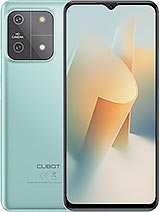
Overview
The Cubot A1 is an entry-level smartphone featuring a 6.56-inch IPS LCD for essential visual tasks and 128GB of internal storage for high-capacity file retention, aimed at cost-conscious users who prioritize ownership over carrier-locked financing. Released in early 2024, it competes directly with ultra-budget alternatives by offering a standalone, contract-free experience that emphasizes storage utility over raw processing power.
Many consumers fall into the trap of a 'free' phone offered by carriers. These deals often hide the true cost of the device within inflated monthly service plans that total hundreds of dollars over two years. The Cubot A1 represents a pivot toward fiscal sanity. By purchasing this device outright, users maintain the freedom to switch between prepaid carriers, potentially saving thousands in service fees. At this price point, the hardware isn't a status symbol; it's a financial tool.
We see this model as a direct challenge to the budget offerings from major brands that often ship with half the storage capacity. While a 'free' phone from a major carrier might offer slightly better brand recognition, it often comes with a locked bootloader and pre-installed carrier bloatware. This device circumvents those restrictions, providing a clean slate for the user. It is a calculated purchase for those who understand that a phone is a depreciating asset, not a luxury investment.
Compared to the previous generation of budget handsets, this model leans heavily into the 'unlocked' philosophy. It doesn't tether the owner to a specific network. This mobility is vital in a shifting economic landscape where monthly subscriptions are becoming a burden. We believe the value here lies in the delta between a monthly contract payment and the one-time cost of this hardware. The math almost always favors the upfront purchase.
The Unisoc SC9863A Reality The internal heart of the Cubot A1 is the Unisoc SC9863A. This is a 28nm octa-core chipset that relies on Cortex-A55 cores. For those unfamiliar with semiconductor terminology, a 28nm process is significantly less efficient than the 4nm or 6nm processes found in mid-range or flagship devices. This means the chipset generates more heat and consumes more battery power to perform the same tasks. It is essentially a piece of silicon history kept alive to meet the demands of the ultra-budget market.
In daily operation, the device handles basic tasks like messaging, email, and static web browsing with acceptable speed. However, users should anticipate delays when switching between multiple heavy applications. The IMG8322 GPU is designed for UI rendering and basic video playback, not for intensive 3D gaming. Imagine trying to run a modern high-end game on a ten-year-old laptop; that is the level of performance trade-off we are looking at here. It works, but it requires patience.
Despite the older architecture, the inclusion of 4GB of RAM helps keep Android 13 somewhat fluid. In the budget tier, we often see 2GB or 3GB of RAM, which leads to frequent app crashes. This extra gigabyte provides a necessary buffer for the operating system. It ensures that the phone doesn't immediately choke when a system update runs in the background. It is a pragmatic choice by the manufacturer to prioritize stability over speed.
The 205-Gram Handheld With a weight of 205 grams, the handset feels substantial. This weight distribution likely stems from the large battery and the thickness of the plastic housing. At 10.4 mm thick, this is not a slim device. It lacks the svelte profile of modern flagships, opting instead for a chunky, durable feel. The plastic build implies that the device can handle a minor drop better than a glass-backed premium phone, which would likely shatter on impact.
Ergonomically, the curved edges of the back panel attempt to mask the thickness. The buttons likely provide a standard tactile click, though the overall build quality reflects the entry-level price point. There is no IP rating for water or dust resistance listed, so users must be cautious near sinks or in the rain. This is a tool meant for utility, and its physical design reflects that 'function over form' approach.
Visual enthusiasts should note the 720 x 1612 resolution. On a 6.56-inch screen, this results in a pixel density of roughly 269 ppi. Text will appear slightly soft if held close to the eyes, and individual pixels might be visible. However, at arm's length, the IPS panel provides decent colors and viewing angles. It is a screen designed for reading text and watching occasional videos, not for high-definition cinema.
The connectivity suite is built around 4G LTE technology. While the world is moving toward 5G, the infrastructure for 4G remains the backbone of global mobile networks. For the target audience, 4G speeds are more than sufficient for social media and video calls. The device supports a wide range of bands, which is a significant plus for travelers or those in rural areas where specific frequencies are required for signal penetration.
Bluetooth 4.2 is a notable compromise. Modern devices use version 5.0 or higher for better range and audio stability. With 4.2, the connection to wireless earbuds may drop more easily if there are walls between the phone and the headset. Wi-Fi 802.11 ac is present, ensuring that the device can connect to 5GHz networks for faster home internet speeds. This is a critical inclusion that prevents the phone from being bottlenecked by older 2.4GHz Wi-Fi bands.
Call quality relies on the standard earpiece and microphone array. Given the plastic construction, we expect the internal antennas to have clear paths for signal reception without the interference often caused by metal frames. It is a straightforward communication tool. There are no fancy satellite SOS features or ultra-wideband chips here. It simply connects to the towers and stays connected.
Audio performance is handled by a single bottom-firing loudspeaker. Do not expect a 'symphony' or 'immersive' experience. It is a utilitarian speaker designed for ringtones and speakerphone conversations. At high volumes, the plastic chassis may vibrate, and the high-end frequencies will likely sound tinny. This is common in the sub-100 EUR category.
Users who prioritize audio should utilize the Bluetooth 4.2 connection or check for a 3.5mm jack (though not explicitly listed in all variants). For a budget user, the lack of stereo speakers is a non-issue. The goal is audibility, not fidelity. If you are watching a tutorial or listening to a podcast, the audio will be clear enough to understand the speech, but it won't satisfy a music enthusiast.
We must mention the 5100 mAh battery in the context of endurance. Because the hardware is low-power, this battery capacity is massive. It can easily stretch into a second day of light use. However, the 10W wired charging is a significant bottleneck. Recharging a battery this size at 10 watts will take approximately three hours. It is a device you plug in overnight, not something you quickly top up before leaving the house.
One of the strongest arguments for the Cubot A1 is the software freedom. Running Android 13 out of the box, it offers a relatively modern software environment. Because it is an unlocked device, there is no carrier oversight on when you receive updates (though budget brands are notoriously slow with security patches). You own the software experience from day one.
This ownership extends to the 128GB of storage. Finding this much space in a phone under 100 EUR is a rarity. It allows users to download offline maps, store thousands of photos from the 13 MP camera, and keep a massive library of music without needing a cloud subscription. For many, the savings from not paying for Google One or iCloud storage over two years pays for the phone itself.
There is a shared SIM slot that supports microSDXC. This means you can expand the storage even further if 128GB isn't enough. In an era where flagships are removing expandable storage to force users into higher-priced tiers or cloud services, this budget handset remains consumer-friendly. It respects the user's need for local file control.
When we look at the total cost of ownership, the Cubot A1 is an economic winner for the right person. It is not for the gamer, the photographer, or the tech enthusiast who needs the latest screen technology. It is for the person who sees a smartphone as a utility—a device for communication, navigation, and basic information access. It is for the parent who wants their child to have a phone without a $50 monthly bill attached to it.
Comparing this to the [Samsung Galaxy A05](/the-ultimate-hand-me-down-champion-why-the-samsung-galaxy-a05-wins-for-families/) or the Redmi A3, the storage advantage is clear. While those brands might offer a slightly more polished UI, they often skimp on internal space. This model bets everything on 'more for less'. It is a thick, slow-charging, plastic handset that does exactly what it says on the box. In a market full of shiny distractions, its honesty is its best feature.
Ultimately, the Cubot A1 is a statement against the 'lease' culture of modern technology. It provides a way to stay connected in 2024 without entering a financial contract. While the Unisoc SC9863A is a relic of the past, the 128GB storage is a bridge to the future of mobile utility. It is a calculated compromise that serves the wallet as much as the user.
The Economic Logic of Avoiding the 24-Month Debt Cycle
Many consumers fall into the trap of a 'free' phone offered by carriers. These deals often hide the true cost of the device within inflated monthly service plans that total hundreds of dollars over two years. The Cubot A1 represents a pivot toward fiscal sanity. By purchasing this device outright, users maintain the freedom to switch between prepaid carriers, potentially saving thousands in service fees. At this price point, the hardware isn't a status symbol; it's a financial tool.
We see this model as a direct challenge to the budget offerings from major brands that often ship with half the storage capacity. While a 'free' phone from a major carrier might offer slightly better brand recognition, it often comes with a locked bootloader and pre-installed carrier bloatware. This device circumvents those restrictions, providing a clean slate for the user. It is a calculated purchase for those who understand that a phone is a depreciating asset, not a luxury investment.
Compared to the previous generation of budget handsets, this model leans heavily into the 'unlocked' philosophy. It doesn't tether the owner to a specific network. This mobility is vital in a shifting economic landscape where monthly subscriptions are becoming a burden. We believe the value here lies in the delta between a monthly contract payment and the one-time cost of this hardware. The math almost always favors the upfront purchase.
Silicon Archeology
In daily operation, the device handles basic tasks like messaging, email, and static web browsing with acceptable speed. However, users should anticipate delays when switching between multiple heavy applications. The IMG8322 GPU is designed for UI rendering and basic video playback, not for intensive 3D gaming. Imagine trying to run a modern high-end game on a ten-year-old laptop; that is the level of performance trade-off we are looking at here. It works, but it requires patience.
Despite the older architecture, the inclusion of 4GB of RAM helps keep Android 13 somewhat fluid. In the budget tier, we often see 2GB or 3GB of RAM, which leads to frequent app crashes. This extra gigabyte provides a necessary buffer for the operating system. It ensures that the phone doesn't immediately choke when a system update runs in the background. It is a pragmatic choice by the manufacturer to prioritize stability over speed.
Heft and Utility
Ergonomically, the curved edges of the back panel attempt to mask the thickness. The buttons likely provide a standard tactile click, though the overall build quality reflects the entry-level price point. There is no IP rating for water or dust resistance listed, so users must be cautious near sinks or in the rain. This is a tool meant for utility, and its physical design reflects that 'function over form' approach.
Visual enthusiasts should note the 720 x 1612 resolution. On a 6.56-inch screen, this results in a pixel density of roughly 269 ppi. Text will appear slightly soft if held close to the eyes, and individual pixels might be visible. However, at arm's length, the IPS panel provides decent colors and viewing angles. It is a screen designed for reading text and watching occasional videos, not for high-definition cinema.
Signal Logic in a 4G World
The connectivity suite is built around 4G LTE technology. While the world is moving toward 5G, the infrastructure for 4G remains the backbone of global mobile networks. For the target audience, 4G speeds are more than sufficient for social media and video calls. The device supports a wide range of bands, which is a significant plus for travelers or those in rural areas where specific frequencies are required for signal penetration.
Bluetooth 4.2 is a notable compromise. Modern devices use version 5.0 or higher for better range and audio stability. With 4.2, the connection to wireless earbuds may drop more easily if there are walls between the phone and the headset. Wi-Fi 802.11 ac is present, ensuring that the device can connect to 5GHz networks for faster home internet speeds. This is a critical inclusion that prevents the phone from being bottlenecked by older 2.4GHz Wi-Fi bands.
Call quality relies on the standard earpiece and microphone array. Given the plastic construction, we expect the internal antennas to have clear paths for signal reception without the interference often caused by metal frames. It is a straightforward communication tool. There are no fancy satellite SOS features or ultra-wideband chips here. It simply connects to the towers and stays connected.
The Acoustic Baseline
Audio performance is handled by a single bottom-firing loudspeaker. Do not expect a 'symphony' or 'immersive' experience. It is a utilitarian speaker designed for ringtones and speakerphone conversations. At high volumes, the plastic chassis may vibrate, and the high-end frequencies will likely sound tinny. This is common in the sub-100 EUR category.
Users who prioritize audio should utilize the Bluetooth 4.2 connection or check for a 3.5mm jack (though not explicitly listed in all variants). For a budget user, the lack of stereo speakers is a non-issue. The goal is audibility, not fidelity. If you are watching a tutorial or listening to a podcast, the audio will be clear enough to understand the speech, but it won't satisfy a music enthusiast.
We must mention the 5100 mAh battery in the context of endurance. Because the hardware is low-power, this battery capacity is massive. It can easily stretch into a second day of light use. However, the 10W wired charging is a significant bottleneck. Recharging a battery this size at 10 watts will take approximately three hours. It is a device you plug in overnight, not something you quickly top up before leaving the house.
Ownership Without Permission
One of the strongest arguments for the Cubot A1 is the software freedom. Running Android 13 out of the box, it offers a relatively modern software environment. Because it is an unlocked device, there is no carrier oversight on when you receive updates (though budget brands are notoriously slow with security patches). You own the software experience from day one.
This ownership extends to the 128GB of storage. Finding this much space in a phone under 100 EUR is a rarity. It allows users to download offline maps, store thousands of photos from the 13 MP camera, and keep a massive library of music without needing a cloud subscription. For many, the savings from not paying for Google One or iCloud storage over two years pays for the phone itself.
There is a shared SIM slot that supports microSDXC. This means you can expand the storage even further if 128GB isn't enough. In an era where flagships are removing expandable storage to force users into higher-priced tiers or cloud services, this budget handset remains consumer-friendly. It respects the user's need for local file control.
The Final Calculation
When we look at the total cost of ownership, the Cubot A1 is an economic winner for the right person. It is not for the gamer, the photographer, or the tech enthusiast who needs the latest screen technology. It is for the person who sees a smartphone as a utility—a device for communication, navigation, and basic information access. It is for the parent who wants their child to have a phone without a $50 monthly bill attached to it.
Comparing this to the [Samsung Galaxy A05](/the-ultimate-hand-me-down-champion-why-the-samsung-galaxy-a05-wins-for-families/) or the Redmi A3, the storage advantage is clear. While those brands might offer a slightly more polished UI, they often skimp on internal space. This model bets everything on 'more for less'. It is a thick, slow-charging, plastic handset that does exactly what it says on the box. In a market full of shiny distractions, its honesty is its best feature.
Ultimately, the Cubot A1 is a statement against the 'lease' culture of modern technology. It provides a way to stay connected in 2024 without entering a financial contract. While the Unisoc SC9863A is a relic of the past, the 128GB storage is a bridge to the future of mobile utility. It is a calculated compromise that serves the wallet as much as the user.
Technical Specifications
| LAUNCH | |
|---|---|
| Announced | 2024, March |
| Status | Available. Released 2024, April |
| PLATFORM | |
| OS | Android 13 |
| Chipset | Unisoc SC9863A (28 nm) |
| CPU | Octa-core (4x1.6 GHz Cortex-A55 & 4x1.2 GHz Cortex-A55) |
| GPU | IMG8322 |
| BODY | |
| Dimensions | 165.6 x 75.5 x 10.4 mm (6.52 x 2.97 x 0.41 in) |
| Weight | 205 g (7.23 oz) |
| SIM | Nano-SIM + Nano-SIM |
| DISPLAY | |
| Type | IPS LCD |
| Size | 6.56 inches, 103.4 cm2 (~82.7% screen-to-body ratio) |
| Resolution | 720 x 1612 pixels, 20:9 ratio (~269 ppi density) |
| MEMORY | |
| Card slot | microSDXC (uses shared SIM slot) |
| Internal | 128GB 4GB RAM |
| MAIN CAMERA | |
| Single | 13 MP, (wide), AF Auxiliary lens |
| Features | LED flash |
| Video | Yes |
| SELFIE CAMERA | |
| Single | 8 MP |
| Video | Yes |
| SOUND | |
| Loudspeaker | Yes |
| 3.5mm jack | Unspecified |
| COMMS | |
| WLAN | Wi-Fi 802.11 a/b/g/n/ac |
| Bluetooth | 4.2, A2DP |
| Positioning | GPS, GLONASS, GALILEO |
| NFC | No |
| Radio | Unspecified |
| USB | OTG |
| NETWORK | |
| Technology | GSM / HSPA / LTE |
| 2G bands | GSM 850 / 900 / 1800 / 1900 |
| 3G bands | HSDPA 850 / 900 / 1700(AWS) / 1900 / 2100 |
| 4G bands | 1, 2, 3, 4, 5, 7, 8, 12, 17, 20, 28, 41 |
| Speed | HSPA, LTE |
| FEATURES | |
| Sensors | Accelerometer, proximity |
| BATTERY | |
| Type | 5100 mAh |
| Charging | 10W wired |
| MISC | |
| Colors | Black, Blue, Green |
| Price | About 80 EUR |