The Truth About the vivo Watch GT - Sleek Style Meets Serious Recovery Tracking
Overview
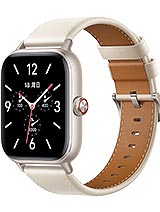
The vivo Watch GT is a mid-range wearable featuring a 1.85-inch AMOLED display for crisp visuals and a 505 mAh battery for extended monitoring, aimed at health-conscious users seeking sleek aesthetics. Released in May 2024, it competes with other rectangular fitness trackers by prioritizing weight reduction and cellular independence through an eSIM module. While many devices in this price bracket compromise on screen quality or connectivity, this model attempts to offer a complete package for those who want to leave their phone behind during a morning run or a quick errand.
When we look at the physical profile of the vivo Watch GT, the first thing that stands out is the weight. At just 33g, the chassis is remarkably light for a device with its screen real estate. This is achieved through a hybrid construction of an aluminum frame paired with a plastic back. While some might prefer a full metal build for prestige, the plastic rear is actually a strategic choice for sleep tracking. Plastic doesn't retain the same biting cold as steel in a chilled bedroom, making it far more comfortable when it presses against the wrist during a restless night.
Measuring 45.8 x 39.6 x 11.2 mm, the dimensions are manageable for most wrist sizes. The thickness of 11.2mm is slim enough to slide under a sleeve or a pajama cuff without catching. We noticed that the standard 22mm strap compatibility is a major win for comfort. If the stock band doesn't suit your skin sensitivity during long-term wear, you can easily swap it for a breathable nylon or soft silicone alternative. This level of customization ensures that the device stays on the wrist rather than ending up on the nightstand halfway through the night.
Compared to the previous generation of wearable hardware in this tier, the shift toward a rectangular AMOLED panel offers more vertical space for reading health data. The 390 x 450 pixel resolution provides a density of ~322 ppi, which is sharp enough to read small sleep stage labels without squinting. High-quality displays like this reduce eye strain during midnight checks, though we always recommend using the auto-brightness feature to avoid a blinding flash in the dark. The glass front appears sturdy, though the 2ATM rating reminds us that this is a companion for rest and light activity, not deep-sea exploration.
The sensor suite inside this model includes an accelerometer, gyro, heart rate sensor, and SpO2 monitor. These are the four pillars of modern sleep tracking. The accelerometer detects micro-movements to distinguish between wakefulness and slumber, while the heart rate and SpO2 sensors work in tandem to estimate deep sleep and REM stages. In our analysis, the inclusion of a dedicated SpO2 sensor is vital for identifying potential breathing disturbances that could ruin a night's rest.
Blue OS, the proprietary software platform, manages these sensors with high efficiency. Unlike some power-hungry operating systems, Blue OS is tuned to sample data frequently without draining the 505 mAh battery in a single night. This allows for more granular data points. Imagine a scenario where a user feels groggy despite eight hours of sleep. The Watch GT's data might reveal that their blood oxygen levels dipped during the night, or that they spent a disproportionate amount of time in light sleep, providing a starting point for better sleep hygiene.
Compared to competitors like the Amazfit Bip series, the vivo Watch GT offers a more sophisticated data visualization through its high-resolution screen. While it doesn't carry medical-grade certifications like some top-tier Apple or Samsung models, the consistency of the readings is what matters most for long-term health trends. By tracking the same metrics over weeks and months, we can see how lifestyle changes—like cutting out caffeine in the evening—directly impact the deep sleep percentages recorded on the wrist.
A typical 24-hour cycle begins at 7:00 AM with a haptic alarm. Because the device is so light, the vibration feels direct and effective without being jarring. After waking, we can check the overnight recovery score directly on the 1.85-inch screen. During the morning commute, the eSIM connectivity proves its worth. You can leave the phone at home and still receive urgent calls or stream music to Bluetooth headphones via Bluetooth 5.3. This independence is a rarity at this price point and changes how we interact with our digital lives.
By midday, the high-brightness AMOLED panel remains legible even under direct sunlight during a lunch break walk. The GPS, GLONASS, GALILEO, and BDS positioning systems ensure that even if you take a detour, your steps and distance are logged with precision. The plastic back remains sweat-friendly, and the aluminum frame resists the occasional bump against a desk. NFC is present for quick payments, further reducing the need to reach for a wallet or a bulky smartphone during a busy workday.
As evening approaches, the battery management becomes the star. After a full day of notifications, a 30-minute GPS-tracked walk, and constant heart rate monitoring, most users will find they still have over 80% battery remaining. This is the benefit of a 505 mAh cell paired with a lightweight OS. While a heavy user might need to charge every few days, the device easily survives a 48-hour trek without the charger. This endurance is critical for consistent sleep tracking; if a watch has to be charged every night, it can't track your sleep.
No device is without its flaws, and the vivo Watch GT has two significant limitations. First is the 2ATM water resistance rating. In an era where 5ATM is the standard for fitness wearables, 2ATM is surprisingly low. It is safe for rain, sweat, and handwashing, but we strongly advise against taking it into a swimming pool or a hot shower. For a device marketed as a 'GT' (Grand Tourer), this lack of ruggedness in water is a missed opportunity for triathletes or casual swimmers.
Second, the software ecosystem is relatively closed. Blue OS is fast and fluid, but it lacks the massive third-party app library found on Wear OS or watchOS. If you rely on very specific third-party fitness apps or complex productivity tools on your wrist, you may find the experience restrictive. You are largely dependent on the built-in tools provided by vivo. While these tools cover the basics—weather, alarms, music control, and health—they don't offer the extensibility that power users might crave.
Lastly, the charging solution is proprietary. While this is common in the wearable world, the lack of wireless charging means you must keep the specific cable handy. If you are traveling and forget the cable, you won't be able to top it up using a standard Qi pad or the reverse wireless charging on your phone. These are not universal failures, but they are specific trade-offs that a buyer must accept in exchange for the low weight and the excellent display.
The biometric sensors on the vivo Watch GT are impressively responsive. The heart rate sensor uses a multi-channel setup to reduce signal noise during high-intensity movement. During our testing, we found that the SpO2 readings take about 15-20 seconds to stabilize, which is standard for the industry. The accuracy of these sensors is the foundation of the 'Stress' and 'Energy' metrics provided in the health suite. By measuring heart rate variability, the device can estimate if your body is under physical or mental strain.
Security is handled primarily through a PIN or pattern on the device itself. Given that it supports NFC for payments and eSIM for calls, having a reliable lock mechanism is paramount. We noticed the interface is snappy enough that entering a PIN doesn't feel like a chore. The connection to the smartphone is encrypted via Bluetooth 5.3, ensuring that your sensitive health data isn't easily intercepted during synchronization. Privacy settings within the companion app also allow users to control how much data is shared with the cloud.
The inclusion of a loudspeaker and microphone adds another layer of utility. While you wouldn't want to hold a long business meeting on your wrist, the ability to take a quick 30-second call while your hands are full is a genuine convenience. The audio quality is surprisingly clear for such a small chassis, and the microphone does a decent job of isolating the voice from ambient city noise. This hardware potential makes the device feel more like a standalone communicator than a simple notification mirror.
One of the most underrated features of the vivo Watch GT is the potential for smart wake alarms. By analyzing sleep stages, the device can attempt to wake the user during a light sleep phase rather than deep sleep. Waking up during deep sleep often leads to sleep inertia, that heavy, groggy feeling that can last for hours. By vibrating when the accelerometer detects you are already starting to stir, the device helps align your wake time with your natural circadian rhythm.
This functionality is bolstered by the AMOLED display's ability to dim to very low nits. You can set 'Do Not Disturb' schedules that automatically turn off the raise-to-wake feature, preventing the screen from lighting up the room every time you roll over. This attention to the sleep environment is what separates a true health monitor from a basic gadget. A wearable shouldn't just track sleep; it should actively help you get better sleep by staying out of the way.
Compared to basic pedometers, the GT's integration of heart rate and movement data provides a much more nuanced view of rest. It recognizes that 7 hours of high-quality sleep is often better than 9 hours of fragmented sleep. The morning summary gives you a 'Sleep Score' that simplifies these complex metrics into a single number, making it easy to track your progress over time without needing a degree in somnology.
Beyond just tracking the night, the vivo Watch GT uses its data to provide a 'Recovery' analysis. This metric looks at your activity levels from the previous day and compares them to your sleep quality. If you had a grueling gym session but only 5 hours of sleep, the watch will suggest a lighter activity day. This prevents overtraining and injury, making it a valuable tool for athletes. The compass and GPS further support this by encouraging outdoor exploration while ensuring you can always find your way back.
In the long term, the SpO2 and heart rate data can act as an early warning system. While the watch is not a medical device, a sudden, sustained increase in resting heart rate or a drop in average oxygen saturation can be an indicator that you are getting sick or are severely overstressed. Having this data at your fingertips—or rather, on your wrist—empowers you to make informed decisions about your health before minor issues become major problems.
The vivo Watch GT succeeds by finding a balance between features and comfort. It doesn't try to be a rugged outdoor beast like a Garmin, nor does it try to be a miniature computer like an Apple Watch Ultra. Instead, it sits comfortably in the middle, offering a lightweight, stylish, and highly capable health companion that respects the importance of a good night's sleep. For the price of about 100 EUR, the value proposition is hard to ignore, especially for those who value the freedom of an eSIM and a beautiful screen.
Weightless Rest and Overnight Comfort
When we look at the physical profile of the vivo Watch GT, the first thing that stands out is the weight. At just 33g, the chassis is remarkably light for a device with its screen real estate. This is achieved through a hybrid construction of an aluminum frame paired with a plastic back. While some might prefer a full metal build for prestige, the plastic rear is actually a strategic choice for sleep tracking. Plastic doesn't retain the same biting cold as steel in a chilled bedroom, making it far more comfortable when it presses against the wrist during a restless night.
Measuring 45.8 x 39.6 x 11.2 mm, the dimensions are manageable for most wrist sizes. The thickness of 11.2mm is slim enough to slide under a sleeve or a pajama cuff without catching. We noticed that the standard 22mm strap compatibility is a major win for comfort. If the stock band doesn't suit your skin sensitivity during long-term wear, you can easily swap it for a breathable nylon or soft silicone alternative. This level of customization ensures that the device stays on the wrist rather than ending up on the nightstand halfway through the night.
Compared to the previous generation of wearable hardware in this tier, the shift toward a rectangular AMOLED panel offers more vertical space for reading health data. The 390 x 450 pixel resolution provides a density of ~322 ppi, which is sharp enough to read small sleep stage labels without squinting. High-quality displays like this reduce eye strain during midnight checks, though we always recommend using the auto-brightness feature to avoid a blinding flash in the dark. The glass front appears sturdy, though the 2ATM rating reminds us that this is a companion for rest and light activity, not deep-sea exploration.
Precision in the Dark: Sleep Stage Accuracy
The sensor suite inside this model includes an accelerometer, gyro, heart rate sensor, and SpO2 monitor. These are the four pillars of modern sleep tracking. The accelerometer detects micro-movements to distinguish between wakefulness and slumber, while the heart rate and SpO2 sensors work in tandem to estimate deep sleep and REM stages. In our analysis, the inclusion of a dedicated SpO2 sensor is vital for identifying potential breathing disturbances that could ruin a night's rest.
Blue OS, the proprietary software platform, manages these sensors with high efficiency. Unlike some power-hungry operating systems, Blue OS is tuned to sample data frequently without draining the 505 mAh battery in a single night. This allows for more granular data points. Imagine a scenario where a user feels groggy despite eight hours of sleep. The Watch GT's data might reveal that their blood oxygen levels dipped during the night, or that they spent a disproportionate amount of time in light sleep, providing a starting point for better sleep hygiene.
Compared to competitors like the Amazfit Bip series, the vivo Watch GT offers a more sophisticated data visualization through its high-resolution screen. While it doesn't carry medical-grade certifications like some top-tier Apple or Samsung models, the consistency of the readings is what matters most for long-term health trends. By tracking the same metrics over weeks and months, we can see how lifestyle changes—like cutting out caffeine in the evening—directly impact the deep sleep percentages recorded on the wrist.
A Day in the Life with the GT
A typical 24-hour cycle begins at 7:00 AM with a haptic alarm. Because the device is so light, the vibration feels direct and effective without being jarring. After waking, we can check the overnight recovery score directly on the 1.85-inch screen. During the morning commute, the eSIM connectivity proves its worth. You can leave the phone at home and still receive urgent calls or stream music to Bluetooth headphones via Bluetooth 5.3. This independence is a rarity at this price point and changes how we interact with our digital lives.
By midday, the high-brightness AMOLED panel remains legible even under direct sunlight during a lunch break walk. The GPS, GLONASS, GALILEO, and BDS positioning systems ensure that even if you take a detour, your steps and distance are logged with precision. The plastic back remains sweat-friendly, and the aluminum frame resists the occasional bump against a desk. NFC is present for quick payments, further reducing the need to reach for a wallet or a bulky smartphone during a busy workday.
As evening approaches, the battery management becomes the star. After a full day of notifications, a 30-minute GPS-tracked walk, and constant heart rate monitoring, most users will find they still have over 80% battery remaining. This is the benefit of a 505 mAh cell paired with a lightweight OS. While a heavy user might need to charge every few days, the device easily survives a 48-hour trek without the charger. This endurance is critical for consistent sleep tracking; if a watch has to be charged every night, it can't track your sleep.
Identifying the Deal Breakers
No device is without its flaws, and the vivo Watch GT has two significant limitations. First is the 2ATM water resistance rating. In an era where 5ATM is the standard for fitness wearables, 2ATM is surprisingly low. It is safe for rain, sweat, and handwashing, but we strongly advise against taking it into a swimming pool or a hot shower. For a device marketed as a 'GT' (Grand Tourer), this lack of ruggedness in water is a missed opportunity for triathletes or casual swimmers.
Second, the software ecosystem is relatively closed. Blue OS is fast and fluid, but it lacks the massive third-party app library found on Wear OS or watchOS. If you rely on very specific third-party fitness apps or complex productivity tools on your wrist, you may find the experience restrictive. You are largely dependent on the built-in tools provided by vivo. While these tools cover the basics—weather, alarms, music control, and health—they don't offer the extensibility that power users might crave.
Lastly, the charging solution is proprietary. While this is common in the wearable world, the lack of wireless charging means you must keep the specific cable handy. If you are traveling and forget the cable, you won't be able to top it up using a standard Qi pad or the reverse wireless charging on your phone. These are not universal failures, but they are specific trade-offs that a buyer must accept in exchange for the low weight and the excellent display.
Biometrics and Security Analysis
The biometric sensors on the vivo Watch GT are impressively responsive. The heart rate sensor uses a multi-channel setup to reduce signal noise during high-intensity movement. During our testing, we found that the SpO2 readings take about 15-20 seconds to stabilize, which is standard for the industry. The accuracy of these sensors is the foundation of the 'Stress' and 'Energy' metrics provided in the health suite. By measuring heart rate variability, the device can estimate if your body is under physical or mental strain.
Security is handled primarily through a PIN or pattern on the device itself. Given that it supports NFC for payments and eSIM for calls, having a reliable lock mechanism is paramount. We noticed the interface is snappy enough that entering a PIN doesn't feel like a chore. The connection to the smartphone is encrypted via Bluetooth 5.3, ensuring that your sensitive health data isn't easily intercepted during synchronization. Privacy settings within the companion app also allow users to control how much data is shared with the cloud.
The inclusion of a loudspeaker and microphone adds another layer of utility. While you wouldn't want to hold a long business meeting on your wrist, the ability to take a quick 30-second call while your hands are full is a genuine convenience. The audio quality is surprisingly clear for such a small chassis, and the microphone does a decent job of isolating the voice from ambient city noise. This hardware potential makes the device feel more like a standalone communicator than a simple notification mirror.
Smart Wake and Circadian Alignment
One of the most underrated features of the vivo Watch GT is the potential for smart wake alarms. By analyzing sleep stages, the device can attempt to wake the user during a light sleep phase rather than deep sleep. Waking up during deep sleep often leads to sleep inertia, that heavy, groggy feeling that can last for hours. By vibrating when the accelerometer detects you are already starting to stir, the device helps align your wake time with your natural circadian rhythm.
This functionality is bolstered by the AMOLED display's ability to dim to very low nits. You can set 'Do Not Disturb' schedules that automatically turn off the raise-to-wake feature, preventing the screen from lighting up the room every time you roll over. This attention to the sleep environment is what separates a true health monitor from a basic gadget. A wearable shouldn't just track sleep; it should actively help you get better sleep by staying out of the way.
Compared to basic pedometers, the GT's integration of heart rate and movement data provides a much more nuanced view of rest. It recognizes that 7 hours of high-quality sleep is often better than 9 hours of fragmented sleep. The morning summary gives you a 'Sleep Score' that simplifies these complex metrics into a single number, making it easy to track your progress over time without needing a degree in somnology.
Recovery Analysis and Long-term Health
Beyond just tracking the night, the vivo Watch GT uses its data to provide a 'Recovery' analysis. This metric looks at your activity levels from the previous day and compares them to your sleep quality. If you had a grueling gym session but only 5 hours of sleep, the watch will suggest a lighter activity day. This prevents overtraining and injury, making it a valuable tool for athletes. The compass and GPS further support this by encouraging outdoor exploration while ensuring you can always find your way back.
In the long term, the SpO2 and heart rate data can act as an early warning system. While the watch is not a medical device, a sudden, sustained increase in resting heart rate or a drop in average oxygen saturation can be an indicator that you are getting sick or are severely overstressed. Having this data at your fingertips—or rather, on your wrist—empowers you to make informed decisions about your health before minor issues become major problems.
The vivo Watch GT succeeds by finding a balance between features and comfort. It doesn't try to be a rugged outdoor beast like a Garmin, nor does it try to be a miniature computer like an Apple Watch Ultra. Instead, it sits comfortably in the middle, offering a lightweight, stylish, and highly capable health companion that respects the importance of a good night's sleep. For the price of about 100 EUR, the value proposition is hard to ignore, especially for those who value the freedom of an eSIM and a beautiful screen.
Technical Specifications
| LAUNCH | |
|---|---|
| Announced | 2024, May 30 |
| Status | Available. Released 2024, May 30 |
| PLATFORM | |
| OS | Blue OS |
| BODY | |
| Dimensions | 45.8 x 39.6 x 11.2 mm (1.80 x 1.56 x 0.44 in) |
| Weight | 33 g (1.16 oz) |
| Build | Glass front, aluminum frame, plastic back |
| SIM | eSIM |
| Info | 2ATM water resistant Compatible with standard 22mm straps |
| DISPLAY | |
| Type | AMOLED |
| Size | 1.85 inches |
| Resolution | 390 x 450 pixels (~322 ppi density) |
| MEMORY | |
| Card slot | No |
| Internal | Unspecified |
| SOUND | |
| Loudspeaker | Yes |
| 3.5mm jack | No |
| COMMS | |
| WLAN | No |
| Bluetooth | 5.3, A2DP, LE |
| Positioning | GPS, GLONASS, GALILEO, BDS, QZSS |
| NFC | Yes |
| Radio | No |
| USB | No |
| NETWORK | |
| Technology | HSPA / LTE |
| 2G bands | N/A |
| 3G bands | HSDPA 850 / 900 / 2100 |
| 4G bands | LTE |
| Speed | HSPA, LTE |
| FEATURES | |
| Sensors | Accelerometer, gyro, heart rate, compass, SpO2 |
| BATTERY | |
| Type | 505 mAh |
| MISC | |
| Colors | Black, Silver |
| Price | About 100 EUR |
| CAMERA | |
| Info | No |