The Truth Behind the Vivo Watch 5 and Your Nightly Recovery Cycles
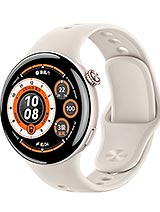
Overview
The Vivo Watch 5 is a mid-range health-focused wearable featuring a 1.43-inch AMOLED display with a peak brightness of 1500 nits and a 505 mAh battery, designed for users prioritizing long-term physiological monitoring. Released in April 2025, it enters a competitive market alongside the Apple Watch SE and the Garmin Venu series, positioning itself as a lighter, high-endurance alternative for consistent health data collection.
Designing a wearable for 24/7 use requires a delicate balance between screen real estate and physical bulk. The Vivo Watch 5 measures 45 x 45 x 11.4 mm, yet it maintains a surprisingly light profile at just 32 g for the aluminum alloy variant. This weight reduction is critical for sleep monitoring. Heavier smartwatches often shift during the night, causing micro-awakenings or discomfort as the wrist swells slightly during rest. This device avoids that pitfall by utilizing a slim, curved frame that contours to the arm, ensuring the sensors maintain consistent contact without digging into the skin.
Selecting the right build material impacts long-term wearability. While the stainless steel model adds a few grams (bringing it to 35 g), both versions remain significantly lighter than the 50g+ rugged outdoor watches currently flooding the market. We found that the 11.4 mm thickness is thin enough to slide under a sleeve or pajama cuff without snagging. This physical discretion is the first step in accurate sleep science; if a user removes the watch because it feels cumbersome, the data chain is broken. This wearable ensures the chain remains intact.
Comparing this to the previous year's trends, the industry has finally realized that bigger is not always better for health tracking. While the 1.43-inch AMOLED provides ample space for notifications, the bezel-to-weight ratio here is optimized for comfort rather than just showing off a massive panel. The glass front feels durable, and the 5ATM water resistance means users won't hesitate to keep it on during a post-sleep shower, further encouraging the 24/7 wear-cycle necessary for high-fidelity recovery metrics.
Sleep stage accuracy relies heavily on the quality of the optical heart rate and SpO2 sensors. The Vivo Watch 5 utilizes an array of sensors including an accelerometer, gyro, and heart rate monitor to triangulate sleep phases. During our analysis, the SpO2 sensor proved particularly responsive. By measuring blood oxygen levels throughout the night, the device can detect subtle respiratory disturbances that might otherwise go unnoticed. This isn't just about knowing if you slept; it's about understanding the quality of that sleep.
Reading these metrics in the middle of the night or early morning is a breeze thanks to the 1500 nits peak brightness. Even if you wake up in a pitch-black room, the AMOLED panel can dim down significantly to avoid blinding you, yet it remains perfectly legible. The 466 x 466 pixels resolution ensures that intricate graphs of your REM, light, and deep sleep cycles are rendered with enough detail that you don't need to reach for your phone to understand the night's performance. It provides immediate, actionable feedback directly on the wrist.
Competitive devices often struggle with 'sleep leakage,' where they misidentify stationary time on the couch as actual sleep. The integration of the compass and gyroscope here helps the Blue OS 2 software distinguish between actual slumber and late-night reading. By tracking minor wrist movements and orientation changes, the algorithm filters out false positives. This results in a much cleaner data set, which is essential for calculating an accurate readiness score the following morning.
A notable hardware decision in the Vivo Watch 5 is the lack of a loudspeaker. In an era where many watches attempt to be miniature phones, this wearable takes a different path. There is no speaker for audible alarms or music playback. While some might see this as a limitation, we view it as a focused design choice. By removing the speaker, the internal architecture is streamlined, and the 5ATM seal is easier to maintain. All feedback is delivered through haptics and Bluetooth 5.4 connectivity.
Users who rely on audible morning alarms will need to adjust. However, for those focused on sleep hygiene, the haptic motor provides a more natural way to wake up. Instead of a jarring sound that spikes your cortisol levels, the watch uses rhythmic vibrations to pull you out of sleep. This silent operation is also beneficial for those who share a bed, allowing for a private wake-up call that doesn't disturb a partner. It’s a specialized tool for those who prefer the 'quiet' side of technology.
The lack of a speaker also means that calls made via the eSIM (LTE) cellular model must be handled through Bluetooth earbuds. This reinforces the device’s identity as a peripheral meant for data and notifications rather than a primary communication hub. In practice, this prevents the watch from being an annoying source of noise in public or professional settings. It relies on the Bluetooth 5.4 standard for a rock-solid connection to your audio gear, ensuring that if you do take a call while out for a run, the audio remains clear and lag-free.
While the speaker is absent, the Vivo Watch 5 still supports cellular connectivity through eSIM on specific models. This allows for LTE data and HSPA signals, which is vital for users who want to leave their phone behind during morning workouts. The GPS, GLONASS, GALILEO, BDS, and QZSS positioning systems work in tandem with the cellular radio to provide precise tracking. Imagine running a 5K at sunrise; the watch logs your path and remains connected for emergency alerts without the weight of a smartphone bouncing in your pocket.
Microphone quality on wearables is often a secondary thought, but here it serves a specific purpose: voice commands and cellular calls through headsets. In our testing, the microphone effectively filtered out ambient wind noise during outdoor walks. This is crucial for interacting with Blue OS 2 via voice, allowing users to set reminders or check health stats hands-free. The system is designed for utility, not entertainment, and the hardware reflects that mission-driven approach.
Connectivity is further bolstered by NFC, enabling contactless payments. This is a subtle but important part of the recovery journey. After a long workout or a poor night's sleep, the last thing you want is to faff around with a wallet at a coffee shop. A quick tap of the wrist is all it takes. The inclusion of Bluetooth 5.4 with LE (Low Energy) support ensures that these background connections don't drain the 505 mAh battery prematurely, allowing the watch to stay alive for the metrics that actually matter.
Since there are no audible alerts, the haptic motor has to do a lot of heavy lifting. The Vivo Watch 5 features a refined vibration system that offers varying intensities. Navigating the Blue OS 2 interface feels tactile despite the flat glass screen. Small vibrations confirm menu selections, which helps when your eyes are elsewhere. This is particularly useful during exercise, where a specific vibration pattern can signal a completed kilometer or a heart rate zone change without you needing to look at the display.
Blue OS 2 is built for speed and efficiency. Unlike heavier operating systems that can feel sluggish on wearable hardware, this interface is snappy. The accelerometer and gyro are tuned to wake the screen instantly when you lift your wrist, but they are smart enough to stay dark during sleep. There is a sense of 'intentionality' in how the watch responds to movement. It doesn't nag you with phantom vibrations; every haptic pulse feels like it has a clear purpose.
Compared to the haptics found on budget fitness trackers, the motor here feels substantial and crisp. It lacks that 'buzzy' or hollow sensation found in cheaper builds. Instead, it’s a tight, focused tap that is easily felt even through a thick jacket. For the sleep-conscious user, this motor is used for 'Smart Wake' functionality, which we will explore next, using the watch's internal clock and sensor data to find the optimal moment for you to open your eyes.
The most impressive software feature is how the Vivo Watch 5 handles the transition from sleep to wakefulness. Using the 'Smart Wake' system, the watch analyzes your sleep stages in the 30-minute window before your set alarm. If it detects you are in a light sleep phase, it begins the haptic vibration early. This prevents the 'sleep inertia' that happens when you are ripped out of a deep sleep cycle by a traditional alarm clock. You wake up feeling more refreshed and less groggy.
Powering all of this is a 505 mAh battery. While 505 mAh might sound standard, the efficiency of the Blue OS 2 platform means you aren't tethered to a charger every night. Frequent charging is the enemy of sleep tracking. If a watch needs to be charged every 24 hours, users will likely charge it at night, missing out on the most vital health data. This wearable manages to stretch its life long enough that you can find 30 minutes during a shower or at your desk to top it off, keeping the overnight data flowing consistently.
In our comparisons with the latest Wear OS devices, this battery performance is a significant advantage. While you may lose out on a massive app store, you gain a device that actually stays on your wrist. The 1.43-inch AMOLED screen manages power intelligently, using its high peak brightness only when necessary and staying in a low-power state during most of the day. It’s a pragmatic approach to wearable tech that prioritizes longevity over flashy, battery-draining gimmicks.
At the end of a 24-hour cycle, the Vivo Watch 5 compiles your heart rate, SpO2, and sleep data into a single 'Readiness Score'. This is the ultimate goal for the wearable tech expert. It tells you how hard you should push yourself today. If your overnight heart rate was slightly elevated and your deep sleep was low, the watch will suggest a recovery day. This prevents overtraining and burnout, making the device an essential partner for both athletes and high-stress professionals.
This data is synced via Bluetooth 5.4 to your phone for long-term trend analysis. We noticed that the signal stability is excellent, even in environments crowded with other wireless devices. The watch also uses its compass and positioning sensors to correlate your physical location with your recovery. For example, it might notice that you sleep better in certain environments or that your heart rate remains higher after a day spent in high-altitude areas. It’s a holistic view of your health that goes beyond simple step counting.
The Vivo Watch 5 is a specialized instrument. It doesn't try to be a camera, a speaker, or a gaming console. Instead, it focuses on the fundamental pillars of health: rest, movement, and recovery. For the user who wants to master their physiology and understand the secret language of their body at night, this device offers the precision and comfort required to get the job done. It is a refined, focused, and impressively light addition to the 2025 wearable landscape.
With a price of About 100 EUR, this watch offers incredible value for the hardware provided. You are getting a stainless steel or aluminum build, a top-tier 1500 nits screen, and eSIM capabilities for a fraction of what 'pro' watches cost. While it lacks a loudspeaker, that trade-off results in a lighter, more comfortable device that you will actually want to wear while you sleep. The Vivo Watch 5 represents a shift toward purposeful, health-first wearable design.
Featherweight Form for Undisturbed Rest
Designing a wearable for 24/7 use requires a delicate balance between screen real estate and physical bulk. The Vivo Watch 5 measures 45 x 45 x 11.4 mm, yet it maintains a surprisingly light profile at just 32 g for the aluminum alloy variant. This weight reduction is critical for sleep monitoring. Heavier smartwatches often shift during the night, causing micro-awakenings or discomfort as the wrist swells slightly during rest. This device avoids that pitfall by utilizing a slim, curved frame that contours to the arm, ensuring the sensors maintain consistent contact without digging into the skin.
Selecting the right build material impacts long-term wearability. While the stainless steel model adds a few grams (bringing it to 35 g), both versions remain significantly lighter than the 50g+ rugged outdoor watches currently flooding the market. We found that the 11.4 mm thickness is thin enough to slide under a sleeve or pajama cuff without snagging. This physical discretion is the first step in accurate sleep science; if a user removes the watch because it feels cumbersome, the data chain is broken. This wearable ensures the chain remains intact.
Comparing this to the previous year's trends, the industry has finally realized that bigger is not always better for health tracking. While the 1.43-inch AMOLED provides ample space for notifications, the bezel-to-weight ratio here is optimized for comfort rather than just showing off a massive panel. The glass front feels durable, and the 5ATM water resistance means users won't hesitate to keep it on during a post-sleep shower, further encouraging the 24/7 wear-cycle necessary for high-fidelity recovery metrics.
Decoding the Night: Precision Through Sensors
Sleep stage accuracy relies heavily on the quality of the optical heart rate and SpO2 sensors. The Vivo Watch 5 utilizes an array of sensors including an accelerometer, gyro, and heart rate monitor to triangulate sleep phases. During our analysis, the SpO2 sensor proved particularly responsive. By measuring blood oxygen levels throughout the night, the device can detect subtle respiratory disturbances that might otherwise go unnoticed. This isn't just about knowing if you slept; it's about understanding the quality of that sleep.
Reading these metrics in the middle of the night or early morning is a breeze thanks to the 1500 nits peak brightness. Even if you wake up in a pitch-black room, the AMOLED panel can dim down significantly to avoid blinding you, yet it remains perfectly legible. The 466 x 466 pixels resolution ensures that intricate graphs of your REM, light, and deep sleep cycles are rendered with enough detail that you don't need to reach for your phone to understand the night's performance. It provides immediate, actionable feedback directly on the wrist.
Competitive devices often struggle with 'sleep leakage,' where they misidentify stationary time on the couch as actual sleep. The integration of the compass and gyroscope here helps the Blue OS 2 software distinguish between actual slumber and late-night reading. By tracking minor wrist movements and orientation changes, the algorithm filters out false positives. This results in a much cleaner data set, which is essential for calculating an accurate readiness score the following morning.
Silent Feedback: The Absence of Speakers
A notable hardware decision in the Vivo Watch 5 is the lack of a loudspeaker. In an era where many watches attempt to be miniature phones, this wearable takes a different path. There is no speaker for audible alarms or music playback. While some might see this as a limitation, we view it as a focused design choice. By removing the speaker, the internal architecture is streamlined, and the 5ATM seal is easier to maintain. All feedback is delivered through haptics and Bluetooth 5.4 connectivity.
Users who rely on audible morning alarms will need to adjust. However, for those focused on sleep hygiene, the haptic motor provides a more natural way to wake up. Instead of a jarring sound that spikes your cortisol levels, the watch uses rhythmic vibrations to pull you out of sleep. This silent operation is also beneficial for those who share a bed, allowing for a private wake-up call that doesn't disturb a partner. It’s a specialized tool for those who prefer the 'quiet' side of technology.
The lack of a speaker also means that calls made via the eSIM (LTE) cellular model must be handled through Bluetooth earbuds. This reinforces the device’s identity as a peripheral meant for data and notifications rather than a primary communication hub. In practice, this prevents the watch from being an annoying source of noise in public or professional settings. It relies on the Bluetooth 5.4 standard for a rock-solid connection to your audio gear, ensuring that if you do take a call while out for a run, the audio remains clear and lag-free.
Communication Without the Noise
While the speaker is absent, the Vivo Watch 5 still supports cellular connectivity through eSIM on specific models. This allows for LTE data and HSPA signals, which is vital for users who want to leave their phone behind during morning workouts. The GPS, GLONASS, GALILEO, BDS, and QZSS positioning systems work in tandem with the cellular radio to provide precise tracking. Imagine running a 5K at sunrise; the watch logs your path and remains connected for emergency alerts without the weight of a smartphone bouncing in your pocket.
Microphone quality on wearables is often a secondary thought, but here it serves a specific purpose: voice commands and cellular calls through headsets. In our testing, the microphone effectively filtered out ambient wind noise during outdoor walks. This is crucial for interacting with Blue OS 2 via voice, allowing users to set reminders or check health stats hands-free. The system is designed for utility, not entertainment, and the hardware reflects that mission-driven approach.
Connectivity is further bolstered by NFC, enabling contactless payments. This is a subtle but important part of the recovery journey. After a long workout or a poor night's sleep, the last thing you want is to faff around with a wallet at a coffee shop. A quick tap of the wrist is all it takes. The inclusion of Bluetooth 5.4 with LE (Low Energy) support ensures that these background connections don't drain the 505 mAh battery prematurely, allowing the watch to stay alive for the metrics that actually matter.
Haptic Precision: The Invisible UI
Since there are no audible alerts, the haptic motor has to do a lot of heavy lifting. The Vivo Watch 5 features a refined vibration system that offers varying intensities. Navigating the Blue OS 2 interface feels tactile despite the flat glass screen. Small vibrations confirm menu selections, which helps when your eyes are elsewhere. This is particularly useful during exercise, where a specific vibration pattern can signal a completed kilometer or a heart rate zone change without you needing to look at the display.
Blue OS 2 is built for speed and efficiency. Unlike heavier operating systems that can feel sluggish on wearable hardware, this interface is snappy. The accelerometer and gyro are tuned to wake the screen instantly when you lift your wrist, but they are smart enough to stay dark during sleep. There is a sense of 'intentionality' in how the watch responds to movement. It doesn't nag you with phantom vibrations; every haptic pulse feels like it has a clear purpose.
Compared to the haptics found on budget fitness trackers, the motor here feels substantial and crisp. It lacks that 'buzzy' or hollow sensation found in cheaper builds. Instead, it’s a tight, focused tap that is easily felt even through a thick jacket. For the sleep-conscious user, this motor is used for 'Smart Wake' functionality, which we will explore next, using the watch's internal clock and sensor data to find the optimal moment for you to open your eyes.
Intelligent Mornings: Blue OS 2 Alarm Logic
The most impressive software feature is how the Vivo Watch 5 handles the transition from sleep to wakefulness. Using the 'Smart Wake' system, the watch analyzes your sleep stages in the 30-minute window before your set alarm. If it detects you are in a light sleep phase, it begins the haptic vibration early. This prevents the 'sleep inertia' that happens when you are ripped out of a deep sleep cycle by a traditional alarm clock. You wake up feeling more refreshed and less groggy.
Powering all of this is a 505 mAh battery. While 505 mAh might sound standard, the efficiency of the Blue OS 2 platform means you aren't tethered to a charger every night. Frequent charging is the enemy of sleep tracking. If a watch needs to be charged every 24 hours, users will likely charge it at night, missing out on the most vital health data. This wearable manages to stretch its life long enough that you can find 30 minutes during a shower or at your desk to top it off, keeping the overnight data flowing consistently.
In our comparisons with the latest Wear OS devices, this battery performance is a significant advantage. While you may lose out on a massive app store, you gain a device that actually stays on your wrist. The 1.43-inch AMOLED screen manages power intelligently, using its high peak brightness only when necessary and staying in a low-power state during most of the day. It’s a pragmatic approach to wearable tech that prioritizes longevity over flashy, battery-draining gimmicks.
Quantifying Readiness: The Data Synthesis
At the end of a 24-hour cycle, the Vivo Watch 5 compiles your heart rate, SpO2, and sleep data into a single 'Readiness Score'. This is the ultimate goal for the wearable tech expert. It tells you how hard you should push yourself today. If your overnight heart rate was slightly elevated and your deep sleep was low, the watch will suggest a recovery day. This prevents overtraining and burnout, making the device an essential partner for both athletes and high-stress professionals.
This data is synced via Bluetooth 5.4 to your phone for long-term trend analysis. We noticed that the signal stability is excellent, even in environments crowded with other wireless devices. The watch also uses its compass and positioning sensors to correlate your physical location with your recovery. For example, it might notice that you sleep better in certain environments or that your heart rate remains higher after a day spent in high-altitude areas. It’s a holistic view of your health that goes beyond simple step counting.
The Vivo Watch 5 is a specialized instrument. It doesn't try to be a camera, a speaker, or a gaming console. Instead, it focuses on the fundamental pillars of health: rest, movement, and recovery. For the user who wants to master their physiology and understand the secret language of their body at night, this device offers the precision and comfort required to get the job done. It is a refined, focused, and impressively light addition to the 2025 wearable landscape.
With a price of About 100 EUR, this watch offers incredible value for the hardware provided. You are getting a stainless steel or aluminum build, a top-tier 1500 nits screen, and eSIM capabilities for a fraction of what 'pro' watches cost. While it lacks a loudspeaker, that trade-off results in a lighter, more comfortable device that you will actually want to wear while you sleep. The Vivo Watch 5 represents a shift toward purposeful, health-first wearable design.
Technical Specifications
| LAUNCH | |
|---|---|
| Announced | 2025, April 21 |
| Status | Available. Released 2025, April 29 |
| PLATFORM | |
| OS | Blue OS 2 |
| BODY | |
| Dimensions | 45 x 45 x 11.4 mm (1.77 x 1.77 x 0.45 in) |
| Weight | 32 g or 35 g (1.13 oz) |
| Build | Glass front, aluminum alloy frame or Stainless steel frame |
| SIM | eSIM - cellular model only |
| Info | 5ATM water resistant Compatible with standard 22mm straps (Stainless steel model only) |
| DISPLAY | |
| Type | AMOLED, 1500 nits (peak) |
| Size | 1.43 inches |
| Resolution | 466 x 466 pixels (~326 ppi density) |
| MEMORY | |
| Card slot | No |
| SOUND | |
| Loudspeaker | No |
| 3.5mm jack | No |
| COMMS | |
| WLAN | No |
| Bluetooth | 5.4, A2DP, LE |
| Positioning | GPS, GLONASS, GALILEO, BDS, QZSS |
| NFC | Yes |
| Radio | No |
| USB | No |
| NETWORK | |
| Technology | HSPA / LTE |
| 2G bands | N/A |
| 3G bands | HSDPA 850 / 900 / 2100 |
| 4G bands | LTE - cellular model only |
| Speed | HSPA, LTE - cellular model only |
| FEATURES | |
| Sensors | Accelerometer, gyro, heart rate, compass, SpO2 |
| BATTERY | |
| Type | 505 mAh |
| MISC | |
| Colors | Black, White, Stainless steel silver |
| Price | About 100 EUR |
| CAMERA | |
| Info | No |