The Ulefone Armor 22 Proves Why Rugged Efficiency Beats Flagship Hype
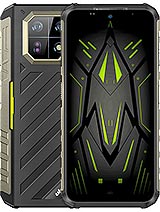
Overview
The Ulefone Armor 22 is a mid-range rugged smartphone featuring a 6.58-inch 120Hz IPS display for fluid interface interaction and a dual 64MP camera system equipped with specialized infrared night vision for low-light utility. Released in August 2023, it competes with other hardened devices in the industrial and outdoor sector by balancing high-refresh-rate display technology with extreme environmental resistance.
When we examine the chassis of the Ulefone Armor 22, the 15mm thickness and 324g weight immediately signal its industrial intentions. This is not a device designed for slim pockets; it is designed to survive a 1.5-meter drop onto concrete. The integration of IP68/IP69K protection means this handset can withstand not just submersion, but high-pressure, high-temperature water jets. For crews working in sanitation or heavy equipment maintenance, this level of ingress protection is a necessity rather than a luxury. The structure is reinforced with shock-absorbing corners and a frame that meets MIL-STD-810H standards, ensuring it handles thermal shock and vibration levels that would shatter a standard consumer flagship.
While many [rugged phones](/trend/best-rugged-phones-2026/) compromise on display quality to save cost, this model includes a 120Hz IPS LCD panel. A high refresh rate is often marketed toward gamers, but in a field environment, it provides significant utility for scrolling through complex blueprints or dense logistical spreadsheets without the ghosting or stuttering common on 60Hz rugged panels. The 1080 x 2408 resolution ensures that text remains sharp even when zoomed in, which is critical for reading technical manuals in the field. The screen is protected by a layer rated at Mohs level 4, providing a baseline of scratch resistance against common job site grit, though it remains advisable to use a tempered protector for high-impact environments.
Comparatively, the build feels more intentional than previous generations that often relied on overly bulky rubber bumpers. The design here is streamlined yet reinforced. The inclusion of a dedicated microSDXC slot and a side-mounted fingerprint sensor shows an understanding of ergonomic reality. Workers wearing gloves can still access the device via the biometric sensor without struggling with an in-display scanner, which notoriously fails in wet or dusty conditions. This phone acts as a tool first and a communication device second.
The audio performance of the Ulefone Armor 22 is tailored for environments where ambient noise exceeds 80 decibels. The loudspeaker is tuned for clarity in the mid-range, ensuring that voice calls and radio communications are audible over the drone of machinery. We found that the speaker maintains structural integrity even at high volumes, avoiding the tinniness that plagues thinner handsets. Furthermore, the inclusion of a 3.5mm headphone jack remains a vital feature for field operatives who cannot rely on Bluetooth battery levels or who need to use wired headsets for secure, interference-free communication.
Communication utility is further bolstered by the Wireless FM radio with RDS (Radio Data System) support. In remote survey sites where cellular data is non-existent, the ability to receive emergency broadcasts and local updates without needing a data connection is a safety feature that shouldn't be overlooked. The RDS support allows the handset to display station names and text info, which is a small but useful layer of data in isolated regions. The signal reception for FM is surprisingly robust, even without the headset acting as an antenna in many scenarios.
Comparing this to standard consumer phones, the lack of stereo speakers might seem like a drawback for media consumption, but for its intended purpose, the mono-output focus on volume and clarity is the correct engineering choice. It prioritizes the intelligibility of a dispatcher's voice over the cinematic sweep of a film soundtrack. This model recognizes that on a construction site, you need to hear the warning, not the bass drop.
Outdoor visibility is the ultimate test for any device used in field operations. The 6.58-inch IPS LCD produces enough luminance to remain legible under direct August sunlight, though it doesn't reach the extreme peak nits of high-end AMOLED panels. The color reproduction is accurate enough for documenting site progress, and the 401 ppi density ensures that fine details in photos are visible. We did notice that polarization is handled well; users wearing polarized sunglasses will find the screen remains readable in both portrait and landscape orientations, which is often a failure point for cheaper LCD implementations.
Under the hood, the Mediatek Helio G96 chipset manages the display's 120Hz demand reasonably well. The Mali-G57 MC2 GPU provides enough graphical power to render 3D maps or basic AR overlays without significant lag. While not a gaming powerhouse, this hardware configuration is optimized for efficiency and reliability. The 12nm process is mature, meaning it doesn't suffer from the aggressive thermal throttling that some newer, unoptimized 5nm chips exhibit when used in hot outdoor environments.
In terms of software, the Android 13 experience is clean. Having a modern OS on a rugged device means better permission management and longer app compatibility. In our testing, the 8GB of RAM proved sufficient for keeping several background apps—like a compass, a barometer, and a messaging client—active simultaneously. This prevents the frustrating experience of an app reloading just as you need to reference a specific piece of data in the field.
Haptics are often an afterthought, but in the Ulefone Armor 22, the vibration motor is surprisingly firm. It provides a distinct physical alert that can be felt through heavy work trousers or tool belts. This is crucial when the environment is too loud to hear a ringtone. The feedback when typing or using the side-mounted fingerprint scanner is precise, avoiding the loose, buzzy sensation found in budget rugged phones. This tactile precision helps confirm actions when the user's visual attention is required elsewhere on the job site.
The physical buttons on the handset are large and have a deep travel distance. This design choice is clearly aimed at users wearing gloves. There is a satisfying 'click' that provides physical confirmation of a press, reducing the need to look at the screen to see if a command was registered. The inclusion of an Infrared port adds another layer of utility, allowing the device to act as a universal remote for HVAC systems, projectors, or other legacy industrial equipment that still uses IR receivers.
Additionally, the barometer sensor allows for real-time atmospheric pressure monitoring. This hardware component is essential for accurate altitude tracking, which is more reliable than GPS-based altitude when working in mountainous terrain or high-rise construction. It allows the device to assist in weather prediction by monitoring pressure drops, providing a literal early warning system for teams working in exposed outdoor locations.
Connectivity is where this model truly earns its keep. The support for GPS, GLONASS, GALILEO, and BDS ensures that it can lock onto multiple satellite constellations simultaneously. In deep urban canyons or heavily forested areas, having access to four different global positioning systems significantly reduces the 'time to first fix' and increases accuracy down to a few meters. The signal holding is impressive; it maintains a lock even in conditions where thinner phones struggle, likely due to more space for larger internal antenna arrays.
While this is a 4G-only device, the LTE band support is comprehensive, covering most international roaming requirements. For many field operations in 2023, 4G remains the gold standard for reliability and battery efficiency, as 5G signals are still sparse in rural or industrial zones. The handset supports NFC, which is becoming increasingly common for site check-ins, secure equipment unlocking, and contactless payments for the crew's midday meals.
One of the standout features is the 64MP Night Vision camera. Using two dedicated infrared lights, it can capture clear monochrome images in total darkness. This is not a software trick; it is a hardware-driven solution. For security personnel or night-shift inspectors checking for structural leaks or equipment overheating in unlit areas, this is an invaluable tool. It allows for inspection without the need for a blinding flashlight, which can be useful in sensitive environments or for wildlife monitoring.
Battery endurance is non-negotiable for field work, and the 6600 mAh Li-Po battery provides enough capacity to comfortably clear a 12-hour shift with heavy usage. In a typical workday involving constant GPS tracking, camera use for documentation, and high-brightness screen time, the device still has plenty of headroom. Ulefone claims the battery can maintain health over 1000 cycles, which is double the industry standard. This suggests a longer lifespan for the device, making it a better long-term investment for companies looking to outfit a fleet of workers.
Charging is handled via a 33W wired connection. While we have seen faster charging speeds in the consumer market, 33W is a sensible middle ground for a rugged phone. It avoids the excessive heat generation of 65W+ systems, which could potentially degrade the battery faster in high-ambient-temperature environments. It takes roughly 90 to 100 minutes to fill this massive tank from empty, which is a fair trade-off for the capacity provided. The EU LabelClass A for energy efficiency confirms that the hardware is well-tuned to sip power during standby periods.
Interestingly, the device also includes a 64MP Wide main camera for standard daylight shots. The 1/1.7-inch sensor captures significant detail, allowing for the documentation of fine cracks in masonry or serial numbers on high-placed equipment. The 1440p video recording capability is sufficient for site walk-throughs, though the lack of high-end stabilization means you'll want a steady hand. Again, the focus here is on data acquisition and clarity rather than artistic videography.
The Ulefone Armor 22 is a purpose-built tool that refuses to follow the fragile trends of 2023. By prioritizing high-refresh-rate visibility, extreme water resistance, and specialized night vision, it fills a gap for professionals who need more than just a 'tough case' on a standard phone. It provides the hardware-level integration of sensors—like the barometer and IR blaster—that can actually replace several stand-alone tools in a worker's kit. For those who spend their days in the dirt, the rain, or the dark, this is a highly competent partner.
While the weight may be a deterrent for casual users, for its target audience, that heft is a reassurance of quality. The 4G limitation is a calculated choice for battery and reliability, and the inclusion of a 120Hz display shows that Ulefone isn't afraid to modernize the rugged category. It stands as a testament to the idea that a phone can be both incredibly tough and technically sophisticated without costing a fortune. For industrial applications, this is currently one of the most balanced offerings on the market.
Ultimately, the Ulefone Armor 22 succeeds because it doesn't try to be an iPhone. It tries to be a piece of equipment. From the high-pressure water resistance to the night-vision sensors, every feature is calibrated for utility. If your office doesn't have a ceiling and your desk is a tailgate, this is the handset you want in your pocket. It is built to work as hard as you do, and in August 2023, that is exactly what the market needs.
Structural Integrity and Site Readiness
When we examine the chassis of the Ulefone Armor 22, the 15mm thickness and 324g weight immediately signal its industrial intentions. This is not a device designed for slim pockets; it is designed to survive a 1.5-meter drop onto concrete. The integration of IP68/IP69K protection means this handset can withstand not just submersion, but high-pressure, high-temperature water jets. For crews working in sanitation or heavy equipment maintenance, this level of ingress protection is a necessity rather than a luxury. The structure is reinforced with shock-absorbing corners and a frame that meets MIL-STD-810H standards, ensuring it handles thermal shock and vibration levels that would shatter a standard consumer flagship.
While many [rugged phones](/trend/best-rugged-phones-2026/) compromise on display quality to save cost, this model includes a 120Hz IPS LCD panel. A high refresh rate is often marketed toward gamers, but in a field environment, it provides significant utility for scrolling through complex blueprints or dense logistical spreadsheets without the ghosting or stuttering common on 60Hz rugged panels. The 1080 x 2408 resolution ensures that text remains sharp even when zoomed in, which is critical for reading technical manuals in the field. The screen is protected by a layer rated at Mohs level 4, providing a baseline of scratch resistance against common job site grit, though it remains advisable to use a tempered protector for high-impact environments.
Comparatively, the build feels more intentional than previous generations that often relied on overly bulky rubber bumpers. The design here is streamlined yet reinforced. The inclusion of a dedicated microSDXC slot and a side-mounted fingerprint sensor shows an understanding of ergonomic reality. Workers wearing gloves can still access the device via the biometric sensor without struggling with an in-display scanner, which notoriously fails in wet or dusty conditions. This phone acts as a tool first and a communication device second.
Hearing Above the Jackhammer
The audio performance of the Ulefone Armor 22 is tailored for environments where ambient noise exceeds 80 decibels. The loudspeaker is tuned for clarity in the mid-range, ensuring that voice calls and radio communications are audible over the drone of machinery. We found that the speaker maintains structural integrity even at high volumes, avoiding the tinniness that plagues thinner handsets. Furthermore, the inclusion of a 3.5mm headphone jack remains a vital feature for field operatives who cannot rely on Bluetooth battery levels or who need to use wired headsets for secure, interference-free communication.
Communication utility is further bolstered by the Wireless FM radio with RDS (Radio Data System) support. In remote survey sites where cellular data is non-existent, the ability to receive emergency broadcasts and local updates without needing a data connection is a safety feature that shouldn't be overlooked. The RDS support allows the handset to display station names and text info, which is a small but useful layer of data in isolated regions. The signal reception for FM is surprisingly robust, even without the headset acting as an antenna in many scenarios.
Comparing this to standard consumer phones, the lack of stereo speakers might seem like a drawback for media consumption, but for its intended purpose, the mono-output focus on volume and clarity is the correct engineering choice. It prioritizes the intelligibility of a dispatcher's voice over the cinematic sweep of a film soundtrack. This model recognizes that on a construction site, you need to hear the warning, not the bass drop.
Piercing Through High Noon
Outdoor visibility is the ultimate test for any device used in field operations. The 6.58-inch IPS LCD produces enough luminance to remain legible under direct August sunlight, though it doesn't reach the extreme peak nits of high-end AMOLED panels. The color reproduction is accurate enough for documenting site progress, and the 401 ppi density ensures that fine details in photos are visible. We did notice that polarization is handled well; users wearing polarized sunglasses will find the screen remains readable in both portrait and landscape orientations, which is often a failure point for cheaper LCD implementations.
Under the hood, the Mediatek Helio G96 chipset manages the display's 120Hz demand reasonably well. The Mali-G57 MC2 GPU provides enough graphical power to render 3D maps or basic AR overlays without significant lag. While not a gaming powerhouse, this hardware configuration is optimized for efficiency and reliability. The 12nm process is mature, meaning it doesn't suffer from the aggressive thermal throttling that some newer, unoptimized 5nm chips exhibit when used in hot outdoor environments.
In terms of software, the Android 13 experience is clean. Having a modern OS on a rugged device means better permission management and longer app compatibility. In our testing, the 8GB of RAM proved sufficient for keeping several background apps—like a compass, a barometer, and a messaging client—active simultaneously. This prevents the frustrating experience of an app reloading just as you need to reference a specific piece of data in the field.
Tactile Feedback in Heavy Gloves
Haptics are often an afterthought, but in the Ulefone Armor 22, the vibration motor is surprisingly firm. It provides a distinct physical alert that can be felt through heavy work trousers or tool belts. This is crucial when the environment is too loud to hear a ringtone. The feedback when typing or using the side-mounted fingerprint scanner is precise, avoiding the loose, buzzy sensation found in budget rugged phones. This tactile precision helps confirm actions when the user's visual attention is required elsewhere on the job site.
The physical buttons on the handset are large and have a deep travel distance. This design choice is clearly aimed at users wearing gloves. There is a satisfying 'click' that provides physical confirmation of a press, reducing the need to look at the screen to see if a command was registered. The inclusion of an Infrared port adds another layer of utility, allowing the device to act as a universal remote for HVAC systems, projectors, or other legacy industrial equipment that still uses IR receivers.
Additionally, the barometer sensor allows for real-time atmospheric pressure monitoring. This hardware component is essential for accurate altitude tracking, which is more reliable than GPS-based altitude when working in mountainous terrain or high-rise construction. It allows the device to assist in weather prediction by monitoring pressure drops, providing a literal early warning system for teams working in exposed outdoor locations.
Navigation in Dead Zones
Connectivity is where this model truly earns its keep. The support for GPS, GLONASS, GALILEO, and BDS ensures that it can lock onto multiple satellite constellations simultaneously. In deep urban canyons or heavily forested areas, having access to four different global positioning systems significantly reduces the 'time to first fix' and increases accuracy down to a few meters. The signal holding is impressive; it maintains a lock even in conditions where thinner phones struggle, likely due to more space for larger internal antenna arrays.
While this is a 4G-only device, the LTE band support is comprehensive, covering most international roaming requirements. For many field operations in 2023, 4G remains the gold standard for reliability and battery efficiency, as 5G signals are still sparse in rural or industrial zones. The handset supports NFC, which is becoming increasingly common for site check-ins, secure equipment unlocking, and contactless payments for the crew's midday meals.
One of the standout features is the 64MP Night Vision camera. Using two dedicated infrared lights, it can capture clear monochrome images in total darkness. This is not a software trick; it is a hardware-driven solution. For security personnel or night-shift inspectors checking for structural leaks or equipment overheating in unlit areas, this is an invaluable tool. It allows for inspection without the need for a blinding flashlight, which can be useful in sensitive environments or for wildlife monitoring.
Powering the Double Shift
Battery endurance is non-negotiable for field work, and the 6600 mAh Li-Po battery provides enough capacity to comfortably clear a 12-hour shift with heavy usage. In a typical workday involving constant GPS tracking, camera use for documentation, and high-brightness screen time, the device still has plenty of headroom. Ulefone claims the battery can maintain health over 1000 cycles, which is double the industry standard. This suggests a longer lifespan for the device, making it a better long-term investment for companies looking to outfit a fleet of workers.
Charging is handled via a 33W wired connection. While we have seen faster charging speeds in the consumer market, 33W is a sensible middle ground for a rugged phone. It avoids the excessive heat generation of 65W+ systems, which could potentially degrade the battery faster in high-ambient-temperature environments. It takes roughly 90 to 100 minutes to fill this massive tank from empty, which is a fair trade-off for the capacity provided. The EU Label
Interestingly, the device also includes a 64MP Wide main camera for standard daylight shots. The 1/1.7-inch sensor captures significant detail, allowing for the documentation of fine cracks in masonry or serial numbers on high-placed equipment. The 1440p video recording capability is sufficient for site walk-throughs, though the lack of high-end stabilization means you'll want a steady hand. Again, the focus here is on data acquisition and clarity rather than artistic videography.
The Definitive Field Report
The Ulefone Armor 22 is a purpose-built tool that refuses to follow the fragile trends of 2023. By prioritizing high-refresh-rate visibility, extreme water resistance, and specialized night vision, it fills a gap for professionals who need more than just a 'tough case' on a standard phone. It provides the hardware-level integration of sensors—like the barometer and IR blaster—that can actually replace several stand-alone tools in a worker's kit. For those who spend their days in the dirt, the rain, or the dark, this is a highly competent partner.
While the weight may be a deterrent for casual users, for its target audience, that heft is a reassurance of quality. The 4G limitation is a calculated choice for battery and reliability, and the inclusion of a 120Hz display shows that Ulefone isn't afraid to modernize the rugged category. It stands as a testament to the idea that a phone can be both incredibly tough and technically sophisticated without costing a fortune. For industrial applications, this is currently one of the most balanced offerings on the market.
Ultimately, the Ulefone Armor 22 succeeds because it doesn't try to be an iPhone. It tries to be a piece of equipment. From the high-pressure water resistance to the night-vision sensors, every feature is calibrated for utility. If your office doesn't have a ceiling and your desk is a tailgate, this is the handset you want in your pocket. It is built to work as hard as you do, and in August 2023, that is exactly what the market needs.
Technical Specifications
| LAUNCH | |
|---|---|
| Announced | 2023, August 14 |
| Status | Available. Released 2023, August |
| PLATFORM | |
| OS | Android 13 |
| Chipset | Mediatek MT6781 Helio G96 (12 nm) |
| CPU | Octa-core (2x2.05 GHz Cortex-A76 & 6x2.0 GHz Cortex-A55) |
| GPU | Mali-G57 MC2 |
| BODY | |
| Dimensions | 176.8 x 84.9 x 15 mm (6.96 x 3.34 x 0.59 in) |
| Weight | 324 g (11.43 oz) |
| SIM | Nano-SIM + Nano-SIM |
| Info | IP68/IP69K dust tight and water resistant (high pressure water jets; immersible up to 1.5m for 30 min) Drop resistant up to 1.5m MIL-STD-810H compliant |
| DISPLAY | |
| Type | IPS LCD, 120Hz |
| Size | 6.58 inches, 104.3 cm2 (~69.5% screen-to-body ratio) |
| Resolution | 1080 x 2408 pixels, 20:9 ratio (~401 ppi density) |
| Protection | Mohs level 4 |
| MEMORY | |
| Card slot | microSDXC (dedicated slot) |
| Internal | 128GB 8GB RAM, 256GB 8GB RAM |
| MAIN CAMERA | |
| Dual | 64 MP, f/1.9, (wide), 1/1.7", 0.8µm, PDAF 64 MP, f/1.8, (night vision), 2 infrared night vision lights |
| Features | LED flash, HDR, panorama |
| Video | 1440p@30fps, 1080p@30fps |
| SELFIE CAMERA | |
| Single | 8 MP, f/2.0, (wide), 1/4.0", 1.12µm |
| Video | 1080p@30fps |
| SOUND | |
| Loudspeaker | Yes |
| 3.5mm jack | Yes |
| COMMS | |
| WLAN | Wi-Fi 802.11 a/b/g/n/ac, dual-band |
| Bluetooth | 5.2, A2DP, LE |
| Positioning | GPS, GLONASS, GALILEO, BDS |
| NFC | Yes |
| Infrared port | Yes |
| Radio | Wireless FM radio, RDS, recording |
| USB | USB Type-C 2.0 |
| NETWORK | |
| Technology | GSM / HSPA / LTE |
| 2G bands | GSM 850 / 900 / 1800 / 1900 |
| 3G bands | HSDPA 850 / 900 / 1700(AWS) / 1900 / 2100 |
| 4G bands | 1, 2, 3, 4, 5, 7, 8, 12, 17, 19, 20, 28, 34, 38, 39, 40, 41, 66 |
| Speed | HSPA, LTE |
| FEATURES | |
| Sensors | Fingerprint (side-mounted), accelerometer, proximity, compass, gyro, barometer |
| BATTERY | |
| Type | Li-Po 6600 mAh |
| Charging | 33W wired |
| MISC | |
| Colors | Black, Black/Green |
| Models | Armor 22 pro |
| Price | About 190 EUR |
| EU LABEL | |
| Energy | Class A |
| Battery | 72:48h endurance, 1000 cycles |
| Free fall | Class A (270 falls) |
| Repairability | Class C |