The Ulefone Armor 25T Pro Redefines What a Survival Tool Should Be
Overview
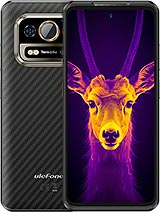
Ulefone Armor 25T Pro is a mid-range rugged smartphone featuring a thermal imaging camera for professional diagnostics and a 6500 mAh battery for extended field operations, aimed at industrial technicians and emergency responders. Released in May 2024, it competes with specialized rugged devices from Blackview and Doogee, offering a unique blend of high-end camera sensors and military-grade durability.
The construction of this device prioritizes structural integrity over aesthetic refinement. Encased in a chassis measuring 177.4 x 81.4 x 12.5 mm, the handset feels like a piece of industrial equipment rather than a consumer gadget. With a weight of 326 grams, it demands a secure holster or a strong grip. The housing isn't just for show; it meets MIL-STD-810H standards, ensuring it survives drops from up to 2 meters directly onto hard surfaces. Most smartphones shatter under such stress, but this model utilizes reinforced corners and a shock-absorbent internal frame to dissipate impact energy.
Water and dust ingress protection is at the absolute peak of current technology. The IP68/IP69K rating means the unit handles more than just a quick dip in a puddle. It is certified for submersion in 2 meters of water for 30 minutes and can withstand high-pressure, high-temperature water jets. For field operators working in monsoons or cleaning equipment with power washers, this level of protection is mandatory. The screen is protected by Corning Gorilla Glass Victus, providing superior scratch resistance and drop protection compared to the standard Gorilla Glass found on most mid-range competitors in May 2024.
The standout feature is the integrated ThermoVue thermal camera. Unlike software-based heat maps, this is a hardware sensor with a resolution of 160x120 pixels operating at 25Hz. In the field, this high refresh rate is critical. It allows for fluid scanning of electrical panels to find hot spots or identifying heat leaks in building insulation without the stuttering common in cheaper 9Hz sensors. The 12μm pixel pitch provides enough detail to distinguish between individual components on a circuit board from a reasonable distance.
Complementing the thermal sensor is a 64 MP night vision camera. Using two dedicated infrared lights, the device captures monochrome images in total darkness. This isn't a gimmick; for security personnel or search and rescue teams operating at night, the ability to see without a visible flashlight is a tactical advantage. The primary sensor is equally impressive: a 50 MP Samsung GN1. With a large 1/1.31" sensor size, it provides the hardware potential for strong low-light performance and natural depth of field, which is often a weak point for rugged handsets.
Under the hood, the Mediatek Dimensity 6300 chipset handles the heavy lifting. Built on a 6 nm process, this octa-core processor balances power consumption with 5G connectivity. While it won't win awards for high-end gaming, it provides a stable experience for GIS mapping software, thermal analysis apps, and communication tools. The inclusion of 5G Sub6 bands (including n77 and n78) ensures the handset maintains high-speed data connections even in congested industrial zones or remote areas where 5G deployment is expanding.
The internal storage uses UFS 2.1 technology. While newer standards like UFS 3.1 or 4.0 exist in May 2024, UFS 2.1 is sufficient for the target audience. It ensures that apps like the thermal suite or offline maps load without agonizing delays. With 256GB of internal space and a dedicated microSDXC slot, storage capacity is unlikely to be a bottleneck for those who need to store thousands of high-resolution thermal images or hours of field video.
Endurance is the lifeblood of a field tool. The 6500 mAh Li-Po battery provides a significant buffer for multi-day assignments. In our analysis of the hardware efficiency, this capacity should easily see a user through two days of heavy use, including frequent thermal scanning and GPS navigation. When the cells finally run dry, the 33W wired charging offers a relatively quick turnaround, though it isn't the fastest in the market.
What sets this model apart from many rivals is the support for 30W wireless charging. In rugged environments where charging ports can become clogged with mud or debris, wireless charging is a cleaner, more reliable alternative. The inclusion of reverse wireless charging allows the device to act as a power bank for smaller peripherals, like a colleague's radio or a set of wireless earbuds, which can be a lifesaver in remote locations.
Shipping with Android 14, the software environment is clean and functional. Ulefone generally avoids heavy skins that bog down performance, focusing instead on a "Digital Toolbox." This suite leverages the hardware sensors, including the barometer, to provide real-time data on air pressure, altitude, and compass headings. These are hardware-level readings, not just GPS approximations, making them more reliable for hikers or workers in deep mines or high-altitude construction sites.
Bloatware is kept to a minimum, though some pre-installed utility apps are present. Most of these are actually useful for the intended demographic, such as the sound meter or the protractor tool. One concern with rugged brands is the frequency of long-term security updates. While the handset launches with the latest OS, users should expect a slower update cadence compared to mainstream flagships from Samsung or Google. However, for a device designed to be used in the mud and rain, the stability of the current build is often more important than the latest aesthetic OS tweaks.
The 6.78-inch IPS LCD features a 120Hz refresh rate, making the interface feel responsive and smooth. The 1080 x 2460 resolution results in a sharp 396 ppi density, which is excellent for reviewing detailed thermal charts or high-res photos. The brightness levels are designed for outdoor visibility, although LCD technology will always struggle slightly more than OLED in direct, harsh midday sunlight.
A critical feature for field work is the Glove Mode. The touchscreen sensitivity can be boosted, allowing technicians to operate the phone without removing protective gear. This, combined with a side-mounted fingerprint sensor that is easy to find by feel, makes the device highly accessible in high-stress situations. The addition of a 3.5mm headphone jack is a welcome sight for those who still rely on wired headsets for clear communication in noisy environments where Bluetooth interference or battery drain is a concern.
The Ulefone Armor 25T Pro is not a device for the average city dweller looking for a slim phone. It is a specialized instrument. By combining the Samsung GN1 50MP sensor with a legitimate ThermoVue thermal sensor and a massive battery, the manufacturer has created a highly capable mobile workstation. It trades elegance for sheer survivability and specialized sight. In the landscape of May 2024, it stands as one of the most cost-effective ways to put high-quality thermal imaging and 5G connectivity into the hands of professionals who work where ordinary phones go to die.
Built for the Cruelest Environments
The construction of this device prioritizes structural integrity over aesthetic refinement. Encased in a chassis measuring 177.4 x 81.4 x 12.5 mm, the handset feels like a piece of industrial equipment rather than a consumer gadget. With a weight of 326 grams, it demands a secure holster or a strong grip. The housing isn't just for show; it meets MIL-STD-810H standards, ensuring it survives drops from up to 2 meters directly onto hard surfaces. Most smartphones shatter under such stress, but this model utilizes reinforced corners and a shock-absorbent internal frame to dissipate impact energy.
Water and dust ingress protection is at the absolute peak of current technology. The IP68/IP69K rating means the unit handles more than just a quick dip in a puddle. It is certified for submersion in 2 meters of water for 30 minutes and can withstand high-pressure, high-temperature water jets. For field operators working in monsoons or cleaning equipment with power washers, this level of protection is mandatory. The screen is protected by Corning Gorilla Glass Victus, providing superior scratch resistance and drop protection compared to the standard Gorilla Glass found on most mid-range competitors in May 2024.
Professional Grade Thermal and Night Vision
The standout feature is the integrated ThermoVue thermal camera. Unlike software-based heat maps, this is a hardware sensor with a resolution of 160x120 pixels operating at 25Hz. In the field, this high refresh rate is critical. It allows for fluid scanning of electrical panels to find hot spots or identifying heat leaks in building insulation without the stuttering common in cheaper 9Hz sensors. The 12μm pixel pitch provides enough detail to distinguish between individual components on a circuit board from a reasonable distance.
Complementing the thermal sensor is a 64 MP night vision camera. Using two dedicated infrared lights, the device captures monochrome images in total darkness. This isn't a gimmick; for security personnel or search and rescue teams operating at night, the ability to see without a visible flashlight is a tactical advantage. The primary sensor is equally impressive: a 50 MP Samsung GN1. With a large 1/1.31" sensor size, it provides the hardware potential for strong low-light performance and natural depth of field, which is often a weak point for rugged handsets.
Performance and Field Connectivity
Under the hood, the Mediatek Dimensity 6300 chipset handles the heavy lifting. Built on a 6 nm process, this octa-core processor balances power consumption with 5G connectivity. While it won't win awards for high-end gaming, it provides a stable experience for GIS mapping software, thermal analysis apps, and communication tools. The inclusion of 5G Sub6 bands (including n77 and n78) ensures the handset maintains high-speed data connections even in congested industrial zones or remote areas where 5G deployment is expanding.
The internal storage uses UFS 2.1 technology. While newer standards like UFS 3.1 or 4.0 exist in May 2024, UFS 2.1 is sufficient for the target audience. It ensures that apps like the thermal suite or offline maps load without agonizing delays. With 256GB of internal space and a dedicated microSDXC slot, storage capacity is unlikely to be a bottleneck for those who need to store thousands of high-resolution thermal images or hours of field video.
Power Management for the Long Haul
Endurance is the lifeblood of a field tool. The 6500 mAh Li-Po battery provides a significant buffer for multi-day assignments. In our analysis of the hardware efficiency, this capacity should easily see a user through two days of heavy use, including frequent thermal scanning and GPS navigation. When the cells finally run dry, the 33W wired charging offers a relatively quick turnaround, though it isn't the fastest in the market.
What sets this model apart from many rivals is the support for 30W wireless charging. In rugged environments where charging ports can become clogged with mud or debris, wireless charging is a cleaner, more reliable alternative. The inclusion of reverse wireless charging allows the device to act as a power bank for smaller peripherals, like a colleague's radio or a set of wireless earbuds, which can be a lifesaver in remote locations.
Software Reliability and Utility Tools
Shipping with Android 14, the software environment is clean and functional. Ulefone generally avoids heavy skins that bog down performance, focusing instead on a "Digital Toolbox." This suite leverages the hardware sensors, including the barometer, to provide real-time data on air pressure, altitude, and compass headings. These are hardware-level readings, not just GPS approximations, making them more reliable for hikers or workers in deep mines or high-altitude construction sites.
Bloatware is kept to a minimum, though some pre-installed utility apps are present. Most of these are actually useful for the intended demographic, such as the sound meter or the protractor tool. One concern with rugged brands is the frequency of long-term security updates. While the handset launches with the latest OS, users should expect a slower update cadence compared to mainstream flagships from Samsung or Google. However, for a device designed to be used in the mud and rain, the stability of the current build is often more important than the latest aesthetic OS tweaks.
Display and Usability in the Wild
The 6.78-inch IPS LCD features a 120Hz refresh rate, making the interface feel responsive and smooth. The 1080 x 2460 resolution results in a sharp 396 ppi density, which is excellent for reviewing detailed thermal charts or high-res photos. The brightness levels are designed for outdoor visibility, although LCD technology will always struggle slightly more than OLED in direct, harsh midday sunlight.
A critical feature for field work is the Glove Mode. The touchscreen sensitivity can be boosted, allowing technicians to operate the phone without removing protective gear. This, combined with a side-mounted fingerprint sensor that is easy to find by feel, makes the device highly accessible in high-stress situations. The addition of a 3.5mm headphone jack is a welcome sight for those who still rely on wired headsets for clear communication in noisy environments where Bluetooth interference or battery drain is a concern.
Final Evaluation of the Ulefone Armor 25T Pro
The Ulefone Armor 25T Pro is not a device for the average city dweller looking for a slim phone. It is a specialized instrument. By combining the Samsung GN1 50MP sensor with a legitimate ThermoVue thermal sensor and a massive battery, the manufacturer has created a highly capable mobile workstation. It trades elegance for sheer survivability and specialized sight. In the landscape of May 2024, it stands as one of the most cost-effective ways to put high-quality thermal imaging and 5G connectivity into the hands of professionals who work where ordinary phones go to die.
Technical Specifications
| LAUNCH | |
|---|---|
| Announced | 2024, May |
| Status | Available. Released 2024, May |
| PLATFORM | |
| OS | Android 14 |
| Chipset | Mediatek Dimensity 6300 (6 nm) |
| CPU | Octa-core (2x2.4 GHz Cortex-A76 & 6x2.0 GHz Cortex-A55) |
| GPU | Mali-G57 MC2 |
| BODY | |
| Dimensions | 177.4 x 81.4 x 12.5 mm (6.98 x 3.20 x 0.49 in) |
| Weight | 326 g (11.50 oz) |
| SIM | Nano-SIM + Nano-SIM |
| Info | IP68/IP69K dust tight and water resistant (high pressure water jets; immersible up to 2m for 30 min) Drop resistant up to 2m MIL-STD-810H compliant |
| DISPLAY | |
| Type | IPS LCD, 120Hz |
| Size | 6.78 inches, 109.2 cm2 (~75.6% screen-to-body ratio) |
| Resolution | 1080 x 2460 pixels (~396 ppi density) |
| Protection | Corning Gorilla Glass Victus |
| MEMORY | |
| Card slot | microSDXC (dedicated slot) |
| Internal | 256GB 6GB RAM |
| Info | UFS 2.1 |
| MAIN CAMERA | |
| Triple | 50 MP, f/1.7, (wide), 1/1.31", 1.2µm, PDAF 64 MP, f/1.8, (night vision), 2 infrared night vision lights Thermal camera by ThermoVue, 160x120 px, 25Hz, 12μm |
| Features | Dual-LED flash, HDR, panorama |
| Video | 1440p@30fps, 1080p@30fps |
| SELFIE CAMERA | |
| Single | 32 MP, f/2.5, (wide), 0.8µm |
| Video | Yes |
| SOUND | |
| Loudspeaker | Yes |
| 3.5mm jack | Yes |
| COMMS | |
| WLAN | Wi-Fi 802.11 a/b/g/n/ac, dual-band |
| Bluetooth | 5.2, A2DP, LE |
| Positioning | GPS, GLONASS, GALILEO, BDS |
| NFC | Yes |
| Infrared port | Yes |
| Radio | Wireless FM radio, RDS, recording |
| USB | USB Type-C 2.0, OTG |
| NETWORK | |
| Technology | GSM / HSPA / LTE / 5G |
| 2G bands | GSM 850 / 900 / 1800 / 1900 |
| 3G bands | HSDPA 800 / 850 / 900 / 1700(AWS) / 1900 / 2100 |
| 4G bands | 1, 2, 3, 4, 5, 7, 8, 12, 13, 17, 18, 19, 20, 25, 26, 28, 34, 38, 39, 40, 41, 66, 71 |
| 5G bands | 1, 3, 5, 8, 20, 28, 38, 41, 71, 77, 78, 79 SA/NSA/Sub6 |
| Speed | HSPA, LTE, 5G |
| FEATURES | |
| Sensors | Fingerprint (side-mounted), accelerometer, gyro, proximity, compass, barometer |
| BATTERY | |
| Type | Li-Po 6500 mAh |
| Charging | 33W wired 30W wireless Reverse wireless |
| MISC | |
| Colors | Black |
| Price | About 420 EUR |