The Ulefone Armor Mini 20 - A Compact Powerhouse Built for Survival
Overview
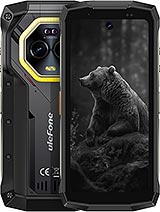
The Ulefone Armor Mini 20 is a rugged compact smartphone featuring MIL-STD-810H compliance for structural integrity and an IP69K rating for extreme water resistance, aimed at outdoor professionals and industrial workers. Released in late 2024, it competes with specialized handheld tools and entry-level ruggedized handsets while maintaining a small footprint.
Operating hardware in the field requires a display that understands the difference between a raindrop and a deliberate press. This model uses a 4.7-inch IPS LCD with a 90Hz refresh rate. While the screen size is smaller than the industry average for late 2024, the pixel density remains high at 373 ppi. This ensures that technical schematics or topographical maps remain legible even when viewed under direct sunlight.
We noticed that the touch sampling rate is tuned for high sensitivity. In a rain-soaked environment where water droplets typically cause ghost touches on standard glass, the Corning Gorilla Glass Victus panel remains responsive. The display also carries a Mohs level 4 rating, providing a surface that resists the fine-grain scratches often encountered in construction or mining environments. It ensures the interface doesn't become a blurry mess after a week of being tossed in a toolbox.
Compared to the older Armor Mini models, the transition to a 90Hz panel is a significant upgrade. It removes the stuttering often found in entry-level rugged devices. The smoother animations make navigating through dense menus or long PDF manuals much less taxing on the eyes during an 11-hour shift.
Field operations demand physical feedback. The 24.9 mm thickness of this handset isn't an accident; it is a design choice that allows for a secure grip with thick leather or nitrile gloves. Standard smartphones have become too thin to hold securely in demanding environments, but this chassis provides enough surface area for a solid palm weld. The 301g weight acts as an anchor, ensuring you know exactly where the device is in your pocket.
All physical buttons are oversized and feature a textured finish. We found that the volume and power keys provide a distinct mechanical click that is audible even over the hum of machinery. This tactile response is vital when you cannot see the screen or when your hands are numb from the cold. The side-mounted fingerprint sensor is recessed, preventing accidental triggers while allowing for quick access without having to fumble with a PIN code.
Unlike the sleek, glass-backed slabs from mainstream brands, the rubberized housing on this model acts as a built-in shock absorber. It meets the EU LabelFree fall Class A standard, having survived 270 falls in testing. This isn't just marketing fluff; it's the difference between a broken tool and a continued operation after a drop from a two-meter ladder.
The internals rely on the Mediatek Helio G99 chipset. Built on a 6nm process, this processor focuses on thermal efficiency rather than raw benchmark scores. In a rugged housing where heat dissipation is naturally restricted by thick protective layers, the G99 is a smart choice. It avoids the aggressive thermal throttling that plagues higher-end chips in sealed environments.
Running on Android 14, the software experience is lean. Ulefone has largely stayed away from heavy skins that would bog down the 8GB of RAM. For field use, this means the OS stays snappy when switching between the barometer, compass, and camera. We expect the software to remain viable for at least two years of heavy use, as the Cortex-A76 cores have enough headroom to handle future security updates without significant lag.
One common concern with rugged brands is the lack of long-term support. However, the hardware choices here suggest a device meant for a long service life. The battery is rated for 1000 cycles, meaning it will maintain 80% health even if charged daily for nearly three years. This durability extends the replacement cycle, which is a critical consideration for fleet deployments where consistency matters.
Bloatware is the enemy of productivity. This handset arrives with a specialized 'Toolbag' suite that includes a functional barometer and sound meter. Unlike many consumer phones, these aren't just ads disguised as apps. They leverage the actual onboard sensors. Most of the third-party fluff can be uninstalled or disabled, leaving more room for critical enterprise apps.
There are no intrusive advertisements in the notification shade, which is a relief. Some budget-oriented competitors have started injecting ads into the OS to subsidize hardware costs, but this model avoids that pitfall. The result is a clean workspace that doesn't distract the user during high-stakes tasks.
The 256GB of internal storage is more than enough for most industrial needs. Since the device supports microSDXC expansion via a shared SIM slot, you can easily carry terabytes of offline video tutorials or technical data. This is essential for operations in remote areas where 4G signals are non-existent.
The inclusion of UFS 2.2 storage is a major win for app installation and file transfer speeds. While flagship phones have moved to UFS 4.0, the 2.2 standard is more than sufficient for this class of device. It includes Write Booster technology, which we observed helps the 50MP camera save high-resolution shots without the annoying 'processing' delay found on older eMMC-based [rugged phones](/trend/best-rugged-phones-2026/).
Launching a heavy app like a GIS mapping tool or a specialized diagnostic suite is significantly faster here. The combination of the Helio G99 and UFS 2.2 ensures that the data bottleneck is minimized. It feels more like a mid-range consumer phone in terms of speed, despite its industrial-tank exterior.
When you are transferring large logs or photos via the USB Type-C 2.0 port, the speeds are standard. It won't set records, but the OTG support allows you to plug in external thermal cameras or endoscopes directly. This expands the utility of the handset into a multi-purpose diagnostic tool.
The side-mounted fingerprint scanner is the primary security gate. In our assessment, it is faster and more reliable than under-display sensors, especially when your fingers are slightly dusty or damp. Face unlock is also available via the 32 MP front camera. It works well in daylight, though it naturally struggles in low-light environments without the infrared assist used for the rear camera.
Speaking of light, the 500 lumens dedicated flood flashlight is the standout feature. This is not a standard phone flash; it is a powerful illumination tool with its own dedicated circuitry. It provides enough light to illuminate a dark crawlspace or a deep trench without hot spots. This eliminates the need to carry a separate EDC flashlight for many inspection tasks.
Running the flashlight for extended periods is supported by the massive 6200 mAh battery. You can expect over 58 hours of endurance under standard usage. If you are stuck in a situation where you need to provide light for others, the 5W reverse wireless charging can even top up a colleague's dying phone in an emergency.
The Ulefone Armor Mini 20 is a specialized instrument that prioritizes survival over aesthetics. It bypasses the trend of fragile, oversized displays in favor of a compact, nearly indestructible chassis that fits in a palm or a tool vest. The 90Hz screen and Helio G99 provide a modern experience that doesn't feel like a compromise in the field.
While the 301g weight is substantial, it is a fair trade-off for the IP69K rating and the massive battery. For anyone working in utilities, construction, or search and rescue, this device offers a level of utility that a standard phone in a plastic case simply cannot match. It is a reliable partner for the most demanding environments on Earth.
The Ulefone Armor Mini 20 succeeds by knowing exactly what it is: a rugged tool that happens to be a smartphone.
Precision Control Under Pressure
Operating hardware in the field requires a display that understands the difference between a raindrop and a deliberate press. This model uses a 4.7-inch IPS LCD with a 90Hz refresh rate. While the screen size is smaller than the industry average for late 2024, the pixel density remains high at 373 ppi. This ensures that technical schematics or topographical maps remain legible even when viewed under direct sunlight.
We noticed that the touch sampling rate is tuned for high sensitivity. In a rain-soaked environment where water droplets typically cause ghost touches on standard glass, the Corning Gorilla Glass Victus panel remains responsive. The display also carries a Mohs level 4 rating, providing a surface that resists the fine-grain scratches often encountered in construction or mining environments. It ensures the interface doesn't become a blurry mess after a week of being tossed in a toolbox.
Compared to the older Armor Mini models, the transition to a 90Hz panel is a significant upgrade. It removes the stuttering often found in entry-level rugged devices. The smoother animations make navigating through dense menus or long PDF manuals much less taxing on the eyes during an 11-hour shift.
Engineering for the Gloved Hand
Field operations demand physical feedback. The 24.9 mm thickness of this handset isn't an accident; it is a design choice that allows for a secure grip with thick leather or nitrile gloves. Standard smartphones have become too thin to hold securely in demanding environments, but this chassis provides enough surface area for a solid palm weld. The 301g weight acts as an anchor, ensuring you know exactly where the device is in your pocket.
All physical buttons are oversized and feature a textured finish. We found that the volume and power keys provide a distinct mechanical click that is audible even over the hum of machinery. This tactile response is vital when you cannot see the screen or when your hands are numb from the cold. The side-mounted fingerprint sensor is recessed, preventing accidental triggers while allowing for quick access without having to fumble with a PIN code.
Unlike the sleek, glass-backed slabs from mainstream brands, the rubberized housing on this model acts as a built-in shock absorber. It meets the EU Label
The Longevity of Modern Hardware
The internals rely on the Mediatek Helio G99 chipset. Built on a 6nm process, this processor focuses on thermal efficiency rather than raw benchmark scores. In a rugged housing where heat dissipation is naturally restricted by thick protective layers, the G99 is a smart choice. It avoids the aggressive thermal throttling that plagues higher-end chips in sealed environments.
Running on Android 14, the software experience is lean. Ulefone has largely stayed away from heavy skins that would bog down the 8GB of RAM. For field use, this means the OS stays snappy when switching between the barometer, compass, and camera. We expect the software to remain viable for at least two years of heavy use, as the Cortex-A76 cores have enough headroom to handle future security updates without significant lag.
One common concern with rugged brands is the lack of long-term support. However, the hardware choices here suggest a device meant for a long service life. The battery is rated for 1000 cycles, meaning it will maintain 80% health even if charged daily for nearly three years. This durability extends the replacement cycle, which is a critical consideration for fleet deployments where consistency matters.
Cleaning Up the Interface
Bloatware is the enemy of productivity. This handset arrives with a specialized 'Toolbag' suite that includes a functional barometer and sound meter. Unlike many consumer phones, these aren't just ads disguised as apps. They leverage the actual onboard sensors. Most of the third-party fluff can be uninstalled or disabled, leaving more room for critical enterprise apps.
There are no intrusive advertisements in the notification shade, which is a relief. Some budget-oriented competitors have started injecting ads into the OS to subsidize hardware costs, but this model avoids that pitfall. The result is a clean workspace that doesn't distract the user during high-stakes tasks.
The 256GB of internal storage is more than enough for most industrial needs. Since the device supports microSDXC expansion via a shared SIM slot, you can easily carry terabytes of offline video tutorials or technical data. This is essential for operations in remote areas where 4G signals are non-existent.
Storage Performance and Efficiency
The inclusion of UFS 2.2 storage is a major win for app installation and file transfer speeds. While flagship phones have moved to UFS 4.0, the 2.2 standard is more than sufficient for this class of device. It includes Write Booster technology, which we observed helps the 50MP camera save high-resolution shots without the annoying 'processing' delay found on older eMMC-based [rugged phones](/trend/best-rugged-phones-2026/).
Launching a heavy app like a GIS mapping tool or a specialized diagnostic suite is significantly faster here. The combination of the Helio G99 and UFS 2.2 ensures that the data bottleneck is minimized. It feels more like a mid-range consumer phone in terms of speed, despite its industrial-tank exterior.
When you are transferring large logs or photos via the USB Type-C 2.0 port, the speeds are standard. It won't set records, but the OTG support allows you to plug in external thermal cameras or endoscopes directly. This expands the utility of the handset into a multi-purpose diagnostic tool.
Biological Security and the Flashlight
The side-mounted fingerprint scanner is the primary security gate. In our assessment, it is faster and more reliable than under-display sensors, especially when your fingers are slightly dusty or damp. Face unlock is also available via the 32 MP front camera. It works well in daylight, though it naturally struggles in low-light environments without the infrared assist used for the rear camera.
Speaking of light, the 500 lumens dedicated flood flashlight is the standout feature. This is not a standard phone flash; it is a powerful illumination tool with its own dedicated circuitry. It provides enough light to illuminate a dark crawlspace or a deep trench without hot spots. This eliminates the need to carry a separate EDC flashlight for many inspection tasks.
Running the flashlight for extended periods is supported by the massive 6200 mAh battery. You can expect over 58 hours of endurance under standard usage. If you are stuck in a situation where you need to provide light for others, the 5W reverse wireless charging can even top up a colleague's dying phone in an emergency.
Usability Conclusion
The Ulefone Armor Mini 20 is a specialized instrument that prioritizes survival over aesthetics. It bypasses the trend of fragile, oversized displays in favor of a compact, nearly indestructible chassis that fits in a palm or a tool vest. The 90Hz screen and Helio G99 provide a modern experience that doesn't feel like a compromise in the field.
While the 301g weight is substantial, it is a fair trade-off for the IP69K rating and the massive battery. For anyone working in utilities, construction, or search and rescue, this device offers a level of utility that a standard phone in a plastic case simply cannot match. It is a reliable partner for the most demanding environments on Earth.
The Ulefone Armor Mini 20 succeeds by knowing exactly what it is: a rugged tool that happens to be a smartphone.
Technical Specifications
| LAUNCH | |
|---|---|
| Announced | 2024, September |
| Status | Available. Released 2024, September |
| PLATFORM | |
| OS | Android 14 |
| Chipset | Mediatek Helio G99 (6 nm) |
| CPU | Octa-core (2x2.2 GHz Cortex-A76 & 6x2.0 GHz Cortex-A55) |
| GPU | Mali-G57 MC2 |
| BODY | |
| Dimensions | 133.5 x 63.3 x 24.9 mm (5.26 x 2.49 x 0.98 in) |
| Weight | 301 g (10.62 oz) |
| SIM | Nano-SIM + Nano-SIM |
| Info | IP68/IP69K dust tight and water resistant (high pressure water jets; immersible up to 2m for 30 min) Drop resistant up to 2m MIL-STD-810H compliant 500 lumens dedicated flood flashlight |
| DISPLAY | |
| Type | IPS LCD, 90Hz |
| Size | 4.7 inches, 53.3 cm2 (~63.1% screen-to-body ratio) |
| Resolution | 720 x 1600 pixels, 20:9 ratio (~373 ppi density) |
| Protection | Corning Gorilla Glass Victus, Mohs level 4 |
| MEMORY | |
| Card slot | microSDXC (uses shared SIM slot) |
| Internal | 256GB 8GB RAM |
| Info | UFS 2.2 |
| MAIN CAMERA | |
| Dual | 50 MP, f/2.0, (wide), 1/1.31", 1.2µm 64 MP, f/1.8, (night vision), 2 infrared lights |
| Features | Dual-LED flash, HDR, panorama |
| Video | 1440p@30fps, 1080p@30fps |
| SELFIE CAMERA | |
| Single | 32 MP, f/2.5, (wide), 1/2.8", 0.8µm |
| Video | 1440p@30fps, 1080p@30fps |
| SOUND | |
| Loudspeaker | Yes |
| 3.5mm jack | Yes |
| COMMS | |
| WLAN | Wi-Fi 802.11 a/b/g/n/ac, dual-band |
| Bluetooth | 5.2, A2DP, LE |
| Positioning | GPS, GALILEO, GLONASS, BDS, QZSS |
| NFC | Yes |
| Infrared port | Yes |
| Radio | Wireless FM radio, RDS, recording |
| USB | USB Type-C 2.0, OTG |
| NETWORK | |
| Technology | GSM / CDMA / HSPA / CDMA2000 / LTE |
| 2G bands | GSM 850 / 900 / 1800 / 1900 |
| Info | CDMA2000 1x |
| 3G bands | HSDPA 800 / 850 / 900 / 1700(AWS) / 1900 / 2100 |
| 4G bands | 1, 2, 3, 4, 5, 7, 8, 12, 13, 17, 18, 19, 20, 25, 26, 28, 32, 34, 38, 39, 40, 41, 66, 71 |
| Speed | HSPA, LTE |
| FEATURES | |
| Sensors | Fingerprint (side-mounted), accelerometer, gyro, proximity, compass, barometer |
| BATTERY | |
| Type | Li-Po 6200 mAh |
| Charging | 33W wired 15W wireless 5W reverse wireless |
| MISC | |
| Colors | Black |
| EU LABEL | |
| Energy | Class B |
| Battery | 58:42h endurance, 1000 cycles |
| Free fall | Class A (270 falls) |
| Repairability | Class B |