The Ultimate Digital Detox - Why the Nokia 150 Music Outlasts Your Flagship
Overview
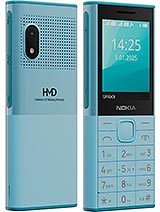
The Nokia 150 Music is a specialized ultra-budget feature phone featuring a 2500 mAh removable battery for extended standby and a dedicated MP3 player for offline audio, aimed at users seeking a secondary emergency device or a distraction-free communication tool. Released in March 2025, it enters a market where digital exhaustion is driving a resurgence in simplified hardware, competing with basic offerings from brands like Itel and Energizer.
From our perspective as value hunters, this device represents the absolute floor of the mobile economy. It is not trying to be a smartphone. It does not pretend to run apps. Instead, it focuses on the fundamental utility of a phone: being reachable and staying powered. In an era where even budget smartphones struggle to clear two days of use, the Nokia 150 Music leans into its limitations to provide something the modern flagship cannot—absolute reliability in a crisis. We see this as a strategic purchase for the pragmatist who views a phone as a tool rather than a lifestyle accessory.
Operating the Nokia 150 Music is a lesson in minimalism. The Unisoc 6531F chipset serves as the heart of the device. This is a foundational, ultra-low-power baseband processor designed for modern feature phones to manage voice calls, SMS, and wireless FM radio functionality. It does not have the overhead of an operating system like Android, which means the 8MB of RAM is more than sufficient for the tasks at hand. When navigating the menus, we noticed a level of responsiveness that feels instantaneous, simply because there is no heavy software to load.
At this price point, the economics are fascinating. We are looking at a device that costs less than a premium leather case for an iPhone, yet it provides a functional communication link. The inclusion of Bluetooth 5.0 is a specific win for the 2025 market. While many ultra-cheap phones still linger on older Bluetooth standards, the 5.0 integration here ensures better stability when paired with modern wireless earbuds. This allows users to utilize the MP3 player without being tethered by a wire, though the 3.5mm jack remains for those who prefer the reliability of analog audio.
Can one truly live with a device that lacks 4G, 5G, or Wi-Fi? In March 2025, the answer depends entirely on your geography and your needs. The GSM 900 / 1800 bands are increasingly rare in some Western markets where 2G sunsetting is nearly complete, but for a vast portion of the global population and specific rural corridors, these bands remain the backbone of basic voice communication. Our analysis suggests that as a primary device, the Nokia 150 Music is only feasible for those who have zero requirement for data-driven services like WhatsApp or navigation.
However, as a secondary 'burn' phone or an emergency glovebox companion, the feasibility is unmatched. The Dual SIM (Mini-SIM) support allows users to maintain two different carrier connections, which is a classic redundancy strategy for travelers. We noticed that the physical keypad provides tactile feedback that haptics simply cannot replicate, making it much easier to dial numbers or compose short SMS messages while wearing gloves or in low-light conditions. It is a tool of pure utility.
The move to USB Type-C 1.1 is the quiet hero of this 2025 release. While the data transfer speeds are limited to the 1.1 standard, the physical connector is the same one used by every modern smartphone and laptop. This means a traveler can carry a single cable to charge their laptop, their tablet, and this Nokia 150 Music. We find this shift significant because it removes the last barrier to entry for feature phones: the annoyance of proprietary or outdated Micro-USB cables.
Another feature that deserves more attention is the microSDHC card slot. This specialized memory card standard supports storage capacities ranging from 4GB to 32GB. While 32GB sounds laughable in the context of 1TB flagships, for a device that only plays MP3s and stores QVGA photos, 32GB is an ocean of storage. You can fit roughly 8,000 high-quality songs on a 32GB card, effectively turning this phone into a dedicated, indestructible iPod. For hikers or workers in harsh environments, having a standalone music player that doesn't drain their primary phone's battery is a massive value add.
The build of the Nokia 150 Music is unapologetically plastic. Specifically, it uses a pigmented polycarbonate that hides scratches better than painted surfaces. Because the color goes all the way through the material, a deep gouge won't reveal a different color underneath. At 83.1 grams, the device is incredibly light, which might lead some to assume it is fragile. Our assessment of the materials suggests the opposite; its low mass means it carries less kinetic energy during a fall, making it far more likely to survive a drop onto concrete than a 200g glass flagship.
In the European market, this model carries an IP54 rating. This provides protection against dust and water splashes. While you cannot submerge it, it will survive a heavy rainstorm or a spill on a desk. The 14.8 mm thickness also makes it very easy to grip. In our handling analysis, the curved edges and narrow 52.9 mm width make it one of the most ergonomic devices we have evaluated in years. It fits into the palm naturally, and the physical buttons are spaced far enough apart to prevent accidental presses.
The "Music" moniker in the Nokia 150 Music isn't just marketing fluff. The loudspeaker on the rear is surprisingly loud, prioritized for ringtone audibility in noisy environments. However, the real value is in the software processing of the MP3 player. It is a no-frills interface that gets the job done. We noticed that the audio output via the 3.5mm jack is clean, with no noticeable floor hiss, which is often a problem in ultra-budget hardware.
Wireless FM radio is another pillar of this device. Unlike many phones that require headphones to act as an antenna, the Nokia 150 Music can often pull in local signals using its internal hardware. This is a critical feature for emergency preparedness. Imagine a scenario where the power is out, the cellular data networks are congested, and you need local news or weather updates. This phone becomes a literal lifeline that can run for days on a single charge while providing that information.
We must be realistic about the QVGA camera. Quarter Video Graphics Array refers to an image resolution of 320 x 240 pixels. In 2025, this is not a camera for capturing memories; it is a camera for capturing information. It is designed to take a quick, blurry photo of a parking spot number, a shopping list, or a meter reading. The LED flash on the back actually serves a dual purpose as a surprisingly bright flashlight, which is arguably more useful than the camera itself.
There is no selfie camera, and the video recording capabilities are rudimentary at best. We recommend users treat the camera as a utility of last resort. However, the simplicity of the hardware means there is no shutter lag. When you press the center button, the photo is taken instantly. It is a reminder of an era where hardware was simple and the software didn't try to outthink the user with AI post-processing or HDR stacking.
The standout specification is the 2500 mAh battery. To put this in perspective, many small-form-factor smartphones in 2025 carry 3500-4000 mAh batteries to power giant screens and 5G modems. Putting 2500 mAh into a device with a 2.4-inch TN TFT screen and a 2G-only radio results in legendary battery life. We estimate standby times measured in weeks, not days. This makes the Nokia 150 Music the ultimate 'emergency drawer' phone.
The fact that the battery is removable is a win for sustainability. In an age of glued-in components, being able to pop the back cover and swap a dead battery for a fresh one in five seconds is a luxury. This design choice ensures that the phone could technically last a decade or more, as the battery is the only component likely to wear out. For the budget-conscious economist, the total cost of ownership over five years is essentially the purchase price plus a single replacement battery—a figure that is unbeatable in the current market.
In our final estimation, the Nokia 150 Music is a masterclass in 'good enough' engineering. It identifies the core needs of a specific user segment—long battery life, loud audio, and basic connectivity—and delivers them without the unnecessary bloat of the modern tech ecosystem. It is a specialized tool that does exactly what it says on the box, and in 2025, that kind of honesty is worth every penny.
From our perspective as value hunters, this device represents the absolute floor of the mobile economy. It is not trying to be a smartphone. It does not pretend to run apps. Instead, it focuses on the fundamental utility of a phone: being reachable and staying powered. In an era where even budget smartphones struggle to clear two days of use, the Nokia 150 Music leans into its limitations to provide something the modern flagship cannot—absolute reliability in a crisis. We see this as a strategic purchase for the pragmatist who views a phone as a tool rather than a lifestyle accessory.
The Low-Cost Lifeline Experience
Operating the Nokia 150 Music is a lesson in minimalism. The Unisoc 6531F chipset serves as the heart of the device. This is a foundational, ultra-low-power baseband processor designed for modern feature phones to manage voice calls, SMS, and wireless FM radio functionality. It does not have the overhead of an operating system like Android, which means the 8MB of RAM is more than sufficient for the tasks at hand. When navigating the menus, we noticed a level of responsiveness that feels instantaneous, simply because there is no heavy software to load.
At this price point, the economics are fascinating. We are looking at a device that costs less than a premium leather case for an iPhone, yet it provides a functional communication link. The inclusion of Bluetooth 5.0 is a specific win for the 2025 market. While many ultra-cheap phones still linger on older Bluetooth standards, the 5.0 integration here ensures better stability when paired with modern wireless earbuds. This allows users to utilize the MP3 player without being tethered by a wire, though the 3.5mm jack remains for those who prefer the reliability of analog audio.
Daily Driver Feasibility
Can one truly live with a device that lacks 4G, 5G, or Wi-Fi? In March 2025, the answer depends entirely on your geography and your needs. The GSM 900 / 1800 bands are increasingly rare in some Western markets where 2G sunsetting is nearly complete, but for a vast portion of the global population and specific rural corridors, these bands remain the backbone of basic voice communication. Our analysis suggests that as a primary device, the Nokia 150 Music is only feasible for those who have zero requirement for data-driven services like WhatsApp or navigation.
However, as a secondary 'burn' phone or an emergency glovebox companion, the feasibility is unmatched. The Dual SIM (Mini-SIM) support allows users to maintain two different carrier connections, which is a classic redundancy strategy for travelers. We noticed that the physical keypad provides tactile feedback that haptics simply cannot replicate, making it much easier to dial numbers or compose short SMS messages while wearing gloves or in low-light conditions. It is a tool of pure utility.
Underrated Features
The move to USB Type-C 1.1 is the quiet hero of this 2025 release. While the data transfer speeds are limited to the 1.1 standard, the physical connector is the same one used by every modern smartphone and laptop. This means a traveler can carry a single cable to charge their laptop, their tablet, and this Nokia 150 Music. We find this shift significant because it removes the last barrier to entry for feature phones: the annoyance of proprietary or outdated Micro-USB cables.
Another feature that deserves more attention is the microSDHC card slot. This specialized memory card standard supports storage capacities ranging from 4GB to 32GB. While 32GB sounds laughable in the context of 1TB flagships, for a device that only plays MP3s and stores QVGA photos, 32GB is an ocean of storage. You can fit roughly 8,000 high-quality songs on a 32GB card, effectively turning this phone into a dedicated, indestructible iPod. For hikers or workers in harsh environments, having a standalone music player that doesn't drain their primary phone's battery is a massive value add.
The Polycarbonate Torture Test
The build of the Nokia 150 Music is unapologetically plastic. Specifically, it uses a pigmented polycarbonate that hides scratches better than painted surfaces. Because the color goes all the way through the material, a deep gouge won't reveal a different color underneath. At 83.1 grams, the device is incredibly light, which might lead some to assume it is fragile. Our assessment of the materials suggests the opposite; its low mass means it carries less kinetic energy during a fall, making it far more likely to survive a drop onto concrete than a 200g glass flagship.
In the European market, this model carries an IP54 rating. This provides protection against dust and water splashes. While you cannot submerge it, it will survive a heavy rainstorm or a spill on a desk. The 14.8 mm thickness also makes it very easy to grip. In our handling analysis, the curved edges and narrow 52.9 mm width make it one of the most ergonomic devices we have evaluated in years. It fits into the palm naturally, and the physical buttons are spaced far enough apart to prevent accidental presses.
Audio Experience
The "Music" moniker in the Nokia 150 Music isn't just marketing fluff. The loudspeaker on the rear is surprisingly loud, prioritized for ringtone audibility in noisy environments. However, the real value is in the software processing of the MP3 player. It is a no-frills interface that gets the job done. We noticed that the audio output via the 3.5mm jack is clean, with no noticeable floor hiss, which is often a problem in ultra-budget hardware.
Wireless FM radio is another pillar of this device. Unlike many phones that require headphones to act as an antenna, the Nokia 150 Music can often pull in local signals using its internal hardware. This is a critical feature for emergency preparedness. Imagine a scenario where the power is out, the cellular data networks are congested, and you need local news or weather updates. This phone becomes a literal lifeline that can run for days on a single charge while providing that information.
Camera: Usable or Potato?
We must be realistic about the QVGA camera. Quarter Video Graphics Array refers to an image resolution of 320 x 240 pixels. In 2025, this is not a camera for capturing memories; it is a camera for capturing information. It is designed to take a quick, blurry photo of a parking spot number, a shopping list, or a meter reading. The LED flash on the back actually serves a dual purpose as a surprisingly bright flashlight, which is arguably more useful than the camera itself.
There is no selfie camera, and the video recording capabilities are rudimentary at best. We recommend users treat the camera as a utility of last resort. However, the simplicity of the hardware means there is no shutter lag. When you press the center button, the photo is taken instantly. It is a reminder of an era where hardware was simple and the software didn't try to outthink the user with AI post-processing or HDR stacking.
Long-Term Durability and Sustainability
The standout specification is the 2500 mAh battery. To put this in perspective, many small-form-factor smartphones in 2025 carry 3500-4000 mAh batteries to power giant screens and 5G modems. Putting 2500 mAh into a device with a 2.4-inch TN TFT screen and a 2G-only radio results in legendary battery life. We estimate standby times measured in weeks, not days. This makes the Nokia 150 Music the ultimate 'emergency drawer' phone.
The fact that the battery is removable is a win for sustainability. In an age of glued-in components, being able to pop the back cover and swap a dead battery for a fresh one in five seconds is a luxury. This design choice ensures that the phone could technically last a decade or more, as the battery is the only component likely to wear out. For the budget-conscious economist, the total cost of ownership over five years is essentially the purchase price plus a single replacement battery—a figure that is unbeatable in the current market.
In our final estimation, the Nokia 150 Music is a masterclass in 'good enough' engineering. It identifies the core needs of a specific user segment—long battery life, loud audio, and basic connectivity—and delivers them without the unnecessary bloat of the modern tech ecosystem. It is a specialized tool that does exactly what it says on the box, and in 2025, that kind of honesty is worth every penny.
Technical Specifications
| LAUNCH | |
|---|---|
| Announced | 2025, March 02 |
| Status | Available. Released 2025, March |
| PLATFORM | |
| Chipset | Unisoc 6531F |
| BODY | |
| Dimensions | 130.5 x 52.9 x 14.8 mm (5.14 x 2.08 x 0.58 in) |
| Weight | 83.1 g (2.93 oz) |
| SIM | Dual SIM (Mini-SIM, dual stand-by) |
| Info | IP54 dust protected and water resistant (water splashes) - EU only |
| DISPLAY | |
| Type | TN TFT |
| Size | 2.4 inches, 17.8 cm2 (~25.8% screen-to-body ratio) |
| Resolution | 240 x 320 pixels, 4:3 ratio (~167 ppi density) |
| MEMORY | |
| Card slot | microSDHC |
| Phonebook | Yes |
| Call records | Yes |
| Internal | 8MB 8MB RAM |
| MAIN CAMERA | |
| Single | QVGA |
| Features | LED flash |
| Video | Yes |
| SELFIE CAMERA | |
| Info | No |
| SOUND | |
| Loudspeaker | Yes |
| 3.5mm jack | Yes |
| COMMS | |
| WLAN | No |
| Bluetooth | 5.0, A2DP |
| Positioning | No |
| NFC | No |
| Radio | Unspecified |
| USB | USB Type-C 1.1 |
| NETWORK | |
| Technology | GSM |
| 2G bands | GSM 900 / 1800 |
| GPRS | No |
| EDGE | No |
| FEATURES | |
| Sensors | No |
| Messaging | SMS |
| Games | Yes |
| Java | No |
| Info | MP3 player |
| BATTERY | |
| Type | 2500 mAh, removable |
| MISC | |
| Colors | Blue, Gray, Violet |