The Ultimate Field Utility Handset - Why the OUKITEL WP33 Pro Is Built to Survive Anything
Overview
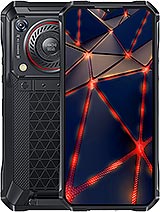
The OUKITEL WP33 Pro is a heavy-duty rugged smartphone featuring a 22000 mAh battery and a 136 dB loudspeaker for extreme field conditions. Released in early 2024, it competes with ultra-endurance devices from Ulefone and Doogee, prioritizing massive power capacity and structural resilience over portability.
Our evaluation confirms that this handset is less of a phone and more of a specialized piece of equipment. The weight alone, nearly 578 grams, dictates a specific use case: long-duration field missions where charging is impossible and environment audio levels are deafening. This is a tactical tool designed to survive the harshest structural stress while acting as a communication hub and power source for other equipment.
At the core of the utility suite is a 36mm speaker capable of a 5W peak output. This isn't for casual music; it is a high-decibel alert system. Reaching 136 dB ensures that notifications, alarms, or emergency signals are audible over the roar of heavy machinery or wind. In our analysis, the hardware implementation of such a large driver requires a substantial internal cavity, which this chassis provides. The speaker grill is reinforced, intended to prevent metal shavings or debris from puncturing the diaphragm during industrial work.
Visibility in the dark is handled by a 20 MP infrared night vision camera. Unlike standard software-based low-light modes, this uses dedicated infrared lights to illuminate a scene in total darkness, rendering a monochrome image. This is vital for security personnel or wildlife monitoring where visible light would give away a position. The 64 MP main sensor uses a 1/1.73-inch sensor size, providing a respectable base for daytime documentation, but the night vision sensor is the true star of the surveillance toolkit.
Processing duties fall to the MediaTek Dimensity 6100+. This 6nm chipset utilizes two Cortex-A76 performance cores and six Cortex-A55 efficiency cores. For the layman, the 6nm process is critical because it generates less heat than older 12nm or 14nm chips. In a sealed, ruggedized body where heat dissipation is limited by thick rubber and metal armor, an efficient processor prevents thermal throttling during GPS navigation or data logging. The inclusion of 5G connectivity ensures that field reports can be uploaded via high-speed SA/NSA networks, even in crowded bandwidth environments.
Imagine a search-and-rescue scenario in a remote, mountainous region. The 22,000 mAh battery capacity translates to roughly a week of moderate use without a charger. This model acts as a literal lifeline. With 18W reverse wired charging, the handset can revive a dead GPS unit or a colleague's drained radio. The 33W wired charging for the phone itself is slow for a battery of this size—expect hours for a full top-up—but in the field, the priority is capacity over recharge speed.
Navigation is supported by a quadruple positioning system including GPS, GLONASS, GALILEO, and BDS. For surveyors or engineers working in deep valleys or urban canyons, having access to multiple satellite constellations increases the likelihood of maintaining a signal lock. The side-mounted fingerprint sensor is a practical choice, allowing for quick access even when the device is mounted on a vehicle dashboard or a chest rig.
Display performance is tailored for utility. The 6.6-inch IPS LCD offers 450 nits of brightness. While this may struggle under direct, high-altitude noon sun, it is sufficient for most daylight operations. The 1080 x 2408 resolution provides sharp text for reading technical manuals or blueprints on the go. Protection is provided by Corning Gorilla Glass 5, which we rate at Mohs level 5 for scratch resistance. This means it will withstand contact with common items like keys or coins, though sand and hardened steel will still pose a threat.
Rugged smartphones occupy a niche market where value retention is tied more to utility than brand prestige. Because the battery is designed for 1,100 cycles—roughly three years of daily full discharges—it retains its core value longer than standard consumer electronics. Historically, Oukitel devices see a steeper initial drop compared to mainstream flagships but plateau quickly. In the secondary market, a used unit remains desirable for outdoor enthusiasts and contractors looking for a backup tool rather than a primary phone. We expect this model to retain approximately 40-50% of its value after 18 months.
The physical dimensions are a significant hurdle for standard accessories. At 27.2 mm thick, it will not fit in universal car mounts or standard belt pouches. Fortunately, the manufacturer often includes or offers a specialized hand strap. Given the 1.27 lb weight, a secure hand strap is not an option; it is a necessity to prevent fatigue and accidental drops. The USB-C 2.0 port is deeply recessed to maintain its IP69K rating, meaning third-party cables with short connectors may not fit. Stick to the provided high-clearance cable.
The packaging is functional and protective. Inside, users find the heavy-duty handset, a 33W power adapter, and a ruggedized USB-C to USB-C cable. We noticed the absence of a 3.5mm headphone jack, which is disappointing for a field device, though FM radio is still supported via the USB-C port or Bluetooth. The unboxing reinforces the industrial nature of the product—there are no frivolous extras, just the essentials required to get the tool into operation.
The structural engineering here is impressive. It carries a Class A 'Free fall' rating from the EU, surviving 270 falls during testing. The MIL-STD-810H certification covers vibration, shock, and temperature extremes. The IP69K rating is the highest tier of liquid protection, meaning the device can withstand high-pressure, high-temperature water jets. This is the only rating that truly matters for workers who need to pressure-wash their gear at the end of a shift.
Materials include reinforced corners and a textured back to improve grip. The metallic side rails are bolted directly into the internal frame, providing lateral rigidity. In our view, the structural compromise is the screen-to-body ratio. The thick bezels are a deliberate design choice, providing a 'crumple zone' for the display to prevent the glass from meeting the ground directly during a side-impact drop.
This is a specialized instrument for a specific breed of user. If your work involves multi-day deployments, extreme noise, or environments that destroy standard glass-sandwich phones, the trade-off in weight and thickness is justified. It is a portable power station with a built-in 5G modem and a night vision eye. For the average consumer, it is an unusable brick; for the field specialist, it is a reliable partner that won't die when the sun goes down.
The OUKITEL WP33 Pro proves that in the world of rugged tech, sometimes more is exactly what is needed.
Our evaluation confirms that this handset is less of a phone and more of a specialized piece of equipment. The weight alone, nearly 578 grams, dictates a specific use case: long-duration field missions where charging is impossible and environment audio levels are deafening. This is a tactical tool designed to survive the harshest structural stress while acting as a communication hub and power source for other equipment.
The Toolkit
At the core of the utility suite is a 36mm speaker capable of a 5W peak output. This isn't for casual music; it is a high-decibel alert system. Reaching 136 dB ensures that notifications, alarms, or emergency signals are audible over the roar of heavy machinery or wind. In our analysis, the hardware implementation of such a large driver requires a substantial internal cavity, which this chassis provides. The speaker grill is reinforced, intended to prevent metal shavings or debris from puncturing the diaphragm during industrial work.
Visibility in the dark is handled by a 20 MP infrared night vision camera. Unlike standard software-based low-light modes, this uses dedicated infrared lights to illuminate a scene in total darkness, rendering a monochrome image. This is vital for security personnel or wildlife monitoring where visible light would give away a position. The 64 MP main sensor uses a 1/1.73-inch sensor size, providing a respectable base for daytime documentation, but the night vision sensor is the true star of the surveillance toolkit.
Processing duties fall to the MediaTek Dimensity 6100+. This 6nm chipset utilizes two Cortex-A76 performance cores and six Cortex-A55 efficiency cores. For the layman, the 6nm process is critical because it generates less heat than older 12nm or 14nm chips. In a sealed, ruggedized body where heat dissipation is limited by thick rubber and metal armor, an efficient processor prevents thermal throttling during GPS navigation or data logging. The inclusion of 5G connectivity ensures that field reports can be uploaded via high-speed SA/NSA networks, even in crowded bandwidth environments.
Real World Application
Imagine a search-and-rescue scenario in a remote, mountainous region. The 22,000 mAh battery capacity translates to roughly a week of moderate use without a charger. This model acts as a literal lifeline. With 18W reverse wired charging, the handset can revive a dead GPS unit or a colleague's drained radio. The 33W wired charging for the phone itself is slow for a battery of this size—expect hours for a full top-up—but in the field, the priority is capacity over recharge speed.
Navigation is supported by a quadruple positioning system including GPS, GLONASS, GALILEO, and BDS. For surveyors or engineers working in deep valleys or urban canyons, having access to multiple satellite constellations increases the likelihood of maintaining a signal lock. The side-mounted fingerprint sensor is a practical choice, allowing for quick access even when the device is mounted on a vehicle dashboard or a chest rig.
Display performance is tailored for utility. The 6.6-inch IPS LCD offers 450 nits of brightness. While this may struggle under direct, high-altitude noon sun, it is sufficient for most daylight operations. The 1080 x 2408 resolution provides sharp text for reading technical manuals or blueprints on the go. Protection is provided by Corning Gorilla Glass 5, which we rate at Mohs level 5 for scratch resistance. This means it will withstand contact with common items like keys or coins, though sand and hardened steel will still pose a threat.
Resale Value Prediction
Rugged smartphones occupy a niche market where value retention is tied more to utility than brand prestige. Because the battery is designed for 1,100 cycles—roughly three years of daily full discharges—it retains its core value longer than standard consumer electronics. Historically, Oukitel devices see a steeper initial drop compared to mainstream flagships but plateau quickly. In the secondary market, a used unit remains desirable for outdoor enthusiasts and contractors looking for a backup tool rather than a primary phone. We expect this model to retain approximately 40-50% of its value after 18 months.
Accessory Compatibility
The physical dimensions are a significant hurdle for standard accessories. At 27.2 mm thick, it will not fit in universal car mounts or standard belt pouches. Fortunately, the manufacturer often includes or offers a specialized hand strap. Given the 1.27 lb weight, a secure hand strap is not an option; it is a necessity to prevent fatigue and accidental drops. The USB-C 2.0 port is deeply recessed to maintain its IP69K rating, meaning third-party cables with short connectors may not fit. Stick to the provided high-clearance cable.
Unboxing Experience
The packaging is functional and protective. Inside, users find the heavy-duty handset, a 33W power adapter, and a ruggedized USB-C to USB-C cable. We noticed the absence of a 3.5mm headphone jack, which is disappointing for a field device, though FM radio is still supported via the USB-C port or Bluetooth. The unboxing reinforces the industrial nature of the product—there are no frivolous extras, just the essentials required to get the tool into operation.
Ruggedness
The structural engineering here is impressive. It carries a Class A 'Free fall' rating from the EU, surviving 270 falls during testing. The MIL-STD-810H certification covers vibration, shock, and temperature extremes. The IP69K rating is the highest tier of liquid protection, meaning the device can withstand high-pressure, high-temperature water jets. This is the only rating that truly matters for workers who need to pressure-wash their gear at the end of a shift.
Materials include reinforced corners and a textured back to improve grip. The metallic side rails are bolted directly into the internal frame, providing lateral rigidity. In our view, the structural compromise is the screen-to-body ratio. The thick bezels are a deliberate design choice, providing a 'crumple zone' for the display to prevent the glass from meeting the ground directly during a side-impact drop.
Conclusion for Pros
This is a specialized instrument for a specific breed of user. If your work involves multi-day deployments, extreme noise, or environments that destroy standard glass-sandwich phones, the trade-off in weight and thickness is justified. It is a portable power station with a built-in 5G modem and a night vision eye. For the average consumer, it is an unusable brick; for the field specialist, it is a reliable partner that won't die when the sun goes down.
The OUKITEL WP33 Pro proves that in the world of rugged tech, sometimes more is exactly what is needed.
Technical Specifications
| LAUNCH | |
|---|---|
| Announced | 2024, January 06 |
| Status | Available. Released 2024, January |
| PLATFORM | |
| OS | Android 13 |
| Chipset | Mediatek Dimensity 6100+ (6 nm) |
| CPU | Octa-core (2x2.2 GHz Cortex-A76 & 6x2.0 GHz Cortex-A55) |
| GPU | Mali-G57 MC2 |
| BODY | |
| Dimensions | 175.4 x 84 x 27.2 mm (6.91 x 3.31 x 1.07 in) |
| Weight | 577.5 g (1.27 lb) |
| SIM | Nano-SIM + eSIM |
| Info | IP68/IP69K dust tight and water resistant (high pressure water jets; immersible up to 1.5m for 30 min) Drop resistant up to 1.5m MIL-STD-810H compliant |
| DISPLAY | |
| Type | IPS LCD, 450 nits |
| Size | 6.6 inches, 104.9 cm2 (~71.2% screen-to-body ratio) |
| Resolution | 1080 x 2408 pixels, 20:9 ratio (~400 ppi density) |
| Protection | Corning Gorilla Glass 5, Mohs level 5 |
| MEMORY | |
| Card slot | No |
| Internal | 256GB 8GB RAM |
| Info | UFS 2.2 |
| MAIN CAMERA | |
| Triple | 64 MP, f/1.9, (wide), 1/1.73", PDAF 20 MP, f/2.2, (night vision), 1/2.78", AF, infrared night vision lights 2 MP (macro) |
| Features | LED flash, HDR, panorama |
| Video | 1440p@30fps, 1080p@30fps |
| SELFIE CAMERA | |
| Single | 32 MP, f/2.2, (wide), 1/2.74" |
| Video | 1080p@30fps |
| SOUND | |
| Loudspeaker | Yes (136 dB, 5W peak, 36mm speaker) |
| 3.5mm jack | No |
| COMMS | |
| WLAN | Wi-Fi 802.11 a/b/g/n/ac, dual-band |
| Bluetooth | 5.2, A2DP, LE |
| Positioning | GPS, GLONASS, GALILEO, BDS |
| NFC | Yes |
| Radio | FM radio |
| USB | USB Type-C 2.0, OTG |
| NETWORK | |
| Technology | GSM / CDMA / HSPA / LTE / 5G |
| 2G bands | GSM 850 / 900 / 1800 / 1900 |
| Info | CDMA 800 / 1900 |
| 3G bands | HSDPA 800 / 850 / 900 / 1700(AWS) / 1900 / 2100 |
| 4G bands | 1, 2, 3, 4, 5, 7, 8, 12, 13, 17, 18, 19, 20, 25, 26, 28, 66, 71 |
| 5G bands | 1, 2, 3, 5, 7, 8, 20, 25, 28, 38, 41, 66, 77, 78, 79 SA/NSA |
| Speed | HSPA, LTE, 5G |
| FEATURES | |
| Sensors | Fingerprint (side-mounted), accelerometer, gyro, proximity, compass |
| BATTERY | |
| Type | Li-Po 22000 mAh |
| Charging | 33W wired 18W reverse wired |
| MISC | |
| Battery | 22000 mAh Li-Po, 33W Wired Charging |
| Durability | IP68/IP69K, MIL-STD-810H, 1.5m Drop Resistance |
| Speaker | 136 dB, 5W Peak, 36mm Driver |
| Chipset | MediaTek Dimensity 6100+ (6 nm) |
| Night Vision | 20 MP f/2.2 with Infrared Night Vision Lights |
| Storage | 256GB UFS 2.2, 8GB RAM |
| Display | 6.6 inch IPS LCD, 1080 x 2408 pixels |
| Weight | 577.5 g (1.27 lb) |
| Reverse Charging | 18W Wired OTG Support |
| Sim Support | Nano-SIM + eSIM Dual Standby |
| Colors | Black |
| Price | About 400 EUR |
| EU LABEL | |
| Energy | Class B |
| Battery | 166:39h endurance, 1100 cycles |
| Free fall | Class A (270 falls) |
| Repairability | Class C |