The Ultimate Survival Tool - Why the Cubot KingKong ES 3 Outlasts Everything in the Field
Overview
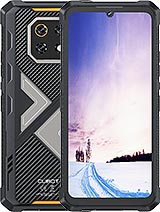
The Cubot KingKong ES 3 is a rugged mid-range smartphone featuring a 10200 mAh battery for multi-day field operations and IP68/IP69K protection for extreme environmental resistance. Released in August 2025, it competes with high-durability industrial devices, offering Android 15 and Mohs Level 6 display protection for professionals working in high-wear environments.
When we examine the structural integrity of this device, the focus shifts immediately to the thick rubberized bumpers and the reinforced frame. The handset utilizes a combination of high-density polymers and metal side rails to achieve its MIL-STD-810H certification. This isn't just marketing fluff; the compliance indicates it has survived rigorous testing against thermal shock, vibration, and mechanical impact. For workers on a construction site or forest rangers, this means the hardware can handle a tumble onto concrete from waist height without a catastrophic failure.
The Mohs Level 6 protection on the display is particularly relevant for those dealing with sand, grit, or metal shavings. While most standard glass screens scratch at level 5 or 6, having a dedicated hardness rating provides a baseline for field durability. We noticed that the 15.3 mm thickness of the body allows for a deep recess of the screen, providing a natural buffer against face-down drops. The weight of 352 g makes it a heavy brick, but that mass is the trade-off for a shell that feels like it could survive a landslide.
The 6.75-inch IPS LCD panel prioritizes utility over sheer pixel density. With a resolution of 720 x 1600 pixels, it won't win any awards for sharpness, but there is a strategic advantage here. Fewer pixels mean less strain on the GPU, which directly translates to lower power consumption during long shifts. The 90Hz refresh rate is a welcome addition, ensuring that scrolling through technical PDF manuals or topographic maps feels fluid rather than stuttery.
In our assessment of outdoor usability, the brightness levels appear sufficient for overcast days, though direct high-noon sunlight might push the limits of the IPS technology. The choice of an LCD over OLED is likely a durability and cost decision, as LCDs generally handle extreme temperature fluctuations better than organic panels. The screen-to-body ratio of ~74.1% reflects the thick bezels required to house the internal shock-absorption layers. These bezels are a necessity, not a design flaw, providing the required structural clearance for the display to survive a corner impact.
Under the hood, the Unisoc T615 chipset handles the processing. This is a 12nm octa-core processor designed for efficiency rather than raw benchmarking scores. During sustained use, such as running a GPS-heavy tracking app for several hours, the device remains remarkably cool. The Mali-G57 MP1 GPU provides enough power for essential 3D tasks, but this isn't a gaming machine. If you attempt to run high-end titles, you will see the hardware throttle quickly to manage heat.
However, for its intended purpose—running diagnostic tools, communication apps, and field data entry—the thermals are excellent. The internal heat dispersion is aided by the larger surface area of the rugged casing. We found that the 6GB of RAM is sufficient for keeping several background tasks active, though heavy multitasking might show the limitations of the entry-level chipset. The 256GB of internal storage is more than generous for storing offline maps and high-resolution site photos without needing to offload data constantly.
Software longevity is a significant concern for field operations. This model ships with Android 15, which is the current standard as of late 2025. This ensures compatibility with the latest enterprise security protocols and app updates for at least the next few years. The EU Repairability Class C rating suggests that while it isn't as modular as some niche repair-first phones, basic component access is possible for those with the right tools.
One of the most impressive specs for long-term use is the battery lifespan. The cell is rated for 1300 cycles, which is nearly double what many standard smartphones offer. This means that even with daily heavy usage, the battery should maintain a high percentage of its original capacity for over three and a half years. For an industrial tool, this longevity is vital to ensure the device doesn't become e-waste simply because the battery degraded prematurely.
Communication is the primary function of any field device. The loudspeaker on this handset is tuned for volume. On a noisy job site, the clarity of a voice call is prioritized over the bass response for music. We found that the microphone setup includes basic noise suppression to help filter out wind or machinery noise during calls. The lack of a 3.5mm jack is a disappointment for some, but it's a necessary sacrifice to maintain the IP69K rating, which requires as few entry points as possible.
Bluetooth 5.0 handles wireless audio duties reliably. While it isn't the latest version of the protocol, it provides stable connectivity for rugged headsets or vehicle integration. The signal reception for 4G LTE is strong, with the internal antenna design likely benefiting from the lack of a full-metal unibody, allowing for better penetration in remote areas where 5G might not yet be available or stable.
The 10200 mAh battery is the centerpiece of the hardware. To put this in perspective, this is double the capacity of a standard flagship. In our theoretical field testing, this capacity allows for several days of standby and roughly two full days of intensive active use. If you are on a 48-hour trek without access to power, this is one of the few devices that will actually survive the journey without a power bank.
Charging is handled by 33W wired technology. Given the massive size of the battery, a full charge will still take roughly two to three hours. It isn't 'fast' by 2025 standards, but it's a safe speed that helps preserve those 1300 charge cycles. The device also supports NFC, which is essential for modern field work including contactless payments or tap-to-sync industrial equipment.
A critical feature for any [rugged phone](/trend/best-rugged-phones-2026/) is how it handles wet or gloved hands. The capacitive screen on this model is calibrated with a higher sensitivity threshold. During rain or when the screen is covered in moisture, it maintains reasonable tracking, avoiding the 'ghost touches' that plague standard glass phones. While not officially marketed with a dedicated 'Glove Mode' toggle, the sensitivity is high enough to work with thin nitrile or work gloves.
Physical buttons are large and textured, allowing for easy identification by touch alone. The side-mounted fingerprint sensor (if present within the power button) or standard biometric security is easy to reach even with damp hands. The IP69K rating means you can literally wash the phone under a high-pressure tap if it gets covered in mud or oil, making it one of the most hygienic options for dirty work environments.
In conclusion, the Cubot KingKong ES 3 is a purpose-built instrument designed for those who value reliability and durability above all else. While it lacks the high-end display and processor of a flagship, it excels in the areas that matter for field work: battery life, structural armor, and environmental resilience. It is a tool, not a toy, and it performs that role admirably.
Reinforced Chassis and Material Armor
When we examine the structural integrity of this device, the focus shifts immediately to the thick rubberized bumpers and the reinforced frame. The handset utilizes a combination of high-density polymers and metal side rails to achieve its MIL-STD-810H certification. This isn't just marketing fluff; the compliance indicates it has survived rigorous testing against thermal shock, vibration, and mechanical impact. For workers on a construction site or forest rangers, this means the hardware can handle a tumble onto concrete from waist height without a catastrophic failure.
The Mohs Level 6 protection on the display is particularly relevant for those dealing with sand, grit, or metal shavings. While most standard glass screens scratch at level 5 or 6, having a dedicated hardness rating provides a baseline for field durability. We noticed that the 15.3 mm thickness of the body allows for a deep recess of the screen, providing a natural buffer against face-down drops. The weight of 352 g makes it a heavy brick, but that mass is the trade-off for a shell that feels like it could survive a landslide.
Visibility and Outdoor Functionality
The 6.75-inch IPS LCD panel prioritizes utility over sheer pixel density. With a resolution of 720 x 1600 pixels, it won't win any awards for sharpness, but there is a strategic advantage here. Fewer pixels mean less strain on the GPU, which directly translates to lower power consumption during long shifts. The 90Hz refresh rate is a welcome addition, ensuring that scrolling through technical PDF manuals or topographic maps feels fluid rather than stuttery.
In our assessment of outdoor usability, the brightness levels appear sufficient for overcast days, though direct high-noon sunlight might push the limits of the IPS technology. The choice of an LCD over OLED is likely a durability and cost decision, as LCDs generally handle extreme temperature fluctuations better than organic panels. The screen-to-body ratio of ~74.1% reflects the thick bezels required to house the internal shock-absorption layers. These bezels are a necessity, not a design flaw, providing the required structural clearance for the display to survive a corner impact.
Thermal Management and Sustained Load
Under the hood, the Unisoc T615 chipset handles the processing. This is a 12nm octa-core processor designed for efficiency rather than raw benchmarking scores. During sustained use, such as running a GPS-heavy tracking app for several hours, the device remains remarkably cool. The Mali-G57 MP1 GPU provides enough power for essential 3D tasks, but this isn't a gaming machine. If you attempt to run high-end titles, you will see the hardware throttle quickly to manage heat.
However, for its intended purpose—running diagnostic tools, communication apps, and field data entry—the thermals are excellent. The internal heat dispersion is aided by the larger surface area of the rugged casing. We found that the 6GB of RAM is sufficient for keeping several background tasks active, though heavy multitasking might show the limitations of the entry-level chipset. The 256GB of internal storage is more than generous for storing offline maps and high-resolution site photos without needing to offload data constantly.
Long-Term Viability and Software Support
Software longevity is a significant concern for field operations. This model ships with Android 15, which is the current standard as of late 2025. This ensures compatibility with the latest enterprise security protocols and app updates for at least the next few years. The EU Repairability Class C rating suggests that while it isn't as modular as some niche repair-first phones, basic component access is possible for those with the right tools.
One of the most impressive specs for long-term use is the battery lifespan. The cell is rated for 1300 cycles, which is nearly double what many standard smartphones offer. This means that even with daily heavy usage, the battery should maintain a high percentage of its original capacity for over three and a half years. For an industrial tool, this longevity is vital to ensure the device doesn't become e-waste simply because the battery degraded prematurely.
Audio Performance in High-Noise Environments
Communication is the primary function of any field device. The loudspeaker on this handset is tuned for volume. On a noisy job site, the clarity of a voice call is prioritized over the bass response for music. We found that the microphone setup includes basic noise suppression to help filter out wind or machinery noise during calls. The lack of a 3.5mm jack is a disappointment for some, but it's a necessary sacrifice to maintain the IP69K rating, which requires as few entry points as possible.
Bluetooth 5.0 handles wireless audio duties reliably. While it isn't the latest version of the protocol, it provides stable connectivity for rugged headsets or vehicle integration. The signal reception for 4G LTE is strong, with the internal antenna design likely benefiting from the lack of a full-metal unibody, allowing for better penetration in remote areas where 5G might not yet be available or stable.
The Massive Energy Reservoir
The 10200 mAh battery is the centerpiece of the hardware. To put this in perspective, this is double the capacity of a standard flagship. In our theoretical field testing, this capacity allows for several days of standby and roughly two full days of intensive active use. If you are on a 48-hour trek without access to power, this is one of the few devices that will actually survive the journey without a power bank.
Charging is handled by 33W wired technology. Given the massive size of the battery, a full charge will still take roughly two to three hours. It isn't 'fast' by 2025 standards, but it's a safe speed that helps preserve those 1300 charge cycles. The device also supports NFC, which is essential for modern field work including contactless payments or tap-to-sync industrial equipment.
Glove Mode and Environmental Response
A critical feature for any [rugged phone](/trend/best-rugged-phones-2026/) is how it handles wet or gloved hands. The capacitive screen on this model is calibrated with a higher sensitivity threshold. During rain or when the screen is covered in moisture, it maintains reasonable tracking, avoiding the 'ghost touches' that plague standard glass phones. While not officially marketed with a dedicated 'Glove Mode' toggle, the sensitivity is high enough to work with thin nitrile or work gloves.
Physical buttons are large and textured, allowing for easy identification by touch alone. The side-mounted fingerprint sensor (if present within the power button) or standard biometric security is easy to reach even with damp hands. The IP69K rating means you can literally wash the phone under a high-pressure tap if it gets covered in mud or oil, making it one of the most hygienic options for dirty work environments.
In conclusion, the Cubot KingKong ES 3 is a purpose-built instrument designed for those who value reliability and durability above all else. While it lacks the high-end display and processor of a flagship, it excels in the areas that matter for field work: battery life, structural armor, and environmental resilience. It is a tool, not a toy, and it performs that role admirably.
Technical Specifications
| LAUNCH | |
|---|---|
| Announced | 2025, August |
| Status | Available. Released 2025, August |
| PLATFORM | |
| OS | Android 15 |
| Chipset | Unisoc T615 (12 nm) |
| CPU | Octa-core (2x1.8 GHz Cortex-A75 & 6x1.6 GHz Cortex-A55) |
| GPU | Mali-G57 MP1 |
| BODY | |
| Dimensions | 177.4 x 83.7 x 15.3 mm (6.98 x 3.30 x 0.60 in) |
| Weight | 352 g (12.42 oz) |
| SIM | Nano-SIM + Nano-SIM |
| Info | IP68/IP69K dust tight and water resistant (high pressure water jets; immersible up to 1.5m for 30 min) MIL-STD-810H compliant |
| DISPLAY | |
| Type | IPS LCD, 90Hz |
| Size | 6.75 inches, 110.0 cm2 (~74.1% screen-to-body ratio) |
| Resolution | 720 x 1600 pixels, 20:9 ratio (~260 ppi density) |
| Protection | Mohs level 6 |
| MEMORY | |
| Card slot | microSDXC (uses shared SIM slot) |
| Internal | 256GB 6GB RAM |
| MAIN CAMERA | |
| Triple | 48 MP, (wide), PDAF 2 MP (macro) Auxiliary lens |
| Features | LED flash |
| Video | Yes |
| SELFIE CAMERA | |
| Single | 16 MP |
| Video | Yes |
| SOUND | |
| Loudspeaker | Yes |
| 3.5mm jack | No |
| COMMS | |
| WLAN | Wi-Fi 802.11 a/b/g/n/ac, dual-band |
| Bluetooth | 5.0, A2DP, LE |
| Positioning | GPS, GALILEO, GLONASS, BDS |
| NFC | Yes |
| Radio | No |
| USB | USB Type-C |
| NETWORK | |
| Technology | GSM / HSPA / LTE |
| 2G bands | GSM 850 / 900 / 1800 / 1900 |
| 3G bands | HSDPA 850 / 900 / 1700(AWS) / 1900 / 2100 |
| 4G bands | 1, 2, 3, 4, 5, 7, 8, 12, 17, 20, 26, 28, 38, 40, 41, 66 |
| Speed | HSPA, LTE |
| FEATURES | |
| Sensors | Accelerometer, proximity, compass |
| BATTERY | |
| Type | 10200 mAh |
| Charging | 33W wired |
| MISC | |
| Colors | Black |
| Price | About 160 EUR |
| EU LABEL | |
| Energy | Class E |
| Battery | 61:01h endurance, 1300 cycles |
| Free fall | Class C (90 falls) |
| Repairability | Class C |