The Umidigi G2 and the Harsh Reality of Ultra Budget Mobile Economics
Overview
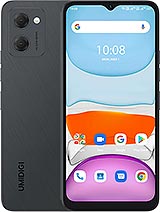
The Umidigi G2 is an ultra-budget smartphone featuring a 5150 mAh battery for multi-day endurance and Android 13 for modern software compatibility, aimed at price-sensitive users and those seeking a secondary utility device. Released in early 2023, it competes with other entry-level offerings from Infinix and Tecno by prioritizing battery capacity and software version over raw processing power. Our analysis focuses on whether this device serves as a functional tool or a depreciating liability in a market saturated with high-performance alternatives.
When we look at the financial trajectory of the Umidigi G2, the depreciation curve resembles a cliff. In the secondary market, devices equipped with the MediaTek Helio A22 chipset lose value faster than flagship counterparts because their hardware ceiling is reached almost immediately. The inclusion of only 3GB of RAM and 32GB of eMMC 5.1 storage suggests a functional lifespan that rarely exceeds eighteen months for a primary user. This isn't an investment; it's a consumable expense. By this time next year, expect this handset to retain less than 40% of its initial purchase price.
Technological obsolescence is the primary driver here. Modern applications are increasingly demanding, and the quad-core architecture of the A22 is already showing its age in early 2023. While the 12nm process was respectable years ago, it now serves as the absolute baseline for mobile computing. Buyers should view this purchase as a 'zero-return' asset. Once the seal is broken, the liquidity of this device vanishes. It is a handset designed for utility in the present, not for equity in the future.
Compared to slightly more expensive models using the Helio G-series, this model lacks the 'legs' to survive the 2024 software cycle. If the goal is to flip this device in a year, think again. The market for used quad-core phones with 32GB of storage is non-existent. We recommend treating this as a 'run-to-failure' device. Use it until the hardware can no longer keep up with the bloat of modern web browsing, then move on without expecting a trade-in credit.
Our assessment of brand reliability reveals a complex picture. Umidigi often punches above its weight by offering high-capacity batteries and the latest Android versions before larger competitors. However, the trade-off usually manifests in quality control and long-term hardware durability. This model feels solid due to its 192g weight, but the internal components—specifically the eMMC 5.1 storage—are prone to slowing down as they reach capacity. This is a common trait in the sub-$150 segment where margins are razor-thin.
Customer support for boutique brands in this tier is often sparse. If a component like the charging port or the 6.52-inch IPS LCD fails, finding local repair shops with parts in stock will be difficult. Most users will find that the cost of repair exceeds the depreciated value of the phone within six months. This creates a disposable ecosystem. We advise users to invest in a rugged case immediately, as the cost of a screen replacement would effectively total the device.
Software stability is another variable. While it ships with Android 13, do not expect a roadmap for Android 14. The company typically provides security patches for a limited window, but major OS upgrades are rare for their entry-level G-series. You are buying the phone for what it is today, not what it might become through updates. In our experience, this is the standard operating procedure for the budget tier, where 'released and forgotten' is the common software lifecycle.
For those intending to use this handset for Snapchat, Instagram, or TikTok, the results will be underwhelming. The 13 MP main camera paired with the Helio A22 ISP (Image Signal Processor) struggles with the heavy real-time processing required by social media filters. When you record a story on Instagram, the device has to encode video while simultaneously applying overlays. On a quad-core processor with 3GB of RAM, this leads to dropped frames and noticeable stuttering in the final upload.
Compression is the enemy here. Because the ISP lacks the sophisticated noise reduction found in higher-tier chips, social media apps often apply aggressive compression to the already noisy 1080p footage. The result is 'mushy' video that looks significantly worse than the raw files in the gallery. The 5 MP selfie camera is even more limited, providing just enough detail for a basic video call but failing to capture the dynamic range needed for high-quality content creation in 2023.
Lighting is critical. In bright outdoor settings, the sensor can produce passable images for a quick post. However, as soon as the sun dips or you move indoors, the f/2.2 aperture and small sensor size result in significant grain. We noticed that shutter lag—the delay between pressing the button and the photo being taken—is prominent. If you are trying to capture moving subjects like pets or children for a TikTok, you will likely miss the moment. This device is built for static documentation, not active social influence.
The 720 x 1600 resolution on a 6.52-inch screen results in a pixel density of roughly 269 ppi. While this is standard for the budget class, the lack of sharpness is apparent when reading fine text on websites. The IPS LCD panel offers decent color reproduction, but it lacks the infinite contrast of OLED. At night, even at the lowest brightness setting, the backlight can be taxing on the eyes. Users should utilize the built-in 'Night Light' feature to mitigate blue light strain during late-night scrolling.
Outdoor legibility is a challenge. In direct January sunlight, the peak brightness struggles to overcome reflections. You will find yourself cupping your hand over the display to read a text message. For those who spend most of their time indoors, this is less of an issue, but for gig workers or outdoor enthusiasts, the lack of nits is a functional barrier. The 20:9 aspect ratio is excellent for cinematic content, though the 720p ceiling means you won't be enjoying high-definition YouTube videos in their full glory.
PWM (Pulse Width Modulation) dimming is generally less of an issue on IPS panels compared to cheap OLEDs, which is a hidden benefit for sensitive users. The screen doesn't flicker in the same way, potentially reducing headaches for those who are prone to eye fatigue. However, the large bezels and the 'waterdrop' notch are constant reminders that this is an entry-level piece of hardware. It’s functional, but it lacks the immersive quality of the 'hole-punch' displays found in the mid-range.
With only 32GB of internal storage, you will hit a wall quickly. After the system files and pre-installed apps take their share, users are left with roughly 20-22GB of usable space. In the era of 2GB WhatsApp backups and 1GB system updates, this space vanishes. The microSDXC slot is not just an 'extra'—it is a mandatory requirement for this device. We recommend at least a 64GB Class 10 card to handle photo and video storage, though this will not solve the issue of limited space for app installations.
eMMC 5.1 storage is significantly slower than the UFS storage found in mid-tier phones. This affects everything from boot times to how long it takes for a large PDF to load. When transferring files via the USB Type-C port, don't expect blazing speeds. This is a 2.0-speed interface, meaning moving a 4GB movie file will take several minutes. It's a test of patience. The handset is designed for light media consumption, not for acting as a portable data hub.
Media playback is a highlight thanks to the 3.5mm headphone jack. In 2023, this port is becoming a rarity. Audiophiles or those with a stash of wired earbuds will appreciate not needing a dongle. The single bottom-firing loudspeaker is loud but lacks any semblance of bass. It’s fine for speakerphone calls or a quick YouTube clip, but for music, the wired connection is the only way to get a respectable audio experience.
Predicting the future of the Umidigi G2 requires a look at its silicon. The Helio A22 was released years ago, and running Android 13 on it is a bold move. While it's great to have the latest permissions and security features, the hardware is stretched thin. As apps become more 'heavy' with every update, this phone will likely begin to lag by late 2023. This is the 'budget trap'—buying a phone that is barely powerful enough for today's software, leaving no headroom for tomorrow's.
Battery health is the one area where this model might surprise. The 5150 mAh cell is massive for a low-power quad-core chip. Because the processor doesn't draw much current, the battery should comfortably last two days for light users. However, the 10W wired charging is a significant bottleneck. Expect to leave this device plugged in for over three hours to reach a full charge from zero. It’s an overnight charger, not a 'top-up-before-you-leave' device.
In terms of connectivity, the inclusion of dual-band Wi-Fi ac is a major win. Many phones at this price point are still stuck on 2.4GHz Wi-Fi, which is crowded and slow. Being able to connect to 5GHz networks ensures better speeds for downloading those inevitable app updates. The Bluetooth 5.0 support is also stable, providing a reliable connection for wireless buds or car infotainment systems. These are the small victories that make the device livable day-to-day.
The Umidigi G2 is a calculated compromise. It trades processing speed and camera quality for battery endurance and a modern software version. For a student on a strict budget, a senior citizen needing a reliable communication tool, or a traveler needing a secondary LTE 'burner' for international SIMs, the math works out. It provides the basics of the 2023 smartphone experience without a massive upfront cost.
However, power users or anyone who values a smooth UI will find the experience frustrating. The stuttering animations and long app load times are the price you pay for the low entry fee. In the grander economic view, spending an extra $40 for a phone with a Helio G85 or 4GB of RAM would likely double the usable lifespan of the device. This is a classic example of the 'Vimes Boots' theory of socioeconomic unfairness—buying the cheap option now might cost more in the long run when you have to replace it twice as fast. Choose this model only if your budget is absolute and your needs are minimal.
The Steep Descent of Resale Value
When we look at the financial trajectory of the Umidigi G2, the depreciation curve resembles a cliff. In the secondary market, devices equipped with the MediaTek Helio A22 chipset lose value faster than flagship counterparts because their hardware ceiling is reached almost immediately. The inclusion of only 3GB of RAM and 32GB of eMMC 5.1 storage suggests a functional lifespan that rarely exceeds eighteen months for a primary user. This isn't an investment; it's a consumable expense. By this time next year, expect this handset to retain less than 40% of its initial purchase price.
Technological obsolescence is the primary driver here. Modern applications are increasingly demanding, and the quad-core architecture of the A22 is already showing its age in early 2023. While the 12nm process was respectable years ago, it now serves as the absolute baseline for mobile computing. Buyers should view this purchase as a 'zero-return' asset. Once the seal is broken, the liquidity of this device vanishes. It is a handset designed for utility in the present, not for equity in the future.
Compared to slightly more expensive models using the Helio G-series, this model lacks the 'legs' to survive the 2024 software cycle. If the goal is to flip this device in a year, think again. The market for used quad-core phones with 32GB of storage is non-existent. We recommend treating this as a 'run-to-failure' device. Use it until the hardware can no longer keep up with the bloat of modern web browsing, then move on without expecting a trade-in credit.
Reliability and Brand Equity
Our assessment of brand reliability reveals a complex picture. Umidigi often punches above its weight by offering high-capacity batteries and the latest Android versions before larger competitors. However, the trade-off usually manifests in quality control and long-term hardware durability. This model feels solid due to its 192g weight, but the internal components—specifically the eMMC 5.1 storage—are prone to slowing down as they reach capacity. This is a common trait in the sub-$150 segment where margins are razor-thin.
Customer support for boutique brands in this tier is often sparse. If a component like the charging port or the 6.52-inch IPS LCD fails, finding local repair shops with parts in stock will be difficult. Most users will find that the cost of repair exceeds the depreciated value of the phone within six months. This creates a disposable ecosystem. We advise users to invest in a rugged case immediately, as the cost of a screen replacement would effectively total the device.
Software stability is another variable. While it ships with Android 13, do not expect a roadmap for Android 14. The company typically provides security patches for a limited window, but major OS upgrades are rare for their entry-level G-series. You are buying the phone for what it is today, not what it might become through updates. In our experience, this is the standard operating procedure for the budget tier, where 'released and forgotten' is the common software lifecycle.
The Social Media Bottleneck
For those intending to use this handset for Snapchat, Instagram, or TikTok, the results will be underwhelming. The 13 MP main camera paired with the Helio A22 ISP (Image Signal Processor) struggles with the heavy real-time processing required by social media filters. When you record a story on Instagram, the device has to encode video while simultaneously applying overlays. On a quad-core processor with 3GB of RAM, this leads to dropped frames and noticeable stuttering in the final upload.
Compression is the enemy here. Because the ISP lacks the sophisticated noise reduction found in higher-tier chips, social media apps often apply aggressive compression to the already noisy 1080p footage. The result is 'mushy' video that looks significantly worse than the raw files in the gallery. The 5 MP selfie camera is even more limited, providing just enough detail for a basic video call but failing to capture the dynamic range needed for high-quality content creation in 2023.
Lighting is critical. In bright outdoor settings, the sensor can produce passable images for a quick post. However, as soon as the sun dips or you move indoors, the f/2.2 aperture and small sensor size result in significant grain. We noticed that shutter lag—the delay between pressing the button and the photo being taken—is prominent. If you are trying to capture moving subjects like pets or children for a TikTok, you will likely miss the moment. This device is built for static documentation, not active social influence.
Visuals and Eye Health
The 720 x 1600 resolution on a 6.52-inch screen results in a pixel density of roughly 269 ppi. While this is standard for the budget class, the lack of sharpness is apparent when reading fine text on websites. The IPS LCD panel offers decent color reproduction, but it lacks the infinite contrast of OLED. At night, even at the lowest brightness setting, the backlight can be taxing on the eyes. Users should utilize the built-in 'Night Light' feature to mitigate blue light strain during late-night scrolling.
Outdoor legibility is a challenge. In direct January sunlight, the peak brightness struggles to overcome reflections. You will find yourself cupping your hand over the display to read a text message. For those who spend most of their time indoors, this is less of an issue, but for gig workers or outdoor enthusiasts, the lack of nits is a functional barrier. The 20:9 aspect ratio is excellent for cinematic content, though the 720p ceiling means you won't be enjoying high-definition YouTube videos in their full glory.
PWM (Pulse Width Modulation) dimming is generally less of an issue on IPS panels compared to cheap OLEDs, which is a hidden benefit for sensitive users. The screen doesn't flicker in the same way, potentially reducing headaches for those who are prone to eye fatigue. However, the large bezels and the 'waterdrop' notch are constant reminders that this is an entry-level piece of hardware. It’s functional, but it lacks the immersive quality of the 'hole-punch' displays found in the mid-range.
Storage Throughput and Media Management
With only 32GB of internal storage, you will hit a wall quickly. After the system files and pre-installed apps take their share, users are left with roughly 20-22GB of usable space. In the era of 2GB WhatsApp backups and 1GB system updates, this space vanishes. The microSDXC slot is not just an 'extra'—it is a mandatory requirement for this device. We recommend at least a 64GB Class 10 card to handle photo and video storage, though this will not solve the issue of limited space for app installations.
eMMC 5.1 storage is significantly slower than the UFS storage found in mid-tier phones. This affects everything from boot times to how long it takes for a large PDF to load. When transferring files via the USB Type-C port, don't expect blazing speeds. This is a 2.0-speed interface, meaning moving a 4GB movie file will take several minutes. It's a test of patience. The handset is designed for light media consumption, not for acting as a portable data hub.
Media playback is a highlight thanks to the 3.5mm headphone jack. In 2023, this port is becoming a rarity. Audiophiles or those with a stash of wired earbuds will appreciate not needing a dongle. The single bottom-firing loudspeaker is loud but lacks any semblance of bass. It’s fine for speakerphone calls or a quick YouTube clip, but for music, the wired connection is the only way to get a respectable audio experience.
The Longevity Forecast
Predicting the future of the Umidigi G2 requires a look at its silicon. The Helio A22 was released years ago, and running Android 13 on it is a bold move. While it's great to have the latest permissions and security features, the hardware is stretched thin. As apps become more 'heavy' with every update, this phone will likely begin to lag by late 2023. This is the 'budget trap'—buying a phone that is barely powerful enough for today's software, leaving no headroom for tomorrow's.
Battery health is the one area where this model might surprise. The 5150 mAh cell is massive for a low-power quad-core chip. Because the processor doesn't draw much current, the battery should comfortably last two days for light users. However, the 10W wired charging is a significant bottleneck. Expect to leave this device plugged in for over three hours to reach a full charge from zero. It’s an overnight charger, not a 'top-up-before-you-leave' device.
In terms of connectivity, the inclusion of dual-band Wi-Fi ac is a major win. Many phones at this price point are still stuck on 2.4GHz Wi-Fi, which is crowded and slow. Being able to connect to 5GHz networks ensures better speeds for downloading those inevitable app updates. The Bluetooth 5.0 support is also stable, providing a reliable connection for wireless buds or car infotainment systems. These are the small victories that make the device livable day-to-day.
Final Investment Summary
The Umidigi G2 is a calculated compromise. It trades processing speed and camera quality for battery endurance and a modern software version. For a student on a strict budget, a senior citizen needing a reliable communication tool, or a traveler needing a secondary LTE 'burner' for international SIMs, the math works out. It provides the basics of the 2023 smartphone experience without a massive upfront cost.
However, power users or anyone who values a smooth UI will find the experience frustrating. The stuttering animations and long app load times are the price you pay for the low entry fee. In the grander economic view, spending an extra $40 for a phone with a Helio G85 or 4GB of RAM would likely double the usable lifespan of the device. This is a classic example of the 'Vimes Boots' theory of socioeconomic unfairness—buying the cheap option now might cost more in the long run when you have to replace it twice as fast. Choose this model only if your budget is absolute and your needs are minimal.
Technical Specifications
| LAUNCH | |
|---|---|
| Announced | 2023 |
| Status | Available. Released 2023 |
| PLATFORM | |
| OS | Android 13 |
| Chipset | Mediatek Helio A22 (12 nm) |
| CPU | Quad-core 2.0 GHz Cortex-A53 |
| GPU | PowerVR GE8320 |
| BODY | |
| Dimensions | 163.9 x 75.7 x 8.8 mm (6.45 x 2.98 x 0.35 in) |
| Weight | 192 g (6.77 oz) |
| SIM | Nano-SIM + Nano-SIM |
| DISPLAY | |
| Type | IPS LCD |
| Size | 6.52 inches, 102.6 cm2 (~82.7% screen-to-body ratio) |
| Resolution | 720 x 1600 pixels, 20:9 ratio (~269 ppi density) |
| MEMORY | |
| Card slot | microSDXC (uses shared SIM slot) |
| Internal | 32GB 3GB RAM |
| Info | eMMC 5.1 |
| MAIN CAMERA | |
| Dual | 13 MP, f/2.2, (wide), AF Auxiliary lens |
| Features | Dual-LED flash, HDR, panorama |
| Video | 1080p@30fps |
| SELFIE CAMERA | |
| Single | 5 MP, f/2.0, (wide) |
| Video | 720p@30fps |
| SOUND | |
| Loudspeaker | Yes |
| 3.5mm jack | Yes |
| COMMS | |
| WLAN | Wi-Fi 802.11 b/g/n/ac, dual-band, Wi-Fi Direct |
| Bluetooth | 5.0, A2DP, LE |
| Positioning | GPS, GLONASS, GALILEO |
| NFC | No |
| Radio | No |
| USB | USB Type-C, OTG |
| NETWORK | |
| Technology | GSM / HSPA / LTE |
| 2G bands | GSM 850 / 900 / 1800 / 1900 |
| 3G bands | HSDPA 850 / 900 / 1700(AWS) / 1900 / 2100 |
| 4G bands | 1, 2, 3, 4, 5, 7, 8, 12, 17, 20, 28, 38, 40, 41, 66 |
| Speed | HSPA, LTE |
| FEATURES | |
| Sensors | Accelerometer, proximity, compass |
| BATTERY | |
| Type | 5150 mAh |
| Charging | 10W wired |
| MISC | |
| Colors | Graphite Black, Dawn Gold |