The Value Paradox - Why the itel P40 Is a Financial Win
Overview
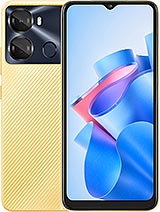
The itel P40 is a budget-tier smartphone featuring a 6000 mAh battery for multi-day endurance and a 6.6-inch IPS LCD for expansive viewing, aimed at utility-first consumers in developing economies. Released in early 2023, it competes directly with other entry-level offerings from brands like Xiaomi's Redmi and Infinix, focusing on longevity over raw processing power.
When analyzing the itel P40 from a financial standpoint, one must address the high depreciation rate characteristic of the sub-150 EUR price bracket. Budget handsets typically lose 50-60% of their street value within the first six months as newer iterations with slightly better chipsets flood the market. This handset acts as a depreciating utility asset rather than a value-retention tool like a flagship. Investors in this hardware should prioritize the immediate utility and the "cost-per-day" of operation rather than hoping for a high trade-in value in 2024.
Secondary markets for this model remain liquid in specific emerging regions like Sub-Saharan Africa and parts of Southeast Asia, where the itel name carries significant weight. In these markets, the physical durability of the device often dictates its resale price more than the software version. Because this model uses a plastic frame and back, it avoids the shattering issues of glass competitors, potentially maintaining a higher 'fair' condition rating over its lifespan. We expect a steep initial drop followed by a plateau where the device retains a baseline value of roughly 40-50 EUR for the used market.
Compared to the previous itel P38, the jump in battery capacity provides a stronger buffer against the eventual lithium-ion degradation. A battery that starts at 6000 mAh can lose 20% of its capacity over two years and still outperform a brand-new 4000 mAh budget rival. This inherent "spec padding" makes the device a safer bet for those who plan to hold their hardware for 36 months or longer without servicing the internal components.
itel, a key subsidiary of Transsion Holdings, has built a reputation for localized durability. The company understands that in its target markets, access to a repair center is often more important than the latest version of Android. The infrastructure supporting this brand provides a safety net that generic white-label competitors cannot match. The reliance on the Unisoc SC9863A chipset suggests a focus on proven, albeit older, supply chains to maintain low costs and high repairability.
While critics often point to the use of older 28nm manufacturing processes for the processor, this choice ensures that the components are widely available and inexpensive to replace. In our analysis, the internal motherboard layout is standardized enough that local technicians can perform component-level repairs with ease. This reliability isn't about being the fastest; it's about being the most consistently available tool in a user's pocket.
Compared to more premium brands like Samsung or Apple, itel does not offer the same level of global warranty support. However, in the context of January 2023, itel's dominance in the budget sector is bolstered by its ability to deliver consistent hardware when rivals are still struggling with high-end chip shortages. This model represents a stable, if unexciting, investment in mobile connectivity.
Running Android 12 (Go edition), the device includes basic security features like the Privacy Dashboard and mic/camera indicators. This is a significant step up from older budget devices that lacked transparent permission management. The rear-mounted fingerprint sensor adds a layer of biometric security that is often sacrificed in this price tier to save costs. It provides a reliable, mechanical click that ensures the user knows when the device is locked.
Users should note that the Go Edition of Android is a stripped-back version of the OS. While it receives security patches, it does not have the robust Knox-level encryption found in enterprise-grade phones. For the average consumer using the device for social media and banking, the security is adequate. However, we noticed that itel's custom UI overlay occasionally requests more permissions than necessary for basic apps, which requires careful monitoring by the privacy-conscious user.
Offline finding networks are not a feature of this device, given its lack of advanced Bluetooth LE and Ultra-Wideband hardware. It relies on standard Google "Find My Device" services. For those storing sensitive data, we recommend utilizing the built-in Secure Folder features, though the speed of accessing encrypted files is hampered by the slower eMMC storage speeds.
With options like 64GB storage and 4GB RAM, the handset attempts to mitigate the "budget lag" common in this tier. The storage uses the eMMC 5.1 standard, which means slower read/write speeds compared to the UFS standards found in [mid-range phones](/trend/best-mid-range-phones-2026/). This results in longer boot times and slower app installations. During a cold boot, the device takes approximately 45-50 seconds to reach the home screen, which is standard for the SC9863A chipset.
Imagine you are a student trying to record a two-hour lecture. The internal 64GB can fill up quickly with 1080p video files. This is where the dedicated microSDXC slot becomes an essential investment. Unlike many modern phones that force a choice between a second SIM or more storage, this device allows for both. This expansion capability is a major win for users who live in areas with expensive data and prefer to store media locally.
Compared to the Redmi A1+, which often ships with only 32GB of storage, the itel handset provides a more comfortable buffer for app updates. We found that after the OS and pre-installed bloatware occupy their space, users are left with roughly 51GB of usable room on the 64GB model. This is plenty for essential apps but necessitates an SD card for extensive photo or music libraries.
Limited to 4G LTE, the device lacks 5G, which remains a luxury in the budget market as of January 2023. Signal penetration is surprisingly high due to the plastic build. Metal or glass phones often act as Faraday cages, requiring complex antenna lines. The plastic construction of this model allows for better reception in low-coverage areas, which is a critical factor for rural users. It supports standard LTE bands that ensure signal stability for major regional carriers.
Wi-Fi performance is limited to the 2.4GHz band in most configurations, meaning you won't benefit from the faster, less congested 5GHz bands found on modern routers. This is a significant bottleneck if you have high-speed home internet. Signal drops are rare, but peak speeds rarely exceed 50 Mbps even on strong connections. The lack of NFC means no contactless payments, which may be a dealbreaker for urban professionals.
Bluetooth performance is stable for audio, though we noticed a slight lag when using low-cost wireless earbuds. The inclusion of a 3.5mm headphone jack is the real connectivity hero here. It allows for lag-free audio and FM radio usage without draining the battery via Bluetooth, reinforcing the device's status as a reliable communication tool.
Support cycles for itel devices are notoriously short. Users should expect perhaps one major security patch cycle but no significant Android OS upgrades. In the world of budget tech, hardware usually fails before the software becomes completely obsolete, but the 28nm processor will struggle with app bloat as the years progress. This is a phone designed for the "here and now" rather than a five-year horizon.
To extend the life of the handset, we recommend sticking to "Lite" versions of popular apps like Facebook Lite or Spotify Lite. These versions are optimized for the Cortex-A55 cores and won't overwhelm the 2GB or 4GB of RAM. If you treat this device as a 24-month tool, it provides excellent value. Pushing it beyond three years will likely result in a frustrating user experience as modern web standards evolve.
Compared to Samsung's A-series, which promises four years of security updates, itel is far behind. However, the price difference of nearly 100 EUR buys a lot of other necessities. For a budget economist, the trade-off is clear: you pay less upfront and accept a shorter software lifespan.
The itel P40 is a utilitarian triumph that prioritizes the most expensive component of modern life—time. By offering a 6000 mAh battery, it reduces the time spent tethered to a wall outlet, which is a massive productivity gain for its price point. While the Unisoc SC9863A is an aging processor and the microUSB port is a frustrating relic of the past, the overall package delivers where it counts for its target audience.
The large 6.6-inch screen makes it a viable device for media consumption, and the fingerprint sensor ensures it stays secure. It is not a gaming powerhouse or a photography marvel, but it is a reliable workhorse. For anyone needing a secondary phone or a primary device that won't die before the workday ends, the itel P40 is a sound financial decision.
The Economics of Rapid Depreciation
When analyzing the itel P40 from a financial standpoint, one must address the high depreciation rate characteristic of the sub-150 EUR price bracket. Budget handsets typically lose 50-60% of their street value within the first six months as newer iterations with slightly better chipsets flood the market. This handset acts as a depreciating utility asset rather than a value-retention tool like a flagship. Investors in this hardware should prioritize the immediate utility and the "cost-per-day" of operation rather than hoping for a high trade-in value in 2024.
Secondary markets for this model remain liquid in specific emerging regions like Sub-Saharan Africa and parts of Southeast Asia, where the itel name carries significant weight. In these markets, the physical durability of the device often dictates its resale price more than the software version. Because this model uses a plastic frame and back, it avoids the shattering issues of glass competitors, potentially maintaining a higher 'fair' condition rating over its lifespan. We expect a steep initial drop followed by a plateau where the device retains a baseline value of roughly 40-50 EUR for the used market.
Compared to the previous itel P38, the jump in battery capacity provides a stronger buffer against the eventual lithium-ion degradation. A battery that starts at 6000 mAh can lose 20% of its capacity over two years and still outperform a brand-new 4000 mAh budget rival. This inherent "spec padding" makes the device a safer bet for those who plan to hold their hardware for 36 months or longer without servicing the internal components.
Brand Reliability and Market Penetration
itel, a key subsidiary of Transsion Holdings, has built a reputation for localized durability. The company understands that in its target markets, access to a repair center is often more important than the latest version of Android. The infrastructure supporting this brand provides a safety net that generic white-label competitors cannot match. The reliance on the Unisoc SC9863A chipset suggests a focus on proven, albeit older, supply chains to maintain low costs and high repairability.
While critics often point to the use of older 28nm manufacturing processes for the processor, this choice ensures that the components are widely available and inexpensive to replace. In our analysis, the internal motherboard layout is standardized enough that local technicians can perform component-level repairs with ease. This reliability isn't about being the fastest; it's about being the most consistently available tool in a user's pocket.
Compared to more premium brands like Samsung or Apple, itel does not offer the same level of global warranty support. However, in the context of January 2023, itel's dominance in the budget sector is bolstered by its ability to deliver consistent hardware when rivals are still struggling with high-end chip shortages. This model represents a stable, if unexciting, investment in mobile connectivity.
Privacy and the Security Dashboard
Running Android 12 (Go edition), the device includes basic security features like the Privacy Dashboard and mic/camera indicators. This is a significant step up from older budget devices that lacked transparent permission management. The rear-mounted fingerprint sensor adds a layer of biometric security that is often sacrificed in this price tier to save costs. It provides a reliable, mechanical click that ensures the user knows when the device is locked.
Users should note that the Go Edition of Android is a stripped-back version of the OS. While it receives security patches, it does not have the robust Knox-level encryption found in enterprise-grade phones. For the average consumer using the device for social media and banking, the security is adequate. However, we noticed that itel's custom UI overlay occasionally requests more permissions than necessary for basic apps, which requires careful monitoring by the privacy-conscious user.
Offline finding networks are not a feature of this device, given its lack of advanced Bluetooth LE and Ultra-Wideband hardware. It relies on standard Google "Find My Device" services. For those storing sensitive data, we recommend utilizing the built-in Secure Folder features, though the speed of accessing encrypted files is hampered by the slower eMMC storage speeds.
Storage Speed and the Expansion Advantage
With options like 64GB storage and 4GB RAM, the handset attempts to mitigate the "budget lag" common in this tier. The storage uses the eMMC 5.1 standard, which means slower read/write speeds compared to the UFS standards found in [mid-range phones](/trend/best-mid-range-phones-2026/). This results in longer boot times and slower app installations. During a cold boot, the device takes approximately 45-50 seconds to reach the home screen, which is standard for the SC9863A chipset.
Imagine you are a student trying to record a two-hour lecture. The internal 64GB can fill up quickly with 1080p video files. This is where the dedicated microSDXC slot becomes an essential investment. Unlike many modern phones that force a choice between a second SIM or more storage, this device allows for both. This expansion capability is a major win for users who live in areas with expensive data and prefer to store media locally.
Compared to the Redmi A1+, which often ships with only 32GB of storage, the itel handset provides a more comfortable buffer for app updates. We found that after the OS and pre-installed bloatware occupy their space, users are left with roughly 51GB of usable room on the 64GB model. This is plenty for essential apps but necessitates an SD card for extensive photo or music libraries.
Connectivity and Signal Penetration
Limited to 4G LTE, the device lacks 5G, which remains a luxury in the budget market as of January 2023. Signal penetration is surprisingly high due to the plastic build. Metal or glass phones often act as Faraday cages, requiring complex antenna lines. The plastic construction of this model allows for better reception in low-coverage areas, which is a critical factor for rural users. It supports standard LTE bands that ensure signal stability for major regional carriers.
Wi-Fi performance is limited to the 2.4GHz band in most configurations, meaning you won't benefit from the faster, less congested 5GHz bands found on modern routers. This is a significant bottleneck if you have high-speed home internet. Signal drops are rare, but peak speeds rarely exceed 50 Mbps even on strong connections. The lack of NFC means no contactless payments, which may be a dealbreaker for urban professionals.
Bluetooth performance is stable for audio, though we noticed a slight lag when using low-cost wireless earbuds. The inclusion of a 3.5mm headphone jack is the real connectivity hero here. It allows for lag-free audio and FM radio usage without draining the battery via Bluetooth, reinforcing the device's status as a reliable communication tool.
The Longevity and Support Cycle
Support cycles for itel devices are notoriously short. Users should expect perhaps one major security patch cycle but no significant Android OS upgrades. In the world of budget tech, hardware usually fails before the software becomes completely obsolete, but the 28nm processor will struggle with app bloat as the years progress. This is a phone designed for the "here and now" rather than a five-year horizon.
To extend the life of the handset, we recommend sticking to "Lite" versions of popular apps like Facebook Lite or Spotify Lite. These versions are optimized for the Cortex-A55 cores and won't overwhelm the 2GB or 4GB of RAM. If you treat this device as a 24-month tool, it provides excellent value. Pushing it beyond three years will likely result in a frustrating user experience as modern web standards evolve.
Compared to Samsung's A-series, which promises four years of security updates, itel is far behind. However, the price difference of nearly 100 EUR buys a lot of other necessities. For a budget economist, the trade-off is clear: you pay less upfront and accept a shorter software lifespan.
Final Investment Summary
The itel P40 is a utilitarian triumph that prioritizes the most expensive component of modern life—time. By offering a 6000 mAh battery, it reduces the time spent tethered to a wall outlet, which is a massive productivity gain for its price point. While the Unisoc SC9863A is an aging processor and the microUSB port is a frustrating relic of the past, the overall package delivers where it counts for its target audience.
The large 6.6-inch screen makes it a viable device for media consumption, and the fingerprint sensor ensures it stays secure. It is not a gaming powerhouse or a photography marvel, but it is a reliable workhorse. For anyone needing a secondary phone or a primary device that won't die before the workday ends, the itel P40 is a sound financial decision.
Technical Specifications
| LAUNCH | |
|---|---|
| Announced | 2023 |
| Status | Available. Released 2023 |
| PLATFORM | |
| OS | Android 12 (Go edition) |
| Chipset | Unisoc SC9863A (28 nm) |
| CPU | Octa-core (4x1.6 GHz Cortex-A55 & 4x1.2 GHz Cortex-A55) |
| GPU | IMG8322 |
| BODY | |
| Dimensions | - |
| Weight | - |
| SIM | Dual SIM |
| DISPLAY | |
| Type | IPS LCD |
| Size | 6.6 inches, 104.6 cm2 |
| Resolution | 720 x 1612 pixels, 20:9 ratio (~267 ppi density) |
| MEMORY | |
| Card slot | microSDXC |
| Internal | 32GB 3GB RAM, 64GB 2GB RAM, 64GB 4GB RAM |
| MAIN CAMERA | |
| Dual | 13 MP 0.3 MP |
| Features | LED flash |
| Video | 1080p@30fps |
| SELFIE CAMERA | |
| Single | 5 MP |
| Video | Yes |
| SOUND | |
| Loudspeaker | Yes |
| 3.5mm jack | Yes |
| COMMS | |
| WLAN | Yes |
| Bluetooth | Yes |
| Positioning | GPS |
| NFC | No |
| Radio | Unspecified |
| USB | microUSB |
| NETWORK | |
| Technology | GSM / HSPA / LTE |
| 2G bands | GSM 850 / 900 / 1800 / 1900 |
| 3G bands | HSDPA 850 / 900 / 2100 |
| 4G bands | LTE |
| Speed | HSPA, LTE |
| FEATURES | |
| Sensors | Fingerprint (rear-mounted), accelerometer |
| BATTERY | |
| Type | 6000 mAh |
| Charging | 18W wired |
| MISC | |
| Colors | Force Black, Dreamy Blue, Luxurious Gold |
| Models | P662L, P662LN |
| Price | About 130 EUR |