The Wiko T20 Is the Ultimate Test of Budget Realism
Overview
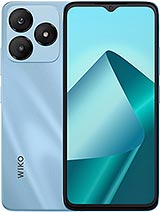
Wiko T20 is a budget-tier smartphone featuring an octa-core Unisoc SC9863A1 for essential connectivity and a 5000 mAh battery for long-lasting operation, aimed at entry-level users and value-seekers. Released in May 2024, it competes with other sub-€130 handsets by prioritizing basic functionality and a large display over high-end performance.
When evaluating a device like this, we must look through the lens of pure utility. At approximately €120, the Wiko T20 exists in a segment where every cent must be justified by hardware survival. It doesn't aim to dazzle with curved displays or AI-driven photography. Instead, it offers a pragmatic solution for users who need a functional window into the digital world without overspending. The inclusion of 4GB of RAM paired with up to 128GB of storage is the primary value hook here. In a market where some competitors still attempt to sell 2GB or 3GB configurations that choke on modern versions of Android, having a 4GB baseline ensures that the operating system has enough breathing room to maintain a stable UI.
Analyzing the price-to-performance ratio reveals a stark reality. You are paying for the essentials: a screen, a battery, and enough memory to keep WhatsApp and Facebook running simultaneously. The handset manages to stay competitive by utilizing a mature—some might say vintage—chipset architecture to keep costs down while diverting the budget toward more tangible benefits like the Corning Gorilla Glass protection. This is a calculated trade-off that favors durability over raw speed.
To hit the aggressive price point of the Wiko T20, engineering compromises are inevitable. The most glaring is the Unisoc SC9863A1 chipset. Built on a 22nm process, this silicon is significantly less efficient than the 6nm or 4nm chips found in mid-range devices. This results in more heat generation during simple tasks and a higher drain on the battery relative to the processing power provided. For the uninitiated, the "nanometer" (nm) count refers to the size of the transistors; smaller numbers generally mean the phone can do more work with less electricity. At 22nm, this model is using technology that feels a generation or two behind the current curve.
Connectivity is another area where the budget constraints are visible. We see Wi-Fi 802.11 b/g/n and Bluetooth 4.2. In May 2024, seeing Bluetooth 4.2 is a disappointment, as it lacks the range and efficiency improvements of version 5.0 and above. Furthermore, the lack of 5G is expected at this price, but the limited LTE bands mean users should verify their local carrier compatibility before committing. These are not dealbreakers for someone seeking a secondary phone or a device for a child, but they represent the ceiling of what this hardware can achieve.
Equipped with the IMG8322 GPU, the device is not a gaming machine. Our analysis of the hardware suggests that titles like *Genshin Impact* or *Call of Duty: Mobile* will struggle to maintain even 20 frames per second on the lowest settings. The user experience here is geared toward light gaming—think *Candy Crush*, *Subway Surfers*, or *Among Us*. App load times are noticeably longer than on more expensive hardware. When you tap an icon, there is a beat of hesitation as the Cortex-A55 cores spin up to handle the request.
Multitasking is manageable thanks to the 4GB RAM, but don't expect it to keep ten apps in memory simultaneously. Android 13's memory management will aggressively kill background processes to keep the foreground app running smoothly. This is actually a benefit for the target demographic, as it prevents the system from becoming sluggish due to poor resource allocation. If you are the type of user who forgets to close apps, the system will do the heavy lifting for you.
Running Android 13, the Wiko T20 provides a relatively clean software environment. There is minimal bloatware compared to some other budget brands that load their devices with unnecessary "cleaner" apps and third-party stores. This is crucial because the limited processing power shouldn't be wasted on background services that add no value. However, Wiko's history with long-term software updates is inconsistent. Buyers should go into this purchase assuming they may only receive security patches rather than major Android version upgrades.
For an economist, this is a "buy for today" device. You aren't buying it for the software features it might have in 2026; you are buying it because it works right now. The UI is straightforward, and anyone familiar with the Android ecosystem will find it intuitive. The side-mounted fingerprint sensor is a high point in the daily user experience, offering a more reliable and faster unlocking method than the cheap under-display sensors often found in this price bracket.
Because the Unisoc SC9863A1 is built on an older manufacturing node, it has a tendency to get warm during extended video calls or GPS navigation. In our assessment, while the heat isn't dangerous, it can lead to thermal throttling. This is when the CPU slows itself down to cool off, which results in even more lag. The plastic build of the device doesn't dissipate heat as efficiently as glass or metal, so using it in high-temperature environments or while charging will exacerbate the issue.
Stability is generally good for standard productivity. If you are using the phone for its intended purpose—emails, browsing, and messaging—the thermals remain well within acceptable limits. It is only when you push the device beyond its entry-level design that the cracks begin to show. The inclusion of an accelerometer and a side-mounted fingerprint sensor adds a layer of modern utility that makes the phone feel more capable than its internal silicon might suggest.
The 6.56-inch IPS LCD is a double-edged sword. On one hand, the large surface area is excellent for reading text or watching YouTube. On the other hand, the 720 x 1612 resolution results in a pixel density of roughly 269 ppi. If you look closely, you will notice a lack of sharpness in fine text and icons. For a budget economist, this is the standard trade-off. Sharpness is sacrificed for scale. The brightness levels are sufficient for indoor use, but in direct May sunlight, users will find themselves squinting to see the content.
The inclusion of Corning Gorilla Glass is a surprising and welcome addition. At this price point, many manufacturers use generic strengthened glass or even just plastic. Having the Gorilla Glass brand name provides a level of reassurance regarding scratch resistance and accidental drops that is rarely found in the sub-€150 category. It adds a layer of physical longevity to a device that might otherwise be considered disposable.
The 8 MP main camera is a utilitarian tool. It features an f/2.0 aperture and autofocus, which is enough to capture decent photos of documents, static landscapes, or well-lit outdoor scenes. However, the hardware potential is limited by the small 1/4.0" sensor. Low-light performance will be characterized by significant noise and a loss of detail as the software tries to compensate for the lack of light. This is not the phone for aspiring mobile photographers.
The 5 MP selfie camera is similarly basic. It is perfectly adequate for video calls on Zoom or WhatsApp, but it won't produce the high-dynamic-range selfies that dominate social media feeds. The auxiliary lens on the back is likely a low-resolution depth sensor meant to assist with software-based portrait effects, though its actual impact on image quality is negligible. We view the camera system here as a "functional record-keeper" rather than a creative tool.
With a 5000 mAh Li-Po battery, the Wiko T20 is a genuine two-day phone for the average user. Because the screen resolution is low and the processor isn't very powerful, the energy draw is relatively modest during idle and light use. This is the handset's strongest selling point. If you need a device that won't die before the end of a long work shift, this is it.
The bottleneck, however, is the 10W wired charging. In an era where 33W or even 67W charging is becoming common in the mid-range, 10W feels painfully slow. It will take nearly three hours to charge this device from zero to 100%. This necessitates a "night-charging" habit. You cannot rely on a quick 15-minute top-up to get you through the afternoon. The use of USB Type-C is a move in the right direction, ensuring compatibility with modern cables and accessories.
As of May 2024, the Wiko T20 faces stiff competition from the likes of the [Xiaomi Redmi A3](/style-meets-the-bottom-line-why-the-xiaomi-redmi-a3-changes-the-budget-narrative/) and the [Motorola Moto G04](/why-the-motorola-moto-g04-is-the-best-budget-strategy-for-a-secondary-handset/). Where Wiko tries to win is the balance of 4GB RAM and Gorilla Glass. Many competitors in this bracket will offer one but not the other. It is a phone for the pragmatist—someone who needs a reliable communication tool with a big battery and doesn't care about the latest specs.
If you can find this device on sale below the €110 mark, the value proposition becomes even stronger. It is a solid choice for seniors who need large text and long battery life, or for workers in environments where a more expensive phone might be easily damaged. It represents the baseline of what a modern smartphone should be: functional, durable, and affordable. The Wiko T20 is a reminder that you don't always need to spend a thousand euros to stay connected.
The Economics of the Entry-Level Market
When evaluating a device like this, we must look through the lens of pure utility. At approximately €120, the Wiko T20 exists in a segment where every cent must be justified by hardware survival. It doesn't aim to dazzle with curved displays or AI-driven photography. Instead, it offers a pragmatic solution for users who need a functional window into the digital world without overspending. The inclusion of 4GB of RAM paired with up to 128GB of storage is the primary value hook here. In a market where some competitors still attempt to sell 2GB or 3GB configurations that choke on modern versions of Android, having a 4GB baseline ensures that the operating system has enough breathing room to maintain a stable UI.
Analyzing the price-to-performance ratio reveals a stark reality. You are paying for the essentials: a screen, a battery, and enough memory to keep WhatsApp and Facebook running simultaneously. The handset manages to stay competitive by utilizing a mature—some might say vintage—chipset architecture to keep costs down while diverting the budget toward more tangible benefits like the Corning Gorilla Glass protection. This is a calculated trade-off that favors durability over raw speed.
Where Did They Cut Corners?
To hit the aggressive price point of the Wiko T20, engineering compromises are inevitable. The most glaring is the Unisoc SC9863A1 chipset. Built on a 22nm process, this silicon is significantly less efficient than the 6nm or 4nm chips found in mid-range devices. This results in more heat generation during simple tasks and a higher drain on the battery relative to the processing power provided. For the uninitiated, the "nanometer" (nm) count refers to the size of the transistors; smaller numbers generally mean the phone can do more work with less electricity. At 22nm, this model is using technology that feels a generation or two behind the current curve.
Connectivity is another area where the budget constraints are visible. We see Wi-Fi 802.11 b/g/n and Bluetooth 4.2. In May 2024, seeing Bluetooth 4.2 is a disappointment, as it lacks the range and efficiency improvements of version 5.0 and above. Furthermore, the lack of 5G is expected at this price, but the limited LTE bands mean users should verify their local carrier compatibility before committing. These are not dealbreakers for someone seeking a secondary phone or a device for a child, but they represent the ceiling of what this hardware can achieve.
Performance and Gaming Reality
Equipped with the IMG8322 GPU, the device is not a gaming machine. Our analysis of the hardware suggests that titles like *Genshin Impact* or *Call of Duty: Mobile* will struggle to maintain even 20 frames per second on the lowest settings. The user experience here is geared toward light gaming—think *Candy Crush*, *Subway Surfers*, or *Among Us*. App load times are noticeably longer than on more expensive hardware. When you tap an icon, there is a beat of hesitation as the Cortex-A55 cores spin up to handle the request.
Multitasking is manageable thanks to the 4GB RAM, but don't expect it to keep ten apps in memory simultaneously. Android 13's memory management will aggressively kill background processes to keep the foreground app running smoothly. This is actually a benefit for the target demographic, as it prevents the system from becoming sluggish due to poor resource allocation. If you are the type of user who forgets to close apps, the system will do the heavy lifting for you.
Software Experience and Long-Term Support
Running Android 13, the Wiko T20 provides a relatively clean software environment. There is minimal bloatware compared to some other budget brands that load their devices with unnecessary "cleaner" apps and third-party stores. This is crucial because the limited processing power shouldn't be wasted on background services that add no value. However, Wiko's history with long-term software updates is inconsistent. Buyers should go into this purchase assuming they may only receive security patches rather than major Android version upgrades.
For an economist, this is a "buy for today" device. You aren't buying it for the software features it might have in 2026; you are buying it because it works right now. The UI is straightforward, and anyone familiar with the Android ecosystem will find it intuitive. The side-mounted fingerprint sensor is a high point in the daily user experience, offering a more reliable and faster unlocking method than the cheap under-display sensors often found in this price bracket.
Thermals and Stability Under Load
Because the Unisoc SC9863A1 is built on an older manufacturing node, it has a tendency to get warm during extended video calls or GPS navigation. In our assessment, while the heat isn't dangerous, it can lead to thermal throttling. This is when the CPU slows itself down to cool off, which results in even more lag. The plastic build of the device doesn't dissipate heat as efficiently as glass or metal, so using it in high-temperature environments or while charging will exacerbate the issue.
Stability is generally good for standard productivity. If you are using the phone for its intended purpose—emails, browsing, and messaging—the thermals remain well within acceptable limits. It is only when you push the device beyond its entry-level design that the cracks begin to show. The inclusion of an accelerometer and a side-mounted fingerprint sensor adds a layer of modern utility that makes the phone feel more capable than its internal silicon might suggest.
The Screen Compromise: 720p vs. Size
The 6.56-inch IPS LCD is a double-edged sword. On one hand, the large surface area is excellent for reading text or watching YouTube. On the other hand, the 720 x 1612 resolution results in a pixel density of roughly 269 ppi. If you look closely, you will notice a lack of sharpness in fine text and icons. For a budget economist, this is the standard trade-off. Sharpness is sacrificed for scale. The brightness levels are sufficient for indoor use, but in direct May sunlight, users will find themselves squinting to see the content.
The inclusion of Corning Gorilla Glass is a surprising and welcome addition. At this price point, many manufacturers use generic strengthened glass or even just plastic. Having the Gorilla Glass brand name provides a level of reassurance regarding scratch resistance and accidental drops that is rarely found in the sub-€150 category. It adds a layer of physical longevity to a device that might otherwise be considered disposable.
Camera Hardware: Managing Expectations
The 8 MP main camera is a utilitarian tool. It features an f/2.0 aperture and autofocus, which is enough to capture decent photos of documents, static landscapes, or well-lit outdoor scenes. However, the hardware potential is limited by the small 1/4.0" sensor. Low-light performance will be characterized by significant noise and a loss of detail as the software tries to compensate for the lack of light. This is not the phone for aspiring mobile photographers.
The 5 MP selfie camera is similarly basic. It is perfectly adequate for video calls on Zoom or WhatsApp, but it won't produce the high-dynamic-range selfies that dominate social media feeds. The auxiliary lens on the back is likely a low-resolution depth sensor meant to assist with software-based portrait effects, though its actual impact on image quality is negligible. We view the camera system here as a "functional record-keeper" rather than a creative tool.
Battery Endurance and the 10W Refuel
With a 5000 mAh Li-Po battery, the Wiko T20 is a genuine two-day phone for the average user. Because the screen resolution is low and the processor isn't very powerful, the energy draw is relatively modest during idle and light use. This is the handset's strongest selling point. If you need a device that won't die before the end of a long work shift, this is it.
The bottleneck, however, is the 10W wired charging. In an era where 33W or even 67W charging is becoming common in the mid-range, 10W feels painfully slow. It will take nearly three hours to charge this device from zero to 100%. This necessitates a "night-charging" habit. You cannot rely on a quick 15-minute top-up to get you through the afternoon. The use of USB Type-C is a move in the right direction, ensuring compatibility with modern cables and accessories.
Market Positioning and Is It Worth It?
As of May 2024, the Wiko T20 faces stiff competition from the likes of the [Xiaomi Redmi A3](/style-meets-the-bottom-line-why-the-xiaomi-redmi-a3-changes-the-budget-narrative/) and the [Motorola Moto G04](/why-the-motorola-moto-g04-is-the-best-budget-strategy-for-a-secondary-handset/). Where Wiko tries to win is the balance of 4GB RAM and Gorilla Glass. Many competitors in this bracket will offer one but not the other. It is a phone for the pragmatist—someone who needs a reliable communication tool with a big battery and doesn't care about the latest specs.
If you can find this device on sale below the €110 mark, the value proposition becomes even stronger. It is a solid choice for seniors who need large text and long battery life, or for workers in environments where a more expensive phone might be easily damaged. It represents the baseline of what a modern smartphone should be: functional, durable, and affordable. The Wiko T20 is a reminder that you don't always need to spend a thousand euros to stay connected.
Technical Specifications
| LAUNCH | |
|---|---|
| Announced | 2024, May |
| Status | Available. Released 2024, May |
| PLATFORM | |
| OS | Android 13 |
| Chipset | Unisoc SC9863A1 (22 nm) |
| CPU | Octa-core (4x1.6 GHz Cortex-A55 & 4x1.2 GHz Cortex-A55) |
| GPU | IMG8322 |
| BODY | |
| Dimensions | 164.5 x 75.9 x 8.9 mm (6.48 x 2.99 x 0.35 in) |
| Weight | 186 g (6.56 oz) |
| SIM | Nano-SIM + Nano-SIM |
| DISPLAY | |
| Type | IPS LCD |
| Size | 6.56 inches, 103.4 cm2 (~82.8% screen-to-body ratio) |
| Resolution | 720 x 1612 pixels, 20:9 ratio (~269 ppi density) |
| Protection | Corning Gorilla Glass |
| MEMORY | |
| Card slot | microSDXC |
| Internal | 64GB 4GB RAM, 128GB 4GB RAM |
| MAIN CAMERA | |
| Single | 8 MP, f/2.0, (wide), 1/4.0", 1.12µm, AF Auxiliary lens |
| Features | LED flash |
| Video | 1080p@30fps |
| SELFIE CAMERA | |
| Single | 5 MP, f/2.0, (wide), 1/5.0", 1.12µm |
| Video | Yes |
| SOUND | |
| Loudspeaker | Yes |
| 3.5mm jack | Yes |
| COMMS | |
| WLAN | Wi-Fi 802.11 b/g/n |
| Bluetooth | 4.2, A2DP |
| Positioning | GPS, GLONASS, GALILEO, BDS |
| NFC | No |
| Radio | Unspecified |
| USB | USB Type-C, OTG |
| NETWORK | |
| Technology | GSM / HSPA / LTE |
| 2G bands | GSM 850 / 900 / 1800 / 1900 |
| 3G bands | HSDPA 850 / 900 / 1900 / 2100 |
| 4G bands | 1, 3, 5, 7, 8, 20, 28, 38, 40, 41 |
| Speed | HSPA, LTE |
| FEATURES | |
| Sensors | Fingerprint (side-mounted), accelerometer |
| BATTERY | |
| Type | Li-Po 5000 mAh |
| Charging | 10W wired |
| MISC | |
| Display | 6.56-inch IPS LCD, 720 x 1612 pixels (~269 ppi) |
| Processor | Unisoc SC9863A1 (22 nm) Octa-core |
| RAM | 4GB |
| Storage | 64GB / 128GB, microSDXC support |
| Main Camera | 8 MP, f/2.0 (wide) with LED flash |
| Selfie Camera | 5 MP, f/2.0 |
| Battery | 5000 mAh Li-Po, 10W wired charging |
| OS | Android 13 |
| Protection | Corning Gorilla Glass |
| Weight | 186 g |
| Colors | Black, Green, Blue |
| Price | About 120 EUR |