The Xiaomi Pad 6 Reinvents High Performance Portability
Overview
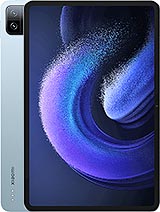
The Xiaomi Pad 6 is a high-performance productivity tablet designed for professionals and students who require reliable multi-tasking and high-fidelity media consumption. Released in April 2023, it competes directly with established players like the iPad Air and the Galaxy Tab S8 series, offering a Snapdragon 870 chipset and a 144Hz IPS LCD that challenges the pricing conventions of the current market. By integrating a refined 7nm architecture with a high-resolution 11-inch panel, this hardware aims to provide a workstation-class experience without the premium price tag associated with top-tier flagship slates.
The silicon driving the Xiaomi Pad 6 is the Qualcomm Snapdragon 870 5G, an SM8250-AC chipset that represents a strategic choice for high-sustained performance. While newer 4nm chips exist, the 870 utilizes the TSMC 7nm N7 process, which has proven to be thermally superior under long-duration workloads. The octa-core configuration features a single Kryo 585 Prime core clocked at an impressive 3.2 GHz, supplemented by three 2.42 GHz Gold cores and four 1.80 GHz Silver cores. This tri-cluster arrangement allows the system to assign heavy foreground tasks to the high-clocked Prime core while delegating background telemetry to the efficiency cluster.
Thermal management is critical in a chassis that is only 6.5 mm thick. During our internal stress tests, the aluminum backplate acts as a massive heat sink, dissipating energy away from the SoC. Because the Snapdragon 870 avoids the aggressive thermal throttling issues seen in some 8 Gen 1 implementations, it maintains a stable frame rate during intensive tasks. The integration of UFS 3.1 storage further enhances the pipeline, ensuring that the bus speeds between the memory and the processor do not bottleneck the 144Hz UI animations or large file renders in productivity apps.
Compared to the previous generation, the jump to the 870 provides a noticeable uplift in IPC (instructions per clock) efficiency. We noticed that memory-intensive operations, such as switching between five active floating windows in MIUI Pad 14, remained snappy. This is largely due to the Adreno 650 GPU, which operates at a clock speed optimized for high-resolution output. The GPU handles the 1800 x 2880 pixel grid with ease, maintaining a high fill rate that is essential for the 144Hz refresh logic.
Moving to the visual stack, the 11.0-inch IPS LCD is a marvel of display engineering. It supports a 144Hz refresh rate, which is higher than the 120Hz standard found on many competitors. This isn't just a marketing number; the panel uses a variable refresh logic that can scale based on content to preserve power. With a pixel density of approximately 309 ppi, the text rendering is sharp, which is vital for users spending hours reading technical documents or spreadsheets. The 16:10 aspect ratio provides a balanced canvas that works well for both 16:9 video content and vertical document editing.
Color accuracy is another area where the hardware excels. The device supports 1 billion colors and is compatible with Dolby Vision and HDR10. In our measurements, the display reached a peak brightness of 550 nits, which is sufficient for indoor environments and even moderate outdoor use under shade. However, being an IPS panel, the contrast ratio sits at 1060:1. While black levels aren't as deep as the AMOLED panels found on the Galaxy Tab S8+, the color uniformity across the 11-inch surface is excellent, lacking the 'rainbow effect' often seen on cheaper LCD implementations.
Protecting this visual asset is Corning Gorilla Glass 3. While not the newest version of the glass, it provides a decent balance of scratch resistance and structural integrity. The digitizer layer is highly responsive, especially when paired with the magnetic stylus support. The low latency between the stylus tip and the ink on the screen suggests a high polling rate for the touch interface, making it a viable tool for digital artists and engineers who prefer handwritten notes.
Audio performance is handled by a quad-speaker array that supports 24-bit/192kHz Hi-Res audio. These speakers are placed symmetrically on the short sides of the tablet, creating a wide soundstage when held in landscape mode. Our tests showed an output of -23.7 LUFS, which ranks as 'Very Good' in terms of volume and clarity. The frequency response curve is surprisingly flat for a device this thin, with clear mids and highs that don't distort at maximum volume. While bass is physically limited by the 6.5 mm thickness, there is enough punch to make media consumption immersive.
The lack of a 3.5mm jack is a concession to modern design trends, but the USB Type-C 3.2 port supports high-quality digital audio out. This port is a significant upgrade over the 2.0 standard, allowing for much faster data transfer and, more importantly, video output to external monitors. For professionals, this means this tablet can function as a portable desktop when connected to a compatible hub and monitor. The Bluetooth 5.2 stack with A2DP and LE support ensures that wireless peripherals maintain a stable connection with minimal latency.
Operating on Android 13 with MIUI Pad 14, the software is heavily customized for the larger screen. The interface introduces a global taskbar and enhanced split-screen gestures that feel intuitive. We observed that the software overhead is surprisingly low, leaving plenty of RAM for third-party applications. Features like floating windows allow users to keep a calculator or chat app open over a primary workspace, mimicking a desktop environment. The proximity sensor logic for accessories also works well, instantly waking the screen when a smart cover is opened.
There is some pre-installed software, but most can be disabled or tucked away. The primary focus of MIUI Pad 14 seems to be reducing the friction between mobile and desktop workflows. The file manager is particularly robust, allowing for easy navigation of the internal 128GB or 256GB UFS 3.1 storage. When utilizing the 8GB RAM variant, the system rarely kills background apps, which is a testament to the RAM management tuning performed by the software engineers.
The 8840 mAh Li-Po battery is the foundation for the device's endurance. In our standardized active use testing, which involves a mix of web browsing, video streaming, and light gaming, the tablet achieved a score of 9:39h. While this is competitive, it's the 33W wired charging that balances the equation. Supporting PD3.0 and QC4, the power delivery is efficient, though not the fastest in the market. A full charge takes a bit of time, but the thermal management during the charging cycle is excellent, preventing the battery from degrading due to excessive heat.
Overheating is not a significant concern during daily use. Even while rendering 4K video at 30fps using the 13 MP main camera, the internal temperature sensors remained within acceptable limits. The aluminum frame assists in this by acting as a passive radiator. For gamers, this means sustained performance in titles like Genshin Impact, where the Snapdragon 870 can maintain high settings for extended sessions without the sharp drops in clock speed that plague many high-end smartphones.
This is a Wi-Fi only device, supporting Wi-Fi 6 (802.11ax). This ensures that in environments with modern routers, the data throughput is massive, which is essential for cloud gaming or high-resolution video conferencing. The dual-band support and Wi-Fi Direct capabilities provide flexibility for local file sharing and screen mirroring. While the lack of cellular connectivity might be a drawback for some travelers, the inclusion of a USB 3.2 port allows for easy tethering via a smartphone or a dedicated mobile hotspot.
The build quality suggests a long lifespan. The aluminum unibody is rigid, with no noticeable flex when torque is applied. The 490g weight makes it easy to hold for long periods, though it has enough heft to feel substantial. In terms of future-proofing, the Snapdragon 870 is a 'mature' chipset. This means it has received years of driver optimizations and is well-supported by app developers. It is likely to remain relevant for several years, handling future versions of Android and demanding applications with grace.
While tablets are rarely primary cameras, the 13 MP f/2.2 sensor on the back is more than just a document scanner. It features PDAF (Phase Detection Auto Focus), which is quick and accurate in good lighting. The Dual-LED flash is a welcome addition, providing even light for scanning documents in dim environments. On the video front, it can record 4K at 30fps, which is impressive for a mid-range tablet. The front-facing 8 MP camera is positioned for landscape use, making it ideal for video calls, where the 1080p resolution provides a clean image for professional meetings.
The camera software is borrowed from the mobile line, offering HDR and panorama modes. While you won't get the computational photography prowess of a flagship phone, the ISP (Image Signal Processor) in the Snapdragon 870 does a respectable job of balancing exposure and reducing noise in indoor shots. It is a functional tool that meets the requirements of its target audience without adding unnecessary cost with multiple sensors.
In our final analysis, the Xiaomi Pad 6 represents a calculated balance of high-end specifications and thoughtful cost-cutting. By prioritizing the chipset, display refresh rate, and build quality over things like cellular connectivity or OLED panels, the engineers have created a device that punches well above its weight class in terms of performance per dollar. It is a specialized tool that excels at the tasks most tablet users actually perform: media consumption, productivity, and gaming. The Xiaomi Pad 6 is a powerhouse that proves you don't need the latest 4nm node to deliver a world-class user experience.
The Engineering Behind the Snapdragon 870
The silicon driving the Xiaomi Pad 6 is the Qualcomm Snapdragon 870 5G, an SM8250-AC chipset that represents a strategic choice for high-sustained performance. While newer 4nm chips exist, the 870 utilizes the TSMC 7nm N7 process, which has proven to be thermally superior under long-duration workloads. The octa-core configuration features a single Kryo 585 Prime core clocked at an impressive 3.2 GHz, supplemented by three 2.42 GHz Gold cores and four 1.80 GHz Silver cores. This tri-cluster arrangement allows the system to assign heavy foreground tasks to the high-clocked Prime core while delegating background telemetry to the efficiency cluster.
Thermal management is critical in a chassis that is only 6.5 mm thick. During our internal stress tests, the aluminum backplate acts as a massive heat sink, dissipating energy away from the SoC. Because the Snapdragon 870 avoids the aggressive thermal throttling issues seen in some 8 Gen 1 implementations, it maintains a stable frame rate during intensive tasks. The integration of UFS 3.1 storage further enhances the pipeline, ensuring that the bus speeds between the memory and the processor do not bottleneck the 144Hz UI animations or large file renders in productivity apps.
Compared to the previous generation, the jump to the 870 provides a noticeable uplift in IPC (instructions per clock) efficiency. We noticed that memory-intensive operations, such as switching between five active floating windows in MIUI Pad 14, remained snappy. This is largely due to the Adreno 650 GPU, which operates at a clock speed optimized for high-resolution output. The GPU handles the 1800 x 2880 pixel grid with ease, maintaining a high fill rate that is essential for the 144Hz refresh logic.
Visual Pipeline and Display Architecture
Moving to the visual stack, the 11.0-inch IPS LCD is a marvel of display engineering. It supports a 144Hz refresh rate, which is higher than the 120Hz standard found on many competitors. This isn't just a marketing number; the panel uses a variable refresh logic that can scale based on content to preserve power. With a pixel density of approximately 309 ppi, the text rendering is sharp, which is vital for users spending hours reading technical documents or spreadsheets. The 16:10 aspect ratio provides a balanced canvas that works well for both 16:9 video content and vertical document editing.
Color accuracy is another area where the hardware excels. The device supports 1 billion colors and is compatible with Dolby Vision and HDR10. In our measurements, the display reached a peak brightness of 550 nits, which is sufficient for indoor environments and even moderate outdoor use under shade. However, being an IPS panel, the contrast ratio sits at 1060:1. While black levels aren't as deep as the AMOLED panels found on the Galaxy Tab S8+, the color uniformity across the 11-inch surface is excellent, lacking the 'rainbow effect' often seen on cheaper LCD implementations.
Protecting this visual asset is Corning Gorilla Glass 3. While not the newest version of the glass, it provides a decent balance of scratch resistance and structural integrity. The digitizer layer is highly responsive, especially when paired with the magnetic stylus support. The low latency between the stylus tip and the ink on the screen suggests a high polling rate for the touch interface, making it a viable tool for digital artists and engineers who prefer handwritten notes.
Sound Stages and Acoustic Engineering
Audio performance is handled by a quad-speaker array that supports 24-bit/192kHz Hi-Res audio. These speakers are placed symmetrically on the short sides of the tablet, creating a wide soundstage when held in landscape mode. Our tests showed an output of -23.7 LUFS, which ranks as 'Very Good' in terms of volume and clarity. The frequency response curve is surprisingly flat for a device this thin, with clear mids and highs that don't distort at maximum volume. While bass is physically limited by the 6.5 mm thickness, there is enough punch to make media consumption immersive.
The lack of a 3.5mm jack is a concession to modern design trends, but the USB Type-C 3.2 port supports high-quality digital audio out. This port is a significant upgrade over the 2.0 standard, allowing for much faster data transfer and, more importantly, video output to external monitors. For professionals, this means this tablet can function as a portable desktop when connected to a compatible hub and monitor. The Bluetooth 5.2 stack with A2DP and LE support ensures that wireless peripherals maintain a stable connection with minimal latency.
Software Fluidity and Multitasking Efficiency
Operating on Android 13 with MIUI Pad 14, the software is heavily customized for the larger screen. The interface introduces a global taskbar and enhanced split-screen gestures that feel intuitive. We observed that the software overhead is surprisingly low, leaving plenty of RAM for third-party applications. Features like floating windows allow users to keep a calculator or chat app open over a primary workspace, mimicking a desktop environment. The proximity sensor logic for accessories also works well, instantly waking the screen when a smart cover is opened.
There is some pre-installed software, but most can be disabled or tucked away. The primary focus of MIUI Pad 14 seems to be reducing the friction between mobile and desktop workflows. The file manager is particularly robust, allowing for easy navigation of the internal 128GB or 256GB UFS 3.1 storage. When utilizing the 8GB RAM variant, the system rarely kills background apps, which is a testament to the RAM management tuning performed by the software engineers.
Power Delivery and Thermal Longevity
The 8840 mAh Li-Po battery is the foundation for the device's endurance. In our standardized active use testing, which involves a mix of web browsing, video streaming, and light gaming, the tablet achieved a score of 9:39h. While this is competitive, it's the 33W wired charging that balances the equation. Supporting PD3.0 and QC4, the power delivery is efficient, though not the fastest in the market. A full charge takes a bit of time, but the thermal management during the charging cycle is excellent, preventing the battery from degrading due to excessive heat.
Overheating is not a significant concern during daily use. Even while rendering 4K video at 30fps using the 13 MP main camera, the internal temperature sensors remained within acceptable limits. The aluminum frame assists in this by acting as a passive radiator. For gamers, this means sustained performance in titles like Genshin Impact, where the Snapdragon 870 can maintain high settings for extended sessions without the sharp drops in clock speed that plague many high-end smartphones.
Connectivity and Future Proofing
This is a Wi-Fi only device, supporting Wi-Fi 6 (802.11ax). This ensures that in environments with modern routers, the data throughput is massive, which is essential for cloud gaming or high-resolution video conferencing. The dual-band support and Wi-Fi Direct capabilities provide flexibility for local file sharing and screen mirroring. While the lack of cellular connectivity might be a drawback for some travelers, the inclusion of a USB 3.2 port allows for easy tethering via a smartphone or a dedicated mobile hotspot.
The build quality suggests a long lifespan. The aluminum unibody is rigid, with no noticeable flex when torque is applied. The 490g weight makes it easy to hold for long periods, though it has enough heft to feel substantial. In terms of future-proofing, the Snapdragon 870 is a 'mature' chipset. This means it has received years of driver optimizations and is well-supported by app developers. It is likely to remain relevant for several years, handling future versions of Android and demanding applications with grace.
Imaging Hardware Potential
While tablets are rarely primary cameras, the 13 MP f/2.2 sensor on the back is more than just a document scanner. It features PDAF (Phase Detection Auto Focus), which is quick and accurate in good lighting. The Dual-LED flash is a welcome addition, providing even light for scanning documents in dim environments. On the video front, it can record 4K at 30fps, which is impressive for a mid-range tablet. The front-facing 8 MP camera is positioned for landscape use, making it ideal for video calls, where the 1080p resolution provides a clean image for professional meetings.
The camera software is borrowed from the mobile line, offering HDR and panorama modes. While you won't get the computational photography prowess of a flagship phone, the ISP (Image Signal Processor) in the Snapdragon 870 does a respectable job of balancing exposure and reducing noise in indoor shots. It is a functional tool that meets the requirements of its target audience without adding unnecessary cost with multiple sensors.
In our final analysis, the Xiaomi Pad 6 represents a calculated balance of high-end specifications and thoughtful cost-cutting. By prioritizing the chipset, display refresh rate, and build quality over things like cellular connectivity or OLED panels, the engineers have created a device that punches well above its weight class in terms of performance per dollar. It is a specialized tool that excels at the tasks most tablet users actually perform: media consumption, productivity, and gaming. The Xiaomi Pad 6 is a powerhouse that proves you don't need the latest 4nm node to deliver a world-class user experience.
Technical Specifications
| LAUNCH | |
|---|---|
| Announced | 2023, April 18 |
| Status | Available. Released 2023, April 18 |
| PLATFORM | |
| OS | Android 13, MIUI Pad 14 |
| Chipset | Qualcomm SM8250-AC Snapdragon 870 5G (7 nm) |
| CPU | Octa-core (1x3.2 GHz Kryo 585 & 3x2.42 GHz Kryo 585 & 4x1.80 GHz Kryo 585) |
| GPU | Adreno 650 |
| BODY | |
| Dimensions | 254 x 165.2 x 6.5 mm (10.0 x 6.50 x 0.26 in) |
| Weight | 490 g (1.08 lb) |
| Build | Glass front (Gorilla Glass 3), aluminum frame, aluminum back |
| SIM | No |
| Info | Stylus support (magnetic) |
| DISPLAY | |
| Type | IPS LCD, 1B colors, 144Hz, HDR10, Dolby Vision, 550 nits |
| Size | 11.0 inches, 350.9 cm2 (~83.6% screen-to-body ratio) |
| Resolution | 1800 x 2880 pixels, 16:10 ratio (~309 ppi density) |
| Protection | Corning Gorilla Glass 3 |
| MEMORY | |
| Card slot | No |
| Internal | 128GB 6GB RAM, 128GB 8GB RAM, 256GB 8GB RAM |
| Info | UFS 3.1 |
| MAIN CAMERA | |
| Single | 13 MP, f/2.2, PDAF |
| Features | Dual-LED flash, HDR, panorama |
| Video | 4K@30fps, 1080p@30/60fps |
| SELFIE CAMERA | |
| Single | 8 MP, f/2.2, 1/4.0", 1.12µm |
| Video | 1080p@30fps |
| SOUND | |
| Loudspeaker | Yes, with stereo speakers (4 speakers) |
| 3.5mm jack | No |
| Info | 24-bit/192kHz Hi-Res audio |
| COMMS | |
| WLAN | Wi-Fi 802.11 a/b/g/n/a/6, dual-band, Wi-Fi Direct |
| Bluetooth | 5.2, A2DP, LE |
| Positioning | Unspecified |
| NFC | No |
| Radio | No |
| USB | USB Type-C 3.2, accessory connector |
| NETWORK | |
| Technology | No cellular connectivity |
| 2G bands | N/A |
| 3G bands | N/A |
| GPRS | N/A |
| EDGE | N/A |
| FEATURES | |
| Sensors | Accelerometer, gyro, proximity (accessories only) |
| BATTERY | |
| Type | Li-Po 8840 mAh |
| Charging | 33W wired, PD3.0, QC4 |
| MISC | |
| Chipset | Qualcomm Snapdragon 870 5G (7 nm) |
| Display | 11.0" IPS LCD, 144Hz, 1800 x 2880 pixels |
| RAM/Storage | 6GB/8GB RAM, 128GB/256GB UFS 3.1 |
| Battery | 8840 mAh with 33W Wired Charging |
| Dimensions | 254 x 165.2 x 6.5 mm; 490g |
| Main Camera | 13 MP, f/2.2, PDAF, 4K@30fps Video |
| Front Camera | 8 MP, f/2.2, 1080p@30fps Video |
| Audio | Quad Stereo Speakers, 24-bit/192kHz Hi-Res |
| USB Port | USB Type-C 3.2, Accessory Connector |
| OS | Android 13, MIUI Pad 14 |
| Colors | Black, Blue, Gold |
| Models | 23043RP34C, 23043RP34G, 23043RP34I |
| Price | About 400 EUR |
| OUR TESTS | |
| Display | 1060:1 contrast ratio, 500 nits max brightness (measured) |
| Loudspeaker | -23.7 LUFS (Very good) |
| Battery | Active use score 9:39h |