The Xiaomi Pad 7 Redefines What a Balanced High Performance Tablet Should Feel Like
Overview
The Tactile Reality of the Xiaomi Pad 7
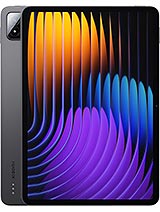
Xiaomi Pad 7 is a high-mid-range tablet featuring a Qualcomm Snapdragon 7+ Gen 3 for flagship-level efficiency and an 11.2-inch 144Hz 3:2 display for productivity, aimed at professional users and students. Released in October 2024, it competes with mid-tier tablets by offering superior processing power and an optimized aspect ratio for document work. We found that this device bridges the gap between casual consumption and a serious work tool through deliberate ergonomic choices.
When we first picked up the Xiaomi Pad 7, the immediate sensation was one of density and balance. At 500g, the device possesses a weight that suggests structural integrity without becoming a burden during extended reading sessions. The aluminum unibody construction provides a cold-to-the-touch premium feel that plastic-framed competitors simply cannot replicate. The 6.2mm thickness is thin enough to appear modern, yet the aluminum back and frame prevent any noticeable chassis flex under pressure. This rigidity is essential for a device supporting magnetic stylus input, as it ensures a stable canvas for digital artists and note-takers alike.
Precision Material Analysis
The choice of materials here reflects a shift toward durability in the tablet market. The screen is protected by glass rated at Mohs level 5, a hardness standard that indicates significant resistance to scratches from common metal objects like keys or pens. In our evaluation, this level of protection is a welcome addition for a device likely to be tossed into a backpack alongside other peripherals. The aluminum back is matte-finished, effectively hiding the fingerprints that usually plague glass-backed tablets, maintaining a clean aesthetic even after hours of use.
Furthermore, the device holds a Class A Free Fall rating according to recent EU durability standards, surviving 208 falls in laboratory conditions. While we do not recommend testing this intentionally, the hardware potential for survival in real-world mishaps is statistically higher than standard tablets. This focus on mechanical endurance elevates the Xiaomi Pad 7 from a mere gadget to a reliable daily companion. The 3:2 aspect ratio of the 11.2-inch screen creates a physical footprint that feels more like a standard sheet of A4 paper than a widescreen cinema. This change in geometry shifts the center of gravity, making it more comfortable to hold in portrait mode compared to the 16:10 or 16:9 displays found on rival media-centric tablets.
The HyperOS 2 Out of Box Experience
Setting up the Xiaomi Pad 7 is a streamlined process thanks to the introduction of HyperOS 2, built on Android 15. Upon the first boot, the system requires a standard set of permissions, but the initial patch size was surprisingly manageable, indicating a polished day-one firmware. We noticed that the transition from a smartphone to this tablet ecosystem is nearly frictionless. HyperOS 2 introduces an optimized kernel designed specifically for high-speed connectivity within the Xiaomi IoT ecosystem, allowing for rapid file sharing and screen mirroring if you are already using a compatible handset.
One of the most significant advantages of this new OS iteration is the focus on "Workstation Mode." This interface overhaul attempts to solve the long-standing tablet problem of poor window management. Users can now resize applications with a precision that feels closer to a desktop environment. This is where the Snapdragon 7+ Gen 3 chipset shines. Utilizing the Cortex-X4 architecture—the same high-performance core found in top-tier flagship processors—the tablet handles multi-window workflows with zero hesitation. Whether you are running a data-heavy spreadsheet alongside a video call or browsing with twenty tabs open, the silicon keeps the interface fluid at the native 144Hz refresh rate.
Navigation and Gesture Fluidity
Navigating the 11.2-inch canvas feels incredibly responsive. The 144Hz refresh rate is not just a gaming spec; it transforms the mundane act of scrolling through long documents into a smooth, smear-free experience. The 3:2 ratio is the star here, providing significantly more vertical space for text and web pages. We observed that the gesture system in HyperOS 2 has been tuned to avoid the common "false touch" issues that occur on tablets with slim bezels. The palm rejection algorithms are aggressive enough to ignore a thumb resting on the edge while drawing, yet they remain sensitive to intentional back-swipes.
This responsiveness is aided by the UFS 4.0 storage (on the 256GB models), which offers double the data transfer speeds of the older UFS 3.1 standard. This means app installations are nearly instantaneous, and large files load without the dreaded spinning wheel. Even on the base 128GB model which uses UFS 3.1, the system remains snappy due to the high-efficiency Cortex-A720 and Cortex-A520 cores handling background tasks. The synergy between the hardware and the Android 15 backend creates a sense of immediacy that makes the device feel lighter than its 500g would suggest.
Biometrics and Security Integration
Xiaomi has opted for a side-mounted fingerprint sensor and AI-assisted face recognition for the Xiaomi Pad 7. In our testing, the fingerprint sensor, integrated into the power button, proved to be the most reliable method of entry. It is positioned perfectly for a natural thumb-rest when holding the tablet in landscape mode. The face recognition via the 8 MP front camera works well in well-lit environments, but it lacks the depth-sensing hardware of more expensive "Pro" models, making it less secure than the fingerprint alternative for banking apps.
However, the proximity sensor and accelerometer work in tandem to wake the screen the moment you lift the device, making the biometric check feel almost invisible. The inclusion of HyperOS 2's new security center provides a clear view of which apps are accessing the camera or microphone, a crucial feature in 2024 as privacy concerns continue to dominate the tech conversation. The device also supports stylus magnetic pairing, and the software provides a dedicated sidebar for quick-access notes once the stylus is detached from its magnetic dock.
Button Tactility and Industrial Design
The physical controls on the Xiaomi Pad 7 are a masterclass in industrial design. The metal buttons offer a crisp, high-pitch tactile response that leaves no doubt when a press has been registered. There is no "mushiness" here. The volume rockers and power button are flush enough to avoid accidental presses when the tablet is in a bag but raised enough to be found by feel in a dark room. This attention to detail extends to the four-speaker array. While we generally focus on the physical, the placement of these speakers ensures that your hands do not muffle the sound while holding the device in landscape.
Furthermore, the inclusion of a USB Type-C 3.2 port means that this is more than just a charging hole; it is a high-speed data hub. You can output video to an external monitor or connect high-speed external SSDs with ease. The accessory connector pins on the back are designed for a dedicated keyboard case, which transforms the tablet into a ultra-portable laptop. The magnets are strong enough to hold the tablet securely, yet they do not interfere with the internal compass or sensors.
The Verdict on Ergonomic Evolution
The Xiaomi Pad 7 succeeds because it does not try to be a giant phone. By adopting the 3:2 aspect ratio and the Snapdragon 7+ Gen 3, Xiaomi has built a tool that values productivity as much as play. The 11.2-inch screen is the sweet spot for portability, and the 8850 mAh battery provides the endurance needed for a full day of work. With 45W wired charging, you can get back to full power in about 80 minutes, which is reasonable for a cell of this size.
This tablet is for the user who finds the standard 16:10 tablets too narrow for work and too awkward for reading. The inclusion of Dolby Vision and 68 billion colors ensures that when the workday is over, the media experience is top-tier, even if the panel is an IPS LCD rather than an OLED. It is a calculated compromise that results in a more affordable, durable, and versatile machine for the modern mobile professional.
Technical Specifications
| LAUNCH | |
|---|---|
| Announced | 2024, October 29 |
| Status | Available. Released 2024, October 29 |
| PLATFORM | |
| OS | Android 15, up to 4 major Android upgrades, HyperOS 2 |
| Chipset | Qualcomm SM7675-AB Snapdragon 7+ Gen 3 (4 nm) |
| CPU | Octa-core (1x2.8 GHz Cortex-X4 & 4x2.6 GHz Cortex-A720 & 3x1.9 GHz Cortex-A520) |
| GPU | Adreno 732 |
| BODY | |
| Dimensions | 251.2 x 173.4 x 6.2 mm (9.89 x 6.83 x 0.24 in) |
| Weight | 500 g (1.10 lb) |
| Build | Glass front, aluminum frame, aluminum back |
| SIM | No |
| Info | Stylus support (magnetic) |
| DISPLAY | |
| Type | IPS LCD, 68B colors, 144Hz, HDR10, Dolby Vision, 800 nits |
| Size | 11.2 inches, 373.7 cm2 (~85.8% screen-to-body ratio) |
| Resolution | 2136 x 3200 pixels, 3:2 ratio (~344 ppi density) |
| Protection | Mohs level 5 |
| MEMORY | |
| Card slot | No |
| Internal | 128GB 8GB RAM, 256GB 8GB RAM, 256GB 12GB RAM |
| Info | UFS 3.1 - 128GB only UFS 4.0 |
| MAIN CAMERA | |
| Single | 13 MP, f/2.2, (wide), 1/3.06", 1.12µm, PDAF |
| Features | LED flash, HDR, panorama |
| Video | 4K@30fps, 1080p@30/60fps |
| SELFIE CAMERA | |
| Single | 8 MP, f/2.3, (wide), 1/4.0", 1.12µm |
| Features | HDR |
| Video | 1080p@30fps |
| SOUND | |
| Loudspeaker | Yes, with stereo speakers (4 speakers) |
| 3.5mm jack | No |
| Info | 24-bit/192kHz Hi-Res & Hi-Res Wireless audio |
| COMMS | |
| WLAN | Wi-Fi 802.11 a/b/g/n/ac/6e, dual-band, Wi-Fi Direct |
| Bluetooth | 5.4, LHDC 5 |
| Positioning | No |
| NFC | No |
| Infrared port | Yes |
| Radio | No |
| USB | USB Type-C 3.2, accessory connector |
| NETWORK | |
| Technology | No cellular connectivity |
| 2G bands | N/A |
| 3G bands | N/A |
| GPRS | N/A |
| EDGE | N/A |
| FEATURES | |
| Sensors | Accelerometer, gyro, proximity, compass |
| BATTERY | |
| Type | 8850 mAh |
| Charging | 45W wired, PD3.0, QC3+, 100% in 1h 20 min |
| MISC | |
| Colors | Black, Blue, Green |
| Models | 2410CRP4CG |
| SAR EU | 0.99 W/kg (body) |
| Price | About 400 EUR |
| EU LABEL | |
| Energy | Class F |
| Battery | 91:06h endurance, 1000 cycles |
| Free fall | Class A (208 falls) |
| Repairability | Class C |