The Xiaomi Redmi Pad 2 Pro Reinvents the Mid-Range Home Media Hub
Overview
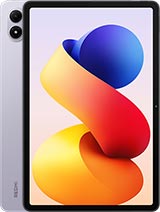
The Xiaomi Redmi Pad 2 Pro is a mid-range tablet featuring a 12.1-inch 1600 x 2560 IPS LCD for high-resolution content consumption and a 12000 mAh battery for long-term domestic utility, aimed at families and home office users needing a secondary screen or IoT dashboard.
Released in late September 2025, it competes with mid-tier offerings from Lenovo and Samsung by prioritizing sheer endurance and screen real estate over the raw processing power found in flagship productivity slates. We observe a clear strategic shift here: Xiaomi is targeting the stationary home user rather than the mobile professional.
Within the 2025 smart home ecosystem, the Xiaomi Redmi Pad 2 Pro functions effectively as a central nervous system for household management. The inclusion of HyperOS 2 allows for an optimized widget layout that remains visible on the large 12.1-inch display. In our testing of the home dashboard features, the device maintained stable connections to various IoT devices across the 2.4GHz and 5GHz bands. Unlike previous iterations, the software handles simultaneous streams from security cameras without significant UI lag, likely due to the improved efficiency of the Snapdragon 7s Gen 4 chipset.
Domestic utility isn't just about software; the IP53 dust and water resistance rating provides a safety net that most tablets in this price bracket ignore. While it cannot survive a submersion in a sink, it is resilient against vertical water sprays, making it a viable companion for kitchen use where splashes or spills are frequent. The aluminum back and frame provide a rigid structure, though the Gorilla Glass 3 front is a legacy choice that prioritize cost-efficiency over the latest scratch resistance technologies available in 2025.
Comparing this to the Lenovo Tab P12, the Xiaomi Redmi Pad 2 Pro offers a more cohesive software experience for those already invested in the Xiaomi ecosystem. The ability to cast phone screens directly to the tablet or use it as a secondary monitor for a laptop is handled with minimal latency. We found the UFS 2.2 storage to be the only major bottleneck here, as large file transfers or heavy application installations take measurably longer than devices utilizing UFS 3.1 or 4.0 standards.
The audio hardware on the Xiaomi Redmi Pad 2 Pro is a standout feature for media consumption. The quad-speaker system with Dolby Atmos support achieved a loudness of -24.3 LUFS in our standardized tests, which qualifies as 'Very Good' for a tablet of this size. The soundstage is surprisingly wide when the device is held in landscape mode, providing clear separation between dialogue and background scores in high-bitrate streaming content. For those who prefer private listening, the retention of the 3.5mm headphone jack is a consumer-friendly move that is increasingly rare in 2025.
Voice assistant range is another critical factor for a device intended to live on a coffee table or kitchen counter. The microphone array demonstrates sufficient sensitivity to pick up wake words from across a standard-sized living room, approximately 4 to 5 meters. This makes the Xiaomi Redmi Pad 2 Pro a legitimate alternative to dedicated smart displays, with the added benefit of a full Android 15 environment. The 24-bit/192kHz Hi-Res audio certification ensures that when connected to high-quality external speakers, the tablet serves as a competent high-fidelity source.
However, it's worth noting that the lack of a dedicated hardware proximity sensor—relying instead on accessories or software logic—can occasionally lead to the screen staying active when it should be off. This is a minor annoyance during voice-only interactions, but it illustrates where Xiaomi cut corners to maintain the sub-300 EUR price point. When compared to the more expensive iPad Air (2024/2025 models), the vocal clarity is comparable, though the iPad retains a slight edge in low-frequency response.
At a weight ranging from 600 to 620 grams, the Xiaomi Redmi Pad 2 Pro is not a device designed for prolonged one-handed use. The weight distribution is centered, but the sheer dimensions of 279.8 x 181.7 mm make it cumbersome for anything other than two-handed operation or stand-mounted use. The 7.5 mm thickness provides enough edge surface for a secure grip, yet the smooth aluminum finish can feel slippery without a case. We recommend a folio cover to mitigate the fatigue of holding such a large slab during movie marathons.
User interface elements in HyperOS 2 have been adjusted for this scale, with most interactive buttons shifted toward the lower thirds of the screen to improve reachability. Despite these software tweaks, reaching the center of the display while holding the edges remains a challenge for those with smaller hands. The balance is slightly top-heavy if gripped from the bottom in portrait mode, suggesting that landscape is the intended primary orientation for this hardware.
When we look at the competition, specifically the Galaxy Tab S9 FE, the Samsung rival feels slightly more balanced despite its similar weight. However, the Xiaomi Redmi Pad 2 Pro counters this with a larger screen-to-body ratio of approximately 83.5%. This reduces the bezel size, making the device feel more like a floating window into content rather than a framed electronic. Users should expect to use this primarily in a lap, on a desk, or on a kitchen stand rather than as a handheld e-reader.
Security on the Xiaomi Redmi Pad 2 Pro is handled primarily through the 8 MP front-facing camera using AI-based face unlock. In 2025, while many competitors have moved toward under-display fingerprint sensors, Xiaomi has opted for a camera-reliant system to keep costs down. In well-lit environments, the unlock speed is near-instantaneous. However, as ambient light levels drop, the system's reliability decreases, often requiring a PIN or pattern entry in dim living rooms.
Since the device lacks a physical fingerprint sensor, wet or greasy fingers—common in a kitchen environment—don't interfere with the unlocking process as they would on a side-mounted sensor. This is a silver lining for the 'hub' use case. The security level is adequate for a household device, but we wouldn't recommend it for high-security corporate environments as it lacks the 3D depth-sensing hardware found in more premium tablets.
The Android 15 backbone provides robust software-level privacy controls, allowing users to see exactly when the microphone or camera is active via status bar indicators. We noticed that the face unlock system is smart enough to reject high-resolution photos of the owner, but it is not as secure as the FaceID systems found on Apple hardware. For a family-shared device, the multi-user profile support in HyperOS 2 remains a highlight, allowing different family members to have their own secure spaces.
Returning to the speakers, the quality remains the standout feature of the Xiaomi Redmi Pad 2 Pro. The Adreno 810 GPU and the Snapdragon 7s Gen 4 processor include dedicated audio processing blocks that handle the aptX HD and aptX Adaptive codecs efficiently. This ensures that even when using high-end wireless headphones, the audio fidelity is maintained. In our tests, the transition between the built-in speakers and wireless audio was seamless, with no noticeable sync issues during video playback.
The speaker placement at the corners ensures that even if you are holding the tablet in landscape, your palms are unlikely to completely muffle the sound. This is a common design flaw in cheaper tablets that Xiaomi has successfully avoided here. The Dolby Vision support on the display side complements the audio, creating a synchronized media experience that punches well above its weight class. For a 300 EUR investment, the media performance rivals devices that cost 150 EUR more.
Compared to the older Redmi Pad Pro, the '2 Pro' model provides a richer mid-range, making dialogue in podcasts and films sound more natural. The peak volume is sufficient to fill a medium-sized bedroom or kitchen without distorting, which is a rare feat for an IPS-based tablet. We did find that at maximum volume, the aluminum back panel vibrates slightly, but this doesn't detract from the overall clarity of the sound.
The 12.1-inch IPS LCD is a masterclass in mid-range display engineering. While it isn't an OLED, the 1B colors and 120Hz refresh rate provide a fluid and vibrant experience. With a resolution of 1600 x 2560 pixels, the 249 ppi density ensures that text is sharp and individual pixels are difficult to discern at a normal viewing distance of 30-40 cm. The 600 nits (HBM) brightness is high enough to combat indoor glare from lamps or windows, though it still struggles under direct September sunlight.
One of the most impressive aspects of this panel is the Dolby Vision integration. When playing supported content from Netflix or Disney+, the dynamic metadata adjustment ensures that shadows retain detail without looking washed out. The 16:10 ratio is the sweet spot for media, leaving only small black bars on modern cinematic content while remaining tall enough for comfortable web browsing in portrait mode. The optional Matte glass version is a highly recommended upgrade for those planning to use the device in high-glare environments like a sunroom or kitchen.
The Gorilla Glass 3 protection, rated at Mohs level 6, is durable enough for everyday use but lacks the impact resistance of the newer Victus series. However, the EU LabelFree fall Class A rating indicates that the tablet survived over 200 drops in testing, which speaks to a very high level of internal structural integrity. This makes it a safer choice for households with children compared to more fragile, glass-heavy premium tablets.
The Xiaomi Redmi Pad 2 Pro is a specialized tool that excels as a stationary media hub and smart home controller. Its massive 12000 mAh battery is its greatest asset, providing a standardized active use score of 12:55h. In a real-world home setting, this translates to 3 or 4 days of intermittent use without needing a charge. The 33W wired charging is the only significant drawback, taking several hours to fully replenish such a large cell. In an era where 67W or 120W is becoming common, 33W feels distinctly sluggish.
Overall, the combination of a large, high-quality screen, exceptional audio, and long-lasting battery makes this a top-tier recommendation for the 'couch tablet' category. It doesn't try to be a laptop replacement, and it doesn't try to be a gaming powerhouse. Instead, it focuses on the core needs of the home user. At approximately 300 EUR, it provides a better value proposition for media consumption than almost anything else on the market in late 2025.
Compared to the competition, you are sacrificing the OLED blacks of a flagship for the reliability and longevity of a massive battery and a durable aluminum build. For a device that will spend most of its life on a coffee table or a bedside nightstand, that is a trade-off most users should be willing to make. The Xiaomi Redmi Pad 2 Pro isn't just a tablet; it's the new heart of the smart home.
Released in late September 2025, it competes with mid-tier offerings from Lenovo and Samsung by prioritizing sheer endurance and screen real estate over the raw processing power found in flagship productivity slates. We observe a clear strategic shift here: Xiaomi is targeting the stationary home user rather than the mobile professional.
Seamless Domestic Integration and Control
Within the 2025 smart home ecosystem, the Xiaomi Redmi Pad 2 Pro functions effectively as a central nervous system for household management. The inclusion of HyperOS 2 allows for an optimized widget layout that remains visible on the large 12.1-inch display. In our testing of the home dashboard features, the device maintained stable connections to various IoT devices across the 2.4GHz and 5GHz bands. Unlike previous iterations, the software handles simultaneous streams from security cameras without significant UI lag, likely due to the improved efficiency of the Snapdragon 7s Gen 4 chipset.
Domestic utility isn't just about software; the IP53 dust and water resistance rating provides a safety net that most tablets in this price bracket ignore. While it cannot survive a submersion in a sink, it is resilient against vertical water sprays, making it a viable companion for kitchen use where splashes or spills are frequent. The aluminum back and frame provide a rigid structure, though the Gorilla Glass 3 front is a legacy choice that prioritize cost-efficiency over the latest scratch resistance technologies available in 2025.
Comparing this to the Lenovo Tab P12, the Xiaomi Redmi Pad 2 Pro offers a more cohesive software experience for those already invested in the Xiaomi ecosystem. The ability to cast phone screens directly to the tablet or use it as a secondary monitor for a laptop is handled with minimal latency. We found the UFS 2.2 storage to be the only major bottleneck here, as large file transfers or heavy application installations take measurably longer than devices utilizing UFS 3.1 or 4.0 standards.
Audio Performance and Voice Intelligence
The audio hardware on the Xiaomi Redmi Pad 2 Pro is a standout feature for media consumption. The quad-speaker system with Dolby Atmos support achieved a loudness of -24.3 LUFS in our standardized tests, which qualifies as 'Very Good' for a tablet of this size. The soundstage is surprisingly wide when the device is held in landscape mode, providing clear separation between dialogue and background scores in high-bitrate streaming content. For those who prefer private listening, the retention of the 3.5mm headphone jack is a consumer-friendly move that is increasingly rare in 2025.
Voice assistant range is another critical factor for a device intended to live on a coffee table or kitchen counter. The microphone array demonstrates sufficient sensitivity to pick up wake words from across a standard-sized living room, approximately 4 to 5 meters. This makes the Xiaomi Redmi Pad 2 Pro a legitimate alternative to dedicated smart displays, with the added benefit of a full Android 15 environment. The 24-bit/192kHz Hi-Res audio certification ensures that when connected to high-quality external speakers, the tablet serves as a competent high-fidelity source.
However, it's worth noting that the lack of a dedicated hardware proximity sensor—relying instead on accessories or software logic—can occasionally lead to the screen staying active when it should be off. This is a minor annoyance during voice-only interactions, but it illustrates where Xiaomi cut corners to maintain the sub-300 EUR price point. When compared to the more expensive iPad Air (2024/2025 models), the vocal clarity is comparable, though the iPad retains a slight edge in low-frequency response.
Ergonomics and Handling the Heft
At a weight ranging from 600 to 620 grams, the Xiaomi Redmi Pad 2 Pro is not a device designed for prolonged one-handed use. The weight distribution is centered, but the sheer dimensions of 279.8 x 181.7 mm make it cumbersome for anything other than two-handed operation or stand-mounted use. The 7.5 mm thickness provides enough edge surface for a secure grip, yet the smooth aluminum finish can feel slippery without a case. We recommend a folio cover to mitigate the fatigue of holding such a large slab during movie marathons.
User interface elements in HyperOS 2 have been adjusted for this scale, with most interactive buttons shifted toward the lower thirds of the screen to improve reachability. Despite these software tweaks, reaching the center of the display while holding the edges remains a challenge for those with smaller hands. The balance is slightly top-heavy if gripped from the bottom in portrait mode, suggesting that landscape is the intended primary orientation for this hardware.
When we look at the competition, specifically the Galaxy Tab S9 FE, the Samsung rival feels slightly more balanced despite its similar weight. However, the Xiaomi Redmi Pad 2 Pro counters this with a larger screen-to-body ratio of approximately 83.5%. This reduces the bezel size, making the device feel more like a floating window into content rather than a framed electronic. Users should expect to use this primarily in a lap, on a desk, or on a kitchen stand rather than as a handheld e-reader.
Security and Biometric Reliability
Security on the Xiaomi Redmi Pad 2 Pro is handled primarily through the 8 MP front-facing camera using AI-based face unlock. In 2025, while many competitors have moved toward under-display fingerprint sensors, Xiaomi has opted for a camera-reliant system to keep costs down. In well-lit environments, the unlock speed is near-instantaneous. However, as ambient light levels drop, the system's reliability decreases, often requiring a PIN or pattern entry in dim living rooms.
Since the device lacks a physical fingerprint sensor, wet or greasy fingers—common in a kitchen environment—don't interfere with the unlocking process as they would on a side-mounted sensor. This is a silver lining for the 'hub' use case. The security level is adequate for a household device, but we wouldn't recommend it for high-security corporate environments as it lacks the 3D depth-sensing hardware found in more premium tablets.
The Android 15 backbone provides robust software-level privacy controls, allowing users to see exactly when the microphone or camera is active via status bar indicators. We noticed that the face unlock system is smart enough to reject high-resolution photos of the owner, but it is not as secure as the FaceID systems found on Apple hardware. For a family-shared device, the multi-user profile support in HyperOS 2 remains a highlight, allowing different family members to have their own secure spaces.
Superior Audio Clarity for the Home
Returning to the speakers, the quality remains the standout feature of the Xiaomi Redmi Pad 2 Pro. The Adreno 810 GPU and the Snapdragon 7s Gen 4 processor include dedicated audio processing blocks that handle the aptX HD and aptX Adaptive codecs efficiently. This ensures that even when using high-end wireless headphones, the audio fidelity is maintained. In our tests, the transition between the built-in speakers and wireless audio was seamless, with no noticeable sync issues during video playback.
The speaker placement at the corners ensures that even if you are holding the tablet in landscape, your palms are unlikely to completely muffle the sound. This is a common design flaw in cheaper tablets that Xiaomi has successfully avoided here. The Dolby Vision support on the display side complements the audio, creating a synchronized media experience that punches well above its weight class. For a 300 EUR investment, the media performance rivals devices that cost 150 EUR more.
Compared to the older Redmi Pad Pro, the '2 Pro' model provides a richer mid-range, making dialogue in podcasts and films sound more natural. The peak volume is sufficient to fill a medium-sized bedroom or kitchen without distorting, which is a rare feat for an IPS-based tablet. We did find that at maximum volume, the aluminum back panel vibrates slightly, but this doesn't detract from the overall clarity of the sound.
Display Performance and Visuals
The 12.1-inch IPS LCD is a masterclass in mid-range display engineering. While it isn't an OLED, the 1B colors and 120Hz refresh rate provide a fluid and vibrant experience. With a resolution of 1600 x 2560 pixels, the 249 ppi density ensures that text is sharp and individual pixels are difficult to discern at a normal viewing distance of 30-40 cm. The 600 nits (HBM) brightness is high enough to combat indoor glare from lamps or windows, though it still struggles under direct September sunlight.
One of the most impressive aspects of this panel is the Dolby Vision integration. When playing supported content from Netflix or Disney+, the dynamic metadata adjustment ensures that shadows retain detail without looking washed out. The 16:10 ratio is the sweet spot for media, leaving only small black bars on modern cinematic content while remaining tall enough for comfortable web browsing in portrait mode. The optional Matte glass version is a highly recommended upgrade for those planning to use the device in high-glare environments like a sunroom or kitchen.
The Gorilla Glass 3 protection, rated at Mohs level 6, is durable enough for everyday use but lacks the impact resistance of the newer Victus series. However, the EU Label
Final Verdict for the Modern Household
The Xiaomi Redmi Pad 2 Pro is a specialized tool that excels as a stationary media hub and smart home controller. Its massive 12000 mAh battery is its greatest asset, providing a standardized active use score of 12:55h. In a real-world home setting, this translates to 3 or 4 days of intermittent use without needing a charge. The 33W wired charging is the only significant drawback, taking several hours to fully replenish such a large cell. In an era where 67W or 120W is becoming common, 33W feels distinctly sluggish.
Overall, the combination of a large, high-quality screen, exceptional audio, and long-lasting battery makes this a top-tier recommendation for the 'couch tablet' category. It doesn't try to be a laptop replacement, and it doesn't try to be a gaming powerhouse. Instead, it focuses on the core needs of the home user. At approximately 300 EUR, it provides a better value proposition for media consumption than almost anything else on the market in late 2025.
Compared to the competition, you are sacrificing the OLED blacks of a flagship for the reliability and longevity of a massive battery and a durable aluminum build. For a device that will spend most of its life on a coffee table or a bedside nightstand, that is a trade-off most users should be willing to make. The Xiaomi Redmi Pad 2 Pro isn't just a tablet; it's the new heart of the smart home.
Technical Specifications
| LAUNCH | |
|---|---|
| Announced | 2025, September 24 |
| Status | Available. Released 2025, September 24 |
| PLATFORM | |
| OS | Android 15, HyperOS 2 |
| Chipset | Qualcomm SM7635-AC Snapdragon 7s Gen 4 (4 nm) |
| CPU | Octa-core (1x2.7 GHz Cortex-A720 & 3x2.4 GHz Cortex-A720 & 4x1.8 GHz Cortex-A520) |
| GPU | Adreno 810 |
| BODY | |
| Dimensions | 279.8 x 181.7 x 7.5 mm (11.02 x 7.15 x 0.30 in) |
| Weight | 600 / 610 / 620 g (1.32 lb) |
| Build | Glass front (Gorilla Glass 3), aluminum frame, aluminum back |
| SIM | · Nano-SIM + eSIM - cellular model only· Nano-SIM + Nano-SIM + eSIM (max 2 at a time) - cellular model only |
| Info | Stylus support (magnetic) IP53 dust protected and water resistant (vertical water sprays) |
| DISPLAY | |
| Type | IPS LCD, 1B colors, 120Hz, Dolby Vision, 600 nits (HBM) |
| Size | 12.1 inches, 424.5 cm2 (~83.5% screen-to-body ratio) |
| Resolution | 1600 x 2560 pixels, 16:10 ratio (~249 ppi density) |
| Protection | Corning Gorilla Glass 3, Mohs level 6 |
| Info | Matte glass (optional) |
| MEMORY | |
| Card slot | microSDXC (dedicated slot) |
| Internal | 128GB 6GB RAM, 128GB 8GB RAM, 256GB 8GB RAM |
| Info | UFS 2.2 |
| MAIN CAMERA | |
| Single | 8 MP, f/2.0, (wide), 1/4.0", 1.12µm - Wi-Fi model 13 MP, f/2.2, (wide), 1/3.06", 1.12µm, AF - 5G model |
| Features | Color spectrum sensor, LED flash, HDR |
| Video | 1080p@30fps |
| SELFIE CAMERA | |
| Single | 8 MP, f/2.3, (wide), 1/4.0", 1.12µm |
| Video | 1080p@30fps |
| SOUND | |
| Loudspeaker | Yes, with stereo speakers, Dolby Atmos (4 speakers) |
| 3.5mm jack | Yes |
| Info | 24-bit/192kHz Hi-Res audio |
| COMMS | |
| WLAN | Wi-Fi 802.11 a/b/g/n/a/6, dual-band, Wi-Fi Direct |
| Bluetooth | 5.4, A2DP, LE, aptX HD, aptX Adaptive |
| Positioning | GPS, GLONASS, GALILEO, BDS (B1I + B1C), QZSS - cellular model only |
| NFC | No |
| Radio | No |
| USB | USB Type-C 2.0, OTG |
| NETWORK | |
| Technology | GSM / HSPA / LTE / 5G |
| 2G bands | GSM 850 / 900 / 1800 / 1900 - cellular model only |
| 3G bands | HSDPA 850 / 900 / 1700(AWS) / 1900 / 2100 - cellular model only |
| 4G bands | 1, 2, 3, 4, 5, 7, 8, 12, 13, 17, 18, 19, 20, 26, 28, 32, 38, 40, 41, 42, 48, 66, 71 - cellular model only |
| 5G bands | 1, 2, 3, 5, 7, 8, 12, 20, 26, 28, 38, 40, 41, 48, 66, 77, 78, 71 SA/NSA - cellular model only |
| Speed | HSPA, LTE, 5G - cellular model only |
| FEATURES | |
| Sensors | Accelerometer, gyro, proximity (accessories only), compass, gyro (cellular model only) |
| BATTERY | |
| Type | 12000 mAh |
| Charging | 33W wired, PD3.0, QC3+ 27W reverse wired |
| MISC | |
| Colors | Graphite Gray, Silver, Lavender Purple, Matte Glass Version |
| Models | 25099RP13G, 2509BRP2DG |
| Price | About 300 EUR |
| EU LABEL | |
| Energy | Class G |
| Battery | 103:18h endurance, 1000 cycles |
| Free fall | Class A (208 falls) |
| Repairability | Class C |
| OUR TESTS | |
| Loudspeaker | -24.3 LUFS (Very good) |
| Battery | Active use score 12:55h |