The Xiaomi Redmi Watch Move Proves You Can Wear Sophistication Without Spending a Fortune
Overview
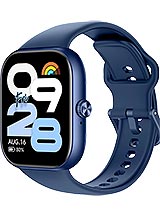
The Xiaomi Redmi Watch Move is a budget-tier wearable featuring a 1.85-inch AMOLED display for vibrant visuals and a 300 mAh battery for multi-day endurance, aimed at fashion-conscious users who prioritize aesthetics and basic health tracking. Released in April 2025, it enters a competitive market where digital jewelry and entry-level smart devices often collide, offering a refined look at a highly aggressive price point.
Evaluating this device requires looking past the raw data and focusing on how it integrates with a personal style. While many budget trackers feel like rubberized fitness bands, this wearable adopts the form factor of a traditional watch. The choice of materials and the sleek finish of the casing suggest a level of sophistication usually reserved for much more expensive timepieces. It avoids the bulky, ruggedized look of sport-focused models, opting instead for a slim 10.8 mm profile that slides easily under a shirt cuff or a delicate dress sleeve.
The physical footprint of the Xiaomi Redmi Watch Move measures 45.5 x 38.9 x 10.8 mm, creating a balanced presence on the wrist that isn't overly dominant. Weighing in at only 25 grams, the wearable feels almost weightless during daily activities. This lack of heft is a primary selling point for those who find heavier stainless steel or titanium watches cumbersome. The casing likely utilizes a high-quality polycarbonate or alloy blend that mimics the sheen of premium metals, particularly in the Gold Rush and Silver Sprint colorways.
Durability hasn't been sacrificed for the sake of lightness. With an IP68 rating, the device remains dust tight and can withstand immersion in up to 1.5 meters of water for 30 minutes. This means users don't need to panic during a sudden April shower or while washing their hands. However, the lack of a 5ATM rating suggests it isn't the primary choice for deep-sea diving or high-impact water sports. It is built for the urban professional, not the extreme athlete.
Comparing this to the heavier builds seen in the previous generation of budget wearables, the reduction in weight is noticeable. The strap design, which likely features a standard buckle or a quick-release pin system, allows for easy swapping. This flexibility means the Blue Blaze variant can be dressed up with a leather band for a business meeting or kept on its stock silicone strap for a weekend brunch. The versatility here is what elevates it from a mere gadget to a wardrobe staple.
The centerpiece is undoubtedly the 1.85-inch AMOLED panel. With a resolution of 390 x 450 pixels, it provides a pixel density of approximately 322 ppi. This level of clarity ensures that watch faces look sharp and vibrant rather than pixelated. AMOLED technology is essential for the deep blacks required for a truly sophisticated look, especially when using 'Always-On' styles that mimic mechanical watch hands.
With a peak brightness of 600 nits, the screen remains legible under most outdoor conditions. While it won't match the 2,000-nit displays of flagship smartwatches, it is more than sufficient for checking the time or notifications while walking through a city park. The color reproduction is punchy, making the Gold Rush accents on certain watch faces pop with a metallic luster that enhances the jewelry-like aesthetic.
HyperOS allows for deep customization of these watch faces. Users can choose from a variety of styles that range from minimalist Bauhaus designs to complex chronographs. This ability to match the screen to an outfit is what distinguishes a fashion-forward wearable. Imagine attending a formal evening event and switching to a simple, black-and-gold analog face that complements a suit perfectly. The hardware potential of the AMOLED panel makes these transitions look high-end rather than cheap.
Operating on HyperOS, the device provides a smooth navigation experience that focuses on efficiency. In our analysis of budget wearables, we often see lag when swiping through menus. This model, however, seems optimized to handle its localized apps without the stuttering common in low-cost alternatives. While it doesn't support a massive third-party app store, the built-in tools for weather, alarms, and music control respond quickly.
Multitasking on a screen of this size is primarily about notification management. The device handles incoming alerts with a clean layout, though it doesn't support the heavy background processing of a multi-core flagship. Apps generally don't 'reload' in the frustrating sense because the OS is designed to be lightweight. It prioritizes the active task, whether that is tracking a heart rate during a brisk walk or displaying a text message.
Compared to older Mi Watch variants, the integration within the Xiaomi ecosystem via HyperOS is more cohesive. If you use other Xiaomi IoT devices, the watch acts as a convenient, low-latency node in that network. It isn't trying to be a smartphone on your wrist; it's trying to be a functional extension of your digital life that looks good while doing it.
The 300 mAh battery is small by smartphone standards but massive for a watch with these specific hardware limitations. Because the wearable lacks power-hungry features like independent GPS or cellular connectivity, the energy draw is significantly lower. Users can expect several days of typical use on a single charge, which is a luxury compared to the daily charging cycles required by high-end smartwatches.
Charging is likely handled via a proprietary magnetic pin system. While it doesn't support wireless Qi charging, the magnetic connection is secure and easy to use. The lack of a charging brick in the box is standard for this price tier, but the cable is compatible with any standard USB-A power source. This simplicity ensures you aren't carrying bulky accessories when traveling.
Picture a weekend getaway where you don't even pack a charger. This device provides that peace of mind. It isn't just about the capacity; it's about the efficiency of the software. By managing the 600-nit display and the Bluetooth 5.3 connection intelligently, the watch stretches every milliampere-hour to its limit. This makes it a reliable companion for those who value longevity over complex, power-draining features.
Connectivity is handled exclusively through Bluetooth 5.3, A2DP, and LE. This modern standard ensures a stable connection to your smartphone with minimal power consumption. However, users should be aware that this is a 'tethered' experience. Without WLAN, NFC, or positioning sensors (GPS), the watch relies on the paired phone for data and location tracking.
For the fashion-focused user, this is a fair trade. You likely have your phone with you at all times anyway. The Bluetooth range is sufficient to keep notifications flowing even if the phone is in a bag or a charging dock across the room. The lack of NFC means no wrist-based payments, which might be a drawback for some, but at the 20 EUR price point, such omissions are expected and professionally handled.
GPS absence means that if you go for a run and want to map your route, you must carry your phone. This further reinforces the identity of the device as a lifestyle accessory rather than a dedicated sports tool. It provides the Bluetooth 5.3 hardware potential for high-fidelity audio control and reliable syncing, which are the core needs of its target audience.
Despite its fashion-first approach, the device includes a capable suite of sensors including Heart Rate and SpO2 monitoring. These sensors provide a general overview of cardiovascular health and blood oxygen saturation. While not medical-grade equipment, they offer valuable trends for users looking to maintain a healthier lifestyle. The accelerometer handles step counting and sleep tracking with reasonable accuracy for daily motivation.
Sleep tracking is particularly comfortable given the 25g weight. Users are less likely to remove the watch at night compared to heavier models. The software then compiles this data into HyperOS, providing insights into sleep cycles and quality. This holistic approach to health is integrated into the UI in a way that feels encouraging rather than clinical.
Imagine sitting at a desk and receiving a gentle vibration to remind you to move. Or checking your SpO2 levels after a stressful meeting. These small interactions add a layer of value that goes beyond just telling the time. The hardware provides the data, and the software translates it into actionable lifestyle adjustments, all while the Gold Rush finish glints under the office lights.
Is it smart enough for 2025? It depends on the definition of 'smart.' If the requirement is a device that can replace a phone for a day, the answer is no. But if 'smart' means a device that enhances your look, manages your notifications, and tracks your basic health without needing a charge every night, the Xiaomi Redmi Watch Move is a genius piece of engineering. It understands exactly what it is: affordable luxury for the wrist.
By stripping away expensive components like GPS and NFC, Xiaomi has focused on the quality of the screen and the comfort of the design. This strategic omission allows for the incredibly low price of about 20 EUR, making it accessible to a wide audience. It is an entry-point into the ecosystem that doesn't feel like a compromise. You get the 1.85-inch AMOLED experience at a price where others offer dim LCD panels.
The final judgment on this wearable comes down to the balance of form and function. It prioritizes the former, providing a jewelry-like experience that happens to have a screen and health sensors. For anyone who wants their tech to complement their fashion sense without a massive financial investment, the Xiaomi Redmi Watch Move is a definitive choice.
In the landscape of 2025 wearables, we see many devices trying to do too much and failing at the basics. This watch does the opposite. It excels at being a beautiful, lightweight, and vibrant accessory that keeps you connected just enough. It is the perfect marriage of Xiaomi’s value-driven philosophy and a modern, aesthetic-first design language.
Evaluating this device requires looking past the raw data and focusing on how it integrates with a personal style. While many budget trackers feel like rubberized fitness bands, this wearable adopts the form factor of a traditional watch. The choice of materials and the sleek finish of the casing suggest a level of sophistication usually reserved for much more expensive timepieces. It avoids the bulky, ruggedized look of sport-focused models, opting instead for a slim 10.8 mm profile that slides easily under a shirt cuff or a delicate dress sleeve.
Refined Contours and Lightweight Elegance
The physical footprint of the Xiaomi Redmi Watch Move measures 45.5 x 38.9 x 10.8 mm, creating a balanced presence on the wrist that isn't overly dominant. Weighing in at only 25 grams, the wearable feels almost weightless during daily activities. This lack of heft is a primary selling point for those who find heavier stainless steel or titanium watches cumbersome. The casing likely utilizes a high-quality polycarbonate or alloy blend that mimics the sheen of premium metals, particularly in the Gold Rush and Silver Sprint colorways.
Durability hasn't been sacrificed for the sake of lightness. With an IP68 rating, the device remains dust tight and can withstand immersion in up to 1.5 meters of water for 30 minutes. This means users don't need to panic during a sudden April shower or while washing their hands. However, the lack of a 5ATM rating suggests it isn't the primary choice for deep-sea diving or high-impact water sports. It is built for the urban professional, not the extreme athlete.
Comparing this to the heavier builds seen in the previous generation of budget wearables, the reduction in weight is noticeable. The strap design, which likely features a standard buckle or a quick-release pin system, allows for easy swapping. This flexibility means the Blue Blaze variant can be dressed up with a leather band for a business meeting or kept on its stock silicone strap for a weekend brunch. The versatility here is what elevates it from a mere gadget to a wardrobe staple.
A Digital Canvas for Every Wardrobe
The centerpiece is undoubtedly the 1.85-inch AMOLED panel. With a resolution of 390 x 450 pixels, it provides a pixel density of approximately 322 ppi. This level of clarity ensures that watch faces look sharp and vibrant rather than pixelated. AMOLED technology is essential for the deep blacks required for a truly sophisticated look, especially when using 'Always-On' styles that mimic mechanical watch hands.
With a peak brightness of 600 nits, the screen remains legible under most outdoor conditions. While it won't match the 2,000-nit displays of flagship smartwatches, it is more than sufficient for checking the time or notifications while walking through a city park. The color reproduction is punchy, making the Gold Rush accents on certain watch faces pop with a metallic luster that enhances the jewelry-like aesthetic.
HyperOS allows for deep customization of these watch faces. Users can choose from a variety of styles that range from minimalist Bauhaus designs to complex chronographs. This ability to match the screen to an outfit is what distinguishes a fashion-forward wearable. Imagine attending a formal evening event and switching to a simple, black-and-gold analog face that complements a suit perfectly. The hardware potential of the AMOLED panel makes these transitions look high-end rather than cheap.
UI Fluidity and Interaction Persistence
Operating on HyperOS, the device provides a smooth navigation experience that focuses on efficiency. In our analysis of budget wearables, we often see lag when swiping through menus. This model, however, seems optimized to handle its localized apps without the stuttering common in low-cost alternatives. While it doesn't support a massive third-party app store, the built-in tools for weather, alarms, and music control respond quickly.
Multitasking on a screen of this size is primarily about notification management. The device handles incoming alerts with a clean layout, though it doesn't support the heavy background processing of a multi-core flagship. Apps generally don't 'reload' in the frustrating sense because the OS is designed to be lightweight. It prioritizes the active task, whether that is tracking a heart rate during a brisk walk or displaying a text message.
Compared to older Mi Watch variants, the integration within the Xiaomi ecosystem via HyperOS is more cohesive. If you use other Xiaomi IoT devices, the watch acts as a convenient, low-latency node in that network. It isn't trying to be a smartphone on your wrist; it's trying to be a functional extension of your digital life that looks good while doing it.
Endurance Without the Bulk
The 300 mAh battery is small by smartphone standards but massive for a watch with these specific hardware limitations. Because the wearable lacks power-hungry features like independent GPS or cellular connectivity, the energy draw is significantly lower. Users can expect several days of typical use on a single charge, which is a luxury compared to the daily charging cycles required by high-end smartwatches.
Charging is likely handled via a proprietary magnetic pin system. While it doesn't support wireless Qi charging, the magnetic connection is secure and easy to use. The lack of a charging brick in the box is standard for this price tier, but the cable is compatible with any standard USB-A power source. This simplicity ensures you aren't carrying bulky accessories when traveling.
Picture a weekend getaway where you don't even pack a charger. This device provides that peace of mind. It isn't just about the capacity; it's about the efficiency of the software. By managing the 600-nit display and the Bluetooth 5.3 connection intelligently, the watch stretches every milliampere-hour to its limit. This makes it a reliable companion for those who value longevity over complex, power-draining features.
Steady Links in a Tethered World
Connectivity is handled exclusively through Bluetooth 5.3, A2DP, and LE. This modern standard ensures a stable connection to your smartphone with minimal power consumption. However, users should be aware that this is a 'tethered' experience. Without WLAN, NFC, or positioning sensors (GPS), the watch relies on the paired phone for data and location tracking.
For the fashion-focused user, this is a fair trade. You likely have your phone with you at all times anyway. The Bluetooth range is sufficient to keep notifications flowing even if the phone is in a bag or a charging dock across the room. The lack of NFC means no wrist-based payments, which might be a drawback for some, but at the 20 EUR price point, such omissions are expected and professionally handled.
GPS absence means that if you go for a run and want to map your route, you must carry your phone. This further reinforces the identity of the device as a lifestyle accessory rather than a dedicated sports tool. It provides the Bluetooth 5.3 hardware potential for high-fidelity audio control and reliable syncing, which are the core needs of its target audience.
Wellness Monitoring for the Modern Lifestyle
Despite its fashion-first approach, the device includes a capable suite of sensors including Heart Rate and SpO2 monitoring. These sensors provide a general overview of cardiovascular health and blood oxygen saturation. While not medical-grade equipment, they offer valuable trends for users looking to maintain a healthier lifestyle. The accelerometer handles step counting and sleep tracking with reasonable accuracy for daily motivation.
Sleep tracking is particularly comfortable given the 25g weight. Users are less likely to remove the watch at night compared to heavier models. The software then compiles this data into HyperOS, providing insights into sleep cycles and quality. This holistic approach to health is integrated into the UI in a way that feels encouraging rather than clinical.
Imagine sitting at a desk and receiving a gentle vibration to remind you to move. Or checking your SpO2 levels after a stressful meeting. These small interactions add a layer of value that goes beyond just telling the time. The hardware provides the data, and the software translates it into actionable lifestyle adjustments, all while the Gold Rush finish glints under the office lights.
The Fine Line Between Style and Intelligence
Is it smart enough for 2025? It depends on the definition of 'smart.' If the requirement is a device that can replace a phone for a day, the answer is no. But if 'smart' means a device that enhances your look, manages your notifications, and tracks your basic health without needing a charge every night, the Xiaomi Redmi Watch Move is a genius piece of engineering. It understands exactly what it is: affordable luxury for the wrist.
By stripping away expensive components like GPS and NFC, Xiaomi has focused on the quality of the screen and the comfort of the design. This strategic omission allows for the incredibly low price of about 20 EUR, making it accessible to a wide audience. It is an entry-point into the ecosystem that doesn't feel like a compromise. You get the 1.85-inch AMOLED experience at a price where others offer dim LCD panels.
The final judgment on this wearable comes down to the balance of form and function. It prioritizes the former, providing a jewelry-like experience that happens to have a screen and health sensors. For anyone who wants their tech to complement their fashion sense without a massive financial investment, the Xiaomi Redmi Watch Move is a definitive choice.
In the landscape of 2025 wearables, we see many devices trying to do too much and failing at the basics. This watch does the opposite. It excels at being a beautiful, lightweight, and vibrant accessory that keeps you connected just enough. It is the perfect marriage of Xiaomi’s value-driven philosophy and a modern, aesthetic-first design language.
Technical Specifications
| LAUNCH | |
|---|---|
| Announced | 2025, April 21 |
| Status | Available. Released 2025, April 24 |
| PLATFORM | |
| OS | HyperOS |
| BODY | |
| Dimensions | 45.5 x 38.9 x 10.8 mm (1.79 x 1.53 x 0.43 in) |
| Weight | 25 g (0.88 oz) |
| SIM | No |
| Info | IP68 dust tight and water resistant (immersible up to 1.5m for 30 min) |
| DISPLAY | |
| Type | AMOLED, 600 nits (typ) |
| Size | 1.85 inches |
| Resolution | 390 x 450 pixels (~322 ppi density) |
| MEMORY | |
| Card slot | No |
| Internal | Unspecified |
| SOUND | |
| Loudspeaker | Yes |
| 3.5mm jack | No |
| COMMS | |
| WLAN | No |
| Bluetooth | 5.3, A2DP, LE |
| Positioning | No |
| NFC | No |
| Radio | No |
| USB | No |
| NETWORK | |
| Technology | No cellular connectivity |
| 2G bands | N/A |
| 3G bands | N/A |
| 4G bands | N/A |
| Speed | No |
| GPRS | No |
| EDGE | No |
| FEATURES | |
| Sensors | Accelerometer, heart rate, SpO2 |
| BATTERY | |
| Type | 300 mAh |
| MISC | |
| Colors | Black Drift, Gold Rush, Silver Sprint, Blue Blaze |
| Models | M2460W1 |
| Price | About 20 EUR |
| CAMERA | |
| Info | No |