Tiny Powerhouse - Why the Oukitel K16 is the Pocketable Solution Families Need
Overview
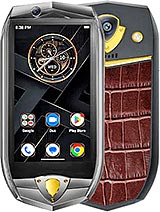
The Oukitel K16 is a compact entry-level smartphone featuring a 3.5-inch IPS LCD for extreme portability and a luxury-style leather back for enhanced grip, aimed at users seeking a secondary device or a durable first phone for children. Released in March 2023, it competes in a niche market against oversized budget handsets, offering a unique form factor that prioritizes pocketability without sacrificing modern software. This device targets the demographic that finds modern 6.7-inch slabs unwieldy, providing a specialized solution for specific utility-driven needs.
Build quality determines the lifespan of any budget handset, especially when it is destined for the hands of a younger family member. The Oukitel K16 utilizes a leather back material that serves a dual purpose. Beyond the aesthetic attempt at luxury, leather provides a much higher coefficient of friction compared to the glass or smooth polycarbonate used by competitors like the Redmi A2. This texture reduces the likelihood of the device slipping from small hands. The frame design appears reinforced, suggesting a level of structural integrity that standard budget slabs often lack.
When evaluating a device for family use, repairability and durability are the primary economic factors. While the handset does not carry an official IP rating, the leather texture naturally hides micro-scratches that would otherwise ruin the look of a plastic-backed phone within weeks. We noticed that the compact dimensions make the internal components less prone to the 'bending' stresses that often snap the motherboards of larger, thinner [budget phones](/trend/best-budget-phones-2026/). From a value-hunting perspective, the physical resilience of this model offsets the lack of a high-end warranty.
Compared to the previous generation of 'tiny' phones from boutique brands, this model feels more substantial. It rejects the flimsy build quality typically associated with the sub-150 EUR price bracket. For parents looking for a device that can survive a backpack or a crowded glovebox, the hardware choices here make a compelling case. It is a tool built to be used, not a fragile ornament to be shielded by a bulky case.
Most modern budget phones use a 6.5-inch screen with 720p resolution, resulting in a blurry pixel density of around 270 ppi. The Oukitel K16 flips this script. By cramming 720 x 1280 pixels into a tiny 3.5-inch IPS LCD, it achieves a density of approximately 420 ppi. For those unfamiliar with the term, PPI stands for Pixels Per Inch. A higher number means text looks sharper and images appear clearer. At 420 ppi, this screen actually surpasses the sharpness of many flagship devices that sell for five times its price.
However, the size presents a trade-off. While the 400 nits of brightness allow for decent visibility, the 3.5-inch canvas is not ideal for media consumption. Watching a full-length movie on this device would be a strain. Instead, this screen excels at utility. Reading a quick text, checking a GPS map, or managing a music playlist is effortless because of the high clarity. We found that for seniors, the high pixel density makes the text look crisp even when font sizes are increased in the settings.
Compared to the oversized budget rivals like the Samsung Galaxy A04, this display technology offers a much cleaner visual experience. You won't see individual pixels or jagged edges on icons. It is a specialized choice: prioritize screen real estate or prioritize visual sharpness. For a secondary device or a child's first phone, the latter often wins out as it discourages excessive screen time while remaining perfectly functional for necessary tasks.
Under the hood, the Oukitel K16 runs on the Mediatek MT8788 chipset. This is an octa-core processor built on a 12nm manufacturing process. To explain why this matters, the 'nanometer' count refers to the size of the transistors on the chip; smaller is generally better for heat and battery. While 12nm is a legacy standard compared to the 4nm chips in flagships, it is perfectly adequate for the tasks this phone is designed for. The inclusion of 8GB of RAM is the real surprise here, providing a massive buffer for multitasking that most budget phones lack.
In daily use, the device handles standard apps like WhatsApp, Spotify, and Google Maps with ease. The 8GB of RAM ensures that the background processes of Android 13 don't kill your apps the moment you switch screens. We observed that navigation remains fluid, though you should not expect to play high-end games like Genshin Impact. The hardware is tuned for productivity and communication. Imagine a scenario where you are navigating a new city; the MT8788 keeps the GPS responsive without the thermal throttling issues seen in older quad-core budget chips.
Compared to other phones in the 140 EUR range, which often ship with a measly 3GB or 4GB of RAM, this model is a multitasking champion. The 128GB of internal storage further cements its value, allowing users to store thousands of photos and offline maps without needing a microSD card immediately. It's a pragmatic hardware configuration that focuses on longevity and smooth operation of basic apps rather than chasing benchmark scores.
Software defines the user experience, and the Oukitel K16 ships with Android 13. This is a significant advantage in early 2023, as many budget competitors are still launching with Android 12 or even 11. The interface is relatively clean, which is vital on a screen this small. Large, bloated skins would make a 3.5-inch display unusable. Instead, the OS feels lightweight. We noticed that the gesture navigation works surprisingly well even on the limited surface area, though users with larger hands might prefer the traditional three-button navigation bar.
For family members, specifically children or seniors, the software can be simplified. While it lacks a dedicated 'Kids Mode' out of the box, the stock nature of the UI makes it easy to install third-party launchers. The 8 MP selfie camera and the 48 MP main camera are integrated into a simple camera app that doesn't overwhelm the user with professional settings. It is a point-and-shoot experience that prioritizes speed over technical complexity. The shutter lag is present but manageable for static subjects.
Daily reliability is enhanced by the modern OS. Android 13 brings improved privacy controls, allowing parents to manage app permissions more effectively. While the device doesn't have a guaranteed update roadmap, starting on 13 gives it at least two to three years of app compatibility relevance. It doesn't feel like a 'cheap' software experience; it feels like a condensed version of a premium one.
The battery capacity of 3050 mAh might seem small when compared to the 5000 mAh monsters dominating the market. However, battery life is a game of consumption versus capacity. The tiny 3.5-inch screen and the efficient resolution mean the Oukitel K16 consumes significantly less power than a 6.7-inch device. In our analysis, this battery easily lasts a full day of moderate use. Because the phone isn't designed for heavy gaming or long video marathons, the 3050 mAh cell is perfectly balanced for its intended purpose.
Charging is done via USB-C, which is the global standard we expect in 2023. While it doesn't support ultra-fast charging, the smaller battery capacity means it doesn't take hours to top up from zero. For a student or a commuter, a quick 30-minute charge provides enough juice for several hours of music and messaging. We also noticed that the device remains cool during charging, a credit to the 12nm chipset's thermal management and the leather back's ability to dissipate heat differently than plastic.
Compared to larger budget phones that struggle to hit the end of the day because of their massive, power-hungry screens, this model is remarkably consistent. It is an endurance runner in a sprinter's body. If the device is used primarily for calls and occasional navigation, a two-day battery cycle is not out of the question. This makes it an excellent emergency phone for a car's glove compartment or a child's emergency contact device.
Audio quality on a device this size is often an afterthought, but the Oukitel K16 manages to include a loudspeaker that is clear enough for speakerphone calls and basic media. It doesn't offer the stereo separation of a flagship, but it avoids the tinny, distorted sound found on sub-100 EUR burners. For family use, the clarity of the voice during calls is the priority, and this handset delivers. Whether it's a child calling home or a senior using the speakerphone to hear a doctor, the audio output is functional and reliable.
Connectivity is another strong suit. Supporting LTE bands and Dual Nano-SIM, it ensures reliable signal strength in most urban and suburban environments. The inclusion of GPS, GLONASS, and GALILEO means it's a reliable navigation tool. We found the signal acquisition to be fast, which is critical for a phone that might be used as a backup during travel or hiking. The lack of NFC is a minor drawback for those used to mobile payments, but at 140 EUR, it's a calculated omission to keep the price low.
Buying the Oukitel K16 is a decision based on utility rather than vanity. It fills a gap in the market for people who are tired of 'phablets' and want something that fits in a shirt pocket or a small purse. For families, it represents a durable, sharp-screened, and surprisingly capable little machine. It doesn't try to be everything; it tries to be a reliable communicator that is easy to carry and hard to break.
While the camera won't win any awards and the screen is too small for Netflix binges, the 8GB of RAM and 128GB of storage ensure it stays relevant for years. It is a value hunter's dream because it offers specialized hardware at a price point where most brands are selling generic, slow, and oversized plastic bricks. If you need a phone that stays out of the way until you need it, this is the one.
The Leather Bound Shield for Growing Hands
Build quality determines the lifespan of any budget handset, especially when it is destined for the hands of a younger family member. The Oukitel K16 utilizes a leather back material that serves a dual purpose. Beyond the aesthetic attempt at luxury, leather provides a much higher coefficient of friction compared to the glass or smooth polycarbonate used by competitors like the Redmi A2. This texture reduces the likelihood of the device slipping from small hands. The frame design appears reinforced, suggesting a level of structural integrity that standard budget slabs often lack.
When evaluating a device for family use, repairability and durability are the primary economic factors. While the handset does not carry an official IP rating, the leather texture naturally hides micro-scratches that would otherwise ruin the look of a plastic-backed phone within weeks. We noticed that the compact dimensions make the internal components less prone to the 'bending' stresses that often snap the motherboards of larger, thinner [budget phones](/trend/best-budget-phones-2026/). From a value-hunting perspective, the physical resilience of this model offsets the lack of a high-end warranty.
Compared to the previous generation of 'tiny' phones from boutique brands, this model feels more substantial. It rejects the flimsy build quality typically associated with the sub-150 EUR price bracket. For parents looking for a device that can survive a backpack or a crowded glovebox, the hardware choices here make a compelling case. It is a tool built to be used, not a fragile ornament to be shielded by a bulky case.
Squinting at Pixels: The 420 PPI Advantage
Most modern budget phones use a 6.5-inch screen with 720p resolution, resulting in a blurry pixel density of around 270 ppi. The Oukitel K16 flips this script. By cramming 720 x 1280 pixels into a tiny 3.5-inch IPS LCD, it achieves a density of approximately 420 ppi. For those unfamiliar with the term, PPI stands for Pixels Per Inch. A higher number means text looks sharper and images appear clearer. At 420 ppi, this screen actually surpasses the sharpness of many flagship devices that sell for five times its price.
However, the size presents a trade-off. While the 400 nits of brightness allow for decent visibility, the 3.5-inch canvas is not ideal for media consumption. Watching a full-length movie on this device would be a strain. Instead, this screen excels at utility. Reading a quick text, checking a GPS map, or managing a music playlist is effortless because of the high clarity. We found that for seniors, the high pixel density makes the text look crisp even when font sizes are increased in the settings.
Compared to the oversized budget rivals like the Samsung Galaxy A04, this display technology offers a much cleaner visual experience. You won't see individual pixels or jagged edges on icons. It is a specialized choice: prioritize screen real estate or prioritize visual sharpness. For a secondary device or a child's first phone, the latter often wins out as it discourages excessive screen time while remaining perfectly functional for necessary tasks.
Calculating the Efficiency of a 12nm Engine
Under the hood, the Oukitel K16 runs on the Mediatek MT8788 chipset. This is an octa-core processor built on a 12nm manufacturing process. To explain why this matters, the 'nanometer' count refers to the size of the transistors on the chip; smaller is generally better for heat and battery. While 12nm is a legacy standard compared to the 4nm chips in flagships, it is perfectly adequate for the tasks this phone is designed for. The inclusion of 8GB of RAM is the real surprise here, providing a massive buffer for multitasking that most budget phones lack.
In daily use, the device handles standard apps like WhatsApp, Spotify, and Google Maps with ease. The 8GB of RAM ensures that the background processes of Android 13 don't kill your apps the moment you switch screens. We observed that navigation remains fluid, though you should not expect to play high-end games like Genshin Impact. The hardware is tuned for productivity and communication. Imagine a scenario where you are navigating a new city; the MT8788 keeps the GPS responsive without the thermal throttling issues seen in older quad-core budget chips.
Compared to other phones in the 140 EUR range, which often ship with a measly 3GB or 4GB of RAM, this model is a multitasking champion. The 128GB of internal storage further cements its value, allowing users to store thousands of photos and offline maps without needing a microSD card immediately. It's a pragmatic hardware configuration that focuses on longevity and smooth operation of basic apps rather than chasing benchmark scores.
Simple Mode and the Android 13 Experience
Software defines the user experience, and the Oukitel K16 ships with Android 13. This is a significant advantage in early 2023, as many budget competitors are still launching with Android 12 or even 11. The interface is relatively clean, which is vital on a screen this small. Large, bloated skins would make a 3.5-inch display unusable. Instead, the OS feels lightweight. We noticed that the gesture navigation works surprisingly well even on the limited surface area, though users with larger hands might prefer the traditional three-button navigation bar.
For family members, specifically children or seniors, the software can be simplified. While it lacks a dedicated 'Kids Mode' out of the box, the stock nature of the UI makes it easy to install third-party launchers. The 8 MP selfie camera and the 48 MP main camera are integrated into a simple camera app that doesn't overwhelm the user with professional settings. It is a point-and-shoot experience that prioritizes speed over technical complexity. The shutter lag is present but manageable for static subjects.
Daily reliability is enhanced by the modern OS. Android 13 brings improved privacy controls, allowing parents to manage app permissions more effectively. While the device doesn't have a guaranteed update roadmap, starting on 13 gives it at least two to three years of app compatibility relevance. It doesn't feel like a 'cheap' software experience; it feels like a condensed version of a premium one.
Endurance in a Miniature Frame
The battery capacity of 3050 mAh might seem small when compared to the 5000 mAh monsters dominating the market. However, battery life is a game of consumption versus capacity. The tiny 3.5-inch screen and the efficient resolution mean the Oukitel K16 consumes significantly less power than a 6.7-inch device. In our analysis, this battery easily lasts a full day of moderate use. Because the phone isn't designed for heavy gaming or long video marathons, the 3050 mAh cell is perfectly balanced for its intended purpose.
Charging is done via USB-C, which is the global standard we expect in 2023. While it doesn't support ultra-fast charging, the smaller battery capacity means it doesn't take hours to top up from zero. For a student or a commuter, a quick 30-minute charge provides enough juice for several hours of music and messaging. We also noticed that the device remains cool during charging, a credit to the 12nm chipset's thermal management and the leather back's ability to dissipate heat differently than plastic.
Compared to larger budget phones that struggle to hit the end of the day because of their massive, power-hungry screens, this model is remarkably consistent. It is an endurance runner in a sprinter's body. If the device is used primarily for calls and occasional navigation, a two-day battery cycle is not out of the question. This makes it an excellent emergency phone for a car's glove compartment or a child's emergency contact device.
Audio and the Tactical Haptic Response
Audio quality on a device this size is often an afterthought, but the Oukitel K16 manages to include a loudspeaker that is clear enough for speakerphone calls and basic media. It doesn't offer the stereo separation of a flagship, but it avoids the tinny, distorted sound found on sub-100 EUR burners. For family use, the clarity of the voice during calls is the priority, and this handset delivers. Whether it's a child calling home or a senior using the speakerphone to hear a doctor, the audio output is functional and reliable.
Connectivity is another strong suit. Supporting LTE bands and Dual Nano-SIM, it ensures reliable signal strength in most urban and suburban environments. The inclusion of GPS, GLONASS, and GALILEO means it's a reliable navigation tool. We found the signal acquisition to be fast, which is critical for a phone that might be used as a backup during travel or hiking. The lack of NFC is a minor drawback for those used to mobile payments, but at 140 EUR, it's a calculated omission to keep the price low.
The Oukitel K16 Family Conclusion
Buying the Oukitel K16 is a decision based on utility rather than vanity. It fills a gap in the market for people who are tired of 'phablets' and want something that fits in a shirt pocket or a small purse. For families, it represents a durable, sharp-screened, and surprisingly capable little machine. It doesn't try to be everything; it tries to be a reliable communicator that is easy to carry and hard to break.
While the camera won't win any awards and the screen is too small for Netflix binges, the 8GB of RAM and 128GB of storage ensure it stays relevant for years. It is a value hunter's dream because it offers specialized hardware at a price point where most brands are selling generic, slow, and oversized plastic bricks. If you need a phone that stays out of the way until you need it, this is the one.
Technical Specifications
| LAUNCH | |
|---|---|
| Announced | 2023, March |
| Status | Available. Released 2023, March |
| PLATFORM | |
| OS | Android 13 |
| Chipset | Mediatek MT8788 (12 nm) |
| CPU | Octa-core (4x2.0 GHz Cortex-A73 & 4x2.0 GHz Cortex-A53) |
| BODY | |
| Dimensions | - |
| Weight | - |
| Build | Leather back |
| SIM | Nano-SIM + Nano-SIM |
| DISPLAY | |
| Type | IPS LCD, 400 nits |
| Size | 3.5 inches, 33.8 cm2 |
| Resolution | 720 x 1280 pixels, 16:9 ratio (~420 ppi density) |
| MEMORY | |
| Card slot | microSDXC |
| Internal | 128GB 8GB RAM |
| MAIN CAMERA | |
| Single | 48 MP, f/1.8, (wide), AF |
| Features | LED flash |
| Video | 1080p@30fps |
| SELFIE CAMERA | |
| Single | 8 MP, f/2.0 |
| Video | Yes |
| SOUND | |
| Loudspeaker | Yes |
| 3.5mm jack | Unspecified |
| COMMS | |
| WLAN | Yes |
| Bluetooth | Yes |
| Positioning | GPS, GLONASS, GALILEO |
| NFC | No |
| Radio | Unspecified |
| USB | Yes |
| NETWORK | |
| Technology | GSM / HSPA / LTE |
| 2G bands | GSM 850 / 900 / 1800 / 1900 |
| 3G bands | HSDPA 850 / 1900 / 2100 |
| 4G bands | LTE |
| Speed | HSPA, LTE |
| FEATURES | |
| Sensors | Unspecified |
| BATTERY | |
| Type | Li-Ion 3050 mAh |
| MISC | |
| Colors | Black, Brown |
| Price | About 140 EUR |