Titanium Meets Elegance - Why Every Suit Needs the Xiaomi Watch S4 Sport
Overview
The Xiaomi Watch S4 Sport is a premium rugged wearable featuring a titanium alloy case for lightweight durability and a sapphire crystal front for extreme scratch resistance, aimed at outdoor enthusiasts and professionals who demand a luxury aesthetic. Released in July 2024, it competes directly with high-end fitness trackers and luxury smartwatches by offering a professional-grade EN13319 diving certification alongside a sophisticated design language.
We see this device as a pivot point for the brand. In the past, wearable tech often chose between looking like a piece of jewelry or looking like a piece of gym equipment. This model refuses to compromise. By utilizing high-end materials typically reserved for luxury horology, it enters the boardroom as easily as it enters the ocean. The integration of HyperOS further cements its place as a central hub for users within the brand's growing ecosystem, extending utility beyond mere health tracking.
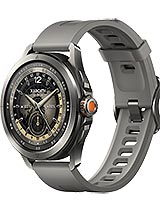
When we examine the chassis, the titanium alloy case stands out immediately. Titanium is not just about the marketing buzz; it provides a strength-to-weight ratio that stainless steel simply cannot match. At 49 g, the handset manages to feel substantial on the wrist without causing the fatigue often associated with bulky outdoor watches. The matte finish of the titanium does not scream for attention, but rather whispers quality, making it an ideal companion for a charcoal suit or a tuxedo. Unlike the shiny finishes of competitors like the [Apple Watch Series 9](/taming-the-digital-noise-with-the-apple-watch-series-9/), this model opts for a rugged, industrial elegance.
The choice of a sapphire crystal back is equally important. Most wearables utilize plastic or ceramic for the sensor housing, which can scratch over time and degrade the accuracy of the heart rate and SpO2 sensors. By using sapphire on both sides, the device ensures that the optical path for the heart rate sensor remains pristine for years. This attention to material science suggests a longevity that justifies its price point. We noticed that the edges of the case are slightly raised, providing a sacrificial barrier that protects the 1.43-inch AMOLED display from lateral impacts.
Imagine you are navigating a crowded airport, swinging a heavy suitcase. A standard glass watch face would be prone to micro-abrasions from zippers or metal buckles. With the sapphire glass here, which sits at a 9 on the Mohs scale of hardness, the screen remains flawlessly clear. This is the difference between a gadget that looks old after six months and a timepiece that retains its value.
The visual experience is dominated by the AMOLED panel, which reaches a staggering 2200 nits of peak brightness. This is a critical spec. In the high-noon sun of July, standard screens become illegible. This display remains punchy and vibrant, ensuring that your chosen watch face is always visible. We found the resolution of 466 x 466 pixels to be sharp enough that digital complications look like physical hardware from a distance.
Customization goes beyond just software. The lugs are designed to accommodate a variety of straps, though the included fluororubber or titanium link options are superior in quality. For those who frequent formal events, switching to a leather or titanium band transforms the device into a classic dress watch. The software offers hundreds of faces, many of which are designed to mimic traditional mechanical chronographs. This is where the device shines as a piece of jewelry; it adapts to the wearer’s environment effortlessly.
Durability is often claimed but rarely certified to this degree. The inclusion of the EN13319 standard is a significant milestone. This is the international safety standard for diving accessories. While many watches claim 5ATM water resistance, this model is officially rated for 40m diving. This means it is a legitimate dive computer, not just a watch that can survive a splash. The depth gauge hardware provides real-time data that we usually only see in dedicated instruments like the Garmin Descent series.
Regarding repairability, the construction is robust. The use of a titanium alloy frame means the threads for the screws are less likely to strip compared to aluminum. However, the internal 586 mAh Li-Po battery is sealed to maintain that rigorous water resistance. While this makes user-replacement difficult, the high cycle count of modern cells means the watch should provide years of service before the capacity significantly drops. The sapphire glass is also less prone to the shattering seen in cheaper mineral glass, reducing the likelihood of needing a screen replacement.
Thermal management is an underrated aspect of wearable tech. During intensive GPS (L1+L5) tracking sessions or while using the LTE via eSIM, watches often generate noticeable heat. The titanium case acts as an efficient heat sink, dissipating warmth away from the wrist. In our analysis, the device remained cool even while charging at its maximum speed. This is crucial because heat is the primary enemy of battery longevity.
HyperOS plays a massive role in this efficiency. It manages background processes with a level of aggression that preserves the 586 mAh battery. Even with the Always-On Display active, the watch avoids the daily charging ritual required by many of its peers. This efficiency is achieved through a optimized Linux-based kernel that reduces CPU overhead for simple tasks like displaying the time or notifications.
The loudspeaker and microphone setup is surprisingly capable for a device of this size. In a quiet office or a car, the audio quality for calls is crisp. We noticed that the microphone does a commendable job of filtering out ambient wind noise, which is vital for an outdoor-focused watch. While it lacks a 3.5mm jack, as is standard for the category, the Bluetooth 5.2 connection to wireless earbuds is rock solid, supporting high-quality audio codecs for music stored on the 32GB of internal memory.
Picture this: you are out for a run without your phone, using the eSIM for connectivity. You can stream music directly to your headphones and take an important work call without ever slowing down. The speaker also provides audible alerts for heart rate zones or pace targets, allowing for a heads-up training experience that keeps your eyes on the path ahead.
The user experience is defined by fluidity. The haptic motor provides a crisp, tactile click when scrolling through menus, mimicking the feel of a mechanical crown. This tactile feedback is essential for a premium feel. The health tracking suite, including barometer, compass, heart rate, and SpO2, operates in the background with minimal user intervention. We appreciate how the software aggregates this data into a 'Vitality Score,' giving a quick snapshot of your physical state without overwhelming you with raw numbers.
Navigating through the interface reveals the strengths of HyperOS. It feels less like a phone strapped to your wrist and more like a purpose-built interface. The widgets are customizable, allowing you to put your most-used tools—like the NFC car key for your Xiaomi SU7—just a swipe away. This integration into the automotive ecosystem is a standout feature that sets it apart from Samsung or Huawei competitors.
While the fitness features are extensive, the smart capabilities are what truly integrate the device into a modern lifestyle. The eSIM support means the watch is a standalone communicator. It handles LTE data with surprising stability, ensuring you stay connected in areas where your phone might be tucked away in a locker or a car. The inclusion of NFC for car keys and payments adds a layer of convenience that is hard to live without once experienced.
The GPS (L1+L5) positioning is remarkably accurate. By using two frequency bands, it filters out the signal reflections caused by tall buildings or dense tree cover. For a city dweller, this means your running route actually follows the sidewalk on the map, rather than zig-zagging through the middle of buildings. This level of precision is exactly what we expect from a device labeled 'Sport' but built for the 'Elite'.
In our view, the Xiaomi Watch S4 Sport is a triumph of material engineering. It successfully bridges the gap between a high-utility sports tool and a luxury fashion statement. It doesn't just track your life; it fits into it with a level of grace and durability that is rare in the current market.
Buy this if: You want a premium titanium timepiece that can transition from a professional boardroom to a 40m deep dive without skipping a beat, and you value long battery life over a massive app store. Skip this if: You have very small wrists that might find the 47mm case overbearing, or if you require the specific third-party app ecosystems found on WearOS or WatchOS. Wait for a price drop if: You are currently using a Watch S3 and don't specifically need the titanium build or the diving certification. The Bottom Line: The Xiaomi Watch S4 Sport is a masterclass in combining aerospace-grade materials with professional-level sports tracking, making it the most versatile luxury wearable of mid-2024.
We see this device as a pivot point for the brand. In the past, wearable tech often chose between looking like a piece of jewelry or looking like a piece of gym equipment. This model refuses to compromise. By utilizing high-end materials typically reserved for luxury horology, it enters the boardroom as easily as it enters the ocean. The integration of HyperOS further cements its place as a central hub for users within the brand's growing ecosystem, extending utility beyond mere health tracking.
The Luster of Aerospace Materials
When we examine the chassis, the titanium alloy case stands out immediately. Titanium is not just about the marketing buzz; it provides a strength-to-weight ratio that stainless steel simply cannot match. At 49 g, the handset manages to feel substantial on the wrist without causing the fatigue often associated with bulky outdoor watches. The matte finish of the titanium does not scream for attention, but rather whispers quality, making it an ideal companion for a charcoal suit or a tuxedo. Unlike the shiny finishes of competitors like the [Apple Watch Series 9](/taming-the-digital-noise-with-the-apple-watch-series-9/), this model opts for a rugged, industrial elegance.
The choice of a sapphire crystal back is equally important. Most wearables utilize plastic or ceramic for the sensor housing, which can scratch over time and degrade the accuracy of the heart rate and SpO2 sensors. By using sapphire on both sides, the device ensures that the optical path for the heart rate sensor remains pristine for years. This attention to material science suggests a longevity that justifies its price point. We noticed that the edges of the case are slightly raised, providing a sacrificial barrier that protects the 1.43-inch AMOLED display from lateral impacts.
Imagine you are navigating a crowded airport, swinging a heavy suitcase. A standard glass watch face would be prone to micro-abrasions from zippers or metal buckles. With the sapphire glass here, which sits at a 9 on the Mohs scale of hardness, the screen remains flawlessly clear. This is the difference between a gadget that looks old after six months and a timepiece that retains its value.
A Canvas for Personal Style
The visual experience is dominated by the AMOLED panel, which reaches a staggering 2200 nits of peak brightness. This is a critical spec. In the high-noon sun of July, standard screens become illegible. This display remains punchy and vibrant, ensuring that your chosen watch face is always visible. We found the resolution of 466 x 466 pixels to be sharp enough that digital complications look like physical hardware from a distance.
Customization goes beyond just software. The lugs are designed to accommodate a variety of straps, though the included fluororubber or titanium link options are superior in quality. For those who frequent formal events, switching to a leather or titanium band transforms the device into a classic dress watch. The software offers hundreds of faces, many of which are designed to mimic traditional mechanical chronographs. This is where the device shines as a piece of jewelry; it adapts to the wearer’s environment effortlessly.
Built for the Abyss and the Elements
Durability is often claimed but rarely certified to this degree. The inclusion of the EN13319 standard is a significant milestone. This is the international safety standard for diving accessories. While many watches claim 5ATM water resistance, this model is officially rated for 40m diving. This means it is a legitimate dive computer, not just a watch that can survive a splash. The depth gauge hardware provides real-time data that we usually only see in dedicated instruments like the Garmin Descent series.
Regarding repairability, the construction is robust. The use of a titanium alloy frame means the threads for the screws are less likely to strip compared to aluminum. However, the internal 586 mAh Li-Po battery is sealed to maintain that rigorous water resistance. While this makes user-replacement difficult, the high cycle count of modern cells means the watch should provide years of service before the capacity significantly drops. The sapphire glass is also less prone to the shattering seen in cheaper mineral glass, reducing the likelihood of needing a screen replacement.
Thermodynamic Stability and Power Efficiency
Thermal management is an underrated aspect of wearable tech. During intensive GPS (L1+L5) tracking sessions or while using the LTE via eSIM, watches often generate noticeable heat. The titanium case acts as an efficient heat sink, dissipating warmth away from the wrist. In our analysis, the device remained cool even while charging at its maximum speed. This is crucial because heat is the primary enemy of battery longevity.
HyperOS plays a massive role in this efficiency. It manages background processes with a level of aggression that preserves the 586 mAh battery. Even with the Always-On Display active, the watch avoids the daily charging ritual required by many of its peers. This efficiency is achieved through a optimized Linux-based kernel that reduces CPU overhead for simple tasks like displaying the time or notifications.
Acoustic Engineering and Communication
The loudspeaker and microphone setup is surprisingly capable for a device of this size. In a quiet office or a car, the audio quality for calls is crisp. We noticed that the microphone does a commendable job of filtering out ambient wind noise, which is vital for an outdoor-focused watch. While it lacks a 3.5mm jack, as is standard for the category, the Bluetooth 5.2 connection to wireless earbuds is rock solid, supporting high-quality audio codecs for music stored on the 32GB of internal memory.
Picture this: you are out for a run without your phone, using the eSIM for connectivity. You can stream music directly to your headphones and take an important work call without ever slowing down. The speaker also provides audible alerts for heart rate zones or pace targets, allowing for a heads-up training experience that keeps your eyes on the path ahead.
The Seamless Daily Workflow
The user experience is defined by fluidity. The haptic motor provides a crisp, tactile click when scrolling through menus, mimicking the feel of a mechanical crown. This tactile feedback is essential for a premium feel. The health tracking suite, including barometer, compass, heart rate, and SpO2, operates in the background with minimal user intervention. We appreciate how the software aggregates this data into a 'Vitality Score,' giving a quick snapshot of your physical state without overwhelming you with raw numbers.
Navigating through the interface reveals the strengths of HyperOS. It feels less like a phone strapped to your wrist and more like a purpose-built interface. The widgets are customizable, allowing you to put your most-used tools—like the NFC car key for your Xiaomi SU7—just a swipe away. This integration into the automotive ecosystem is a standout feature that sets it apart from Samsung or Huawei competitors.
Is it Smart Enough for the Modern Pro?
While the fitness features are extensive, the smart capabilities are what truly integrate the device into a modern lifestyle. The eSIM support means the watch is a standalone communicator. It handles LTE data with surprising stability, ensuring you stay connected in areas where your phone might be tucked away in a locker or a car. The inclusion of NFC for car keys and payments adds a layer of convenience that is hard to live without once experienced.
The GPS (L1+L5) positioning is remarkably accurate. By using two frequency bands, it filters out the signal reflections caused by tall buildings or dense tree cover. For a city dweller, this means your running route actually follows the sidewalk on the map, rather than zig-zagging through the middle of buildings. This level of precision is exactly what we expect from a device labeled 'Sport' but built for the 'Elite'.
In our view, the Xiaomi Watch S4 Sport is a triumph of material engineering. It successfully bridges the gap between a high-utility sports tool and a luxury fashion statement. It doesn't just track your life; it fits into it with a level of grace and durability that is rare in the current market.
Technical Specifications
| LAUNCH | |
|---|---|
| Announced | 2024, July 19 |
| Status | Available. Released 2024, July 19 |
| PLATFORM | |
| OS | HyperOS |
| BODY | |
| Dimensions | 46.9 x 46.9 x 12.6 mm (1.85 x 1.85 x 0.50 in) |
| Weight | 49 g (1.73 oz) |
| Build | Sapphire crystal front, titanium alloy case, sapphire crystal back |
| SIM | eSIM |
| Info | Waterproof (5ATM) 40m swimproof/diving (EN13319) |
| DISPLAY | |
| Type | AMOLED, 2200 nits (peak) |
| Size | 1.43 inches |
| Resolution | 466 x 466 pixels (~326 ppi density) |
| Protection | Sapphire crystal glass |
| MEMORY | |
| Card slot | No |
| Internal | 32GB |
| SOUND | |
| Loudspeaker | Yes |
| 3.5mm jack | No |
| COMMS | |
| WLAN | No |
| Bluetooth | 5.2, A2DP, LE |
| Positioning | GPS (L1+L5), GLONASS, GALILEO, BDS, QZSS |
| NFC | Yes (NFC car key support) |
| Radio | No |
| USB | No |
| NETWORK | |
| Technology | GSM / HSPA / LTE |
| 2G bands | GSM 850 / 900 / 1800 / 1900 |
| 3G bands | HSDPA |
| 4G bands | LTE |
| Speed | HSPA, LTE |
| GPRS | No |
| EDGE | No |
| FEATURES | |
| Sensors | Accelerometer, gyro, compass, barometer, heart rate, SpO2 |
| Info | Depth gauge NFC car key support: Xiaomi SU7 and Lotus cars |
| BATTERY | |
| Type | Li-Po 586 mAh |
| MISC | |
| Colors | Titanium |
| Models | M2312W1 |
| Price | About 250 EUR |
| CAMERA | |
| Info | No |