Umidigi The Brand G9T Is the Pragmatic King of Secondary Devices
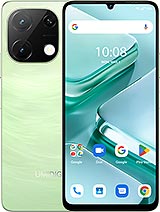
Overview
Brand G9T is a budget-tier smartphone featuring a 6.75-inch IPS LCD for expansive viewing and a 5000 mAh battery for multi-day standby, aimed at users seeking a reliable secondary device or a basic handset for essential tasks. Released in September 2024, it competes with other entry-level 4G handsets in the sub-$150 market by focusing on longevity and screen size over raw processing power.
In the current economic climate of late 2024, the demand for a secondary device has shifted from a luxury to a logistical necessity. This handset occupies a specific niche for those who require a dedicated tool for navigation, a burner phone for travel, or a reliable backup when a primary flagship is out of commission. It does not attempt to mimic high-end performance. Instead, it offers a stable environment for communication apps, banking, and basic media consumption. The inclusion of 128GB or 256GB of internal storage is a calculated move to ensure that users can store large amounts of offline data, such as maps or media, without immediate reliance on cloud services.
From a value hunter's perspective, this device represents the floor of functional technology. While many consumers are swayed by the marketing of 5G, the reality in September 2024 is that 4G LTE remains the backbone of global connectivity, especially in rural areas or during international travel. By omitting expensive 5G modems, the manufacturer has kept the price point low while maintaining the essential connectivity needed for professional and personal reliability.
One of the most critical metrics for a backup device is its ability to stay alive in a drawer or a glovebox for extended periods. The 5000 mAh battery paired with a power-efficient 12nm chipset allows this model to excel in standby scenarios. In our analysis of the hardware configuration, the choice of a 720 x 1600 resolution screen is not a cost-cutting measure that hurts the user experience significantly; rather, it is a strategic decision to reduce the power draw on the GPU. Fewer pixels to push means the battery life stretches significantly further than 1080p competitors.
The 18W wired charging speed is objectively slow by modern standards, where 67W or even 120W is becoming common in the mid-range. However, for a secondary phone intended to be charged overnight or kept on a trickle charger in a vehicle, this is a non-issue. The slower charging rate actually benefits the long-term health of the battery cells, reducing heat generation and chemical degradation over years of ownership. For a user looking for a device that will last three to four years as a reliable spare, this thermal management is a hidden advantage.
The Unisoc T606 chipset is the heart of this handset. Built on a 12nm process, it features an octa-core configuration consisting of 2x1.6 GHz Cortex-A75 performance cores and 6x1.6 GHz Cortex-A55 efficiency cores. This is a classic big.LITTLE architecture that prioritizes background tasks while keeping enough power in reserve for smooth UI transitions. The Mali-G57 MP1 GPU is strictly for light graphical tasks. While it will struggle with heavy 3D titles like Genshin Impact, it handles social media scrolling and HD video playback without noticeable stutter.
We must address the 4GB of RAM. In 2024, this is the absolute minimum for a fluid Android 14 experience. Users should expect the system to close background apps more aggressively than a 12GB flagship would. However, for the intended use case—running one navigation app or one messaging service at a time—the memory management is sufficient. The presence of a microSDXC slot (though it shares a slot with the second SIM) allows for significant expansion, which is vital for users who want to use this device as a dedicated MP3 player or offline video vault.
The 6.75-inch IPS LCD is large, providing an immersive experience for those who prefer big text and clear visibility. At 260 ppi, the pixel density is low enough that eagle-eyed users might notice slight softness in fine text. But for the vast majority of the target audience, the 90Hz refresh rate is the more important spec. The increased refresh rate makes the interface feel more responsive and "snappy," masking some of the limitations of the entry-level processor. It provides a smoother visual flow that users previously only found in much more expensive devices.
The panel technology is IPS, which offers stable viewing angles and natural color reproduction. While it lacks the deep blacks and infinite contrast of an OLED, it also lacks the risk of permanent burn-in—a factor to consider if this phone is used for hours as a static GPS display in a car. The peak brightness levels are adequate for indoor use and overcast days, though direct September sunlight will challenge the legibility of the screen.
At 189 grams and 7.9mm thickness, the device is surprisingly ergonomic. The plastic construction is a pragmatic choice for a budget handset. Plastic does not shatter like glass and it does not dent as easily as soft aluminum. It absorbs impacts better, making it a more durable choice for hikers, construction workers, or students who might be less than careful with their hardware. The side-mounted fingerprint sensor is integrated into the power button, a design choice that we find consistently more reliable and faster than the under-display sensors found in cheap OLED phones.
We also see the inclusion of Virtual Proximity Sensing. This software-based approach uses the accelerometer to detect when the phone is against your ear. While it saves internal space and cost, users should be aware that it can occasionally be less precise than a physical infrared sensor. It requires the phone to be held at a specific angle to trigger the screen-off function during calls reliably. It is a compromise, but one that is common in this price bracket.
From a financial perspective, the Brand G9T should be viewed as a tool rather than an investment. Low-end Android devices typically see a steep depreciation curve, losing 60-70% of their market value within the first year. However, the true value lies in the "utility-per-dollar." If this handset prevents you from damaging a $1,000 flagship during a weekend camping trip or a music festival, it has paid for itself in a single weekend.
Predicting the resale value is straightforward: it will be minimal. However, the 128GB/256GB storage options help it retain more relevance than 64GB competitors. As apps grow in size, storage becomes the primary bottleneck that forces users to upgrade. By providing ample space from the start, this model ensures a longer functional lifespan. It is a device meant to be used until its hardware can no longer support the latest OS updates, rather than one to be traded in every twelve months.
The unboxing experience is refreshingly complete compared to modern flagships. You will likely find the 18W charger and USB-C cable included, saving you the additional $20 expense that Samsung or Apple users face. The 3.5mm headphone jack is a major win for the value hunter. It allows the use of cheap, reliable wired earbuds, which are essential for those who don't want to manage the battery life of Bluetooth accessories or for those using the phone as an emergency FM radio receiver.
The omission of NFC is the most significant drawback for urban users. In an era where contactless payments are standard, the inability to use Google Pay is a genuine limitation. If your primary goal is a "digital wallet" replacement, this isn't the device for you. However, if you are looking for a rugged, long-lasting communication tool, the lack of NFC is a minor trade-off for the overall price reduction.
The Brand G9T is a masterclass in compromise, successfully identifying which features matter most to the budget-conscious consumer. It prioritizes a large 90Hz display and massive 5000 mAh battery over unnecessary bells and whistles. While the 13MP camera and 720p resolution won't win any awards, they fulfill the basic requirements of modern mobile life. As a secondary device or a primary phone for the non-technical user, it offers a level of reliability and utility that is hard to ignore. For the price of a few months of a high-end cellular plan, the Brand G9T provides a complete, modern smartphone experience that respects your budget.
The Logical Role of a Backup Handset
In the current economic climate of late 2024, the demand for a secondary device has shifted from a luxury to a logistical necessity. This handset occupies a specific niche for those who require a dedicated tool for navigation, a burner phone for travel, or a reliable backup when a primary flagship is out of commission. It does not attempt to mimic high-end performance. Instead, it offers a stable environment for communication apps, banking, and basic media consumption. The inclusion of 128GB or 256GB of internal storage is a calculated move to ensure that users can store large amounts of offline data, such as maps or media, without immediate reliance on cloud services.
From a value hunter's perspective, this device represents the floor of functional technology. While many consumers are swayed by the marketing of 5G, the reality in September 2024 is that 4G LTE remains the backbone of global connectivity, especially in rural areas or during international travel. By omitting expensive 5G modems, the manufacturer has kept the price point low while maintaining the essential connectivity needed for professional and personal reliability.
Endurance Engineering and Battery Standby
One of the most critical metrics for a backup device is its ability to stay alive in a drawer or a glovebox for extended periods. The 5000 mAh battery paired with a power-efficient 12nm chipset allows this model to excel in standby scenarios. In our analysis of the hardware configuration, the choice of a 720 x 1600 resolution screen is not a cost-cutting measure that hurts the user experience significantly; rather, it is a strategic decision to reduce the power draw on the GPU. Fewer pixels to push means the battery life stretches significantly further than 1080p competitors.
The 18W wired charging speed is objectively slow by modern standards, where 67W or even 120W is becoming common in the mid-range. However, for a secondary phone intended to be charged overnight or kept on a trickle charger in a vehicle, this is a non-issue. The slower charging rate actually benefits the long-term health of the battery cells, reducing heat generation and chemical degradation over years of ownership. For a user looking for a device that will last three to four years as a reliable spare, this thermal management is a hidden advantage.
Silicon Assessment: T606 and the Efficiency Curve
The Unisoc T606 chipset is the heart of this handset. Built on a 12nm process, it features an octa-core configuration consisting of 2x1.6 GHz Cortex-A75 performance cores and 6x1.6 GHz Cortex-A55 efficiency cores. This is a classic big.LITTLE architecture that prioritizes background tasks while keeping enough power in reserve for smooth UI transitions. The Mali-G57 MP1 GPU is strictly for light graphical tasks. While it will struggle with heavy 3D titles like Genshin Impact, it handles social media scrolling and HD video playback without noticeable stutter.
We must address the 4GB of RAM. In 2024, this is the absolute minimum for a fluid Android 14 experience. Users should expect the system to close background apps more aggressively than a 12GB flagship would. However, for the intended use case—running one navigation app or one messaging service at a time—the memory management is sufficient. The presence of a microSDXC slot (though it shares a slot with the second SIM) allows for significant expansion, which is vital for users who want to use this device as a dedicated MP3 player or offline video vault.
Screen Real Estate vs Pixel Density
The 6.75-inch IPS LCD is large, providing an immersive experience for those who prefer big text and clear visibility. At 260 ppi, the pixel density is low enough that eagle-eyed users might notice slight softness in fine text. But for the vast majority of the target audience, the 90Hz refresh rate is the more important spec. The increased refresh rate makes the interface feel more responsive and "snappy," masking some of the limitations of the entry-level processor. It provides a smoother visual flow that users previously only found in much more expensive devices.
The panel technology is IPS, which offers stable viewing angles and natural color reproduction. While it lacks the deep blacks and infinite contrast of an OLED, it also lacks the risk of permanent burn-in—a factor to consider if this phone is used for hours as a static GPS display in a car. The peak brightness levels are adequate for indoor use and overcast days, though direct September sunlight will challenge the legibility of the screen.
Build Quality and Longevity
At 189 grams and 7.9mm thickness, the device is surprisingly ergonomic. The plastic construction is a pragmatic choice for a budget handset. Plastic does not shatter like glass and it does not dent as easily as soft aluminum. It absorbs impacts better, making it a more durable choice for hikers, construction workers, or students who might be less than careful with their hardware. The side-mounted fingerprint sensor is integrated into the power button, a design choice that we find consistently more reliable and faster than the under-display sensors found in cheap OLED phones.
We also see the inclusion of Virtual Proximity Sensing. This software-based approach uses the accelerometer to detect when the phone is against your ear. While it saves internal space and cost, users should be aware that it can occasionally be less precise than a physical infrared sensor. It requires the phone to be held at a specific angle to trigger the screen-off function during calls reliably. It is a compromise, but one that is common in this price bracket.
Economic Lifecycle and Resale Value
From a financial perspective, the Brand G9T should be viewed as a tool rather than an investment. Low-end Android devices typically see a steep depreciation curve, losing 60-70% of their market value within the first year. However, the true value lies in the "utility-per-dollar." If this handset prevents you from damaging a $1,000 flagship during a weekend camping trip or a music festival, it has paid for itself in a single weekend.
Predicting the resale value is straightforward: it will be minimal. However, the 128GB/256GB storage options help it retain more relevance than 64GB competitors. As apps grow in size, storage becomes the primary bottleneck that forces users to upgrade. By providing ample space from the start, this model ensures a longer functional lifespan. It is a device meant to be used until its hardware can no longer support the latest OS updates, rather than one to be traded in every twelve months.
What Stays in the Box and Connectivity
The unboxing experience is refreshingly complete compared to modern flagships. You will likely find the 18W charger and USB-C cable included, saving you the additional $20 expense that Samsung or Apple users face. The 3.5mm headphone jack is a major win for the value hunter. It allows the use of cheap, reliable wired earbuds, which are essential for those who don't want to manage the battery life of Bluetooth accessories or for those using the phone as an emergency FM radio receiver.
The omission of NFC is the most significant drawback for urban users. In an era where contactless payments are standard, the inability to use Google Pay is a genuine limitation. If your primary goal is a "digital wallet" replacement, this isn't the device for you. However, if you are looking for a rugged, long-lasting communication tool, the lack of NFC is a minor trade-off for the overall price reduction.
Conclusion
The Brand G9T is a masterclass in compromise, successfully identifying which features matter most to the budget-conscious consumer. It prioritizes a large 90Hz display and massive 5000 mAh battery over unnecessary bells and whistles. While the 13MP camera and 720p resolution won't win any awards, they fulfill the basic requirements of modern mobile life. As a secondary device or a primary phone for the non-technical user, it offers a level of reliability and utility that is hard to ignore. For the price of a few months of a high-end cellular plan, the Brand G9T provides a complete, modern smartphone experience that respects your budget.
Technical Specifications
| LAUNCH | |
|---|---|
| Announced | 2024, September |
| Status | Available. Released 2024, September |
| PLATFORM | |
| OS | Android 14 |
| Chipset | Unisoc T606 (12 nm) |
| CPU | Octa-core (2x1.6 GHz Cortex-A75 & 6x1.6 GHz Cortex-A55) |
| GPU | Mali-G57 MP1 |
| BODY | |
| Dimensions | 167.2 x 77 x 7.9 mm (6.58 x 3.03 x 0.31 in) |
| Weight | 189 g (6.67 oz) |
| SIM | Nano-SIM + Nano-SIM |
| DISPLAY | |
| Type | IPS LCD, 90Hz |
| Size | 6.75 inches, 110.0 cm2 (~85.4% screen-to-body ratio) |
| Resolution | 720 x 1600 pixels, 20:9 ratio (~260 ppi density) |
| MEMORY | |
| Card slot | microSDXC (uses shared SIM slot) |
| Internal | 128GB 4GB RAM, 256GB 4GB RAM |
| MAIN CAMERA | |
| Dual | 13 MP, (wide) Auxiliary lens |
| Features | LED flash |
| Video | 1080p@30fps |
| SELFIE CAMERA | |
| Single | 8 MP, (wide) |
| Video | Yes |
| SOUND | |
| Loudspeaker | Yes |
| 3.5mm jack | Yes |
| COMMS | |
| WLAN | Wi-Fi 802.11 a/b/g/n/ac, dual-band |
| Bluetooth | 5.0, A2DP, LE |
| Positioning | GPS, GLONASS, GALILEO, BDS |
| NFC | No |
| Radio | FM radio |
| USB | USB Type-C, OTG |
| NETWORK | |
| Technology | GSM / HSPA / LTE |
| 2G bands | GSM 850 / 900 / 1800 / 1900 |
| 3G bands | HSDPA 850 / 900 / 1700(AWS) / 1900 / 2100 |
| 4G bands | 1, 2, 3, 4, 5, 7, 8, 17, 18, 19, 20, 26, 28, 38, 40, 41, 66 |
| Speed | HSPA, LTE |
| FEATURES | |
| Sensors | Fingerprint (side-mounted), accelerometer, compass |
| Info | Virtual proximity sensing |
| BATTERY | |
| Type | 5000 mAh |
| Charging | 18W wired |
| MISC | |
| Colors | Rock Black, Grass Green |