Umidigi Why the Brand G9C Is the Smartest Secondary Investment You Can Make
Overview
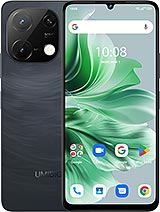
Brand G9C is a budget-tier smartphone featuring a 6.75-inch 90Hz display for smoother navigation and a 5000 mAh battery for extended standby times, aimed at value-conscious users needing a reliable secondary handset. Released in September 2024, it enters a crowded entry-level market where it must justify its existence against established rivals from Redmi and Samsung. We see this handset not as a primary powerhouse, but as a strategic tool for the pragmatic economist who understands that a $1,000 flagship is too precious to carry into every situation.
In our analysis, the primary value of the Brand G9C lies in its role as a 'glovebox phone' or a dedicated travel device. We often see tech enthusiasts carrying expensive flagship devices into high-risk environments like music festivals, hiking trips, or international travel where theft or damage is a high probability. Replacing a cracked screen on a premium device can cost triple the total price of this entire handset. This model offers a safety net. If it falls onto the pavement during a trek or gets lost in a foreign city, the financial sting is negligible compared to losing a premium workstation.
We recognize that for many, a second phone is about separation of concerns. This handset provides a dedicated space for work-related communication apps like Slack or Teams, allowing users to physically set aside their primary phone at the end of the day. Because it supports dual Nano-SIM cards, it also serves as a perfect international companion, allowing travelers to keep their home SIM active for verification codes while using a local data SIM for navigation. The inclusion of NFC at this price point is a standout feature, as it enables contact-less payments—a rarity in the absolute budget tier where manufacturers often cut this specific chip to save cents.
When we look at the internal hardware, the 5000 mAh battery paired with the low-power Mediatek Helio G36 chipset creates an endurance champion. The Helio G36 is built on a 12nm process and utilizes eight Cortex-A53 cores. While these cores are not designed for heavy lifting, they are incredibly efficient at idling. In our estimation, this device could easily sit in a drawer for a week and still have enough charge to assist in an emergency. For users who need a device that stays alive during a 48-hour power outage or a long-haul flight without access to a charger, this hardware configuration is ideal.
Charging occurs at 18W, which by 2024 standards is quite slow. We estimate a full charge will take approximately two hours. However, value hunters should view this as a trade-off for battery longevity. Slower charging generates less heat, which typically preserves the chemical health of the lithium-ion cells over several years. If this phone is intended to stay in your kit for the next 36 months, the 18W limitation is actually a benefit for long-term reliability. We find that users who charge their phones overnight will not be bothered by the lack of ultra-fast charging speeds found in more expensive segments.
The Brand G9C ships with Android 14, which is a significant win for a device in this price bracket. Many budget competitors still linger on Android 13 or even older iterations. Having the latest OS means better security protocols and compatibility with the newest versions of essential apps. However, we must be realistic about the 6GB of RAM. While 6GB is generous for a [budget phone](/trend/best-budget-phones-2026/), Android 14 is a resource-heavy operating system. Users should expect a basic experience focused on utility rather than multitasking fluidity. Opening a camera app while running navigation in the background will likely cause some hesitation as the system manages the limited memory.
Regarding future updates, budget manufacturers often provide one major OS update or sometimes just security patches. We anticipate this device will likely remain on Android 14 for the duration of its functional life. For a secondary device, this is acceptable. The goal here is stability. As long as the PowerVR GE8320 GPU can render the interface smoothly at 90Hz, the user experience will remain passable for basic tasks like WhatsApp, email, and web browsing. We recommend disabling animations in the developer settings to keep the UI feeling snappy over time.
One of the biggest hurdles with budget handsets like the Brand G9C is the presence of pre-installed applications, often referred to as bloatware. Manufacturers use these partnerships to subsidize the low cost of the hardware. Upon first boot, we expect to see several third-party games and utility apps that most users will never touch. These apps occupy precious storage space and can occasionally run background processes that drain the battery. We advise users to spend their first 30 minutes with the device uninstalling or disabling every non-essential application.
Beyond just third-party apps, many budget UI skins include their own versions of galleries, file managers, and browsers. We find that replacing these with the standard 'Go' versions of Google apps can significantly improve performance. The Helio G36 has limited overhead, so every background process you can kill results in a more responsive experience. If you take the time to prune the software, the 128GB of internal storage becomes much more useful for your own photos and offline maps.
While 128GB of internal storage sounds impressive for a budget phone, the type of storage matters just as much as the capacity. At this price, the handset likely utilizes eMMC storage rather than the faster UFS standards found in mid-range devices. This means that while you can store thousands of photos, the speed at which apps install or large files transfer will be noticeably slower. For example, downloading a 1GB game might take only a minute on your Wi-Fi, but the installation process could take several minutes as the processor and storage work to unpack the data.
We also want to highlight the microSDXC slot. It uses a shared SIM slot, meaning you have to choose between a second phone line or expanded storage. For most users, 128GB is more than enough for a backup device. However, if you plan to use this as a dedicated offline media player for long trips, being able to pop in a 512GB card is a massive advantage. We recommend using a high-quality Class 10 card to ensure the read speeds don't become a bottleneck when playing back high-definition video files.
The construction of the Brand G9C is primarily plastic, which we view as a practical choice for a budget-tier handset. Unlike glass-backed flagship phones that shatter upon the first impact, plastic is resilient and can absorb shocks more effectively. With a thickness of 7.9 mm and a weight of 189 g, it feels substantial without being overly bulky. It sits comfortably in the hand, and the side-mounted fingerprint sensor is positioned naturally for most thumb placements. We infer that the textured finish on the Rock Black or Grass Green variants will provide a decent grip, reducing the likelihood of accidental drops.
One technical detail to note is the Virtual Proximity Sensing. Instead of a dedicated hardware sensor that detects your ear during a call, the phone uses software and the accelerometer to turn off the screen. While this saves internal space and cost, it can sometimes be less reliable than physical sensors. We recommend holding the phone firmly against your ear during calls to ensure the screen doesn't accidentally stay on and register face-touches on the hang-up button. It is a minor quirk of the budget segment that users quickly learn to accommodate.
From a tech economist's perspective, the resale value of the Brand G9C will be low. Budget phones do not hold their price like an iPhone or a Galaxy S-series. However, the 'cost of ownership' is actually lower because the initial investment is so small. If you buy this phone for $130 and sell it for $50 two years later, you have only 'lost' $80. If you buy a flagship for $1,000 and sell it for $500 two years later, you have lost $500. For a device that serves as a backup or a child's first phone, the Brand G9C represents a very low-risk financial commitment.
Ultimately, the Brand G9C succeeds by not pretending to be something it isn't. It doesn't promise professional-grade photography or high-end gaming. It promises a functional Android 14 experience, a massive screen for media consumption, and a battery that won't quit when you need it most. For the value hunter, this handset is a textbook example of buying exactly what you need without paying for the marketing fluff of the premium tier.
The Strategic Backup Use Case
In our analysis, the primary value of the Brand G9C lies in its role as a 'glovebox phone' or a dedicated travel device. We often see tech enthusiasts carrying expensive flagship devices into high-risk environments like music festivals, hiking trips, or international travel where theft or damage is a high probability. Replacing a cracked screen on a premium device can cost triple the total price of this entire handset. This model offers a safety net. If it falls onto the pavement during a trek or gets lost in a foreign city, the financial sting is negligible compared to losing a premium workstation.
We recognize that for many, a second phone is about separation of concerns. This handset provides a dedicated space for work-related communication apps like Slack or Teams, allowing users to physically set aside their primary phone at the end of the day. Because it supports dual Nano-SIM cards, it also serves as a perfect international companion, allowing travelers to keep their home SIM active for verification codes while using a local data SIM for navigation. The inclusion of NFC at this price point is a standout feature, as it enables contact-less payments—a rarity in the absolute budget tier where manufacturers often cut this specific chip to save cents.
Battery Standby and Emergency Endurance
When we look at the internal hardware, the 5000 mAh battery paired with the low-power Mediatek Helio G36 chipset creates an endurance champion. The Helio G36 is built on a 12nm process and utilizes eight Cortex-A53 cores. While these cores are not designed for heavy lifting, they are incredibly efficient at idling. In our estimation, this device could easily sit in a drawer for a week and still have enough charge to assist in an emergency. For users who need a device that stays alive during a 48-hour power outage or a long-haul flight without access to a charger, this hardware configuration is ideal.
Charging occurs at 18W, which by 2024 standards is quite slow. We estimate a full charge will take approximately two hours. However, value hunters should view this as a trade-off for battery longevity. Slower charging generates less heat, which typically preserves the chemical health of the lithium-ion cells over several years. If this phone is intended to stay in your kit for the next 36 months, the 18W limitation is actually a benefit for long-term reliability. We find that users who charge their phones overnight will not be bothered by the lack of ultra-fast charging speeds found in more expensive segments.
Software Longevity and Android 14 Reality
The Brand G9C ships with Android 14, which is a significant win for a device in this price bracket. Many budget competitors still linger on Android 13 or even older iterations. Having the latest OS means better security protocols and compatibility with the newest versions of essential apps. However, we must be realistic about the 6GB of RAM. While 6GB is generous for a [budget phone](/trend/best-budget-phones-2026/), Android 14 is a resource-heavy operating system. Users should expect a basic experience focused on utility rather than multitasking fluidity. Opening a camera app while running navigation in the background will likely cause some hesitation as the system manages the limited memory.
Regarding future updates, budget manufacturers often provide one major OS update or sometimes just security patches. We anticipate this device will likely remain on Android 14 for the duration of its functional life. For a secondary device, this is acceptable. The goal here is stability. As long as the PowerVR GE8320 GPU can render the interface smoothly at 90Hz, the user experience will remain passable for basic tasks like WhatsApp, email, and web browsing. We recommend disabling animations in the developer settings to keep the UI feeling snappy over time.
Bloatware and the Clean-Up Process
One of the biggest hurdles with budget handsets like the Brand G9C is the presence of pre-installed applications, often referred to as bloatware. Manufacturers use these partnerships to subsidize the low cost of the hardware. Upon first boot, we expect to see several third-party games and utility apps that most users will never touch. These apps occupy precious storage space and can occasionally run background processes that drain the battery. We advise users to spend their first 30 minutes with the device uninstalling or disabling every non-essential application.
Beyond just third-party apps, many budget UI skins include their own versions of galleries, file managers, and browsers. We find that replacing these with the standard 'Go' versions of Google apps can significantly improve performance. The Helio G36 has limited overhead, so every background process you can kill results in a more responsive experience. If you take the time to prune the software, the 128GB of internal storage becomes much more useful for your own photos and offline maps.
Storage Speed and Installation Bottlenecks
While 128GB of internal storage sounds impressive for a budget phone, the type of storage matters just as much as the capacity. At this price, the handset likely utilizes eMMC storage rather than the faster UFS standards found in mid-range devices. This means that while you can store thousands of photos, the speed at which apps install or large files transfer will be noticeably slower. For example, downloading a 1GB game might take only a minute on your Wi-Fi, but the installation process could take several minutes as the processor and storage work to unpack the data.
We also want to highlight the microSDXC slot. It uses a shared SIM slot, meaning you have to choose between a second phone line or expanded storage. For most users, 128GB is more than enough for a backup device. However, if you plan to use this as a dedicated offline media player for long trips, being able to pop in a 512GB card is a massive advantage. We recommend using a high-quality Class 10 card to ensure the read speeds don't become a bottleneck when playing back high-definition video files.
Durability and Physical Practicality
The construction of the Brand G9C is primarily plastic, which we view as a practical choice for a budget-tier handset. Unlike glass-backed flagship phones that shatter upon the first impact, plastic is resilient and can absorb shocks more effectively. With a thickness of 7.9 mm and a weight of 189 g, it feels substantial without being overly bulky. It sits comfortably in the hand, and the side-mounted fingerprint sensor is positioned naturally for most thumb placements. We infer that the textured finish on the Rock Black or Grass Green variants will provide a decent grip, reducing the likelihood of accidental drops.
One technical detail to note is the Virtual Proximity Sensing. Instead of a dedicated hardware sensor that detects your ear during a call, the phone uses software and the accelerometer to turn off the screen. While this saves internal space and cost, it can sometimes be less reliable than physical sensors. We recommend holding the phone firmly against your ear during calls to ensure the screen doesn't accidentally stay on and register face-touches on the hang-up button. It is a minor quirk of the budget segment that users quickly learn to accommodate.
Resale Value and the Cost of Ownership
From a tech economist's perspective, the resale value of the Brand G9C will be low. Budget phones do not hold their price like an iPhone or a Galaxy S-series. However, the 'cost of ownership' is actually lower because the initial investment is so small. If you buy this phone for $130 and sell it for $50 two years later, you have only 'lost' $80. If you buy a flagship for $1,000 and sell it for $500 two years later, you have lost $500. For a device that serves as a backup or a child's first phone, the Brand G9C represents a very low-risk financial commitment.
Ultimately, the Brand G9C succeeds by not pretending to be something it isn't. It doesn't promise professional-grade photography or high-end gaming. It promises a functional Android 14 experience, a massive screen for media consumption, and a battery that won't quit when you need it most. For the value hunter, this handset is a textbook example of buying exactly what you need without paying for the marketing fluff of the premium tier.
Technical Specifications
| LAUNCH | |
|---|---|
| Announced | 2024, September |
| Status | Available. Released 2024, September |
| PLATFORM | |
| OS | Android 14 |
| Chipset | Mediatek Helio G36 (12 nm) |
| CPU | Octa-core (4x2.2 GHz Cortex-A53 & 4x1.6 GHz Cortex-A53) |
| GPU | PowerVR GE8320 |
| BODY | |
| Dimensions | 167.2 x 77 x 7.9 mm (6.58 x 3.03 x 0.31 in) |
| Weight | 189 g (6.67 oz) |
| SIM | Nano-SIM + Nano-SIM |
| DISPLAY | |
| Type | IPS LCD, 90Hz |
| Size | 6.75 inches, 110.0 cm2 (~85.4% screen-to-body ratio) |
| Resolution | 720 x 1600 pixels, 20:9 ratio (~260 ppi density) |
| MEMORY | |
| Card slot | microSDXC (uses shared SIM slot) |
| Internal | 128GB 6GB RAM |
| MAIN CAMERA | |
| Dual | 50 MP, (wide) Auxiliary lens |
| Features | LED flash |
| Video | 1080p@30fps |
| SELFIE CAMERA | |
| Single | 8 MP, (wide) |
| Video | Yes |
| SOUND | |
| Loudspeaker | Yes |
| 3.5mm jack | Yes |
| COMMS | |
| WLAN | Wi-Fi 802.11 a/b/g/n/ac, dual-band |
| Bluetooth | 5.4, A2DP, LE |
| Positioning | GPS, GLONASS, GALILEO, BDS |
| NFC | Yes |
| Radio | FM radio |
| USB | USB Type-C, OTG |
| NETWORK | |
| Technology | GSM / HSPA / LTE |
| 2G bands | GSM 850 / 900 / 1800 / 1900 |
| 3G bands | HSDPA 850 / 900 / 1700(AWS) / 1900 / 2100 |
| 4G bands | 1, 2, 3, 4, 5, 7, 8, 17, 18, 19, 20, 26, 28, 38, 40, 41, 66 |
| Speed | HSPA, LTE |
| FEATURES | |
| Sensors | Fingerprint (side-mounted), accelerometer, compass |
| Info | Virtual proximity sensing |
| BATTERY | |
| Type | 5000 mAh |
| Charging | 18W wired |
| MISC | |
| Colors | Rock Black, Grass Green |