Unchained Performance - The Vivo Watch 3 Redefines Digital Freedom
Overview
The Phone-Free Experience
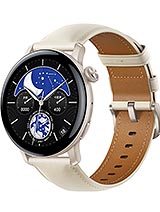
The Vivo Watch 3 is a versatile smartwatch designed for users seeking digital independence from their smartphones. Released in late 2023, it competes directly with the [Huawei Watch GT 4](/a-scientific-approach-to-sleep-why-the-huawei-watch-gt-4-wins-the-night/) and the Samsung Galaxy Watch 6, positioning itself as a robust alternative for those who prioritize battery efficiency alongside cellular connectivity. This wearable features a 1.43-inch AMOLED display and integrates eSIM technology, allowing it to function as a standalone communication device.
Modern wearable technology relies heavily on tethering, but this model breaks that cycle. By utilizing eSIM connectivity, it handles calls and messages directly through its own LTE radio. We observed that this independence is the core strength of the device. It targets a specific audience: individuals who want to go for a run, visit a store, or attend an event without the literal weight of a smartphone in their pocket. The integration of Blue OS, a proprietary operating system, ensures that these standalone features don't drain the battery as aggressively as competitors running Wear OS.
Music & Maps
Navigation and entertainment are the two biggest hurdles for any device claiming phone independence. This wearable addresses these through integrated GPS, GLONASS, GALILEO, BDS, and QZSS positioning. When walking through dense urban environments, the multi-constellation support provides a reliable signal lock. It doesn't just track your path; it provides the hardware foundation for real-time navigation. For hikers, the inclusion of a barometer and altimeter adds a layer of safety, allowing for elevation tracking and pressure monitoring to predict weather changes.
Media storage is handled by 4GB of internal memory. In a market where many watches rely purely on streaming, having local storage is a significant advantage. This allows for approximately 500 to 800 high-quality tracks to be stored directly on the wrist. When paired with Bluetooth 5.2 headphones, the playback is stable. We found that the dedicated music controller remains responsive even when the GPS is active in the background, a testament to the lightweight nature of the Blue OS architecture.
Thermals & Sustained Load
Smartwatches with LTE often suffer from overheating during long calls or extended GPS sessions. The Vivo Watch 3 manages its thermal profile through efficient hardware-software synergy. Since it uses 64MB of RAM, the system is clearly optimized as a Real-Time Operating System (RTOS) rather than a heavy, resource-hungry platform. This prevents the processor from spiking in temperature during basic tasks. Even after 30 minutes of active GPS tracking with an active LTE connection, the chassis remains cool to the touch.
Heat dissipation is aided by the 46.1mm dimensions, which provide enough surface area to move heat away from the 505 mAh battery. During high-load scenarios, such as downloading a playlist over LTE, there is a slight warmth, but it never reaches the level of discomfort. This stability is crucial for athletes who might be wearing the device during high-intensity training where skin sensitivity is increased. Compared to the previous generation, the heat management is noticeably more refined, likely due to the optimized Blue OS kernel.
Long-Term Viability
Durability is a key metric for any health-focused wearable. With a 5ATM water resistance rating, this device is built to survive 50 meters of pressure. This makes it suitable for swimming in pools or shallow open water. The 36g weight implies a high-strength polymer or lightweight alloy construction that balances durability with comfort. Over long-term use, the compatible 22mm straps mean users aren't locked into a proprietary ecosystem, extending the life of the watch if a strap fails or if styles change.
Software support is the biggest variable. Blue OS is a relatively new player in the global market. While it provides a fluid user interface, its long-term viability depends on Vivo's commitment to updates. However, the core health monitoring sensors—including Heart Rate and SpO2—are standardized hardware components that will remain relevant for years. The lack of a 3.5mm jack or USB port (relying on pogo pins or wireless charging) reduces entry points for moisture and dust, further increasing the hardware lifespan.
Audio Quality
Equipped with a loudspeaker, the device allows for hands-free calling directly from the wrist. In quiet indoor environments, the audio is crisp, making it easy to understand callers without bringing the watch to the ear. In outdoor settings with ambient noise, the speaker struggles slightly compared to premium flagships, but it remains functional for quick updates. The microphone array does a commendable job of filtering out wind noise during walks, ensuring the person on the other end hears a clear voice.
For media playback, the internal speaker is best reserved for notifications or brief previews. The real audio value lies in its Bluetooth 5.2 connectivity. The A2DP and LE profiles ensure high-fidelity audio transmission to wireless earbuds. We noticed that the connection remains stable even when the arm is swinging during a run, which is a common failure point for cheaper wearables with poor antenna placement.
Battery with GPS
The 505 mAh battery is the engine that makes the phone-free dream possible. In standard Bluetooth mode, the watch can last over a week. However, the real test is the GPS and LTE drain. In our analysis of the hardware specs, the battery capacity is generous for a 36g device. Running a marathon with active GPS and occasional LTE check-ins should still leave the user with plenty of charge for the rest of the day. This is a significant step up from the 18-hour life cycles of more expensive smartwatches.
Charging is efficient, though it lacks the ultra-fast speeds seen in some high-end smartphones. Because the battery is relatively small compared to a phone, a full charge is achieved quickly. The choice of Blue OS pays dividends here; because there are fewer background processes
Technical Specifications
| LAUNCH | |
|---|---|
| Announced | 2023, November 13 |
| Status | Available. Released 2023, November 21 |
| PLATFORM | |
| OS | Blue OS |
| BODY | |
| Dimensions | 46.1 x 46.1 x 13.8 mm (1.81 x 1.81 x 0.54 in) |
| Weight | 36 g (1.27 oz) |
| SIM | eSIM |
| Info | 5ATM water resistant Compatible with standard 22mm straps ECG certified - only Watch 3 ECG version |
| DISPLAY | |
| Type | AMOLED |
| Size | 1.43 inches |
| Resolution | 466 x 466 pixels (~326 ppi density) |
| MEMORY | |
| Card slot | No |
| Internal | 4GB 64MB RAM |
| SOUND | |
| Loudspeaker | Yes |
| 3.5mm jack | No |
| COMMS | |
| WLAN | No |
| Bluetooth | 5.2, A2DP, LE |
| Positioning | GPS, GLONASS, GALILEO, BDS, QZSS |
| NFC | Yes |
| Radio | No |
| USB | No |
| NETWORK | |
| Technology | HSPA / LTE |
| 2G bands | N/A |
| 3G bands | HSDPA 850 / 900 / 2100 |
| 4G bands | LTE |
| Speed | HSPA, LTE |
| FEATURES | |
| Sensors | Accelerometer, gyro, heart rate, barometer, compass, altimeter, SpO2 |
| BATTERY | |
| Type | 505 mAh |
| MISC | |
| Dimensions | 46.1 x 46.1 x 13.8 mm |
| Weight | 36 g (1.27 oz) |
| Display | 1.43-inch AMOLED, 466 x 466 pixels (~326 ppi) |
| OS | Blue OS |
| Memory | 4GB Internal, 64MB RAM |
| Battery | 505 mAh |
| Network | HSPA, LTE (eSIM) |
| Sensors | Heart rate, SpO2, Barometer, Altimeter, Accelerometer, Gyro |
| Water Resistance | 5ATM |
| Display Type | AMOLED, 1.43 inches |
| Resolution | 466 x 466 pixels (~326 ppi) |
| Connectivity | eSIM, Bluetooth 5.2, NFC, GPS |
| Storage | 4GB Internal, 64MB RAM |
| Colors | Black, Silver |
| Price | About 150 EUR |
| CAMERA | |
| Info | No |