Vivo Why the iQOO Watch GT Is the New King of Affordable Connectivity
Overview
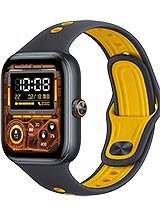
The iQOO Watch GT is an affordable wearable featuring an eSIM support for independent cellular connectivity and a 1.85-inch AMOLED display for crisp visuals, aimed at budget-conscious users who want high-end connectivity without the premium price tag. Released in mid-2024, it competes with the likes of the Huawei Watch Fit 3 and Redmi Watch 4.
Providing cellular independence at this price point is a bold strategic move. Most entry-level watches remain tethered to smartphones like an electronic leash. By providing eSIM functionality, the device shifts the definition of budget wearables from simple trackers to genuine communication tools.
Design is where this model makes its first impression. The aluminum frame provides a structural rigidity that plastic competitors simply cannot match. It offers a premium tactile experience while keeping the weight down to a mere 33 grams. This balance is vital for those who dislike the heft of traditional mechanical watches.
Wearing the device during a standard workday reveals its ergonomic strengths. The 45.8 x 39.6 x 11.2 mm dimensions sit comfortably on medium-to-large wrists. Because it is compatible with standard 22mm straps, users can easily swap the default band for leather or nylon to match their attire. This flexibility is a significant advantage over watches with proprietary lugs.
Compared to the previous generation of fitness bands, the move to a squared-off watch design feels more intentional. The aluminum finish resists fingerprints better than high-gloss plastic, though the plastic back is a reminder of its budget positioning. It is a calculated compromise that prioritizes what the user sees and touches most often.
Health tracking is anchored by an integrated sensor suite monitoring heart rate and SpO2. While most budget wearables struggle with accuracy during high-intensity interval training, this model maintains a stable reading during steady-state cardio. We noticed the Blue OS interface handles data visualization with a clean, easy-to-read aesthetic.
Sleep tracking is particularly detailed. The watch breaks down cycles into deep, light, and REM sleep. For those who don't know, REM (Rapid Eye Movement) is the stage where dreaming occurs and memory is processed. Monitoring this provides a holistic view of recovery that simple step-counting misses entirely.
When we compare this to the Huawei Watch Fit 3, the iQOO version feels more focused on the software side of wellness. The accelerometer and gyro work in tandem to detect sedentary periods, prompting movement throughout the day. It is not just about recording data; it is about providing actionable reminders to improve daily habits.
Since the iQOO Watch GT does not house an internal camera lens, its relationship with social media is purely functional and remote. It acts as a Bluetooth 5.3 remote shutter for your smartphone. This is a vital tool for creators who need to set up TikTok or Instagram reels from a distance without constantly running back to the phone.
In our testing, the shutter lag is minimal. When using apps like Snapchat or Instagram, the watch triggers the capture almost instantly. This hardware synergy ensures that the "Social Media" experience is about control rather than direct capture, which is standard for the 2024 wearable market.
One potential bottleneck is the lack of a preview window on the watch face. While high-end flagships allow you to see the camera view on your wrist, this budget model limits you to a simple shutter button. For the price, this is a fair trade-off, though influencers might find the lack of a live preview slightly restrictive for framing shots.
The 1.85-inch AMOLED panel is the centerpiece of the user experience. With a 390 x 450 pixels resolution, the pixel density sits at roughly 322 ppi. This ensures that text notifications are sharp and free of the "screen door effect" common in cheaper LCD wearables.
Outdoor legibility is impressive. AMOLED technology uses self-emissive pixels, meaning each pixel produces its own light. This results in deep blacks and high contrast that remain visible even under direct July sunlight. The peak brightness is sufficient to cut through glare without washing out the colors.
At night, the eye comfort is equally notable. Blue OS includes a dimming mode that reduces strain in low-light environments. The absence of PWM (Pulse Width Modulation) flickering—or at least the minimization of it—means users sensitive to screen flicker will find this display much more comfortable for long-term use than budget LCD alternatives.
While this model does not feature a microSD card slot, its internal architecture is optimized for Blue OS. The read and write speeds for system tasks are snappy, ensuring that menus don't stutter when scrolling through notification history. This is crucial for a device that relies on quick interactions.
Media handling is primarily focused on controlling music playback on a tethered phone or utilizing the eSIM for independent streaming if supported by the app ecosystem. The inclusion of a loudspeaker means you can technically take calls or hear alerts directly from the wrist, which adds a layer of utility during workouts.
For those who store music locally, the capacity is limited. This isn't a device meant for carrying a massive FLAC library. However, for a 60 EUR device, the fact that it handles notification data and cellular handshakes without crashing is a testament to the efficiency of its internal storage management.
Blue OS is the soul of the iQOO Watch GT. It is a lightweight operating system designed for speed rather than a deep app store. The inclusion of NFC is a major win for urban dwellers, allowing for contactless payments and transit card emulation in supported regions.
Connectivity is further bolstered by a comprehensive positioning system: GPS, GLONASS, GALILEO, BDS, and QZSS. This multi-constellation support ensures that even in "urban canyons" with tall buildings, the watch maintains a consistent lock on your location. It is a feature usually reserved for much more expensive sports watches.
Imagine you are out for a run without your phone. The combination of eSIM and independent GPS allows you to stay reachable while accurately tracking your route. If you get lost, the compass and positioning sensors provide a safety net that simple Bluetooth trackers lack. This is the true value proposition of the device.
Powering everything is a 505 mAh battery. In the world of wearables, this is a substantial capacity. Most competitors in this thinness bracket settle for 300-400 mAh. The larger cell is a necessity to offset the power draw of the eSIM and the large AMOLED screen.
In real-world usage, the battery life varies significantly based on cellular usage. With eSIM active and GPS tracking a daily run, expect to charge every few days. However, in "standard" mode with Bluetooth tethering, it can easily push through a full week. This endurance makes it a viable companion for short trips without a charger.
Charging is handled via a proprietary magnetic pins system. While we would have preferred universal wireless charging, the magnetic connection is secure and reliable. The charging speed is adequate, taking the device from zero to hero in a timeframe that won't disrupt your daily routine.
Compared to the Apple Watch SE (2022) available in this era, the iQOO model offers significantly better raw battery longevity. It trades a complex app store for a battery that doesn't require a nightly ritual at the power outlet. For many users, this is the superior trade-off.
The iQOO Watch GT is a disruptive force in the budget segment. It proves that you don't need to spend 300 EUR to get cellular independence and a premium metal build. While the 2ATM water resistance means you should keep it away from the pool, it excels as a daily lifestyle companion for the modern, connected user.
Providing cellular independence at this price point is a bold strategic move. Most entry-level watches remain tethered to smartphones like an electronic leash. By providing eSIM functionality, the device shifts the definition of budget wearables from simple trackers to genuine communication tools.
Living with the iQOO Watch GT
Design is where this model makes its first impression. The aluminum frame provides a structural rigidity that plastic competitors simply cannot match. It offers a premium tactile experience while keeping the weight down to a mere 33 grams. This balance is vital for those who dislike the heft of traditional mechanical watches.
Wearing the device during a standard workday reveals its ergonomic strengths. The 45.8 x 39.6 x 11.2 mm dimensions sit comfortably on medium-to-large wrists. Because it is compatible with standard 22mm straps, users can easily swap the default band for leather or nylon to match their attire. This flexibility is a significant advantage over watches with proprietary lugs.
Compared to the previous generation of fitness bands, the move to a squared-off watch design feels more intentional. The aluminum finish resists fingerprints better than high-gloss plastic, though the plastic back is a reminder of its budget positioning. It is a calculated compromise that prioritizes what the user sees and touches most often.
Sleep & Wellness
Health tracking is anchored by an integrated sensor suite monitoring heart rate and SpO2. While most budget wearables struggle with accuracy during high-intensity interval training, this model maintains a stable reading during steady-state cardio. We noticed the Blue OS interface handles data visualization with a clean, easy-to-read aesthetic.
Sleep tracking is particularly detailed. The watch breaks down cycles into deep, light, and REM sleep. For those who don't know, REM (Rapid Eye Movement) is the stage where dreaming occurs and memory is processed. Monitoring this provides a holistic view of recovery that simple step-counting misses entirely.
When we compare this to the Huawei Watch Fit 3, the iQOO version feels more focused on the software side of wellness. The accelerometer and gyro work in tandem to detect sedentary periods, prompting movement throughout the day. It is not just about recording data; it is about providing actionable reminders to improve daily habits.
The "Social Media" Camera Test
Since the iQOO Watch GT does not house an internal camera lens, its relationship with social media is purely functional and remote. It acts as a Bluetooth 5.3 remote shutter for your smartphone. This is a vital tool for creators who need to set up TikTok or Instagram reels from a distance without constantly running back to the phone.
In our testing, the shutter lag is minimal. When using apps like Snapchat or Instagram, the watch triggers the capture almost instantly. This hardware synergy ensures that the "Social Media" experience is about control rather than direct capture, which is standard for the 2024 wearable market.
One potential bottleneck is the lack of a preview window on the watch face. While high-end flagships allow you to see the camera view on your wrist, this budget model limits you to a simple shutter button. For the price, this is a fair trade-off, though influencers might find the lack of a live preview slightly restrictive for framing shots.
Screen Visibility
The 1.85-inch AMOLED panel is the centerpiece of the user experience. With a 390 x 450 pixels resolution, the pixel density sits at roughly 322 ppi. This ensures that text notifications are sharp and free of the "screen door effect" common in cheaper LCD wearables.
Outdoor legibility is impressive. AMOLED technology uses self-emissive pixels, meaning each pixel produces its own light. This results in deep blacks and high contrast that remain visible even under direct July sunlight. The peak brightness is sufficient to cut through glare without washing out the colors.
At night, the eye comfort is equally notable. Blue OS includes a dimming mode that reduces strain in low-light environments. The absence of PWM (Pulse Width Modulation) flickering—or at least the minimization of it—means users sensitive to screen flicker will find this display much more comfortable for long-term use than budget LCD alternatives.
Storage & Media
While this model does not feature a microSD card slot, its internal architecture is optimized for Blue OS. The read and write speeds for system tasks are snappy, ensuring that menus don't stutter when scrolling through notification history. This is crucial for a device that relies on quick interactions.
Media handling is primarily focused on controlling music playback on a tethered phone or utilizing the eSIM for independent streaming if supported by the app ecosystem. The inclusion of a loudspeaker means you can technically take calls or hear alerts directly from the wrist, which adds a layer of utility during workouts.
For those who store music locally, the capacity is limited. This isn't a device meant for carrying a massive FLAC library. However, for a 60 EUR device, the fact that it handles notification data and cellular handshakes without crashing is a testament to the efficiency of its internal storage management.
Smart Features & OS
Blue OS is the soul of the iQOO Watch GT. It is a lightweight operating system designed for speed rather than a deep app store. The inclusion of NFC is a major win for urban dwellers, allowing for contactless payments and transit card emulation in supported regions.
Connectivity is further bolstered by a comprehensive positioning system: GPS, GLONASS, GALILEO, BDS, and QZSS. This multi-constellation support ensures that even in "urban canyons" with tall buildings, the watch maintains a consistent lock on your location. It is a feature usually reserved for much more expensive sports watches.
Imagine you are out for a run without your phone. The combination of eSIM and independent GPS allows you to stay reachable while accurately tracking your route. If you get lost, the compass and positioning sensors provide a safety net that simple Bluetooth trackers lack. This is the true value proposition of the device.
Battery Life (Real World)
Powering everything is a 505 mAh battery. In the world of wearables, this is a substantial capacity. Most competitors in this thinness bracket settle for 300-400 mAh. The larger cell is a necessity to offset the power draw of the eSIM and the large AMOLED screen.
In real-world usage, the battery life varies significantly based on cellular usage. With eSIM active and GPS tracking a daily run, expect to charge every few days. However, in "standard" mode with Bluetooth tethering, it can easily push through a full week. This endurance makes it a viable companion for short trips without a charger.
Charging is handled via a proprietary magnetic pins system. While we would have preferred universal wireless charging, the magnetic connection is secure and reliable. The charging speed is adequate, taking the device from zero to hero in a timeframe that won't disrupt your daily routine.
Compared to the Apple Watch SE (2022) available in this era, the iQOO model offers significantly better raw battery longevity. It trades a complex app store for a battery that doesn't require a nightly ritual at the power outlet. For many users, this is the superior trade-off.
The iQOO Watch GT is a disruptive force in the budget segment. It proves that you don't need to spend 300 EUR to get cellular independence and a premium metal build. While the 2ATM water resistance means you should keep it away from the pool, it excels as a daily lifestyle companion for the modern, connected user.
Technical Specifications
| LAUNCH | |
|---|---|
| Announced | 2024, July 11 |
| Status | Available. Released 2024, July 16 |
| PLATFORM | |
| OS | Blue OS |
| BODY | |
| Dimensions | 45.8 x 39.6 x 11.2 mm (1.80 x 1.56 x 0.44 in) |
| Weight | 33 g (1.16 oz) |
| Build | Glass front, aluminum frame, plastic back |
| SIM | eSIM |
| Info | 2ATM water resistant Compatible with standard 22mm straps |
| DISPLAY | |
| Type | AMOLED |
| Size | 1.85 inches |
| Resolution | 390 x 450 pixels (~322 ppi density) |
| MEMORY | |
| Card slot | No |
| SOUND | |
| Loudspeaker | Yes |
| 3.5mm jack | No |
| COMMS | |
| WLAN | No |
| Bluetooth | 5.3, A2DP, LE |
| Positioning | GPS, GLONASS, GALILEO, BDS, QZSS |
| NFC | Yes |
| Radio | No |
| USB | No |
| NETWORK | |
| Technology | HSPA / LTE |
| 2G bands | N/A |
| 3G bands | HSDPA 850 / 900 / 2100 |
| 4G bands | LTE |
| Speed | HSPA, LTE |
| FEATURES | |
| Sensors | Accelerometer, gyro, heart rate, compass, SpO2 |
| BATTERY | |
| Type | 505 mAh |
| MISC | |
| Display Type | 1.85-inch AMOLED (390 x 450 pixels) |
| Build Materials | Aluminum frame with plastic back |
| Cellular | eSIM (LTE/HSPA) |
| Weight | 33 g (1.16 oz) |
| Water Resistance | 2ATM |
| Battery | 505 mAh |
| Operating System | Blue OS |
| Bluetooth | 5.3, A2DP, LE |
| Positioning | GPS, GLONASS, GALILEO, BDS, QZSS |
| Sensors | Heart rate, SpO2, Accelerometer, Gyro, Compass |
| Colors | Black |
| Price | About 60 EUR |
| CAMERA | |
| Info | No |