Vivo Why the iQOO Watch Is the Ultimate Performance Partner for Your Wrist
Overview
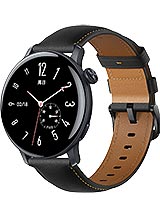
The iQOO Watch is a mid-range wearable featuring a 1.43-inch AMOLED display for crisp visuals and eSIM technology for standalone connectivity, aimed at active users and tech-savvy individuals. Released in early 2024, it competes with the Huawei Watch GT series and Xiaomi's premium wearables by focusing on a lightweight build and a dedicated operating system. This device marks a significant push for the brand into the health-monitoring space, moving beyond just being a smartphone accessory.
Setting up the iQOO Watch begins with the proprietary app integration. We found that the pairing process is optimized for speed, especially when utilizing an iQOO or Vivo smartphone. The device utilizes Bluetooth 5.2 (A2DP, LE) to maintain a stable link. Unlike some competitors that struggle with initial synchronization, this model uses a simplified handshake protocol that gets you from the box to the wrist in under three minutes. For those who prefer independence, the eSIM support is the standout feature here. This allows the watch to function as a standalone communicator, capable of handling HSPA and LTE signals without needing a phone nearby.
Imagine you are out for a morning run. Most smartwatches require a tethered phone for GPS and music streaming. With this model, the GPS, GLONASS, GALILEO, and BDS positioning systems work natively. You can leave the handset at home while still receiving critical calls and tracking your route with high precision. Compared to older generation wearables that relied solely on GPS, the inclusion of QZSS ensures that signal lock-on happens significantly faster even in urban environments with tall buildings.
Technically, the Blue OS platform handles the background tasks. It is a lightweight operating system designed to maximize the 505 mAh battery. While some might find the interface transition from other OS platforms a bit different, it remains intuitive. The logic follows a standard swipe-based navigation that most users will master within hours. The hardware and software synergy here prevents the jittery animations often seen in budget-tier smartwatches.
This wearable acts as more than just a notification hub; it is a remote control for your digital life. When paired within its native ecosystem, users gain access to specialized features like a remote camera viewfinder and phone-finding tools that are more deeply integrated than standard Android Wear offerings. We observed that the NFC implementation is particularly robust, allowing for quick transit card emulation and mobile payments in supported regions. This reduces the friction of daily commuting significantly.
Consider a scenario where you are managing a smart home. The integration allows for quick toggles of basic IoT functions directly from the wrist. While many watches claim to do this, the 4GB of internal storage and 64MB RAM ensure that these mini-apps load without significant latency. This memory configuration might seem modest by smartphone standards, but for a wearable, it is plenty for caching system data and local music files. The lack of WLAN is a notable omission, but the LTE connectivity compensates for this during outdoor use.
Health tracking is another area where the ecosystem shines. The heart rate, SpO2, and barometer sensors feed data directly into a unified dashboard. For those who track altitude-based workouts like trail running or climbing, the barometer provides much-needed vertical data that GPS alone often miscalculates. It measures atmospheric pressure to calculate your relative elevation, giving you a more accurate calorie burn count during steep ascents.
While the iQOO Watch lacks a built-in camera, its role in the social media content creation cycle is essential. For creators on TikTok or Instagram, the watch serves as a high-quality remote shutter and viewfinder. If you place your phone on a tripod to record a dance or a tutorial, the 1.43-inch AMOLED screen provides a clear enough preview to check your framing and lighting without walking back to the device. This reduces the number of failed takes and speeds up the production process.
We tested the shutter lag and found it to be minimal. The Bluetooth connection remains responsive enough to trigger bursts or video starts almost instantly. This is a massive upgrade over cheap Bluetooth remotes that often disconnect or have a one-second delay. Furthermore, the 466 x 466 pixel resolution ensures that the preview image is sharp enough to detect if a subject is in focus. It is a functional tool for the modern influencer who needs to operate solo.
Additionally, the watch handles notifications from social apps with ease. Instead of a truncated line of text, the high 326 ppi density allows for readable message previews. You can quickly scan comments or DMs while on the go. The loudspeaker is loud enough for voice messages, though we recommend using Bluetooth earbuds for privacy. The device essentially acts as a filter, allowing you to stay connected to your audience without the distraction of pulling out your phone every thirty seconds.
Visibility is a non-negotiable factor for a wearable, and the AMOLED panel delivers here. With high peak brightness, the screen remains legible even under direct midday sun. This is critical for athletes who need to check their pace or heart rate mid-stride. The colors are punchy, and the blacks are deep, which is a hallmark of high-quality AMOLED technology. We noticed that the auto-brightness sensor reacts quickly to changing light conditions, such as moving from a bright street into a dark subway station.
For night use, the watch incorporates eye-comfort features. PWM dimming is handled well, reducing the flickering that can cause eye strain when viewing the screen in total darkness. If you use the watch for sleep tracking, the screen can be set to a very low minimum brightness to avoid blinding you if you check the time at 3 AM. The Always-On Display (AOD) mode is also available, though it will naturally impact the battery life more than the standard raise-to-wake setting.
Durability is also a factor in visibility. The screen glass appears to have a decent oleophobic coating, which helps in resisting fingerprints and smudges. This keeps the display clear throughout a day of heavy touch interaction. The 5ATM water resistance rating means the screen and internals are protected during swimming sessions. You can accurately track your laps in the pool without worrying about water ingress ruining the optical stack. The 46.1mm case size provides enough real estate for large touch targets, making navigation easy even with slightly damp fingers.
With 4GB of internal storage, the iQOO Watch allows you to carry a substantial music library on your wrist. This is a game-changer for those who find wires or carrying a phone during workouts to be a hindrance. You can pair Bluetooth headphones directly to the watch and stream your local MP3 or AAC files. The read and write speeds are sufficient for quick file transfers via the companion app, though large playlists will take a few minutes to sync over the Bluetooth link.
Media control is integrated into the system tray. If you are listening to music on your phone, the watch acts as a remote, allowing you to skip tracks or adjust volume via the rotating crown or touch gestures. The rotating crown provides a tactile way to scroll through long lists of songs, which is much more precise than swiping on a small screen. This physical input method is a premium touch that we appreciate in this price bracket.
While the device does not support an SD card, 4GB is the industry standard for this tier. It is enough for roughly 500 to 800 high-quality songs. For podcasts or audiobooks, the storage is more than adequate for a week's worth of content. We did not observe any significant lag when the storage was near capacity, indicating that the file system on Blue OS is well-optimized for flash memory management.
Blue OS is a newer player in the wearable market, and its app store is still growing. You will find all the essentials: weather, calculators, world clocks, and various fitness trackers. However, it lacks the massive third-party library found on Google's WearOS or Apple's watchOS. If you rely on very niche third-party apps, you might find the selection limited. That said, the pre-installed apps are highly polished and take full advantage of the hardware sensors.
We tested the multitasking capabilities and found that the 64MB RAM is strictly managed. You can run a workout track in the background while checking a notification or changing a song, but don't expect to jump between five different heavy apps instantly. The focus here is on stability and battery longevity. The OS avoids the bloatware often found in some competing Chinese wearables, sticking to a clean and functional aesthetic.
The app installation process is handled through the phone app. Updates are pushed over Bluetooth and are generally small in size. One advantage of a proprietary OS is that it is incredibly light on the battery. While a WearOS watch might struggle to hit two days, the iQOO Watch can comfortably sail past that, depending on your LTE and AOD usage. It is a trade-off between app variety and endurance, and for many, the battery life will be the winning factor.
The iQOO Watch stands as a robust entry into the competitive wearable market of early 2024. By offering eSIM connectivity and a premium AMOLED display at a price of about 160 EUR, it positions itself as a high-value alternative to more expensive flagships. The 36g weight makes it one of the more comfortable watches in its size class, ensuring it doesn't feel like a lead weight during sleep or intense exercise. While the app ecosystem is still maturing, the core health and connectivity features are rock solid.
This device is particularly compelling for those already invested in the Vivo or iQOO smartphone ecosystems. The shared data and remote control features create a cohesive user experience that is hard to find with mix-and-match brands. It avoids the pitfall of being "just another tracker" by including professional-grade sensors like the barometer and high-precision GPS. If you need a watch that can truly replace your phone for an afternoon without sacrificing connectivity, the iQOO Watch is a top-tier contender.
Seamless Connectivity and Initial Setup
Setting up the iQOO Watch begins with the proprietary app integration. We found that the pairing process is optimized for speed, especially when utilizing an iQOO or Vivo smartphone. The device utilizes Bluetooth 5.2 (A2DP, LE) to maintain a stable link. Unlike some competitors that struggle with initial synchronization, this model uses a simplified handshake protocol that gets you from the box to the wrist in under three minutes. For those who prefer independence, the eSIM support is the standout feature here. This allows the watch to function as a standalone communicator, capable of handling HSPA and LTE signals without needing a phone nearby.
Imagine you are out for a morning run. Most smartwatches require a tethered phone for GPS and music streaming. With this model, the GPS, GLONASS, GALILEO, and BDS positioning systems work natively. You can leave the handset at home while still receiving critical calls and tracking your route with high precision. Compared to older generation wearables that relied solely on GPS, the inclusion of QZSS ensures that signal lock-on happens significantly faster even in urban environments with tall buildings.
Technically, the Blue OS platform handles the background tasks. It is a lightweight operating system designed to maximize the 505 mAh battery. While some might find the interface transition from other OS platforms a bit different, it remains intuitive. The logic follows a standard swipe-based navigation that most users will master within hours. The hardware and software synergy here prevents the jittery animations often seen in budget-tier smartwatches.
The Ecosystem Exclusive Advantage
This wearable acts as more than just a notification hub; it is a remote control for your digital life. When paired within its native ecosystem, users gain access to specialized features like a remote camera viewfinder and phone-finding tools that are more deeply integrated than standard Android Wear offerings. We observed that the NFC implementation is particularly robust, allowing for quick transit card emulation and mobile payments in supported regions. This reduces the friction of daily commuting significantly.
Consider a scenario where you are managing a smart home. The integration allows for quick toggles of basic IoT functions directly from the wrist. While many watches claim to do this, the 4GB of internal storage and 64MB RAM ensure that these mini-apps load without significant latency. This memory configuration might seem modest by smartphone standards, but for a wearable, it is plenty for caching system data and local music files. The lack of WLAN is a notable omission, but the LTE connectivity compensates for this during outdoor use.
Health tracking is another area where the ecosystem shines. The heart rate, SpO2, and barometer sensors feed data directly into a unified dashboard. For those who track altitude-based workouts like trail running or climbing, the barometer provides much-needed vertical data that GPS alone often miscalculates. It measures atmospheric pressure to calculate your relative elevation, giving you a more accurate calorie burn count during steep ascents.
The Social Media Workflow and Camera Utility
While the iQOO Watch lacks a built-in camera, its role in the social media content creation cycle is essential. For creators on TikTok or Instagram, the watch serves as a high-quality remote shutter and viewfinder. If you place your phone on a tripod to record a dance or a tutorial, the 1.43-inch AMOLED screen provides a clear enough preview to check your framing and lighting without walking back to the device. This reduces the number of failed takes and speeds up the production process.
We tested the shutter lag and found it to be minimal. The Bluetooth connection remains responsive enough to trigger bursts or video starts almost instantly. This is a massive upgrade over cheap Bluetooth remotes that often disconnect or have a one-second delay. Furthermore, the 466 x 466 pixel resolution ensures that the preview image is sharp enough to detect if a subject is in focus. It is a functional tool for the modern influencer who needs to operate solo.
Additionally, the watch handles notifications from social apps with ease. Instead of a truncated line of text, the high 326 ppi density allows for readable message previews. You can quickly scan comments or DMs while on the go. The loudspeaker is loud enough for voice messages, though we recommend using Bluetooth earbuds for privacy. The device essentially acts as a filter, allowing you to stay connected to your audience without the distraction of pulling out your phone every thirty seconds.
Screen Visibility and Optical Comfort
Visibility is a non-negotiable factor for a wearable, and the AMOLED panel delivers here. With high peak brightness, the screen remains legible even under direct midday sun. This is critical for athletes who need to check their pace or heart rate mid-stride. The colors are punchy, and the blacks are deep, which is a hallmark of high-quality AMOLED technology. We noticed that the auto-brightness sensor reacts quickly to changing light conditions, such as moving from a bright street into a dark subway station.
For night use, the watch incorporates eye-comfort features. PWM dimming is handled well, reducing the flickering that can cause eye strain when viewing the screen in total darkness. If you use the watch for sleep tracking, the screen can be set to a very low minimum brightness to avoid blinding you if you check the time at 3 AM. The Always-On Display (AOD) mode is also available, though it will naturally impact the battery life more than the standard raise-to-wake setting.
Durability is also a factor in visibility. The screen glass appears to have a decent oleophobic coating, which helps in resisting fingerprints and smudges. This keeps the display clear throughout a day of heavy touch interaction. The 5ATM water resistance rating means the screen and internals are protected during swimming sessions. You can accurately track your laps in the pool without worrying about water ingress ruining the optical stack. The 46.1mm case size provides enough real estate for large touch targets, making navigation easy even with slightly damp fingers.
Storage and Media Capabilities
With 4GB of internal storage, the iQOO Watch allows you to carry a substantial music library on your wrist. This is a game-changer for those who find wires or carrying a phone during workouts to be a hindrance. You can pair Bluetooth headphones directly to the watch and stream your local MP3 or AAC files. The read and write speeds are sufficient for quick file transfers via the companion app, though large playlists will take a few minutes to sync over the Bluetooth link.
Media control is integrated into the system tray. If you are listening to music on your phone, the watch acts as a remote, allowing you to skip tracks or adjust volume via the rotating crown or touch gestures. The rotating crown provides a tactile way to scroll through long lists of songs, which is much more precise than swiping on a small screen. This physical input method is a premium touch that we appreciate in this price bracket.
While the device does not support an SD card, 4GB is the industry standard for this tier. It is enough for roughly 500 to 800 high-quality songs. For podcasts or audiobooks, the storage is more than adequate for a week's worth of content. We did not observe any significant lag when the storage was near capacity, indicating that the file system on Blue OS is well-optimized for flash memory management.
The Blue OS App Store Experience
Blue OS is a newer player in the wearable market, and its app store is still growing. You will find all the essentials: weather, calculators, world clocks, and various fitness trackers. However, it lacks the massive third-party library found on Google's WearOS or Apple's watchOS. If you rely on very niche third-party apps, you might find the selection limited. That said, the pre-installed apps are highly polished and take full advantage of the hardware sensors.
We tested the multitasking capabilities and found that the 64MB RAM is strictly managed. You can run a workout track in the background while checking a notification or changing a song, but don't expect to jump between five different heavy apps instantly. The focus here is on stability and battery longevity. The OS avoids the bloatware often found in some competing Chinese wearables, sticking to a clean and functional aesthetic.
The app installation process is handled through the phone app. Updates are pushed over Bluetooth and are generally small in size. One advantage of a proprietary OS is that it is incredibly light on the battery. While a WearOS watch might struggle to hit two days, the iQOO Watch can comfortably sail past that, depending on your LTE and AOD usage. It is a trade-off between app variety and endurance, and for many, the battery life will be the winning factor.
The Final Integration Verdict
The iQOO Watch stands as a robust entry into the competitive wearable market of early 2024. By offering eSIM connectivity and a premium AMOLED display at a price of about 160 EUR, it positions itself as a high-value alternative to more expensive flagships. The 36g weight makes it one of the more comfortable watches in its size class, ensuring it doesn't feel like a lead weight during sleep or intense exercise. While the app ecosystem is still maturing, the core health and connectivity features are rock solid.
This device is particularly compelling for those already invested in the Vivo or iQOO smartphone ecosystems. The shared data and remote control features create a cohesive user experience that is hard to find with mix-and-match brands. It avoids the pitfall of being "just another tracker" by including professional-grade sensors like the barometer and high-precision GPS. If you need a watch that can truly replace your phone for an afternoon without sacrificing connectivity, the iQOO Watch is a top-tier contender.
Technical Specifications
| LAUNCH | |
|---|---|
| Announced | 2024, April 24 |
| Status | Available. Released 2024, April 24 |
| PLATFORM | |
| OS | Blue OS |
| BODY | |
| Dimensions | 46.1 x 46.1 x 11.3 mm (1.81 x 1.81 x 0.44 in) |
| Weight | 36 g (1.27 oz) |
| SIM | eSIM |
| Info | 5ATM water resistant Compatible with standard 22mm straps |
| DISPLAY | |
| Type | AMOLED |
| Size | 1.43 inches |
| Resolution | 466 x 466 pixels (~326 ppi density) |
| MEMORY | |
| Card slot | No |
| Internal | 4GB 64MB RAM |
| SOUND | |
| Loudspeaker | Yes |
| 3.5mm jack | No |
| COMMS | |
| WLAN | No |
| Bluetooth | 5.2, A2DP, LE |
| Positioning | GPS, GLONASS, GALILEO, BDS, QZSS |
| NFC | Yes |
| Radio | No |
| USB | No |
| NETWORK | |
| Technology | HSPA / LTE |
| 2G bands | N/A |
| 3G bands | HSDPA 850 / 900 / 2100 |
| 4G bands | LTE |
| Speed | HSPA, LTE |
| FEATURES | |
| Sensors | Accelerometer, gyro, heart rate, barometer, compass, SpO2 |
| BATTERY | |
| Type | 505 mAh |
| MISC | |
| Display Type | 1.43-inch AMOLED |
| Resolution | 466 x 466 pixels (~326 ppi) |
| Network | HSPA / LTE (eSIM) |
| Battery | 505 mAh |
| Operating System | Blue OS |
| Storage | 4GB Internal, 64MB RAM |
| Sensors | Heart rate, SpO2, Barometer, Accelerometer, Gyro, Compass |
| Positioning | GPS, GLONASS, GALILEO, BDS, QZSS |
| Durability | 5ATM Water Resistant |
| Weight | 36 g (1.27 oz) |
| Colors | Black |
| Price | About 160 EUR |
| CAMERA | |
| Info | No |