Why Content Creators Should Switch to the Infinix Zero 30
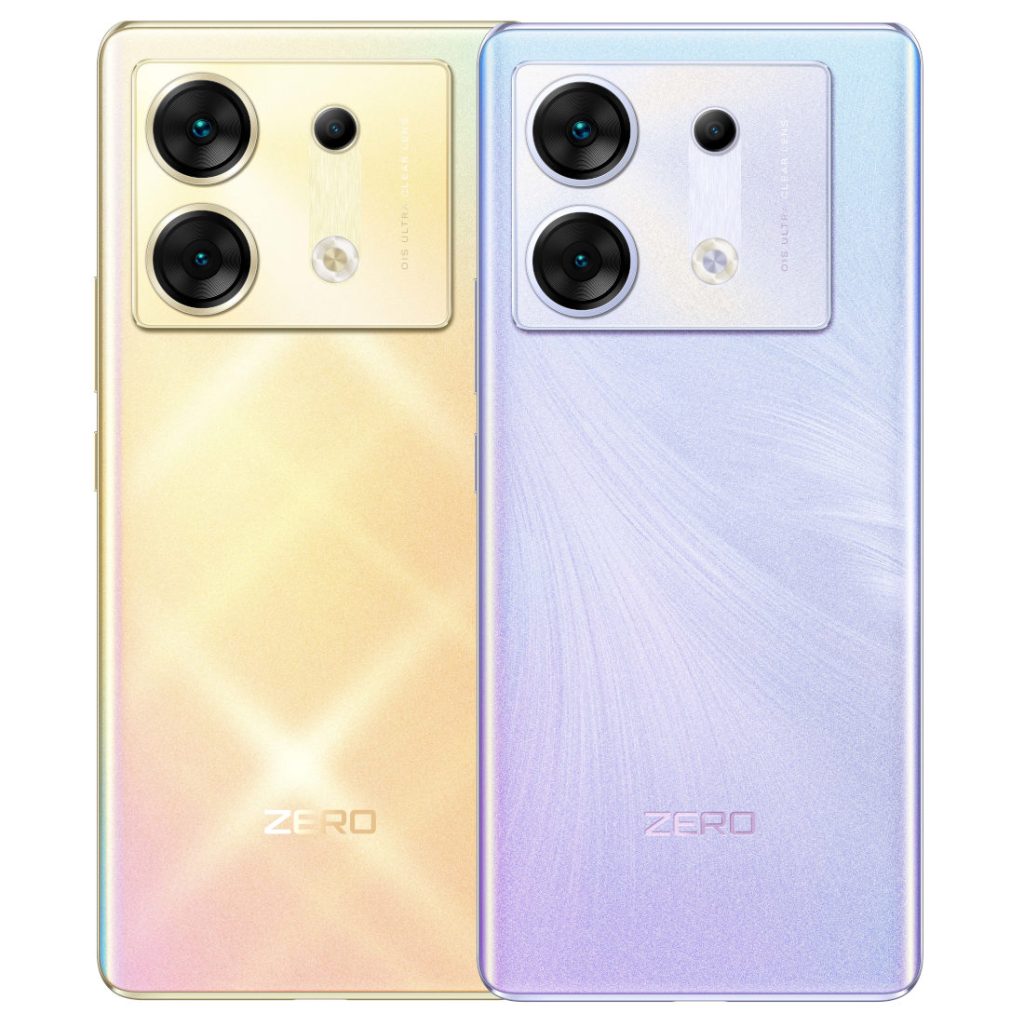
Overview
Front-Facing Revolution: The 4K60 Standard
Infinix Zero 30 is a mid-range smartphone featuring a 50 MP front camera with 4K@60fps recording and a 144Hz AMOLED display, aimed at vloggers and mobile videographers. Released in September 2023, it enters a market where competitors often neglect the selfie camera, offering a specific tool for the social media generation that prioritizes high-resolution front-facing content.
Our evaluation focuses on how this hardware translates to a viable professional workflow. Most devices in this price bracket limit front-facing video to 1080p, which looks dated on modern platforms. The 50 MP sensor utilizes Phase Detection Autofocus (PDAF), ensuring that the subject remains sharp even when moving within the frame. This is a significant departure from the fixed-focus lenses found in most mid-range handsets.
When recording at 4K at 60 frames per second, the bitrate remains high enough to preserve skin textures and environmental details. For those who create high-energy content, the 60fps capability allows for smooth motion and the flexibility to slow down footage in post-production without losing fluid movement. It is a specific hardware choice that addresses a gap left by brands that focus solely on the rear camera array.
Steady Frames and Crisp Audio
Stability is the silent partner of any good visual project. The handset incorporates a hybrid stabilization system for its video modes. While the 108 MP main camera utilizes Optical Image Stabilization (OIS) to counteract hand shake, the front-facing camera relies on advanced electronic algorithms to keep the horizon level. In our walking tests, the footage remained usable for vlogging without the need for an external gimbal, which is a massive plus for creators who travel light.
Audio quality often ruins a great visual. The dual speakers and built-in microphone array are designed to capture directional sound. We noticed that the software filters out a decent amount of ambient wind noise, though it cannot replace a dedicated lapel mic in heavy gusts. The inclusion of 24-bit/192kHz Hi-Res audio support ensures that when you are monitoring your edits through high-quality headphones, you are hearing the full depth of your recording.
Comparatively, many devices in this segment struggle with audio clipping when the speaker's voice gets too loud. This model seems to have a better-managed gain control, keeping the voice clear even in bustling environments. For a creator, this means less time spent in a digital audio workstation trying to fix distorted tracks.
The First Sixty Minutes: Unboxing Aesthetics
Opening the box reveals a commitment to the premium experience that belies the mid-range price. Along with the handset, the package includes a 68W Super Charger, which is increasingly rare as other manufacturers remove accessories. The Rome Green variant, featuring Eco Leather, provides a tactile grip that prevents the device from sliding off surfaces. This material choice is practical; it hides fingerprints and offers a security in the hand that glass often lacks.
Setup is relatively quick on Android 13 and XOS 13. The initial patch was approximately 600MB, a standard size for a device hitting the shelves in late 2023. We observed that the software skin is lean enough to avoid immediate lag during the background installation of common apps. The system feels responsive from the first interaction, which is critical for those who want to get straight to shooting.
One minor friction point is the pre-installed suite of tools. While some are useful for file management, others might feel redundant for a professional user. However, the system allows for the disabling or removal of most non-essential applications, letting you curate a distraction-free workspace for your creative endeavors.
Curved Glass and Edge Rejection
The 6.78-inch AMOLED display features a 3D curvature that melts into the frame. While curved screens are polarizing, the aesthetic here is undeniable. It gives the device a flagship profile that looks more expensive than it actually is. The 144Hz refresh rate is the star of the navigation experience. Swiping through TikTok or Instagram feels exceptionally fluid, exceeding the 120Hz standard found on many high-end devices.
Gesture navigation is a primary concern with curved panels, as accidental touches can trigger unwanted 'back' commands. In our tests, the palm rejection software worked effectively. Whether we were holding the device in landscape to edit a video or in portrait to respond to comments, the edges remained dormant unless intentionally swiped. This level of polish in the touch interface is essential for a device intended for heavy interaction.
Brightness is another win for the screen. With a 950 nits peak brightness, the panel remains legible under the afternoon sun. For a creator who needs to review footage on location, this visibility is a dealbreaker. You can actually see the colors and exposure levels of your clips without seeking shade, making the workflow much more efficient.
Security Without Friction
Biometrics are handled by an under-display optical fingerprint sensor. The registration process requires about 20 taps to map the finger thoroughly. Once set up, the unlocking speed is nearly instantaneous. This reliability is vital when you need to capture a fleeting moment and can't afford to fumble with a PIN or a slow sensor. The placement is ergonomic, sitting naturally where the thumb rests.
Face recognition is also available via the 50 MP front camera. In well-lit conditions, it is fast and accurate. However, for a visual professional, the fingerprint sensor remains the more secure and versatile option, especially in low-light studios or when wearing a mask. The dual-layered security approach ensures that your data and drafts remain protected while staying accessible.
Timeline Scrubbing: Processing Power for Creators
Under the hood, the MediaTek Dimensity 8020 handles the heavy lifting. This 6nm chipset is optimized for efficiency and sustained performance. When editing 4K video clips in apps like CapCut, the timeline scrubbing is surprisingly smooth. The 12GB of RAM (on the upper trim) allows for multiple browser tabs and social media apps to stay in memory, preventing the dreaded refresh when switching tasks.
We tested the rendering speed for a one-minute 4K project. It completed the task faster than several Snapdragon 7-series equivalents. The UFS 3.1 storage plays a massive role here, providing the fast read/write speeds necessary for handling large video files. If you are a creator who frequently moves files from internal storage to a computer, the USB-C 2.0 interface will be the only bottleneck, as it doesn't support the faster 3.0 or 3.1 transfer speeds.
Thermal management is respectable. During a 30-minute editing session, the back panel became warm but never reached uncomfortable levels. The choice of a plastic frame actually helps in dissipating heat differently than metal, though it lacks the structural rigidity of more expensive materials. For daily content creation, the performance profile is more than adequate.
Chasing the Golden Hour into the Night
The 108 MP main camera uses a 1/1.67-inch sensor that excels in the 'Golden Hour' lighting. The f/1.7 aperture pulls in a significant amount of light, allowing for a natural shallow depth of field in close-up shots. When the sun goes down, the software's Super Night mode kicks in. It combines multiple exposures to bring out details in the shadows without introducing excessive digital noise.
Low-light video on the rear camera is aided by OIS, which allows for slightly longer shutter speeds per frame, resulting in brighter footage. On the front camera, low-light performance is bolstered by a dedicated dual-LED flash hidden in the top bezel. This is a game-changer for night-time vlogging. Instead of the screen-flash method which can wash out skin tones, the physical LEDs provide a more directed and natural light source.
While the 2 MP macro sensor is largely a filler, the 13 MP ultrawide is genuinely useful for architectural shots or group vlogs. It maintains a consistent color profile with the main sensor, which is crucial for maintaining a cohesive look across a single video project. The hardware potential here is vast for anyone willing to learn the manual 'Film' modes included in the software.
Technical Specifications
| LAUNCH | |
|---|---|
| Announced | 2023, September 01 |
| Status | Available. Released 2023, September |
| PLATFORM | |
| OS | Android 13, XOS 13 |
| Chipset | Mediatek Dimensity 8020 (6 nm) |
| CPU | Octa-core (4x2.6 GHz Cortex-A78 & 4x2.0 GHz Cortex-A55) |
| GPU | Mali-G77 MC9 |
| BODY | |
| Dimensions | 164.5 x 75 x 7.9 mm (6.48 x 2.95 x 0.31 in) |
| Weight | 185 g (6.53 oz) |
| Build | Glass front (Gorilla Glass 5), glass back (Gorilla Glass 5) or eco leather back, plastic frame |
| SIM | Nano-SIM + Nano-SIM |
| Info | IP53 dust protected and water resistant (vertical water sprays) |
| DISPLAY | |
| Type | AMOLED, 1B colors, 144Hz, 950 nits (peak) |
| Size | 6.78 inches, 111.0 cm2 (~90.0% screen-to-body ratio) |
| Resolution | 1080 x 2400 pixels, 20:9 ratio (~388 ppi density) |
| Protection | Corning Gorilla Glass 5 |
| MEMORY | |
| Card slot | No |
| Internal | 256GB 8GB RAM, 256GB 12GB RAM |
| Info | UFS 3.1 |
| MAIN CAMERA | |
| Triple | 108 MP, f/1.7, (wide), 1/1.67", PDAF, OIS 13 MP, f/2.2, 120˚ (ultrawide) 2 MP, f/2.4 |
| Features | LED flash, HDR, panorama |
| Video | 4K@30/60fps, 1080p@30/60fps |
| SELFIE CAMERA | |
| Single | 50 MP, f/2.5, (wide), 1/2.76", PDAF |
| Features | LED flash |
| Video | 4K@30/60fps, 1080p@30fps |
| SOUND | |
| Loudspeaker | Yes, with dual speakers |
| 3.5mm jack | No |
| Info | 24-bit/192kHz Hi-Res audio |
| COMMS | |
| WLAN | Wi-Fi 802.11 a/b/g/n/ac/6, dual-band |
| Bluetooth | Yes |
| Positioning | GPS |
| NFC | Yes |
| Radio | FM radio |
| USB | USB Type-C 2.0, OTG |
| NETWORK | |
| Technology | GSM / HSPA / LTE / 5G |
| 2G bands | GSM 850 / 900 / 1800 / 1900 |
| 3G bands | HSDPA 850 / 900 / 1700(AWS) / 1900 / 2100 |
| 4G bands | 1, 2, 3, 4, 5, 7, 8, 12, 20, 28, 38, 40, 41, 66 |
| 5G bands | 1, 3, 5, 7, 8, 12, 20, 28, 38, 40, 41, 66, 77, 78 SA/NSA/Sub6 |
| Speed | HSPA, LTE, 5G |
| FEATURES | |
| Sensors | Fingerprint (under display, optical), accelerometer, gyro, proximity, compass |
| BATTERY | |
| Type | 5000 mAh |
| Charging | 68W wired, 80% in 30 min |
| MISC | |
| Display | 6.78-inch AMOLED, 1B colors, 144Hz, 950 nits peak |
| Processor | MediaTek Dimensity 8020 (6 nm) |
| Main Camera | 108 MP, f/1.7 (wide) with OIS + 13 MP (ultrawide) + 2 MP |
| Selfie Camera | 50 MP, f/2.5, PDAF, 4K@60fps |
| RAM | 8GB / 12GB LPDDR4X |
| Storage | 256GB UFS 3.1 |
| Battery | 5000 mAh with 68W Wired Charging |
| OS | Android 13, XOS 13 |
| Memory | 256GB Internal, 8GB/12GB RAM (UFS 3.1) |
| Build | Gorilla Glass 5 or Eco Leather back, Plastic Frame, IP53 |
| Audio | Dual Speakers, 24-bit/192kHz Hi-Res audio |
| Colors | Rome Green, Golden Hour, Fantasy Purple |
| Models | X6731 |
| OUR TESTS | |
| Performance | AnTuTu: 635016 (v9), 758738 (v10) GeekBench: 2952 (v5), 3122 (v6) GFXBench: 39fps (ES 3.1 onscreen) |
| Display | 764 nits max brightness (measured) |
| Camera | Photo / Video |
| Loudspeaker | -26.6 LUFS (Good) |
| Battery (old) | Endurance rating 102h |