Why Modern Basics Outclass Aging Flagships - The Case for the ZTE Blade A75 4G
Overview
The ZTE Blade A75 4G is a budget-tier smartphone featuring a 6.6-inch 90Hz display for smoother visual navigation and a 50MP main camera for high-resolution photography, aimed at value-conscious consumers who prioritize new hardware over the risks of the second-hand market. Released in July 2024, it enters a crowded field where it must justify its existence against both entry-level rivals and the tempting allure of three-year-old flagships. The logic here is simple: utility per dollar.
Many consumers face a crossroads: do we buy a brand-new ZTE Blade A75 4G or hunt for a refurbished flagship from 2021? While a used iPhone 12 or Galaxy S21 might offer superior raw power, the hidden costs of aging lithium-ion batteries and the lack of a warranty often negate the performance gains. Choosing this model provides a fresh 5000 mAh battery and modern software support that aging premiums can no longer guarantee. The shift from high-end complexity to budget-tier reliability is the smartest move for those managing tight monthly budgets in 2024.
We must consider the 'Total Cost of Ownership'. A used flagship often requires an immediate battery replacement or screen repair within six months. This handset arrives with a full manufacturer warranty and a charger in the box—a rarity that saves the consumer another 20 to 30 Euros. For the price of a cracked-screen premium, users get a pristine device with eMMC 5.1 storage and a modern Type-C interface. The economic choice is clear.
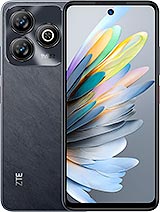
With dimensions of 164.1 x 75.8 x 8.6 mm, the device presents a substantial footprint. The weight of 189 g suggests a solid build that doesn't feel like a hollow plastic toy, despite the cost-saving materials used. The design language, available in Basalt Black, Aqua Green, and Marble White, mimics the aesthetics of more expensive glass-backed units. The plastic frame is a pragmatic choice; it absorbs impacts better than glass, reducing the likelihood of catastrophic failure during a drop.
We find the side-mounted fingerprint sensor to be an excellent ergonomic choice. In this price bracket, under-display sensors are usually slow and prone to failure. By integrating the biometric scanner into the power button, the manufacturer ensures a physical reference point that works consistently. The inclusion of a 3.5mm headphone jack further cements its status as a tool for the practical user who hasn't yet transitioned to expensive wireless earbuds.
Unboxing this model reveals a refreshingly complete package. Setup friction is minimal, though users should expect a significant initial update given the July 2024 release date. The Android 13 environment is familiar, but the 4GB RAM means that the initial indexing of apps and photos will take longer than on a mid-range device. We suggest skipping the 'import all' option from previous phones to keep the Unisoc T606 chipset from clogging up during the first hour of use.
Pre-installed bloatware is a standard reality in the sub-120 Euro market. Each pre-installed app represents a subsidy that keeps the retail price low. Users should spend 10 minutes uninstalling unused games and tools to free up the 128GB or 256GB internal storage. This simple maintenance step significantly improves the long-term responsiveness of the system.
The 90Hz refresh rate on the IPS LCD panel is the star of the show here. While the 720 x 1612 resolution results in a pixel density of ~267 ppi, the higher refresh rate masks some of the graininess during motion. Scrolling through social media feeds or system menus feels significantly more fluid than on the 60Hz panels found on older budget models. The panel choice reflects a prioritization of 'feel' over raw pixel count.
Touch rejection on the edges is surprisingly competent. The flat display avoids the accidental touches common with curved panels. Gestures for 'Back' and 'Home' require a deliberate swipe, which is preferable for the target demographic. The screen-to-body ratio of ~84.1% is respectable, providing enough chin for a comfortable grip while watching 1080p@30fps video content.
The side-mounted fingerprint sensor is the primary line of defense. It handles authentication with a tactical snap that is often missing from software-based face unlock. Speaking of which, the 8 MP selfie camera does support face recognition, but it relies purely on 2D image matching. For banking and secure apps, we strongly recommend sticking to the fingerprint scanner or a strong PIN.
Fingerprint registration is straightforward. We recommend registering the same finger twice to improve the accuracy of the Unisoc T606's processing of the biometric data. This 'hack' reduces the failed-read rate significantly during cold mornings or when hands are slightly damp. It is these small optimizations that make a 110 Euro phone feel like a 200 Euro one.
Inside, the Unisoc T606 handles the heavy lifting. This 12nm SoC features an octa-core configuration: 2x1.6 GHz Cortex-A75 for performance and 6x1.6 GHz Cortex-A55 for efficiency. It is not a gaming powerhouse. However, it manages daily tasks like WhatsApp, Gmail, and light web browsing without the stuttering that plagued older quad-core budget chips. The Mali-G57 MP1 GPU provides just enough power for casual titles like Subway Surfers or Candy Crush.
The use of eMMC 5.1 storage instead of UFS is the main bottleneck. App installation times and large file transfers will be slower. Imagine waiting an extra five seconds for a heavy application like Google Maps to load—that is the trade-off for the price point. But for the person who isn't 'app-switching' every thirty seconds, this is a negligible inconvenience.
The 5000 mAh battery is the anchor of the device. Given the low-power 720p screen and the efficient A55 cores, this handset easily clears two days of moderate use. In an era where flagship users are hunting for chargers by 6:00 PM, the endurance here is a massive tactical advantage. You aren't just buying a phone; you're buying freedom from the wall outlet.
Charging at 22.5W wired is a middle-ground solution. It isn't 'fast' by modern flagship standards, but it is faster than the 10W or 15W charging usually found in the ultra-budget category. A full charge will take roughly 90 to 110 minutes. For the best battery health, we recommend charging between 20% and 80%, though the robust nature of these cells means they can handle a full overnight charge without immediate degradation.
The ZTE Blade A75 4G is a masterclass in compromise. It cuts the right corners—opting for a 720p screen and plastic build—to deliver the things that actually matter for a budget user: battery life, a smooth 90Hz interface, and a massive 256GB storage option. It isn't trying to be a pocket cinema; it's trying to be a reliable digital companion.
Compared to the [Samsung Galaxy A05](/the-ultimate-hand-me-down-champion-why-the-samsung-galaxy-a05-wins-for-families/) or the Redmi A3 available in July 2024, this model offers a more compelling storage-to-price ratio. It effectively kills the argument for buying a used, beat-up flagship. Why settle for someone else's problems when you can have a fresh, warrantied device that does 95% of what the average person needs? The ZTE Blade A75 4G is the logical choice for the smart economist.
Buy this if: You need 128GB+ storage on a strict budget, you value battery life over gaming performance, or you want a brand-new device with a warranty instead of a used flagship risk. Skip this if: You play heavy 3D games like Genshin Impact, you require 4K video recording, or you cannot stand a 720p resolution screen. Wait for a price drop if: It is currently priced above 130 EUR, as competition from the Redmi Note series becomes too strong at that level. The Bottom Line: The ZTE Blade A75 4G is the definitive choice for those who need maximum storage and battery endurance without crossing the 120 Euro threshold.
The New vs Used Dilemma
Many consumers face a crossroads: do we buy a brand-new ZTE Blade A75 4G or hunt for a refurbished flagship from 2021? While a used iPhone 12 or Galaxy S21 might offer superior raw power, the hidden costs of aging lithium-ion batteries and the lack of a warranty often negate the performance gains. Choosing this model provides a fresh 5000 mAh battery and modern software support that aging premiums can no longer guarantee. The shift from high-end complexity to budget-tier reliability is the smartest move for those managing tight monthly budgets in 2024.
We must consider the 'Total Cost of Ownership'. A used flagship often requires an immediate battery replacement or screen repair within six months. This handset arrives with a full manufacturer warranty and a charger in the box—a rarity that saves the consumer another 20 to 30 Euros. For the price of a cracked-screen premium, users get a pristine device with eMMC 5.1 storage and a modern Type-C interface. The economic choice is clear.
Construction and Material Logic
With dimensions of 164.1 x 75.8 x 8.6 mm, the device presents a substantial footprint. The weight of 189 g suggests a solid build that doesn't feel like a hollow plastic toy, despite the cost-saving materials used. The design language, available in Basalt Black, Aqua Green, and Marble White, mimics the aesthetics of more expensive glass-backed units. The plastic frame is a pragmatic choice; it absorbs impacts better than glass, reducing the likelihood of catastrophic failure during a drop.
We find the side-mounted fingerprint sensor to be an excellent ergonomic choice. In this price bracket, under-display sensors are usually slow and prone to failure. By integrating the biometric scanner into the power button, the manufacturer ensures a physical reference point that works consistently. The inclusion of a 3.5mm headphone jack further cements its status as a tool for the practical user who hasn't yet transitioned to expensive wireless earbuds.
The First Boot Experience
Unboxing this model reveals a refreshingly complete package. Setup friction is minimal, though users should expect a significant initial update given the July 2024 release date. The Android 13 environment is familiar, but the 4GB RAM means that the initial indexing of apps and photos will take longer than on a mid-range device. We suggest skipping the 'import all' option from previous phones to keep the Unisoc T606 chipset from clogging up during the first hour of use.
Pre-installed bloatware is a standard reality in the sub-120 Euro market. Each pre-installed app represents a subsidy that keeps the retail price low. Users should spend 10 minutes uninstalling unused games and tools to free up the 128GB or 256GB internal storage. This simple maintenance step significantly improves the long-term responsiveness of the system.
Navigating the Interface
The 90Hz refresh rate on the IPS LCD panel is the star of the show here. While the 720 x 1612 resolution results in a pixel density of ~267 ppi, the higher refresh rate masks some of the graininess during motion. Scrolling through social media feeds or system menus feels significantly more fluid than on the 60Hz panels found on older budget models. The panel choice reflects a prioritization of 'feel' over raw pixel count.
Touch rejection on the edges is surprisingly competent. The flat display avoids the accidental touches common with curved panels. Gestures for 'Back' and 'Home' require a deliberate swipe, which is preferable for the target demographic. The screen-to-body ratio of ~84.1% is respectable, providing enough chin for a comfortable grip while watching 1080p@30fps video content.
Security and Biometrics
The side-mounted fingerprint sensor is the primary line of defense. It handles authentication with a tactical snap that is often missing from software-based face unlock. Speaking of which, the 8 MP selfie camera does support face recognition, but it relies purely on 2D image matching. For banking and secure apps, we strongly recommend sticking to the fingerprint scanner or a strong PIN.
Fingerprint registration is straightforward. We recommend registering the same finger twice to improve the accuracy of the Unisoc T606's processing of the biometric data. This 'hack' reduces the failed-read rate significantly during cold mornings or when hands are slightly damp. It is these small optimizations that make a 110 Euro phone feel like a 200 Euro one.
The Unisoc Performance Reality
Inside, the Unisoc T606 handles the heavy lifting. This 12nm SoC features an octa-core configuration: 2x1.6 GHz Cortex-A75 for performance and 6x1.6 GHz Cortex-A55 for efficiency. It is not a gaming powerhouse. However, it manages daily tasks like WhatsApp, Gmail, and light web browsing without the stuttering that plagued older quad-core budget chips. The Mali-G57 MP1 GPU provides just enough power for casual titles like Subway Surfers or Candy Crush.
The use of eMMC 5.1 storage instead of UFS is the main bottleneck. App installation times and large file transfers will be slower. Imagine waiting an extra five seconds for a heavy application like Google Maps to load—that is the trade-off for the price point. But for the person who isn't 'app-switching' every thirty seconds, this is a negligible inconvenience.
Power Management and Endurance
The 5000 mAh battery is the anchor of the device. Given the low-power 720p screen and the efficient A55 cores, this handset easily clears two days of moderate use. In an era where flagship users are hunting for chargers by 6:00 PM, the endurance here is a massive tactical advantage. You aren't just buying a phone; you're buying freedom from the wall outlet.
Charging at 22.5W wired is a middle-ground solution. It isn't 'fast' by modern flagship standards, but it is faster than the 10W or 15W charging usually found in the ultra-budget category. A full charge will take roughly 90 to 110 minutes. For the best battery health, we recommend charging between 20% and 80%, though the robust nature of these cells means they can handle a full overnight charge without immediate degradation.
The Verdict on Value
The ZTE Blade A75 4G is a masterclass in compromise. It cuts the right corners—opting for a 720p screen and plastic build—to deliver the things that actually matter for a budget user: battery life, a smooth 90Hz interface, and a massive 256GB storage option. It isn't trying to be a pocket cinema; it's trying to be a reliable digital companion.
Compared to the [Samsung Galaxy A05](/the-ultimate-hand-me-down-champion-why-the-samsung-galaxy-a05-wins-for-families/) or the Redmi A3 available in July 2024, this model offers a more compelling storage-to-price ratio. It effectively kills the argument for buying a used, beat-up flagship. Why settle for someone else's problems when you can have a fresh, warrantied device that does 95% of what the average person needs? The ZTE Blade A75 4G is the logical choice for the smart economist.
Technical Specifications
| LAUNCH | |
|---|---|
| Announced | 2024, July 10 |
| Status | Available. Released 2024, July |
| PLATFORM | |
| OS | Android 13 |
| Chipset | Unisoc T606 (12 nm) |
| CPU | Octa-core (2x1.6 GHz Cortex-A75 & 6x1.6 GHz Cortex-A55) |
| GPU | Mali-G57 MP1 |
| BODY | |
| Dimensions | 164.1 x 75.8 x 8.6 mm (6.46 x 2.98 x 0.34 in) |
| Weight | 189 g (6.67 oz) |
| SIM | Nano-SIM + Nano-SIM |
| DISPLAY | |
| Type | IPS LCD, 90Hz |
| Size | 6.6 inches, 104.6 cm2 (~84.1% screen-to-body ratio) |
| Resolution | 720 x 1612 pixels, 20:9 ratio (~267 ppi density) |
| MEMORY | |
| Card slot | microSDXC (dedicated slot) |
| Internal | 128GB 4GB RAM, 256GB 4GB RAM |
| Info | eMMC 5.1 |
| MAIN CAMERA | |
| Single | 50 MP, f/1.8, (wide), PDAF |
| Features | LED flash, HDR, panorama |
| Video | 1080p@30fps |
| SELFIE CAMERA | |
| Single | 8 MP |
| Video | Yes |
| SOUND | |
| Loudspeaker | Yes |
| 3.5mm jack | Yes |
| COMMS | |
| WLAN | Wi-Fi 802.11 a/b/g/n/ac, dual-band |
| Bluetooth | 5.2, A2DP, LE |
| Positioning | GPS, GALILEO, GLONASS |
| NFC | Yes (market/region dependent) |
| Radio | FM radio |
| USB | USB Type-C 2.0, OTG |
| NETWORK | |
| Technology | GSM / HSPA / LTE |
| 2G bands | GSM 850 / 900 / 1800 / 1900 |
| 3G bands | HSDPA 850 / 900 / 1900 / 2100 |
| 4G bands | 1, 3, 5, 7, 8, 20, 28, 38, 40, 41 |
| Speed | HSPA, LTE |
| FEATURES | |
| Sensors | Fingerprint (side-mounted), accelerometer |
| BATTERY | |
| Type | 5000 mAh |
| Charging | 22.5W wired |
| MISC | |
| Colors | Basalt Black, Aqua Green, Marble White |
| Models | Z2359 |
| Price | About 110 EUR |