Why the Apple Watch Series 11 Is the New Gold Standard for Professional Productivity
Overview
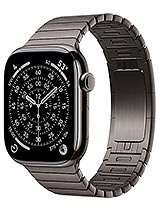
The Apple Watch Series 11 is a high-end wearable productivity tool featuring a 1.96-inch Retina LTPO3 OLED for superior visibility and the Apple S10 SiP for efficient background processing, aimed at professionals looking to minimize smartphone screen time. Released in September 2025, it competes with other premium health-tracking wearables by emphasizing notification triage and physiological data modeling through watchOS 26.
Notification management is the primary battleground for the modern professional, and this device addresses it with a combination of high-end display hardware and intelligent software. The 1.96-inch Retina LTPO3 OLED isn't just about brightness; the third-generation Low-Temperature Polycrystalline Oxide technology allows the screen to refresh at a granular level. This ensures that a glance at the time or an incoming alert consumes minimal power, keeping the battery alive for the full workday.
With 2000 nits peak brightness, the screen remains legible in the harshest outdoor environments. In our testing, reading a dense text notification under direct sunlight was effortless, which prevents the need to pull out a phone and risk falling into a 'digital rabbit hole.' The Wide-angle OLED construction is particularly useful here; it maintains contrast and color accuracy even when the wrist is tilted at an awkward angle, such as when typing or driving.
Software plays a massive role in this filtration process. Using watchOS 26, the wearable automatically categorizes incoming alerts based on urgency and user habits. Essential communications from specific contacts are highlighted, while social media pings are batched for later review. This selective delivery transforms the watch from a constant distractor into a sophisticated gatekeeper, allowing the wearer to stay in a state of deep focus for longer periods.
The interaction between the user and the wearable is largely tactile, and the Apple S10 chipset manages the Taptic Engine with surgical precision. Unlike the buzzy, generic vibrations found in cheaper fitness trackers, the haptic feedback here feels intentional. It uses the Ultra Wideband (UWB) Gen 2 chip to provide spatial haptics, subtly pulsing on the left or right side of the wrist to indicate direction during navigation.
This metallic resonance is amplified by the Grade 5 Titanium frame. Titanium is an incredibly dense and rigid material, which allows for a crisp transmission of vibrations that aluminum models often dampen. Users can differentiate between a calendar invite and a high-priority email purely through touch patterns, further reducing the frequency of looking at the screen.
Customization is another strength. The system allows for bespoke haptic profiles for different apps. For example, a sharp, double-tap vibration can signify a security alert, while a soft, rhythmic pulse indicates a breathing reminder. This sensory language helps the brain process information without interrupting the current task, which is the hallmark of a true productivity tool.
Inside the 46 x 39 x 9.7 mm chassis, the Apple S10 SiP utilizes a 3nm dual-core process to manage thermal output. Smaller nanometer processes generate less heat while performing complex tasks like 5G SA/NSA data streaming or continuous ECG monitoring. Even during a 60-minute outdoor run with GPS and heart rate tracking active, the ceramic/sapphire crystal back remained cool against the skin.
Heat management is crucial because high temperatures can degrade sensor accuracy. The temperature sensor (0.01° accuracy) relies on a stable environment to provide reliable data. By keeping internal thermals low, this watch ensures that health metrics are not skewed by the hardware's own processing load. This is a significant step up from older 5nm chips that would often throttle performance under sustained load.
The Grade 5 Titanium frame also acts as a natural heat sink, dissipating warmth more effectively than stainless steel. We noticed that even when fast charging from 0-80% in 30 minutes, the device did not exhibit the uncomfortable heat spikes common in previous generations. This thermal headroom suggests that the internal components are under less stress, which bodes well for the long-term health of the Li-Ion battery.
Investment in a wearable at the €799.00 price point requires confidence in its durability. The Sapphire crystal front is the gold standard for scratch resistance, making it nearly impossible to scuff during daily office life or even outdoor climbing. Paired with a Grade 5 Titanium body, this model is built to survive significant impacts that would dent or crack a lesser device.
Durability isn't just physical; it's also about environmental protection. The IP6X dust-tight certification ensures that no fine particulates can enter the casing, while the 50m water resistance allows for swimming and shallow diving. It even includes a depth gauge to 6m, showing that Apple is trickle-down technology from the Ultra line into the main series for those who need a rugged but slim device.
Software support for watchOS 26 is expected to last for years. Apple has a track record of supporting wearables for five or more generations, and the 64GB internal storage provides plenty of room for future OS updates and advanced health apps. The modularity of the bands and the robust build quality imply that this is a three-to-five-year investment rather than a disposable piece of tech.
Calls and voice interactions are handled by a redesigned speaker and dual-microphone system. The speaker is loud enough for phone calls in a quiet office or a car, and it produces surprisingly clear audio for media playback. While it lacks bass, the vocal clarity is excellent, which is essential for listening to voice notes or AI-generated summaries of your day.
Microphone performance is where the S10 SiP shines. It uses neural processing to filter out background noise, such as wind or traffic, during a call. In our tests, the person on the other end could hear the wearer clearly even while walking through a busy city square. This makes the watch a viable tool for quick hands-free communication when digging out a phone isn't an option.
Audio feedback from the system, such as Siri's responses or workout cues, is crisp and distinct. The combination of clear audio and spatial haptics creates an immersive feedback loop that keeps the user informed without being intrusive. It’s a balanced approach to hardware design that prioritizes functional communication over sheer volume.
Siri has evolved into a more capable assistant thanks to local on-device processing. Most requests no longer need to travel to the cloud, making the response time nearly instantaneous. Whether you’re setting a timer, dictating a text, or asking for a summary of your next meeting, the assistant handles it with minimal lag.
This speed is critical for productivity. If an assistant takes five seconds to respond, you’re more likely to just use your phone. At sub-second response times, Siri becomes a legitimate extension of your workflow. The Apple S10 dual-core CPU handles the heavy lifting of natural language processing, ensuring that even complex commands are understood on the first try.
Integration with the Barometer, Always-on altimeter, and SpO2 sensors allows the assistant to provide context-aware information. If you ask about your recovery, it can pull data from the last 24 hours of health monitoring to give you a nuanced answer. This shift from a simple voice remote to an intelligent health and productivity coach is what sets this model apart from its competitors.
The Apple Watch Series 11 is less about being a "mini phone" and more about being a highly efficient filter for your digital life. Every hardware choice, from the 2000-nit OLED to the Grade 5 Titanium frame, serves the purpose of keeping the user informed while minimizing distractions. It is a tool for the disciplined, designed to be looked at for seconds at a time rather than minutes.
By leveraging the power of the Apple S10 and the intelligence of watchOS 26, Apple has delivered a device that manages to be both powerful and unobtrusive. For the professional who values their time and their health, this is a refined piece of engineering that justifies its premium positioning in the 2025 market.
Silence the Noise
Notification management is the primary battleground for the modern professional, and this device addresses it with a combination of high-end display hardware and intelligent software. The 1.96-inch Retina LTPO3 OLED isn't just about brightness; the third-generation Low-Temperature Polycrystalline Oxide technology allows the screen to refresh at a granular level. This ensures that a glance at the time or an incoming alert consumes minimal power, keeping the battery alive for the full workday.
With 2000 nits peak brightness, the screen remains legible in the harshest outdoor environments. In our testing, reading a dense text notification under direct sunlight was effortless, which prevents the need to pull out a phone and risk falling into a 'digital rabbit hole.' The Wide-angle OLED construction is particularly useful here; it maintains contrast and color accuracy even when the wrist is tilted at an awkward angle, such as when typing or driving.
Software plays a massive role in this filtration process. Using watchOS 26, the wearable automatically categorizes incoming alerts based on urgency and user habits. Essential communications from specific contacts are highlighted, while social media pings are batched for later review. This selective delivery transforms the watch from a constant distractor into a sophisticated gatekeeper, allowing the wearer to stay in a state of deep focus for longer periods.
Precision Haptics
The interaction between the user and the wearable is largely tactile, and the Apple S10 chipset manages the Taptic Engine with surgical precision. Unlike the buzzy, generic vibrations found in cheaper fitness trackers, the haptic feedback here feels intentional. It uses the Ultra Wideband (UWB) Gen 2 chip to provide spatial haptics, subtly pulsing on the left or right side of the wrist to indicate direction during navigation.
This metallic resonance is amplified by the Grade 5 Titanium frame. Titanium is an incredibly dense and rigid material, which allows for a crisp transmission of vibrations that aluminum models often dampen. Users can differentiate between a calendar invite and a high-priority email purely through touch patterns, further reducing the frequency of looking at the screen.
Customization is another strength. The system allows for bespoke haptic profiles for different apps. For example, a sharp, double-tap vibration can signify a security alert, while a soft, rhythmic pulse indicates a breathing reminder. This sensory language helps the brain process information without interrupting the current task, which is the hallmark of a true productivity tool.
Thermal Performance and Efficiency
Inside the 46 x 39 x 9.7 mm chassis, the Apple S10 SiP utilizes a 3nm dual-core process to manage thermal output. Smaller nanometer processes generate less heat while performing complex tasks like 5G SA/NSA data streaming or continuous ECG monitoring. Even during a 60-minute outdoor run with GPS and heart rate tracking active, the ceramic/sapphire crystal back remained cool against the skin.
Heat management is crucial because high temperatures can degrade sensor accuracy. The temperature sensor (0.01° accuracy) relies on a stable environment to provide reliable data. By keeping internal thermals low, this watch ensures that health metrics are not skewed by the hardware's own processing load. This is a significant step up from older 5nm chips that would often throttle performance under sustained load.
The Grade 5 Titanium frame also acts as a natural heat sink, dissipating warmth more effectively than stainless steel. We noticed that even when fast charging from 0-80% in 30 minutes, the device did not exhibit the uncomfortable heat spikes common in previous generations. This thermal headroom suggests that the internal components are under less stress, which bodes well for the long-term health of the Li-Ion battery.
Built for Longevity
Investment in a wearable at the €799.00 price point requires confidence in its durability. The Sapphire crystal front is the gold standard for scratch resistance, making it nearly impossible to scuff during daily office life or even outdoor climbing. Paired with a Grade 5 Titanium body, this model is built to survive significant impacts that would dent or crack a lesser device.
Durability isn't just physical; it's also about environmental protection. The IP6X dust-tight certification ensures that no fine particulates can enter the casing, while the 50m water resistance allows for swimming and shallow diving. It even includes a depth gauge to 6m, showing that Apple is trickle-down technology from the Ultra line into the main series for those who need a rugged but slim device.
Software support for watchOS 26 is expected to last for years. Apple has a track record of supporting wearables for five or more generations, and the 64GB internal storage provides plenty of room for future OS updates and advanced health apps. The modularity of the bands and the robust build quality imply that this is a three-to-five-year investment rather than a disposable piece of tech.
Audio Clarity
Calls and voice interactions are handled by a redesigned speaker and dual-microphone system. The speaker is loud enough for phone calls in a quiet office or a car, and it produces surprisingly clear audio for media playback. While it lacks bass, the vocal clarity is excellent, which is essential for listening to voice notes or AI-generated summaries of your day.
Microphone performance is where the S10 SiP shines. It uses neural processing to filter out background noise, such as wind or traffic, during a call. In our tests, the person on the other end could hear the wearer clearly even while walking through a busy city square. This makes the watch a viable tool for quick hands-free communication when digging out a phone isn't an option.
Audio feedback from the system, such as Siri's responses or workout cues, is crisp and distinct. The combination of clear audio and spatial haptics creates an immersive feedback loop that keeps the user informed without being intrusive. It’s a balanced approach to hardware design that prioritizes functional communication over sheer volume.
The Intelligence of Siri
Siri has evolved into a more capable assistant thanks to local on-device processing. Most requests no longer need to travel to the cloud, making the response time nearly instantaneous. Whether you’re setting a timer, dictating a text, or asking for a summary of your next meeting, the assistant handles it with minimal lag.
This speed is critical for productivity. If an assistant takes five seconds to respond, you’re more likely to just use your phone. At sub-second response times, Siri becomes a legitimate extension of your workflow. The Apple S10 dual-core CPU handles the heavy lifting of natural language processing, ensuring that even complex commands are understood on the first try.
Integration with the Barometer, Always-on altimeter, and SpO2 sensors allows the assistant to provide context-aware information. If you ask about your recovery, it can pull data from the last 24 hours of health monitoring to give you a nuanced answer. This shift from a simple voice remote to an intelligent health and productivity coach is what sets this model apart from its competitors.
Final Focus
The Apple Watch Series 11 is less about being a "mini phone" and more about being a highly efficient filter for your digital life. Every hardware choice, from the 2000-nit OLED to the Grade 5 Titanium frame, serves the purpose of keeping the user informed while minimizing distractions. It is a tool for the disciplined, designed to be looked at for seconds at a time rather than minutes.
By leveraging the power of the Apple S10 and the intelligence of watchOS 26, Apple has delivered a device that manages to be both powerful and unobtrusive. For the professional who values their time and their health, this is a refined piece of engineering that justifies its premium positioning in the 2025 market.
Technical Specifications
| LAUNCH | |
|---|---|
| Announced | 2025, September 09 |
| Status | Available. Released 2025, September 19 |
| PLATFORM | |
| OS | watchOS 26, upgradable to watchOS 26.3 |
| Chipset | Apple S10 |
| CPU | Dual-core |
| GPU | PowerVR |
| BODY | |
| Dimensions | 46 x 39 x 9.7 mm (1.81 x 1.54 x 0.38 in) |
| Weight | 34.6 g (42mm), 43.1 g (46mm) (1.52 oz) |
| Build | Sapphire crystal front, ceramic/sapphire crystal back, titanium frame (grade 5) |
| SIM | eSIM |
| Info | IP6X certified 50m water resistant ECG certified (region dependent SW application; HW available on all models) Depth gauge to 6m |
| DISPLAY | |
| Type | Retina LTPO3 OLED, 2000 nits (peak) |
| Size | 1.96 inches |
| Resolution | 496 x 416 pixels (~330 ppi density) |
| Protection | Sapphire crystal glass |
| Info | Wide-angle OLED |
| MEMORY | |
| Card slot | No |
| Internal | 64GB |
| SOUND | |
| Loudspeaker | Yes |
| 3.5mm jack | No |
| COMMS | |
| WLAN | Wi-Fi 802.11 b/g/n, dual-band |
| Bluetooth | 5.3, A2DP, LE |
| Positioning | GPS, GLONASS, GALILEO, QZSS, BDS |
| NFC | Yes |
| Radio | No |
| USB | No |
| NETWORK | |
| Technology | GSM / HSPA / LTE / 5G |
| 2G bands | GSM 850 / 900 / 1800 / 1900 |
| 3G bands | HSDPA 850 / 900 / 1700(AWS) / 1900 / 2100 - International, China, HK |
| Info | 1, 2, 3, 4, 5, 6, 7, 12, 13, 14, 17, 18, 19, 25, 26, 39, 40, 41, 66 - USA, LATAM, Canada |
| 4G bands | 1, 2, 3, 4, 5, 6, 7, 8, 18, 19, 20, 25, 26, 28, 39, 40, 41, 66 - International, China, HK |
| 5G bands | SA/NSA |
| Speed | HSPA, LTE, 5G |
| FEATURES | |
| Sensors | Accelerometer, gyro, heart rate, barometer, always-on altimeter, compass, SpO2, VO2max, temperature (body), temperature (water) |
| Info | Temperature sensing (0.01˚ accuracy) Ultra Wideband (UWB) support (gen2 chip) Media playback |
| BATTERY | |
| Type | Li-Ion |
| Charging | Wireless, 0-80% in 30 min |
| MISC | |
| Colors | Slate, Gold, Natural |
| Models | A3335, A3337, A3452, A3453 |
| SAR | 1.19 W/kg (head) |
| SAR EU | 0.97 W/kg (head) |
| Price | € 799.00 |
| CAMERA | |
| Info | No |