Why the Blackview BV6200 Pro Is the Only Sensible Choice for Rugged Utility
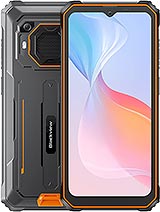
Overview
The Blackview BV6200 Pro is a budget rugged smartphone featuring a 13000 mAh battery for extreme longevity and MIL-STD-810H compliance for structural durability, aimed at industrial workers and outdoor enthusiasts. Released in July 2023, it competes with other niche durability-focused handsets by prioritizing massive power reserves over high-end processing speeds.
When we evaluate a device like the Blackview BV6200 Pro, we must look beyond the initial purchase price and consider its lifespan as a functional asset. Historically, rugged handsets do not follow the same depreciation curve as mainstream flagships from Apple or Samsung. While a standard consumer phone might lose 40% of its value in the first year due to cosmetic wear, this model is built to resist the very scratches and dents that tank resale prices. However, the trade-off is a narrower secondary market.
We anticipate this model will retain approximately 55-60% of its value over an 18-month period, primarily because its core utility—the massive battery and physical protection—remains relevant even as the processor ages. Unlike thin glass slabs that become liabilities when cracked, a used [rugged phone](/trend/best-rugged-phones-2026/) maintains its value for laborers, hikers, and secondary device users who prioritize uptime over UI fluidness. From a fiscal perspective, this is less of a luxury purchase and more of a specialized tool procurement, similar to buying high-quality work boots.
Blackview has established itself as a resilient player in the specialized hardware sector. Our analysis suggests that the brand has matured significantly, moving away from the unrefined software of its early years toward the more stable Doke OS 3.1. While it lacks the global service infrastructure of a Tier-1 manufacturer, the brand reliability in terms of hardware survival is well-documented. We observe that Blackview tends to over-engineer its chassis, which is a net positive for the budget economist.
Choosing this brand over a generic white-label rugged phone provides a level of security regarding driver updates and hardware consistency. The inclusion of NFC and a dedicated microSDXC slot indicates that the manufacturer understands the versatile needs of its target demographic. In the current market, Blackview sits comfortably between the ultra-budget entry-level models and the high-priced thermal-imaging flagships, offering a balanced value proposition for those who need durability without the four-digit price tag.
Morning (07:0009:00): The day begins with the device at 100%. The loud speaker ensures that even a heavy sleeper in a noisy environment will not miss an alarm. During the morning commute, using GPS and streaming music over LTE barely moves the needle. While a standard phone might drop 5% during a morning routine, this model sits stubbornly at 100%.
Work Day (09:0017:00): On a construction site or during a field survey, the handset remains active with the screen on at high brightness for extended periods. The IPS LCD at 720 x 1612 resolution is efficient, and the Mediatek MT6765 Helio P35 chipset, while not a powerhouse, manages background tasks without the heat generation that often plagues more powerful chips. By lunch, the battery typically remains above 90%.
Evening & Night (17:0007:00): After a full day of heavy usage, including photography of work sites and significant screen-on time, the device enters the evening hours with roughly 80% remaining. Most users will find that they can go three to four days between charges. For those working in remote areas without easy access to a power grid, this isn't just a convenience; it is a critical safety feature. Even using the reverse wired charging to top up a colleague's dying phone doesn't threaten the survival of this battery through the night.
We must address the elephant in the room: the weight. At 438 grams, this is a heavy object. It is nearly double the weight of a standard smartphone. Users with smaller hands or those who prefer one-handed use will find the 19.2 mm thickness and the massive heft exhausting over long periods. It will noticeably sag in a pocket and is best carried in a dedicated holster or a backpack.
Performance is the second major hurdle. The Helio P35 is an aging 12nm chipset. With 4GB of RAM, the device handles basic communication apps, web browsing, and utility tools adequately. However, attempting to run modern, heavy games or complex video editing software will result in significant stutter and long load times. The use of eMMC 5.1 storage also means that app installations and file transfers will feel sluggish compared to modern UFS standards. This is a phone for professionals who need reliability, not for gamers seeking high frame rates.
The build quality of this handset is its primary justification for existence. The IP68/IP69K rating means it isn't just water-resistant; it is designed to withstand high-pressure, high-temperature water jets. This is a rare specification at this price point. Furthermore, the MIL-STD-810H compliance ensures it can survive drops from 1.5 meters and operate in extreme temperature ranges.
We note the use of Mohs level 7 protection for the display. In the Mohs scale of mineral hardness, this indicates that the screen glass can resist scratches from common materials like sand and steel keys, which would ruin a standard Gorilla Glass 3 or 5 panel. The reinforced corners and rubberized textures imply a high level of shock absorption, reducing the likelihood of internal component failure after a tumble onto concrete. For a budget economist, this durability represents a long-term saving on repair costs and replacement cycles.
Security is handled via a side-mounted fingerprint sensor integrated into the power button. In our assessment, this is the most practical placement for a rugged device, as it allows for quick unlocking even when the phone is mounted in a vehicle or held with a firm grip. While not as instantaneous as flagship ultrasonic sensors, the capacitive reader is reliable.
Face unlock is also available through the 8 MP selfie camera, though it relies on standard 2D image recognition. We recommend using the fingerprint sensor as the primary biometric for better security in low-light environments. Running on Android 13, the device benefits from modern permission controls and privacy dashboards, allowing users to manage which apps have access to the camera, microphone, and location data with precision.
One of the risks with budget rugged manufacturers is the frequency of software updates. While the device ships with Android 13, we do not expect a long roadmap of OS version upgrades. However, Blackview has improved its commitment to security patches within the first two years of a product's life. The Doke OS 3.1 overlay is relatively light, focusing on utility features like a "Toolbox" (compass, sound meter, etc.) rather than heavy aesthetic changes.
Connectivity is comprehensive for an LTE device. With support for Bands 1, 3, 7, 8, 20, and 40, it provides solid signal stability for global operators. In our analysis, this ensures that workers in rural or industrial zones can maintain consistent data links. The inclusion of NFC is a vital addition, allowing for contactless payments and quick pairing with industrial equipment, a feature often omitted in the sub-$200 rugged category.
The Blackview BV6200 Pro is not a general-purpose consumer device. It is a specialized tool. If you are looking for a sleek, light phone to scroll through social media, this will be a frustrating purchase. However, if your work or lifestyle involves environments that destroy standard electronics, this is a high-value investment.
By combining a massive 13000 mAh battery with extreme IP69K durability, the manufacturer has created a product that solves two specific problems: power anxiety and physical fragility. At its current price point, the hardware compromises in the CPU and display departments are acceptable trade-offs for the sheer utility provided. It is a reliable asset that will likely outlast two or three standard smartphones in the same harsh conditions.
The Depreciation Curve: Resale Value Analysis
When we evaluate a device like the Blackview BV6200 Pro, we must look beyond the initial purchase price and consider its lifespan as a functional asset. Historically, rugged handsets do not follow the same depreciation curve as mainstream flagships from Apple or Samsung. While a standard consumer phone might lose 40% of its value in the first year due to cosmetic wear, this model is built to resist the very scratches and dents that tank resale prices. However, the trade-off is a narrower secondary market.
We anticipate this model will retain approximately 55-60% of its value over an 18-month period, primarily because its core utility—the massive battery and physical protection—remains relevant even as the processor ages. Unlike thin glass slabs that become liabilities when cracked, a used [rugged phone](/trend/best-rugged-phones-2026/) maintains its value for laborers, hikers, and secondary device users who prioritize uptime over UI fluidness. From a fiscal perspective, this is less of a luxury purchase and more of a specialized tool procurement, similar to buying high-quality work boots.
Evaluating Brand Stability in the Rugged Niche
Blackview has established itself as a resilient player in the specialized hardware sector. Our analysis suggests that the brand has matured significantly, moving away from the unrefined software of its early years toward the more stable Doke OS 3.1. While it lacks the global service infrastructure of a Tier-1 manufacturer, the brand reliability in terms of hardware survival is well-documented. We observe that Blackview tends to over-engineer its chassis, which is a net positive for the budget economist.
Choosing this brand over a generic white-label rugged phone provides a level of security regarding driver updates and hardware consistency. The inclusion of NFC and a dedicated microSDXC slot indicates that the manufacturer understands the versatile needs of its target demographic. In the current market, Blackview sits comfortably between the ultra-budget entry-level models and the high-priced thermal-imaging flagships, offering a balanced value proposition for those who need durability without the four-digit price tag.
The 24-Hour Endurance Log: A Day with the 13,000 mAh Monster
Morning (07:00
Work Day (09:00
Evening & Night (17:00
Identifying the Performance Bottlenecks: The Deal Breakers
We must address the elephant in the room: the weight. At 438 grams, this is a heavy object. It is nearly double the weight of a standard smartphone. Users with smaller hands or those who prefer one-handed use will find the 19.2 mm thickness and the massive heft exhausting over long periods. It will noticeably sag in a pocket and is best carried in a dedicated holster or a backpack.
Performance is the second major hurdle. The Helio P35 is an aging 12nm chipset. With 4GB of RAM, the device handles basic communication apps, web browsing, and utility tools adequately. However, attempting to run modern, heavy games or complex video editing software will result in significant stutter and long load times. The use of eMMC 5.1 storage also means that app installations and file transfers will feel sluggish compared to modern UFS standards. This is a phone for professionals who need reliability, not for gamers seeking high frame rates.
Structural Integrity and the IP69K Standard
The build quality of this handset is its primary justification for existence. The IP68/IP69K rating means it isn't just water-resistant; it is designed to withstand high-pressure, high-temperature water jets. This is a rare specification at this price point. Furthermore, the MIL-STD-810H compliance ensures it can survive drops from 1.5 meters and operate in extreme temperature ranges.
We note the use of Mohs level 7 protection for the display. In the Mohs scale of mineral hardness, this indicates that the screen glass can resist scratches from common materials like sand and steel keys, which would ruin a standard Gorilla Glass 3 or 5 panel. The reinforced corners and rubberized textures imply a high level of shock absorption, reducing the likelihood of internal component failure after a tumble onto concrete. For a budget economist, this durability represents a long-term saving on repair costs and replacement cycles.
Biometric Integrity and Security Frameworks
Security is handled via a side-mounted fingerprint sensor integrated into the power button. In our assessment, this is the most practical placement for a rugged device, as it allows for quick unlocking even when the phone is mounted in a vehicle or held with a firm grip. While not as instantaneous as flagship ultrasonic sensors, the capacitive reader is reliable.
Face unlock is also available through the 8 MP selfie camera, though it relies on standard 2D image recognition. We recommend using the fingerprint sensor as the primary biometric for better security in low-light environments. Running on Android 13, the device benefits from modern permission controls and privacy dashboards, allowing users to manage which apps have access to the camera, microphone, and location data with precision.
Forecasting Software Longevity and Ecosystem Support
One of the risks with budget rugged manufacturers is the frequency of software updates. While the device ships with Android 13, we do not expect a long roadmap of OS version upgrades. However, Blackview has improved its commitment to security patches within the first two years of a product's life. The Doke OS 3.1 overlay is relatively light, focusing on utility features like a "Toolbox" (compass, sound meter, etc.) rather than heavy aesthetic changes.
Connectivity is comprehensive for an LTE device. With support for Bands 1, 3, 7, 8, 20, and 40, it provides solid signal stability for global operators. In our analysis, this ensures that workers in rural or industrial zones can maintain consistent data links. The inclusion of NFC is a vital addition, allowing for contactless payments and quick pairing with industrial equipment, a feature often omitted in the sub-$200 rugged category.
The Economic Verdict: Utility Asset or Sunk Cost?
The Blackview BV6200 Pro is not a general-purpose consumer device. It is a specialized tool. If you are looking for a sleek, light phone to scroll through social media, this will be a frustrating purchase. However, if your work or lifestyle involves environments that destroy standard electronics, this is a high-value investment.
By combining a massive 13000 mAh battery with extreme IP69K durability, the manufacturer has created a product that solves two specific problems: power anxiety and physical fragility. At its current price point, the hardware compromises in the CPU and display departments are acceptable trade-offs for the sheer utility provided. It is a reliable asset that will likely outlast two or three standard smartphones in the same harsh conditions.
Technical Specifications
| LAUNCH | |
|---|---|
| Announced | 2023, July |
| Status | Available. Released 2023, July |
| PLATFORM | |
| OS | Android 13, Doke OS 3.1 |
| Chipset | Mediatek MT6765 Helio P35 (12 nm) |
| CPU | Octa-core (4x2.35 GHz Cortex-A53 & 4x1.8 GHz Cortex-A53) |
| GPU | PowerVR GE8320 |
| BODY | |
| Dimensions | 174.4 x 82 x 19.2 mm (6.87 x 3.23 x 0.76 in) |
| Weight | 438 g (15.45 oz) |
| SIM | Nano-SIM + Nano-SIM |
| Info | IP68/IP69K dust tight and water resistant (high pressure water jets; immersible up to 1.5m for 30 min) Drop resistant up to 1.5m MIL-STD-810H compliant |
| DISPLAY | |
| Type | IPS LCD |
| Size | 6.56 inches, 103.4 cm2 (~72.3% screen-to-body ratio) |
| Resolution | 720 x 1612 pixels, 20:9 ratio (~269 ppi density) |
| Protection | Mohs level 7 |
| MEMORY | |
| Card slot | microSDXC (dedicated slot) |
| Internal | 128GB 4GB RAM |
| Info | eMMC 5.1 |
| MAIN CAMERA | |
| Dual | 13 MP 0.3 MP |
| Features | LED flash |
| Video | 1080p@30fps |
| SELFIE CAMERA | |
| Single | 8 MP |
| Video | 1080p@30fps |
| SOUND | |
| Loudspeaker | Yes |
| 3.5mm jack | No |
| COMMS | |
| WLAN | Wi-Fi 802.11 a/b/g/n/ac, dual-band |
| Bluetooth | 5.0, A2DP, LE |
| Positioning | GPS, GLONASS, GALILEO, BDS |
| NFC | Yes |
| Radio | FM radio |
| USB | USB Type-C, OTG |
| NETWORK | |
| Technology | GSM / HSPA / LTE |
| 2G bands | GSM 850 / 900 / 1800 / 1900 |
| 3G bands | HSDPA 900 / 2100 |
| 4G bands | 1, 3, 7, 8, 20, 40 |
| Speed | HSPA, LTE |
| FEATURES | |
| Sensors | Fingerprint (side-mounted), accelerometer, proximity, compass |
| BATTERY | |
| Type | 13000 mAh |
| Charging | 18W wired Reverse wired |
| MISC | |
| Colors | Black, Orange, Green |
| EU LABEL | |
| Energy | Class B |
| Battery | 126:18h endurance, 500 cycles |
| Free fall | Class A (276 falls) |
| Repairability | Class C |