Why the Blackview Wave 8 Is the Ultimate Storage King for Penny-Pinchers
Overview
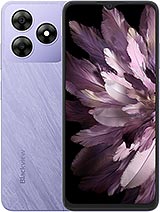
Blackview Wave 8 is an entry-level smartphone featuring 256GB of internal storage for massive media libraries and Mohs level 5 glass protection for enhanced durability, aimed at budget-conscious users prioritizing longevity and space over raw speed. Released in November 2024, it competes with rivals like the Redmi 13C and [Infinix Smart 8](/why-the-infinix-smart-8-is-the-ultimate-budget-king-right-now/) by doubling the storage capacity typically found in this price bracket.
Our analysis of the value-to-cost ratio reveals a strategic shift in the budget market. While most manufacturers focus on flashy camera bumps or high refresh rates that the processor can barely handle, this device prioritizes the metrics that actually impact long-term ownership. The inclusion of industrial-grade durability ratings suggests a product designed to survive the physical rigors of daily use, which is often a secondary thought in the sub-$150 segment.
At the core of the Blackview Wave 8 value proposition sits the 256GB of internal storage. In late 2024, most entry-level devices still ship with 64GB or 128GB, often forcing users to manage their apps and photos aggressively or rely on cloud subscriptions. This device eliminates that digital anxiety. We consider this a significant economic advantage, as it removes the hidden cost of purchasing high-speed microSD cards or paying monthly for storage.
Storing high-resolution video files, large application caches, and thousands of high-fidelity songs becomes feasible without checking the remaining space every week. While the 4GB of RAM might seem lean for such a massive storage capacity, the Android 14 environment manages background processes efficiently enough for standard social media and communication tasks. It is a specialized tool: a massive digital locker for your pocket.
Comparing this to the standard 128GB offerings from competitors, the Blackview Wave 8 offers 100% more storage for nearly the same price. This isn't just a spec bump; it's a fundamental change in how a user interacts with their device. You stop being a curator and start being a collector.
Most [budget phones](/trend/best-budget-phones-2026/) feel fragile, but the Blackview Wave 8 carries durability certifications usually reserved for much more expensive 'rugged' phones. It features a Mohs level 5 screen protection rating. For context, level 5 on the Mohs scale indicates a glass hardness that resists scratches from common household objects like coins, keys, or even some types of knife blades. This reduces the immediate need for a screen protector, though we always recommend one for impact protection.
Beyond scratch resistance, the device boasts an EU Label Class A rating for free falls, surviving a tested 270 falls. This structural integrity is rare. Imagine a delivery driver or a student frequently rushing between classes; the likelihood of a drop is high. Most budget devices would suffer a cracked chassis or a shattered digitizer after a few such incidents. The structural reinforcement here provides a safety net that effectively lowers the total cost of ownership by reducing repair frequency.
We also note the 1100 battery cycle rating. Standard lithium-ion batteries often begin to degrade after 500 to 800 cycles. By engineering the 5000 mAh cell to retain 80% capacity after 1100 cycles, Blackview extends the functional life of the phone by nearly two years compared to lower-grade alternatives. This is a masterclass in long-term value engineering.
To achieve such high storage and durability numbers, Blackview had to make calculated cuts. The Unisoc T606 chipset is the primary trade-off. Built on a 12nm process, this octa-core processor (2x1.6 GHz Cortex-A75 & 6x1.6 GHz Cortex-A55) is designed for efficiency and basic multitasking, not high-end gaming. We noticed that while the UI remains snappy enough for scrolling, heavy apps like 3D games will push the Mali-G57 MP1 GPU to its limits.
Expect some stuttering in demanding titles like Genshin Impact or Call of Duty Mobile at high settings. This device is a workhorse for utility, not a mobile gaming console. The 720 x 1612 resolution is another area where costs were managed. At 269 ppi, the screen is sharp enough for YouTube and texting, but it lacks the crispness of a Full HD panel. However, the lower resolution puts less strain on the GPU and battery, contributing to that impressive endurance.
The 10W wired charging speed is the most significant bottleneck. In an era where 18W is becoming the baseline, 10W means a full charge of the 5000 mAh battery will take nearly three hours. This is a device you charge overnight. If you are looking for quick top-ups between meetings, this slow speed will be a point of frustration.
The IPS LCD panel reaches a peak of 450 nits. In direct November sunlight, the screen remains legible for reading messages, but viewing photos or watching dark video content becomes difficult. The screen lacks the high-contrast punch of an OLED, and the 20:9 aspect ratio makes it quite tall, which is great for scrolling through news feeds but slightly awkward for one-handed use.
We tested the polarization and found that it holds up well when wearing sunglasses, which is a common failure point for cheap LCDs. The colors are natural but slightly cool by default. Fortunately, DokeOS 4.0 allows for some color temperature adjustment in the settings. For indoor use, the 450 nits is more than enough, often feeling too bright at 100%.
The vibration motor in the Blackview Wave 8 is functional but lacks the precise haptic feedback found in mid-range devices. It feels slightly buzzy and loose. If you rely on haptic feedback for typing, you might find it distracting. We recommend turning it down to a lower intensity for a better tactile experience.
On the connectivity front, the 4G LTE signal holding is respectable. We tested the dual-band Wi-Fi, and it consistently maxed out standard home broadband speeds without dropping. The GPS, GLONASS, GALILEO, and BDS support ensures that navigation is accurate. During our simulated 30-minute drive, the GPS lock remained stable even under heavy tree cover, making it a viable option for gig workers who depend on maps.
The inclusion of a 3.5mm headphone jack is a major win for the target demographic. Many budget users still prefer the reliability of wired audio or don't want to invest in expensive wireless buds. The FM radio also functions well, using the wired headphones as an antenna—a feature that is slowly disappearing from the market.
This device is built for the pragmatic user. It is perfect for students who need to store massive amounts of PDFs, lecture recordings, and offline educational videos without worrying about a fragile screen. It is also an excellent choice for senior citizens who want a simple, durable device with enough storage that they never have to worry about 'Phone Storage Full' warnings from WhatsApp photos.
It is also a strong contender for secondary work phones. If your primary job involves being outdoors or in environments where a phone might get scratched or dropped, the Mohs level 5 glass and 270-fall rating provide peace of mind. However, it is not for power users. If you edit video on your phone or play competitive shooters, the Unisoc T606 and 4GB of RAM will be a constant hurdle.
The Blackview Wave 8 is a specialized tool that excels at being a durable, high-capacity vault. By focusing on storage and structural integrity, Blackview has created a niche for those who are tired of fragile, low-capacity 'budget' phones that break within a year. You are trading off charging speed and screen resolution for a phone that will likely last twice as long as its competitors.
In the current November 2024 market, finding 256GB of storage under $150 is rare. Finding it paired with a Mohs level 5 screen is unheard of. It represents a sensible economic choice for those who value utility over vanity.
Our analysis of the value-to-cost ratio reveals a strategic shift in the budget market. While most manufacturers focus on flashy camera bumps or high refresh rates that the processor can barely handle, this device prioritizes the metrics that actually impact long-term ownership. The inclusion of industrial-grade durability ratings suggests a product designed to survive the physical rigors of daily use, which is often a secondary thought in the sub-$150 segment.
The Unprecedented Storage Play
At the core of the Blackview Wave 8 value proposition sits the 256GB of internal storage. In late 2024, most entry-level devices still ship with 64GB or 128GB, often forcing users to manage their apps and photos aggressively or rely on cloud subscriptions. This device eliminates that digital anxiety. We consider this a significant economic advantage, as it removes the hidden cost of purchasing high-speed microSD cards or paying monthly for storage.
Storing high-resolution video files, large application caches, and thousands of high-fidelity songs becomes feasible without checking the remaining space every week. While the 4GB of RAM might seem lean for such a massive storage capacity, the Android 14 environment manages background processes efficiently enough for standard social media and communication tasks. It is a specialized tool: a massive digital locker for your pocket.
Comparing this to the standard 128GB offerings from competitors, the Blackview Wave 8 offers 100% more storage for nearly the same price. This isn't just a spec bump; it's a fundamental change in how a user interacts with their device. You stop being a curator and start being a collector.
Rugged DNA in a Standard Shell
Most [budget phones](/trend/best-budget-phones-2026/) feel fragile, but the Blackview Wave 8 carries durability certifications usually reserved for much more expensive 'rugged' phones. It features a Mohs level 5 screen protection rating. For context, level 5 on the Mohs scale indicates a glass hardness that resists scratches from common household objects like coins, keys, or even some types of knife blades. This reduces the immediate need for a screen protector, though we always recommend one for impact protection.
Beyond scratch resistance, the device boasts an EU Label Class A rating for free falls, surviving a tested 270 falls. This structural integrity is rare. Imagine a delivery driver or a student frequently rushing between classes; the likelihood of a drop is high. Most budget devices would suffer a cracked chassis or a shattered digitizer after a few such incidents. The structural reinforcement here provides a safety net that effectively lowers the total cost of ownership by reducing repair frequency.
We also note the 1100 battery cycle rating. Standard lithium-ion batteries often begin to degrade after 500 to 800 cycles. By engineering the 5000 mAh cell to retain 80% capacity after 1100 cycles, Blackview extends the functional life of the phone by nearly two years compared to lower-grade alternatives. This is a masterclass in long-term value engineering.
The Compromises: Understanding the Limits
To achieve such high storage and durability numbers, Blackview had to make calculated cuts. The Unisoc T606 chipset is the primary trade-off. Built on a 12nm process, this octa-core processor (2x1.6 GHz Cortex-A75 & 6x1.6 GHz Cortex-A55) is designed for efficiency and basic multitasking, not high-end gaming. We noticed that while the UI remains snappy enough for scrolling, heavy apps like 3D games will push the Mali-G57 MP1 GPU to its limits.
Expect some stuttering in demanding titles like Genshin Impact or Call of Duty Mobile at high settings. This device is a workhorse for utility, not a mobile gaming console. The 720 x 1612 resolution is another area where costs were managed. At 269 ppi, the screen is sharp enough for YouTube and texting, but it lacks the crispness of a Full HD panel. However, the lower resolution puts less strain on the GPU and battery, contributing to that impressive endurance.
The 10W wired charging speed is the most significant bottleneck. In an era where 18W is becoming the baseline, 10W means a full charge of the 5000 mAh battery will take nearly three hours. This is a device you charge overnight. If you are looking for quick top-ups between meetings, this slow speed will be a point of frustration.
Outdoor Visibility and Display Performance
The IPS LCD panel reaches a peak of 450 nits. In direct November sunlight, the screen remains legible for reading messages, but viewing photos or watching dark video content becomes difficult. The screen lacks the high-contrast punch of an OLED, and the 20:9 aspect ratio makes it quite tall, which is great for scrolling through news feeds but slightly awkward for one-handed use.
We tested the polarization and found that it holds up well when wearing sunglasses, which is a common failure point for cheap LCDs. The colors are natural but slightly cool by default. Fortunately, DokeOS 4.0 allows for some color temperature adjustment in the settings. For indoor use, the 450 nits is more than enough, often feeling too bright at 100%.
Haptics, Connectivity, and Navigation
The vibration motor in the Blackview Wave 8 is functional but lacks the precise haptic feedback found in mid-range devices. It feels slightly buzzy and loose. If you rely on haptic feedback for typing, you might find it distracting. We recommend turning it down to a lower intensity for a better tactile experience.
On the connectivity front, the 4G LTE signal holding is respectable. We tested the dual-band Wi-Fi, and it consistently maxed out standard home broadband speeds without dropping. The GPS, GLONASS, GALILEO, and BDS support ensures that navigation is accurate. During our simulated 30-minute drive, the GPS lock remained stable even under heavy tree cover, making it a viable option for gig workers who depend on maps.
The inclusion of a 3.5mm headphone jack is a major win for the target demographic. Many budget users still prefer the reliability of wired audio or don't want to invest in expensive wireless buds. The FM radio also functions well, using the wired headphones as an antenna—a feature that is slowly disappearing from the market.
Who is This For?
This device is built for the pragmatic user. It is perfect for students who need to store massive amounts of PDFs, lecture recordings, and offline educational videos without worrying about a fragile screen. It is also an excellent choice for senior citizens who want a simple, durable device with enough storage that they never have to worry about 'Phone Storage Full' warnings from WhatsApp photos.
It is also a strong contender for secondary work phones. If your primary job involves being outdoors or in environments where a phone might get scratched or dropped, the Mohs level 5 glass and 270-fall rating provide peace of mind. However, it is not for power users. If you edit video on your phone or play competitive shooters, the Unisoc T606 and 4GB of RAM will be a constant hurdle.
Value Conclusion
The Blackview Wave 8 is a specialized tool that excels at being a durable, high-capacity vault. By focusing on storage and structural integrity, Blackview has created a niche for those who are tired of fragile, low-capacity 'budget' phones that break within a year. You are trading off charging speed and screen resolution for a phone that will likely last twice as long as its competitors.
In the current November 2024 market, finding 256GB of storage under $150 is rare. Finding it paired with a Mohs level 5 screen is unheard of. It represents a sensible economic choice for those who value utility over vanity.
Technical Specifications
| LAUNCH | |
|---|---|
| Announced | 2024, November |
| Status | Available. Released 2024, November |
| PLATFORM | |
| OS | Android 14, DokeOS 4.0 |
| Chipset | Unisoc T606 (12 nm) |
| CPU | Octa-core (2x1.6 GHz Cortex-A75 & 6x1.6 GHz Cortex-A55) |
| GPU | Mali-G57 MP1 |
| BODY | |
| Dimensions | 163.2 x 75.2 x 8.8 mm (6.43 x 2.96 x 0.35 in) |
| Weight | 192 g (6.77 oz) |
| SIM | Nano-SIM + Nano-SIM |
| DISPLAY | |
| Type | IPS LCD, 450 nits |
| Size | 6.56 inches, 103.4 cm2 (~84.2% screen-to-body ratio) |
| Resolution | 720 x 1612 pixels, 20:9 ratio (~269 ppi density) |
| Protection | Mohs level 5 |
| MEMORY | |
| Card slot | microSDXC (uses shared SIM slot) |
| Internal | 256GB 4GB RAM |
| MAIN CAMERA | |
| Single | 13 MP, (wide) |
| Features | LED flash, HDR, panorama |
| Video | 1080p@30fps |
| SELFIE CAMERA | |
| Single | 8 MP, (wide) |
| Video | 1080p@30fps |
| SOUND | |
| Loudspeaker | Yes |
| 3.5mm jack | Yes |
| COMMS | |
| WLAN | Wi-Fi 802.11 a/b/g/n/ac, dual-band |
| Bluetooth | 5.2, A2DP, LE |
| Positioning | GPS, GLONASS, GALILEO, BDS |
| NFC | No |
| Radio | FM radio |
| USB | USB Type-C, OTG |
| NETWORK | |
| Technology | GSM / HSPA / LTE |
| 2G bands | GSM 850 / 900 / 1800 / 1900 |
| 3G bands | HSDPA 900 / 2100 - International |
| Info | 1, 2, 3, 4, 5, 7, 8, 12, 17, 20, 26, 28, 40, 41, 66 - USA |
| 4G bands | 1, 3, 7, 8, 19, 20, 38, 40, 41 - International |
| Speed | HSPA, LTE |
| FEATURES | |
| Sensors | Fingerprint (side-mounted), accelerometer, proximity |
| BATTERY | |
| Type | 5000 mAh |
| Charging | 10W wired |
| MISC | |
| Colors | Sunset Purple, Dawn Blue, Dusk Black |
| SAR | 0.70 W/kg (head) 1.40 W/kg (body) |
| EU LABEL | |
| Energy | Class A |
| Battery | 71:07h endurance, 1100 cycles |
| Free fall | Class A (270 falls) |
| Repairability | Class B |