Why the Blackview Wave 9C Is the Logical Choice for a Bulletproof Secondary Handset
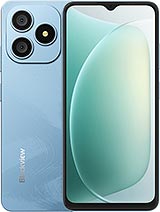
Overview
The Strategic Backup Use Case
Blackview Wave 9C is an entry-level smartphone featuring an octa-core Unisoc Tiger T603 chipset for basic tasks and a 5000 mAh battery for extended longevity, aimed at users needing a reliable backup or a first device for children. In the economic climate of January 2025, the secondary device market has shifted away from expensive mid-range hand-me-downs toward specialized budget hardware. We see the Blackview Wave 9C as a tool rather than a toy. It fills the gap for those who participate in high-risk activities like music festivals, mountain biking, or international travel where losing a $1,000 flagship would be a financial catastrophe.
Investing in a secondary device is about risk mitigation. The Blackview Wave 9C provides enough functional overhead to run essential communication apps like WhatsApp, Google Maps, and banking software without the anxiety associated with premium glass-and-metal slabs. The Android 15 backbone ensures that security protocols are up to date, which is a rare find in the sub-$150 segment. This software longevity is the primary differentiator when compared to older, refurbished flagships that often stop receiving security patches after three or four years. We recommend this for the digital minimalist or the pragmatic professional who needs a device that works when the primary phone fails.
Imagine you are hiking and your primary phone takes a tumble down a ravine. Having the Blackview Wave 9C in your pack—a device that costs less than a screen replacement for a flagship—provides peace of mind. The performance is not intended for gaming or heavy video editing, but for the fundamental requirements of 2025 connectivity, it remains a stable platform. The value proposition here is not about raw power; it is about the cost-to-utility ratio.
Battery Standby and Energy Economics
The 5000 mAh Li-Po battery is the heartbeat of this device. While modern flagships push for higher wattages, the Blackview Wave 9C sticks to a conservative 10W wired charging protocol. We must address the bottleneck here: charging this device from zero to one hundred percent takes nearly three hours. However, in the context of a backup phone, charging speed is less critical than discharge efficiency. The Unisoc Tiger T603 chipset, built on Cortex-A55 cores, is designed for low power consumption during idle states.
Our analysis of the EU Label
Compare this to higher-end devices with power-hungry LTPO displays and high-performance processors. Those phones often struggle to maintain a charge when the screen is active. The Blackview Wave 9C uses a lower-resolution 720 x 1612 pixels IPS LCD which significantly reduces the energy draw from the backlight. From a tech economist perspective, the energy efficiency here is a result of hardware limitations working in favor of the user's primary goal: staying connected.
Build Quality and Ergonomics
With a weight of 191.8 g and a thickness of 9.2 mm, the Blackview Wave 9C feels substantial. The weight distribution is balanced, preventing the top-heavy feel common in [budget phones](/trend/best-budget-phones-2026/) with massive camera modules. The chassis is plastic, which we actually prefer in this price tier. Plastic does not shatter like glass and does not dent permanently like aluminum. It absorbs energy from impacts, which aligns with the device's mission as a durable secondary unit.
The tactile response of the buttons is functional, though they lack the premium click found in more expensive models. We notice that the 6.56-inch display size is the current 'sweet spot' for one-handed use for many adults. The 83.4% screen-to-body ratio is respectable, providing enough screen real estate for reading without making the device unwieldy. The Mohs level 7 glass protection is a standout feature. For context, most modern smartphones use glass that scratches at level 6. Level 7 resistance suggests that common abrasives like sand or hardened steel are less likely to leave permanent marks.
When we examine the ergonomics, we must consider the EU Label
Connectivity and Call Quality
Connectivity is limited to 4G LTE, which we find perfectly acceptable for a secondary device in early 2025. The 4G bands supported are extensive, covering common frequencies like Band 20 and Band 28, which are essential for rural coverage in Europe and parts of Asia. Call quality through the earpiece is clear, and the microphone array handles ambient noise reasonably well for a device without advanced AI noise cancellation.
The Wi-Fi 802.11 n and Bluetooth 4.2 protocols are admittedly aging. Wi-Fi n (Wi-Fi 4) is significantly slower than the Wi-Fi 7 found in 2025 flagships. However, for streaming music or browsing the web, the bottleneck is usually the internet connection itself, not the Wi-Fi standard. The Bluetooth 4.2 chip supports A2DP, ensuring compatibility with almost every wireless headphone on the market, though you will miss out on the high-bandwidth codecs required for lossless audio.
We appreciate the inclusion of a dedicated microSDXC slot. In an era where many manufacturers are removing expandable storage to upsell cloud services, the Blackview Wave 9C allows users to carry up to a terabyte of offline data. This is invaluable for travelers who may not have consistent data access but want to keep their media library or offline maps accessible.
Audio Dynamics and Multimedia
The audio experience is dominated by a single loudspeaker. It is functional for speakerphone calls and YouTube videos, but it lacks the bass response and stereo separation required for a cinematic experience. Distortion becomes noticeable at volumes exceeding 80%, so we recommend keeping it at mid-levels for the best clarity.
The presence of a 3.5mm headphone jack is a major win. For the budget-conscious consumer, being able to use cheap, reliable wired earbuds is a necessity. It also allows the phone to function as an emergency FM radio (which is included), using the headphone cable as an antenna. This feature is often overlooked but remains a critical safety tool in regions prone to natural disasters where cellular networks might go down.
The IMG8322 GPU handles basic UI animations and video playback at 1080p@30fps without stuttering. However, do not expect to play demanding 3D games. This is a media consumption device for the essentials—news, social feeds, and casual video. The 600 nits brightness of the IPS panel ensures the screen remains legible outdoors, which is a common failure point for cheaper displays.
Durability and Long-Term Reliability
Durability is the primary selling point of the Blackview Wave 9C. The Mohs level 7 protection refers to the hardness of the display glass. On the Mohs scale, quartz is a 7, meaning this screen is resistant to scratches from most common environmental hazards. This is a deliberate choice by Blackview to reduce the total cost of ownership by eliminating the need for expensive screen protectors or frequent repairs.
The EU Label
We also should note the EU Label
Resale Value and Exit Strategy
In the budget sector, traditional resale value is often negligible. A device purchased for a low price will rarely fetch more than 30% of its value after a year. However, the Blackview Wave 9C should be viewed through the lens of 'Utility Value.' Because it runs Android 15 and DokeOS 4.2, it will remain compatible with the latest apps for several years.
The 'exit strategy' for this phone isn't selling it on the used market; it's the fact that it serves as a long-term insurance policy. Even when you upgrade your primary phone, the Blackview Wave 9C remains a viable backup because its software is modern. It can be passed down to a child as a first phone or used as a dedicated GPS unit for a vehicle. The eMMC 5.1 storage, while slower than UFS, is known for its stability in long-term data retention.
In summary, the Blackview Wave 9C is a calculated purchase. It doesn't try to be a flagship killer. It tries to be a reliable, durable, and affordable communication tool. For the value hunter, it represents one of the most honest products on the market in January 2025. It provides exactly what is promised on the box without the inflated marketing fluff of its competitors.
Technical Specifications
| LAUNCH | |
|---|---|
| Announced | 2025 |
| Status | Available. Released 2025 |
| PLATFORM | |
| OS | Android 15, DokeOS 4.2 |
| Chipset | Unisoc Tiger T603 |
| CPU | Octa-core 1.6 GHz Cortex-A55 |
| GPU | IMG8322 |
| BODY | |
| Dimensions | 163.6 x 75.8 x 9.2 mm (6.44 x 2.98 x 0.36 in) |
| Weight | 191.8 g (6.77 oz) |
| SIM | Nano-SIM + Nano-SIM |
| DISPLAY | |
| Type | IPS LCD, 600 nits |
| Size | 6.56 inches, 103.4 cm2 (~83.4% screen-to-body ratio) |
| Resolution | 720 x 1612 pixels, 20:9 ratio (~269 ppi density) |
| Protection | Mohs level 7 |
| MEMORY | |
| Card slot | microSDXC (dedicated slot) |
| Internal | 64GB 4GB RAM, 128GB 4GB RAM |
| Info | eMMC 5.1 |
| MAIN CAMERA | |
| Single | 13 MP, f/2.0, (wide), 1/4.0" |
| Features | LED flash, HDR, panorama |
| Video | 1080p@30fps |
| SELFIE CAMERA | |
| Single | 8 MP, f/2.2, (wide), 1/5.0" |
| Features | HDR |
| Video | 1080p@30fps |
| SOUND | |
| Loudspeaker | Yes |
| 3.5mm jack | Yes |
| COMMS | |
| WLAN | Wi-Fi 802.11 b/g/n |
| Bluetooth | 4.2, A2DP |
| Positioning | GPS, GLONASS, GALILEO |
| NFC | No |
| Radio | FM radio |
| USB | USB Type-C, OTG |
| NETWORK | |
| Technology | GSM / HSPA / LTE |
| 2G bands | GSM 850 / 900 / 1800 / 1900 |
| 3G bands | HSDPA 850 / 900 / 1700(AWS) / 1900 / 2100 |
| 4G bands | 1, 2, 3, 4, 5, 7, 8, 12, 17, 20, 26, 28, 40, 41, 66 |
| Speed | HSPA, LTE |
| FEATURES | |
| Sensors | Accelerometer, proximity |
| BATTERY | |
| Type | Li-Po 5000 mAh |
| Charging | 10W wired |
| MISC | |
| Chipset | Unisoc Tiger T603 |
| Display | 6.56-inch IPS LCD, 720 x 1612 pixels |
| OS | Android 15, DokeOS 4.2 |
| Storage/RAM | 64GB/128GB eMMC 5.1, 4GB RAM |
| Battery | 5000 mAh Li-Po, 10W wired charging |
| Protection | Mohs level 7 glass, EU Label Free fall Class C |
| Main Camera | 13 MP wide, 1080p@30fps video |
| Connectivity | 4G LTE, Wi-Fi 802.11 n, Bluetooth 4.2 |
| Weight | 191.8 g |
| Operating System | Android 15, DokeOS 4.2 |
| Durability | Mohs level 7 glass, EU Label Free fall Class C |
| Selfie Camera | 8 MP wide, 1080p@30fps video |
| Colors | Black, Blue |
| EU LABEL | |
| Energy | Class B |
| Battery | 49:21h endurance, 800 cycles |
| Free fall | Class C (108 falls) |
| Repairability | Class B |