Why the HMD T21 Remains a Practical Asset for Savvy Budget Buyers
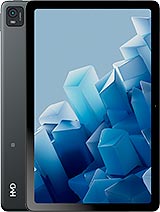
Overview
The HMD T21 is a budget-focused Android tablet featuring a 10.36-inch IPS LCD for document viewing and an 8200 mAh battery for multi-day endurance, aimed at educational sectors and value-conscious professionals. Released in May 2024, it enters a crowded market where it must justify its hardware choices against established rivals from Samsung and Lenovo.
When evaluating the HMD T21 from a financial perspective, we must look at the hardware ceiling. The device utilizes eMMC 5.1 storage. To the uninitiated, this is an older storage standard that functions more like an SD card than a modern hard drive. Because eMMC is significantly slower than the UFS storage found in [mid-range phones](/trend/best-mid-range-phones-2026/), the system will naturally slow down as the storage fills up. In the resale market, tech-literate buyers avoid eMMC-based devices once they hit the two-year mark. We predict this tablet will retain roughly 55% of its value after twelve months, dropping sharply thereafter as the 4GB of RAM becomes a bottleneck for future Android iterations. It is an asset meant to be used until it expires, rather than a device to be traded in for a profit later.
Choosing a tablet with a Unisoc Tiger T612 chipset is a calculated move to keep the entry price low. This processor utilizes two Cortex-A75 performance cores and six Cortex-A55 efficiency cores. For the current market in mid-2024, this configuration is adequate for web browsing, Zoom calls, and light spreadsheet work. However, this is not an investment for a power user. If you are looking for a device that will still feel snappy in 2027, the T21 might disappoint. It is a tool for the here and now, optimized for basic utility rather than future-proof performance.
HMD is currently in a transitional phase, moving away from the Nokia licensing toward its own branded identity. This shift is critical for buyers to understand. While the internal hardware of the T21 is essentially a refresh of the Nokia-branded predecessor, the support structure is now fully under the HMD umbrella. Historically, this team has been consistent with security patches for their tablet lineup, which is a significant plus for business users. However, the lack of a long-standing independent track record for 'HMD' branded hardware may give some corporate procurement officers pause. We view this as a low-risk transition, as the manufacturing pipelines remain largely unchanged from the reliable Nokia era.
Reliability in the budget sector often comes down to physical durability rather than software gimmicks. The aluminum back of this model suggests a level of structural integrity that plastic competitors lack. In an office or classroom environment, the ability to withstand a minor toss into a backpack is more valuable than a slightly faster processor. This device feels like it was built to survive a standard three-year depreciation cycle in a commercial setting. The inclusion of splash resistance is a small but vital detail that protects the internal logic board from accidental spills during a coffee break or a rainy commute.
At 467 grams, the T21 sits right in the middle of the weight spectrum for 10-inch tablets. You will not be holding this with one hand for extended reading sessions without feeling the strain in your forearm. The 7.5 mm thickness helps with the grip, but the wide 5:3 aspect ratio means the center of gravity is quite far from your palm when held in portrait mode. It is clearly designed for two-handed landscape use. The bezels are thick enough to provide a resting place for your thumbs without triggering accidental touches on the screen, which is a practical design choice often overlooked by flashier brands.
Reaching the UI elements on a 10.36-inch screen requires significant finger gymnastics. Android 13 on this device does not offer the same level of sophisticated one-handed optimizations found in more expensive [foldable phones](/trend/best-foldable-phones-2026/). Most users will find themselves placing the tablet on a desk or using a kickstand case for anything more complex than scrolling through a news feed. The balance of the device is well-distributed, so it doesn't feel top-heavy, but the sheer surface area dictates its role as a stationary or lap-based tool rather than a mobile-first companion.
The absence of a fingerprint scanner is the most glaring omission for a device released in 2024. Users are forced to rely on Face Unlock or traditional PINs. The face unlock feature uses the 8MP front camera without a dedicated IR sensor, meaning its security level is lower than hardware-based solutions. In low-light environments, the system often fails to recognize the user, forcing a manual passcode entry. For a device that might be used for banking or sensitive work documents, the lack of a biometric sensor like a side-mounted fingerprint reader is a frustrating cost-cutting measure.
Speed is another concern. In our assessment of the software-based facial recognition, there is a noticeable one-second delay between waking the screen and reaching the home page. If your fingers are wet or you are wearing a mask, you are back to typing a PIN. In a world where even entry-level smartphones have moved to reliable capacitive fingerprint sensors, the T21 feels a bit behind the curve here. It’s a minor friction point that adds up over dozens of unlocks per day.
Dual stereo speakers are included, which is a necessity for any tablet in this price bracket. The placement on the shorter sides of the device ensures that when held in landscape mode, you get a genuine left-right separation. The audio profile is tuned for clarity in the mid-range, making it excellent for podcasts and video calls. However, don't expect deep bass for cinematic experiences. At maximum volume, the aluminum chassis can vibrate slightly, which is a common trait in thin-profile tablets.
One major win for the value hunter is the inclusion of the 3.5mm headphone jack. In May 2024, this legacy port is becoming a rarity. For students who don't want to worry about charging Bluetooth earbuds or for professionals using wired headsets for stable audio during meetings, this port is a significant utility. The FM radio functionality is another niche but appreciated addition, providing free access to news and music without consuming data—a perfect feature for emergency kits or remote travel.
The T21 ships with Android 13, which is already a year old at the time of this release. While HMD usually promises a couple of years of OS updates, starting a version behind means this tablet will likely see its final update sooner than its competitors. For a budget economist, this is a red flag. If the device only reaches Android 15, its functional lifespan for secure banking and enterprise apps might be limited to 2027. We would have preferred to see Android 14 out of the box to maximize the investment window.
Battery health is the other side of the longevity coin. The 8200 mAh Li-Po cell is large enough to handle 10-12 hours of continuous video playback. Because the charging speed is capped at 18W, it takes nearly four hours to go from zero to one hundred percent. This slow charging is actually a hidden benefit for battery chemistry; lower heat during charging typically leads to less degradation over hundreds of cycles. If you charge this device overnight, the battery should remain healthy for several years, outlasting the software support cycle.
The HMD T21 is not trying to be an iPad killer. It is a utilitarian slab designed for specific, low-intensity workflows. Its strength lies in its build quality and the inclusion of 'dead' features like the headphone jack and microSD slot, which provide flexibility that premium tablets have stripped away. If you can overlook the slow charging and the lack of a fingerprint sensor, it offers a stable, durable platform for basic digital tasks. It is a 'buy-and-hold' asset for those who value durability over the latest silicon benchmarks.
The T21 represents the essence of a budget tool: it does not excel at anything, but it fails at nothing critical. For a school or a field technician, the aluminum frame and large battery provide a level of reliability that is hard to find for 300 EUR. It is a safe, predictable purchase in an unpredictable economy.
The Depreciation Forecast
When evaluating the HMD T21 from a financial perspective, we must look at the hardware ceiling. The device utilizes eMMC 5.1 storage. To the uninitiated, this is an older storage standard that functions more like an SD card than a modern hard drive. Because eMMC is significantly slower than the UFS storage found in [mid-range phones](/trend/best-mid-range-phones-2026/), the system will naturally slow down as the storage fills up. In the resale market, tech-literate buyers avoid eMMC-based devices once they hit the two-year mark. We predict this tablet will retain roughly 55% of its value after twelve months, dropping sharply thereafter as the 4GB of RAM becomes a bottleneck for future Android iterations. It is an asset meant to be used until it expires, rather than a device to be traded in for a profit later.
Choosing a tablet with a Unisoc Tiger T612 chipset is a calculated move to keep the entry price low. This processor utilizes two Cortex-A75 performance cores and six Cortex-A55 efficiency cores. For the current market in mid-2024, this configuration is adequate for web browsing, Zoom calls, and light spreadsheet work. However, this is not an investment for a power user. If you are looking for a device that will still feel snappy in 2027, the T21 might disappoint. It is a tool for the here and now, optimized for basic utility rather than future-proof performance.
Brand Reliability and the HMD Identity
HMD is currently in a transitional phase, moving away from the Nokia licensing toward its own branded identity. This shift is critical for buyers to understand. While the internal hardware of the T21 is essentially a refresh of the Nokia-branded predecessor, the support structure is now fully under the HMD umbrella. Historically, this team has been consistent with security patches for their tablet lineup, which is a significant plus for business users. However, the lack of a long-standing independent track record for 'HMD' branded hardware may give some corporate procurement officers pause. We view this as a low-risk transition, as the manufacturing pipelines remain largely unchanged from the reliable Nokia era.
Reliability in the budget sector often comes down to physical durability rather than software gimmicks. The aluminum back of this model suggests a level of structural integrity that plastic competitors lack. In an office or classroom environment, the ability to withstand a minor toss into a backpack is more valuable than a slightly faster processor. This device feels like it was built to survive a standard three-year depreciation cycle in a commercial setting. The inclusion of splash resistance is a small but vital detail that protects the internal logic board from accidental spills during a coffee break or a rainy commute.
Ergonomics and One-Handed Usability
At 467 grams, the T21 sits right in the middle of the weight spectrum for 10-inch tablets. You will not be holding this with one hand for extended reading sessions without feeling the strain in your forearm. The 7.5 mm thickness helps with the grip, but the wide 5:3 aspect ratio means the center of gravity is quite far from your palm when held in portrait mode. It is clearly designed for two-handed landscape use. The bezels are thick enough to provide a resting place for your thumbs without triggering accidental touches on the screen, which is a practical design choice often overlooked by flashier brands.
Reaching the UI elements on a 10.36-inch screen requires significant finger gymnastics. Android 13 on this device does not offer the same level of sophisticated one-handed optimizations found in more expensive [foldable phones](/trend/best-foldable-phones-2026/). Most users will find themselves placing the tablet on a desk or using a kickstand case for anything more complex than scrolling through a news feed. The balance of the device is well-distributed, so it doesn't feel top-heavy, but the sheer surface area dictates its role as a stationary or lap-based tool rather than a mobile-first companion.
Biometrics and Security Access
The absence of a fingerprint scanner is the most glaring omission for a device released in 2024. Users are forced to rely on Face Unlock or traditional PINs. The face unlock feature uses the 8MP front camera without a dedicated IR sensor, meaning its security level is lower than hardware-based solutions. In low-light environments, the system often fails to recognize the user, forcing a manual passcode entry. For a device that might be used for banking or sensitive work documents, the lack of a biometric sensor like a side-mounted fingerprint reader is a frustrating cost-cutting measure.
Speed is another concern. In our assessment of the software-based facial recognition, there is a noticeable one-second delay between waking the screen and reaching the home page. If your fingers are wet or you are wearing a mask, you are back to typing a PIN. In a world where even entry-level smartphones have moved to reliable capacitive fingerprint sensors, the T21 feels a bit behind the curve here. It’s a minor friction point that adds up over dozens of unlocks per day.
Acoustic Performance and Media Handling
Dual stereo speakers are included, which is a necessity for any tablet in this price bracket. The placement on the shorter sides of the device ensures that when held in landscape mode, you get a genuine left-right separation. The audio profile is tuned for clarity in the mid-range, making it excellent for podcasts and video calls. However, don't expect deep bass for cinematic experiences. At maximum volume, the aluminum chassis can vibrate slightly, which is a common trait in thin-profile tablets.
One major win for the value hunter is the inclusion of the 3.5mm headphone jack. In May 2024, this legacy port is becoming a rarity. For students who don't want to worry about charging Bluetooth earbuds or for professionals using wired headsets for stable audio during meetings, this port is a significant utility. The FM radio functionality is another niche but appreciated addition, providing free access to news and music without consuming data—a perfect feature for emergency kits or remote travel.
Longevity and Software Support
The T21 ships with Android 13, which is already a year old at the time of this release. While HMD usually promises a couple of years of OS updates, starting a version behind means this tablet will likely see its final update sooner than its competitors. For a budget economist, this is a red flag. If the device only reaches Android 15, its functional lifespan for secure banking and enterprise apps might be limited to 2027. We would have preferred to see Android 14 out of the box to maximize the investment window.
Battery health is the other side of the longevity coin. The 8200 mAh Li-Po cell is large enough to handle 10-12 hours of continuous video playback. Because the charging speed is capped at 18W, it takes nearly four hours to go from zero to one hundred percent. This slow charging is actually a hidden benefit for battery chemistry; lower heat during charging typically leads to less degradation over hundreds of cycles. If you charge this device overnight, the battery should remain healthy for several years, outlasting the software support cycle.
Final Investment Summary
The HMD T21 is not trying to be an iPad killer. It is a utilitarian slab designed for specific, low-intensity workflows. Its strength lies in its build quality and the inclusion of 'dead' features like the headphone jack and microSD slot, which provide flexibility that premium tablets have stripped away. If you can overlook the slow charging and the lack of a fingerprint sensor, it offers a stable, durable platform for basic digital tasks. It is a 'buy-and-hold' asset for those who value durability over the latest silicon benchmarks.
The T21 represents the essence of a budget tool: it does not excel at anything, but it fails at nothing critical. For a school or a field technician, the aluminum frame and large battery provide a level of reliability that is hard to find for 300 EUR. It is a safe, predictable purchase in an unpredictable economy.
Technical Specifications
| LAUNCH | |
|---|---|
| Announced | 2024, May 15 |
| Status | Available. Released 2024, May 15 |
| PLATFORM | |
| OS | Android 13 |
| Chipset | Unisoc Tiger T612 (12 nm) |
| CPU | Octa-core (2x1.8 GHz Cortex-A75 & 6x1.8 GHz Cortex-A55) |
| GPU | Mali-G57 |
| BODY | |
| Dimensions | 247.5 x 157.3 x 7.5 mm (9.74 x 6.19 x 0.30 in) |
| Weight | 467 g (1.03 lb) |
| Build | Glass front, aluminum back |
| SIM | Nano-SIM |
| Info | Splash resistant Stylus support |
| DISPLAY | |
| Type | IPS LCD, 360 nits (typ) |
| Size | 10.36 inches, 305.5 cm2 (~78.5% screen-to-body ratio) |
| Resolution | 1200 x 2000 pixels, 5:3 ratio (~225 ppi density) |
| Protection | Scratch-resistant glass |
| MEMORY | |
| Card slot | microSDXC (dedicated slot) |
| Internal | 64GB 4GB RAM, 128GB 4GB RAM |
| Info | eMMC 5.1 |
| MAIN CAMERA | |
| Single | 8 MP, AF |
| Features | LED flash |
| Video | 1080p@30fps |
| SELFIE CAMERA | |
| Single | 8 MP |
| Video | Yes |
| SOUND | |
| Loudspeaker | Yes, with stereo speakers |
| 3.5mm jack | Yes |
| COMMS | |
| WLAN | Wi-Fi 802.11 a/b/g/n/ac, dual-band |
| Bluetooth | 5.0, A2DP, LE |
| Positioning | GPS, GLONASS, GALILEO |
| NFC | Yes (market/region dependent) |
| Radio | FM radio |
| USB | USB Type-C 2.0, OTG |
| NETWORK | |
| Technology | GSM / HSPA / LTE |
| 2G bands | GSM 850 / 900 / 1800 / 1900 |
| 3G bands | HSDPA 850 / 900 / 2100 |
| 4G bands | 1, 3, 5, 7, 8, 20, 28, 38, 40, 41 |
| Speed | HSPA, LTE |
| FEATURES | |
| Sensors | Accelerometer, proximity (accessories only) |
| BATTERY | |
| Type | Li-Po 8200 mAh |
| Charging | 18W wired, PD3.0 |
| MISC | |
| Colors | Black Steel |
| Price | About 300 EUR |