Why the Honor Pad V8 Resets Expectations for Mid-Range Productivity
Overview
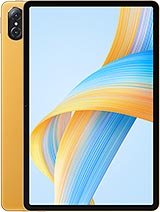
The Honor Pad V8 is a mid-range tablet featuring an 11.0-inch 120Hz IPS LCD for fluid visuals and a MediaTek Dimensity 8020 chipset for balanced performance, aimed at students and professionals seeking a high-refresh-rate ecosystem on a budget. Released in May 2023, it competes directly with the [Xiaomi Pad 6](/the-xiaomi-pad-6-reinvents-high-performance-portability/) and the base-model Apple iPad in the productivity and media consumption segment.
From our perspective as ecosystem analysts, the arrival of this slate signals a shift in how mid-tier hardware is prioritized. While many manufacturers cut corners on the display or the processor to maintain a low price point, Honor chose to lean into a high-performance 6nm architecture and a screen that refuses to settle for the standard 60Hz. The choice of the Dimensity 8020 is particularly telling; it utilizes four high-performance Cortex-A78 cores which allow for sustained multitasking that usually eludes tablets in the sub-300 EUR category. This is not just a media consumption device; it is a tool designed to sit at the center of a mobile workflow.
When evaluating a tablet for professional use, the haptic response is often the first thing to be sacrificed. On this model, the vibration motor provides a functional but standard feedback loop. It lacks the sharp, localized 'click' found in high-end flagship slates, but for system navigation, it serves its purpose. The real tactile story, however, lies in the interaction with the Honor Pencil 3. With a 15ms latency, the physical sensation of digital ink following the nib is remarkably close to real-world writing. This low latency is crucial for students taking rapid notes in lectures where even a slight delay can break the cognitive flow.
Typing on the virtual keyboard feels spacious thanks to the 16:10 aspect ratio. This wider canvas in landscape mode reduces the cramped sensation often felt on smaller 10-inch tablets. While the device supports magnetic keyboard attachments, the on-screen experience is bolstered by MagicOS 6.1's intelligent layout. The glass surface provides enough resistance to prevent fingers from sliding too quickly, maintaining a level of control required for long-form email composition. Users should expect a solid, non-flexing chassis that gives the impression of a single, continuous slab of hardware.
Audio quality defines the media experience, and the inclusion of four stereo speakers here is a significant win. The placement ensures that whether you are holding the device in portrait or landscape, you are not muffled by your palms. In our analysis, the sound profile favors the mid-range and highs, making it an excellent companion for video conferencing and podcasts. Vocal clarity is sharp, which is essential for professional use cases.
At higher volumes, the chassis manages resonance well. Many thin tablets (this one is only 7.4 mm) tend to vibrate unpleasantly when the volume exceeds 80%, but this handset maintains its composure. While you won't find deep, thumping bass—a limitation of any tablet this thin—the spatial separation provided by the four-speaker array creates a wider soundstage than the dual-speaker setups found on the standard iPad. It transforms a simple movie night into a much more immersive experience without requiring external Bluetooth speakers.
The Dimensity 8020 chipset, built on a 6nm process, is the engine that makes the price-to-performance ratio so compelling. For approximately 240 EUR, you are getting a processor that features four Cortex-A78 cores clocked at 2.6 GHz. This is a massive jump over the entry-level chips often seen in this price bracket. In real-world terms, this means the tablet handles intensive tasks like 4K video editing or heavy spreadsheet work without the stuttering that plagues lower-tier hardware.
However, we must address the charging speed. At 22.5W wired charging, the 7250 mAh battery takes a considerable amount of time to reach 100%. In an era where 65W charging is becoming common in the mobile space, this feels like a bottleneck. You are essentially forced to charge the device overnight. Despite this, the efficiency of the 6nm chip ensures that once it is charged, the tablet easily survives a full day of mixed use, including streaming and document editing. The trade-off is clear: you get high-end performance during use at the cost of slow refueling.
The primary competitor in this May 2023 window is the Xiaomi Pad 6. The Xiaomi offers a slightly higher resolution and a faster 144Hz screen, but the Honor model counters with a more cohesive software integration for users already within the Honor/Huawei ecosystem. While the Xiaomi might win on raw spec-sheet numbers for the display, the Honor Pad V8 provides a more balanced ergonomic feel. At 485 g, it is light enough for extended one-handed reading sessions, which is a frequent use case for students.
Another rival is the base iPad (9th and 10th Gen). While the iPad has the advantage of the App Store's tablet-optimized library, the Honor slate offers a much more modern design with slimmer bezels and a 120Hz refresh rate that makes iPadOS's 60Hz look dated. For users who prioritize multitasking and file management, the microSDXC slot on the Honor is a game-changer, allowing for cheap storage expansion that Apple notoriously blocks. Choosing the Honor over the iPad is a choice of hardware versatility over software polish.
Running Android 12 with MagicOS 6.1, the software experience is heavily geared toward productivity. Features like Multi-Window and APP Multiplier allow you to run multiple instances of the same app or split the screen between a research browser and a note-taking app. This is where the 8GB of RAM proves its worth, keeping background processes alive so you can switch between tasks without the tablet refreshing your apps.
One concern remains the long-term update cycle. Honor has been improving, but they still lag behind the five-year promises of Samsung or Apple. Buyers should expect at least two major OS updates, but in this mid-range segment, that is standard. The software is clean, with fewer 'bloatware' apps than we typically see from budget-focused brands, which helps maintain the snappy feel of the 120Hz interface. The Cortex-A55 efficiency cores handle these background OS tasks, ensuring the battery doesn't drain while the device is idling on your desk.
The IPS LCD panel is bright and color-accurate, though it lacks the infinite contrast of an OLED. What stands out is the oleophobic coating. Cheaper tablets often feel 'sticky' after a few hours of use as finger oils build up, but this panel remains relatively slick. This is vital for a device that relies so heavily on gesture navigation and stylus input. The 2560 x 1600 resolution results in a crisp 274 ppi, meaning text in digital textbooks looks sharp and printed, rather than pixelated.
Using the tablet under bright office lights reveals a decent anti-reflective coating. While not quite top-tier, it minimizes the 'mirror effect' that can make LCD tablets difficult to use near windows. The 16:10 ratio is the sweet spot for productivity; it is tall enough for comfortable document reading in portrait mode and wide enough for cinematic content in landscape. The interaction between the finger and the glass is smooth, further emphasizing the high-refresh-rate experience that defines this hardware.
The Honor Pad V8 is a calculated success. It identifies the most important sensory touchpoints for a user—display fluidity, audio immersion, and stylus response—and maximizes them while making acceptable cuts in charging speed and camera hardware. It feels more expensive than its 240 EUR price tag suggests, primarily because it doesn't compromise on the core interaction speed. For the student or the mobile professional, this is a highly competent alternative to the dominant players in the market.
From our perspective as ecosystem analysts, the arrival of this slate signals a shift in how mid-tier hardware is prioritized. While many manufacturers cut corners on the display or the processor to maintain a low price point, Honor chose to lean into a high-performance 6nm architecture and a screen that refuses to settle for the standard 60Hz. The choice of the Dimensity 8020 is particularly telling; it utilizes four high-performance Cortex-A78 cores which allow for sustained multitasking that usually eludes tablets in the sub-300 EUR category. This is not just a media consumption device; it is a tool designed to sit at the center of a mobile workflow.
The Tactile Feedback and Typing Experience
When evaluating a tablet for professional use, the haptic response is often the first thing to be sacrificed. On this model, the vibration motor provides a functional but standard feedback loop. It lacks the sharp, localized 'click' found in high-end flagship slates, but for system navigation, it serves its purpose. The real tactile story, however, lies in the interaction with the Honor Pencil 3. With a 15ms latency, the physical sensation of digital ink following the nib is remarkably close to real-world writing. This low latency is crucial for students taking rapid notes in lectures where even a slight delay can break the cognitive flow.
Typing on the virtual keyboard feels spacious thanks to the 16:10 aspect ratio. This wider canvas in landscape mode reduces the cramped sensation often felt on smaller 10-inch tablets. While the device supports magnetic keyboard attachments, the on-screen experience is bolstered by MagicOS 6.1's intelligent layout. The glass surface provides enough resistance to prevent fingers from sliding too quickly, maintaining a level of control required for long-form email composition. Users should expect a solid, non-flexing chassis that gives the impression of a single, continuous slab of hardware.
Quad-Speaker Sonic Architecture
Audio quality defines the media experience, and the inclusion of four stereo speakers here is a significant win. The placement ensures that whether you are holding the device in portrait or landscape, you are not muffled by your palms. In our analysis, the sound profile favors the mid-range and highs, making it an excellent companion for video conferencing and podcasts. Vocal clarity is sharp, which is essential for professional use cases.
At higher volumes, the chassis manages resonance well. Many thin tablets (this one is only 7.4 mm) tend to vibrate unpleasantly when the volume exceeds 80%, but this handset maintains its composure. While you won't find deep, thumping bass—a limitation of any tablet this thin—the spatial separation provided by the four-speaker array creates a wider soundstage than the dual-speaker setups found on the standard iPad. It transforms a simple movie night into a much more immersive experience without requiring external Bluetooth speakers.
Price Performance and the Dimensity 8020
The Dimensity 8020 chipset, built on a 6nm process, is the engine that makes the price-to-performance ratio so compelling. For approximately 240 EUR, you are getting a processor that features four Cortex-A78 cores clocked at 2.6 GHz. This is a massive jump over the entry-level chips often seen in this price bracket. In real-world terms, this means the tablet handles intensive tasks like 4K video editing or heavy spreadsheet work without the stuttering that plagues lower-tier hardware.
However, we must address the charging speed. At 22.5W wired charging, the 7250 mAh battery takes a considerable amount of time to reach 100%. In an era where 65W charging is becoming common in the mobile space, this feels like a bottleneck. You are essentially forced to charge the device overnight. Despite this, the efficiency of the 6nm chip ensures that once it is charged, the tablet easily survives a full day of mixed use, including streaming and document editing. The trade-off is clear: you get high-end performance during use at the cost of slow refueling.
Rivalry: Honor Pad V8 vs. Xiaomi Pad 6
The primary competitor in this May 2023 window is the Xiaomi Pad 6. The Xiaomi offers a slightly higher resolution and a faster 144Hz screen, but the Honor model counters with a more cohesive software integration for users already within the Honor/Huawei ecosystem. While the Xiaomi might win on raw spec-sheet numbers for the display, the Honor Pad V8 provides a more balanced ergonomic feel. At 485 g, it is light enough for extended one-handed reading sessions, which is a frequent use case for students.
Another rival is the base iPad (9th and 10th Gen). While the iPad has the advantage of the App Store's tablet-optimized library, the Honor slate offers a much more modern design with slimmer bezels and a 120Hz refresh rate that makes iPadOS's 60Hz look dated. For users who prioritize multitasking and file management, the microSDXC slot on the Honor is a game-changer, allowing for cheap storage expansion that Apple notoriously blocks. Choosing the Honor over the iPad is a choice of hardware versatility over software polish.
Software Support and MagicOS Realities
Running Android 12 with MagicOS 6.1, the software experience is heavily geared toward productivity. Features like Multi-Window and APP Multiplier allow you to run multiple instances of the same app or split the screen between a research browser and a note-taking app. This is where the 8GB of RAM proves its worth, keeping background processes alive so you can switch between tasks without the tablet refreshing your apps.
One concern remains the long-term update cycle. Honor has been improving, but they still lag behind the five-year promises of Samsung or Apple. Buyers should expect at least two major OS updates, but in this mid-range segment, that is standard. The software is clean, with fewer 'bloatware' apps than we typically see from budget-focused brands, which helps maintain the snappy feel of the 120Hz interface. The Cortex-A55 efficiency cores handle these background OS tasks, ensuring the battery doesn't drain while the device is idling on your desk.
Screen Texture and Surface Quality
The IPS LCD panel is bright and color-accurate, though it lacks the infinite contrast of an OLED. What stands out is the oleophobic coating. Cheaper tablets often feel 'sticky' after a few hours of use as finger oils build up, but this panel remains relatively slick. This is vital for a device that relies so heavily on gesture navigation and stylus input. The 2560 x 1600 resolution results in a crisp 274 ppi, meaning text in digital textbooks looks sharp and printed, rather than pixelated.
Using the tablet under bright office lights reveals a decent anti-reflective coating. While not quite top-tier, it minimizes the 'mirror effect' that can make LCD tablets difficult to use near windows. The 16:10 ratio is the sweet spot for productivity; it is tall enough for comfortable document reading in portrait mode and wide enough for cinematic content in landscape. The interaction between the finger and the glass is smooth, further emphasizing the high-refresh-rate experience that defines this hardware.
Final Sensory Judgment
The Honor Pad V8 is a calculated success. It identifies the most important sensory touchpoints for a user—display fluidity, audio immersion, and stylus response—and maximizes them while making acceptable cuts in charging speed and camera hardware. It feels more expensive than its 240 EUR price tag suggests, primarily because it doesn't compromise on the core interaction speed. For the student or the mobile professional, this is a highly competent alternative to the dominant players in the market.
Technical Specifications
| LAUNCH | |
|---|---|
| Announced | 2023, April 28 |
| Status | Available. Released 2023, May 08 |
| PLATFORM | |
| OS | Android 12, MagicOS 6.1 |
| Chipset | Mediatek Dimensity 8020 (6 nm) |
| CPU | Octa-core (4x2.6 GHz Cortex-A78 & 4x2.0 GHz Cortex-A55) |
| BODY | |
| Dimensions | 252.1 x 163.6 x 7.4 mm (9.93 x 6.44 x 0.29 in) |
| Weight | 485 g (1.07 lb) |
| SIM | No |
| Info | Honor Pencil 3 (15ms latency) |
| DISPLAY | |
| Type | IPS LCD, 120Hz |
| Size | 11.0 inches, 350.9 cm2 (~85.1% screen-to-body ratio) |
| Resolution | 2560 x 1600 pixels, 16:10 ratio (~274 ppi density) |
| MEMORY | |
| Card slot | microSDXC (dedicated slot) |
| Internal | 128GB 8GB RAM, 256GB 8GB RAM |
| MAIN CAMERA | |
| Dual | 13 MP, f/1.8, (wide), 1/3.0", AF 2 MP (macro) |
| Features | LED flash |
| Video | 4K@30fps, 1080p@30fps |
| SELFIE CAMERA | |
| Single | 5 MP, f/2.2 |
| Video | 1080p@30fps |
| SOUND | |
| Loudspeaker | Yes, with stereo speakers (4 speakers) |
| 3.5mm jack | No |
| COMMS | |
| WLAN | Wi-Fi 802.11 a/b/g/n/ac/6, dual-band |
| Bluetooth | 5.1, A2DP, LE |
| Positioning | GPS, GLONASS, BDS |
| NFC | No |
| Radio | No |
| USB | USB Type-C, magnetic connector |
| NETWORK | |
| Technology | No cellular connectivity |
| 2G bands | N/A |
| 3G bands | N/A |
| 4G bands | N/A |
| GPRS | N/A |
| EDGE | N/A |
| FEATURES | |
| Sensors | Accelerometer, gyro, compass |
| BATTERY | |
| Type | Li-Po 7250 mAh |
| Charging | 22.5W wired |
| MISC | |
| Display | 11.0-inch IPS LCD, 120Hz, 2560 x 1600 pixels |
| Processor | MediaTek Dimensity 8020 (6 nm) Octa-core |
| Memory | 8GB RAM with 128GB/256GB Internal Storage |
| Software | Android 12, MagicOS 6.1 |
| Battery | 7250 mAh Li-Po, 22.5W Wired Charging |
| Main Camera | 13 MP Wide (f/1.8) + 2 MP Macro, 4K@30fps Video |
| Selfie Camera | 5 MP, f/2.2, 1080p@30fps Video |
| Audio | 4 Stereo Speakers, No 3.5mm Jack |
| Connectivity | Wi-Fi 6, Bluetooth 5.1, USB Type-C |
| Dimensions | 252.1 x 163.6 x 7.4 mm; 485 g |
| Colors | Blue, Gold |
| Models | BRT-W09 |
| Price | About 240 EUR |