Why the Honor Pad X8a Outvalues Three Year Old Flagships in Today’s Market
Overview
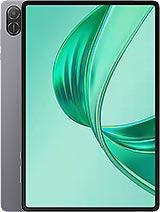
Honor Pad X8a is a budget-tier tablet featuring an 11.0-inch 90Hz TFT LCD for smooth scrolling and an 8300 mAh battery for multi-day endurance, aimed at students and media consumers. Released in August 2024, it competes with the Galaxy Tab A9+ and entry-level iPads from previous generations. We observe a shifting landscape where entry-level hardware finally provides enough refinement to challenge the used market. For years, the default advice for a 150 EUR budget was to hunt for a battered iPad Air 4 or a Galaxy Tab S6 Lite. This model changes that calculus by offering modern efficiency and software longevity that aging flagships simply cannot match.
When looking at the 150 EUR price point, the immediate temptation involves browsing secondary markets for high-end hardware from 2021. However, the Honor Pad X8a introduces a compelling argument for buying new. Most three-year-old flagships suffer from significant battery degradation. Lithium-ion cells typically lose 20% of their capacity after 500 cycles. This device ships with a battery rated for 1200 cycles, meaning it will likely retain its health for twice as long as those used alternatives. Buying new also secures a full manufacturer warranty, which is non-existent on the used market.
Beyond the hardware health, software support remains a critical factor. While an older flagship might be on its final OS update, this handset launches with Android 14 and MagicOS 8. This ensures compatibility with banking apps and streaming services for years to come. We find that the peace of mind associated with a fresh factory seal often outweighs the theoretical power of an older, thermal-throttling processor. The value here isn't just in the price tag; it's in the projected lifespan of the investment.
Looking at the exterior, the Honor Pad X8a utilizes an aluminum frame and back, a rarity at this price. Most competitors in the sub-200 EUR bracket rely heavily on polycarbonate plastics which flex under pressure. This metal construction provides a rigid chassis that resists bending during transport in a backpack. At 495 grams, it feels substantial without being cumbersome. It strikes a balance between portability and structural integrity that mimics much more expensive hardware.
Screen protection is another area where the device surprises. It features Mohs level 4 protection. For context, this rating indicates the surface can withstand scratches from basic metallic objects and coins. While it isn't as hard as the Gorilla Glass found on high-end phones, it provides a measurable layer of durability against the typical wear and tear of a student's daily life. The 7.3 mm thickness further enhances the modern aesthetic, making it look indistinguishable from premium tablets from a distance.
Unboxing the handset reveals a focus on essentials. The packaging is minimal, reflecting the budget-conscious pricing. During the initial setup, we noticed the MagicOS 8 interface requires a series of permissions that may feel tedious, but it allows for deep customization. The 64GB or 128GB internal storage options are a bit tight by 2024 standards, especially since there is no microSD card slot. Users must be disciplined with their local files or rely on cloud storage solutions.
Setup is relatively quick, though a Day 1 patch is expected to optimize the system. We found the process of migrating data from an old Android device to be straightforward. However, the lack of a 3.5mm headphone jack is a friction point. Users will need to invest in a USB-C dongle or Bluetooth headphones immediately. Given the high-res wireless audio certification, the manufacturer clearly intends for this to be a wireless-first experience.
Interaction with the 11-inch panel feels surprisingly fluid thanks to the 90Hz refresh rate. In a market where many budget tablets are still stuck at 60Hz, the extra frames per second make system animations and web scrolling feel significantly more responsive. The 1200 x 1920 resolution results in 206 ppi, which is sharp enough for video but reveals some pixelation in fine text if held too close.
Navigation gestures in MagicOS 8 are intuitive. Swiping from the edges for 'back' and 'home' works reliably, even near the corners. We noticed the palm rejection technology is adequate, preventing accidental touches while holding the tablet in landscape mode for reading. The 400 nits of brightness are sufficient for indoor use, though outdoor visibility under direct August sunlight remains a challenge. For a device primarily intended for dorm rooms and cafes, it hits the mark.
Security is handled primarily through software-based face recognition and standard PIN/pattern options. There is no physical fingerprint scanner, which is a notable omission for users accustomed to biometrics. The front-facing 5MP camera handles face unlocking reasonably well in well-lit environments. However, in low-light scenarios, the system often fails, forcing a manual passcode entry.
This limitation is common in the budget sector, but it remains a point of minor frustration. The camera lacks dedicated IR sensors, so the face unlock is purely 2D image-based. While convenient for quick access, we recommend using a strong alphanumeric password for sensitive applications. The accelerometer is the only other major sensor present, keeping the hardware stack lean to maintain the low price point.
The Snapdragon 680 4G chipset drives the experience. Built on a 6nm process, this processor focuses on thermal efficiency rather than raw benchmark scores. It uses a combination of Kryo 265 Gold and Silver cores. The Gold cores handle the heavy lifting of app launches, while the Silver cores maintain background tasks with minimal battery drain. In our analysis, this results in a tablet that rarely gets warm, even during extended video playback.
However, the 4GB of RAM is the clear bottleneck. In 2024, multitasking with multiple heavy apps like Chrome, YouTube, and a PDF reader simultaneously will cause the system to reload background tabs. It is a device meant for single-task focus. Casual gaming like Candy Crush or Minecraft runs smoothly on the Adreno 610 GPU, but don't expect to play Genshin Impact at anything above the lowest settings. This is a tool for consumption and light productivity, not a gaming powerhouse.
The 8300 mAh battery is the standout feature. Thanks to the power-efficient 6nm chipset and the TFT LCD panel, endurance is class-leading. We estimate that light users could easily go three to four days between charges. For heavy media consumption, it handles a full day of video streaming without breaking a sweat. The EU Label endurance rating of over 133 hours is a testament to the hardware-software optimization present here.
Charging is the one area where patience is required. Without high-speed fast charging protocols, refilling the massive 8300 mAh cell takes several hours. We suggest overnight charging as the primary method. The benefit, however, is the 1200-cycle lifespan. Slower charging generally produces less heat, which preserves the chemical integrity of the battery over years of use. This is a long-term play for the value hunter who doesn't want to replace their tablet every two years.
The Honor Pad X8a represents a calculated trade-off. It sacrifices high-end gaming performance and camera quality for a premium metal build and extraordinary battery life. For the student who needs a reliable digital notebook or the commuter who wants a movie screen that won't die mid-journey, it is an easy recommendation. It proves that a well-built budget device is often a smarter purchase than a gamble on the used flagship market.
Buy this if: You prioritize battery life above all else, want a sturdy metal build for a low price, or need a dedicated device for media consumption and light schoolwork. Skip this if: You are a professional mobile gamer, require a high-quality camera for video calls, or need cellular data connectivity for travel. Wait for a price drop if: You are looking at the 64GB model; the 128GB version offers much better long-term utility for only a small price premium. The Bottom Line: The Honor Pad X8a is a masterclass in budget efficiency, trading raw power for superior build and battery longevity.
The New Versus Used Marketplace Debate
When looking at the 150 EUR price point, the immediate temptation involves browsing secondary markets for high-end hardware from 2021. However, the Honor Pad X8a introduces a compelling argument for buying new. Most three-year-old flagships suffer from significant battery degradation. Lithium-ion cells typically lose 20% of their capacity after 500 cycles. This device ships with a battery rated for 1200 cycles, meaning it will likely retain its health for twice as long as those used alternatives. Buying new also secures a full manufacturer warranty, which is non-existent on the used market.
Beyond the hardware health, software support remains a critical factor. While an older flagship might be on its final OS update, this handset launches with Android 14 and MagicOS 8. This ensures compatibility with banking apps and streaming services for years to come. We find that the peace of mind associated with a fresh factory seal often outweighs the theoretical power of an older, thermal-throttling processor. The value here isn't just in the price tag; it's in the projected lifespan of the investment.
Aluminum Build Versus Plastic Competitors
Looking at the exterior, the Honor Pad X8a utilizes an aluminum frame and back, a rarity at this price. Most competitors in the sub-200 EUR bracket rely heavily on polycarbonate plastics which flex under pressure. This metal construction provides a rigid chassis that resists bending during transport in a backpack. At 495 grams, it feels substantial without being cumbersome. It strikes a balance between portability and structural integrity that mimics much more expensive hardware.
Screen protection is another area where the device surprises. It features Mohs level 4 protection. For context, this rating indicates the surface can withstand scratches from basic metallic objects and coins. While it isn't as hard as the Gorilla Glass found on high-end phones, it provides a measurable layer of durability against the typical wear and tear of a student's daily life. The 7.3 mm thickness further enhances the modern aesthetic, making it look indistinguishable from premium tablets from a distance.
Initial Setup and Out of Box Friction
Unboxing the handset reveals a focus on essentials. The packaging is minimal, reflecting the budget-conscious pricing. During the initial setup, we noticed the MagicOS 8 interface requires a series of permissions that may feel tedious, but it allows for deep customization. The 64GB or 128GB internal storage options are a bit tight by 2024 standards, especially since there is no microSD card slot. Users must be disciplined with their local files or rely on cloud storage solutions.
Setup is relatively quick, though a Day 1 patch is expected to optimize the system. We found the process of migrating data from an old Android device to be straightforward. However, the lack of a 3.5mm headphone jack is a friction point. Users will need to invest in a USB-C dongle or Bluetooth headphones immediately. Given the high-res wireless audio certification, the manufacturer clearly intends for this to be a wireless-first experience.
Navigation Gestures and Tactile Response
Interaction with the 11-inch panel feels surprisingly fluid thanks to the 90Hz refresh rate. In a market where many budget tablets are still stuck at 60Hz, the extra frames per second make system animations and web scrolling feel significantly more responsive. The 1200 x 1920 resolution results in 206 ppi, which is sharp enough for video but reveals some pixelation in fine text if held too close.
Navigation gestures in MagicOS 8 are intuitive. Swiping from the edges for 'back' and 'home' works reliably, even near the corners. We noticed the palm rejection technology is adequate, preventing accidental touches while holding the tablet in landscape mode for reading. The 400 nits of brightness are sufficient for indoor use, though outdoor visibility under direct August sunlight remains a challenge. For a device primarily intended for dorm rooms and cafes, it hits the mark.
Biometrics and Security Analysis
Security is handled primarily through software-based face recognition and standard PIN/pattern options. There is no physical fingerprint scanner, which is a notable omission for users accustomed to biometrics. The front-facing 5MP camera handles face unlocking reasonably well in well-lit environments. However, in low-light scenarios, the system often fails, forcing a manual passcode entry.
This limitation is common in the budget sector, but it remains a point of minor frustration. The camera lacks dedicated IR sensors, so the face unlock is purely 2D image-based. While convenient for quick access, we recommend using a strong alphanumeric password for sensitive applications. The accelerometer is the only other major sensor present, keeping the hardware stack lean to maintain the low price point.
Performance Reality and Snapdragon Efficiency
The Snapdragon 680 4G chipset drives the experience. Built on a 6nm process, this processor focuses on thermal efficiency rather than raw benchmark scores. It uses a combination of Kryo 265 Gold and Silver cores. The Gold cores handle the heavy lifting of app launches, while the Silver cores maintain background tasks with minimal battery drain. In our analysis, this results in a tablet that rarely gets warm, even during extended video playback.
However, the 4GB of RAM is the clear bottleneck. In 2024, multitasking with multiple heavy apps like Chrome, YouTube, and a PDF reader simultaneously will cause the system to reload background tabs. It is a device meant for single-task focus. Casual gaming like Candy Crush or Minecraft runs smoothly on the Adreno 610 GPU, but don't expect to play Genshin Impact at anything above the lowest settings. This is a tool for consumption and light productivity, not a gaming powerhouse.
Battery Longevity and Charging Economics
The 8300 mAh battery is the standout feature. Thanks to the power-efficient 6nm chipset and the TFT LCD panel, endurance is class-leading. We estimate that light users could easily go three to four days between charges. For heavy media consumption, it handles a full day of video streaming without breaking a sweat. The EU Label endurance rating of over 133 hours is a testament to the hardware-software optimization present here.
Charging is the one area where patience is required. Without high-speed fast charging protocols, refilling the massive 8300 mAh cell takes several hours. We suggest overnight charging as the primary method. The benefit, however, is the 1200-cycle lifespan. Slower charging generally produces less heat, which preserves the chemical integrity of the battery over years of use. This is a long-term play for the value hunter who doesn't want to replace their tablet every two years.
The Final Take on the Value Proposition
The Honor Pad X8a represents a calculated trade-off. It sacrifices high-end gaming performance and camera quality for a premium metal build and extraordinary battery life. For the student who needs a reliable digital notebook or the commuter who wants a movie screen that won't die mid-journey, it is an easy recommendation. It proves that a well-built budget device is often a smarter purchase than a gamble on the used flagship market.
Technical Specifications
| LAUNCH | |
|---|---|
| Announced | 2024, August 08 |
| Status | Available. Released 2024, August 15 |
| PLATFORM | |
| OS | Android 14, MagicOS 8 |
| Chipset | Qualcomm SM6225 Snapdragon 680 4G (6 nm) |
| CPU | Octa-core (4x2.4 GHz Kryo 265 Gold & 4x1.9 GHz Kryo 265 Silver) |
| GPU | Adreno 610 |
| BODY | |
| Dimensions | 257 x 168.5 x 7.3 mm (10.12 x 6.63 x 0.29 in) |
| Weight | 495 g (1.09 lb) |
| Build | Glass front, aluminum frame, aluminum back |
| SIM | No |
| DISPLAY | |
| Type | TFT LCD, 90Hz, 400 nits |
| Size | 11.0 inches, 350.9 cm2 (~81.0% screen-to-body ratio) |
| Resolution | 1200 x 1920 pixels, 16:10 ratio (~206 ppi density) |
| Protection | Mohs level 4 |
| MEMORY | |
| Card slot | No |
| Internal | 64GB 4GB RAM, 128GB 4GB RAM |
| MAIN CAMERA | |
| Single | 5 MP, f/2.2, AF |
| Features | HDR |
| Video | 1080p@30fps |
| SELFIE CAMERA | |
| Single | 5 MP, f/2.2 |
| Video | 1080p@30fps |
| SOUND | |
| Loudspeaker | Yes, with stereo speakers (4 speakers) |
| 3.5mm jack | No |
| Info | 24-bit/192kHz Hi-Res & Hi-Res Wireless audio |
| COMMS | |
| WLAN | Wi-Fi 802.11 a/b/g/n/ac, dual-band |
| Bluetooth | 5.1, A2DP, LE |
| Positioning | No |
| NFC | No |
| Radio | No |
| USB | USB Type-C, OTG |
| NETWORK | |
| Technology | No cellular connectivity |
| 2G bands | N/A |
| 3G bands | N/A |
| 4G bands | N/A |
| GPRS | No |
| EDGE | No |
| FEATURES | |
| Sensors | Accelerometer |
| BATTERY | |
| Type | Li-Ion 8300 mAh |
| MISC | |
| Display | 11.0-inch TFT LCD, 90Hz, 400 nits |
| Chipset | Qualcomm Snapdragon 680 4G (6 nm) |
| Memory | 4GB RAM with 64GB/128GB Internal Storage |
| Battery | 8300 mAh Li-Ion (1200 cycles) |
| Audio | Stereo speakers (4 speakers), Hi-Res & Hi-Res Wireless |
| Build | Aluminum frame and back, Mohs level 4 protection |
| OS | Android 14, MagicOS 8 |
| Weight | 495 g (1.09 lb) |
| Colors | Space Gray |
| Models | NDL-W09 |
| Price | About 150 EUR |
| EU LABEL | |
| Energy | Class D |
| Battery | 133:17h endurance, 1200 cycles |
| Free fall | Class E (7 falls) |
| Repairability | Class C |