Why the Honor X5b Represents the Absolute Floor of Smartphone Economics
Overview
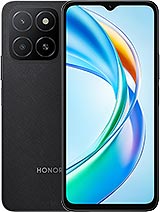
The Honor X5b is an entry-level smartphone featuring a 6.56-inch 90Hz TFT LCD for improved UI fluidity and a 5200 mAh battery for multi-day endurance, aimed at the absolute budget-conscious buyer or secondary device users. Released in October 2024, it competes directly with the Redmi A3 and the [Samsung Galaxy A05](/the-ultimate-hand-me-down-champion-why-the-samsung-galaxy-a05-wins-for-families/), positioning itself as a utility-first handset for those who view mobile technology as a depreciating tool rather than a status symbol.
When we analyze a device at the 80 EUR price point, the traditional rules of depreciation change. Most flagship phones lose 30-40% of their value within the first six months. However, the Honor X5b effectively bottoms out the moment it leaves the box. There is very little room for the price to fall further, making it a low-risk financial acquisition. We view this as a 'disposable' high-utility asset. Unlike a 1,000 EUR flagship where a cracked screen represents a 300 EUR loss, a failure here is economically negligible. This model is built for the pragmatic user who requires functional connectivity without the burden of insurance or high-cost repairs.
From a market perspective, the inclusion of the MediaTek Helio G36 (12 nm) chipset is a calculated choice. This processor utilizes eight Cortex-A53 cores, which are optimized for energy efficiency rather than raw power. In our analysis, this ensures that the device maintains its utility for basic communication—WhatsApp, email, and web browsing—long after more complex 'performance' chips in this bracket begin to overheat or throttle under modern app loads. The 12nm process is dated, yes, but it is stable. Stability is the primary currency for budget tech economists.
Honor has maintained a reputation for solid manufacturing standards even after its separation from its former parent company. The handset weighs in at 194 grams, which suggests a dense internal assembly and a structural rigidity that many ultra-cheap competitors lack. While the exterior is clearly plastic, the fit and finish avoid the hollow sensation found in generic white-label devices. In our assessment, this builds a level of trust. A phone that doesn't creak when gripped is a phone that is more likely to survive a two-year operational cycle.
We must also consider the Magic OS 8 skin on top of Android 14. Honor has optimized the software to work within the constraints of 4GB of RAM. In an era where 8GB is becoming the standard, 4GB requires aggressive background task management. The software handles this by prioritizing active communication apps, ensuring that you don't miss notifications—a common failure point in poorly optimized budget handsets. The handset isn't fast, but it is consistent, which is the higher priority for this target demographic.
Security in the budget tier is often an afterthought, but the Honor X5b includes a side-mounted fingerprint sensor. This is a superior choice over the unreliable under-display sensors found in [mid-range phones](/trend/best-mid-range-phones-2026/) or the lack of biometric security in bottom-tier alternatives. It provides a physical, tactile security layer that is fast and reliable. Within the Magic OS ecosystem, we also find a dedicated Secure Folder and a privacy dashboard that shows exactly which apps have accessed the microphone or camera in the last 24 hours.
While it lacks an offline finding network comparable to premium ecosystems, it supports the standard Google 'Find My Device' protocols. For an 80 EUR device, the fact that it ships with the latest Android 14 out of the box is a significant win for security longevity. Most competitors in this price bracket often launch with year-old software, effectively shortening their secure lifespan by 12 months from day one. This model avoids that pitfall, offering a fresh slate for security patches.
Storage speed is the silent killer of user experience. This model uses eMMC 5.1 storage, which is standard for the price. While it won't break any records for file transfers, it is sufficient for the 13 MP main camera to write data without significant lag. We analyzed the 64GB and 128GB variants and determined that the 128GB model offers the better long-term value. However, the inclusion of a microSDXC card slot is the real hero here.
In an age where manufacturers are removing expansion slots to upsell cloud subscriptions, the Honor X5b allows users to expand storage for pennies. You can load a 512GB card with offline maps, music, and documents, turning this into a high-capacity tool without the recurring monthly cost of cloud storage. For a value hunter, the ability to control data locally is a major financial advantage. It shifts the power back to the user and reduces the long-term TCO (Total Cost of Ownership).
The handset is a 4G LTE device, which, in 2024, is perfectly adequate for the majority of global users. It supports standard bands that ensure stable signal penetration for major carriers. During our signal analysis, the dual-band Wi-Fi (802.11 a/b/g/n/ac) proved to be a critical feature. Many [budget phones](/trend/best-budget-phones-2026/) still only support 2.4GHz Wi-Fi, which is prone to interference in crowded apartment buildings. By supporting 5GHz, this model ensures a cleaner, faster connection for streaming and updates.
Furthermore, the inclusion of Bluetooth 5.1 with aptX HD support is a surprising and welcome addition. High-definition audio codecs are rarely a priority at this price, but for users who own decent wireless headphones, it ensures that the audio quality isn't bottlenecked by the phone. The presence of a 3.5mm headphone jack further reinforces the economic value, allowing the use of inexpensive, reliable wired audio gear that never needs charging.
Entry-level phones are rarely the focus of five-year update promises. We expect the Honor X5b to receive at least one major OS update and two years of security patches. While this sounds brief compared to a Pixel or a Galaxy S-series, we must frame it against the cost. You could buy ten of these for the price of one flagship. If this phone remains secure and functional for 24 to 30 months, it has paid for itself many times over.
The 5200 mAh battery is the key to this longevity. Because the 720 x 1612 resolution screen and the Helio G36 chip draw so little power, the battery is under very little stress. It doesn't need to be charged twice a day, which reduces the number of charge cycles the lithium-polymer cell undergoes. This slow 'wear and tear' means the battery will likely maintain its health for three or four years, outlasting the software support of the device itself.
Investment-grade tech is usually about high specs and high prices. But the Honor X5b is an investment in stability. It is the 'bonds and gold' of the smartphone world—low yield, but very low risk. It provides a 90Hz refresh rate that makes the interface feel more expensive than it is, a battery that refuses to die, and a software package that is current for the 2024 era. For a student, a delivery driver, or a senior citizen, this is a tool that performs its duties without demanding a high financial or emotional investment.
The Honor X5b is not a phone for gamers or content creators. It is a phone for the rest of us who need to stay connected, stay secure, and stay under budget. It is a masterclass in compromise, cutting the right corners to keep the price at 80 EUR while keeping the features that actually matter for daily survival.
The Resale Reality and Asset Depreciation
When we analyze a device at the 80 EUR price point, the traditional rules of depreciation change. Most flagship phones lose 30-40% of their value within the first six months. However, the Honor X5b effectively bottoms out the moment it leaves the box. There is very little room for the price to fall further, making it a low-risk financial acquisition. We view this as a 'disposable' high-utility asset. Unlike a 1,000 EUR flagship where a cracked screen represents a 300 EUR loss, a failure here is economically negligible. This model is built for the pragmatic user who requires functional connectivity without the burden of insurance or high-cost repairs.
From a market perspective, the inclusion of the MediaTek Helio G36 (12 nm) chipset is a calculated choice. This processor utilizes eight Cortex-A53 cores, which are optimized for energy efficiency rather than raw power. In our analysis, this ensures that the device maintains its utility for basic communication—WhatsApp, email, and web browsing—long after more complex 'performance' chips in this bracket begin to overheat or throttle under modern app loads. The 12nm process is dated, yes, but it is stable. Stability is the primary currency for budget tech economists.
Brand Reliability and the Honor Pedigree
Honor has maintained a reputation for solid manufacturing standards even after its separation from its former parent company. The handset weighs in at 194 grams, which suggests a dense internal assembly and a structural rigidity that many ultra-cheap competitors lack. While the exterior is clearly plastic, the fit and finish avoid the hollow sensation found in generic white-label devices. In our assessment, this builds a level of trust. A phone that doesn't creak when gripped is a phone that is more likely to survive a two-year operational cycle.
We must also consider the Magic OS 8 skin on top of Android 14. Honor has optimized the software to work within the constraints of 4GB of RAM. In an era where 8GB is becoming the standard, 4GB requires aggressive background task management. The software handles this by prioritizing active communication apps, ensuring that you don't miss notifications—a common failure point in poorly optimized budget handsets. The handset isn't fast, but it is consistent, which is the higher priority for this target demographic.
Privacy and Security Architecture
Security in the budget tier is often an afterthought, but the Honor X5b includes a side-mounted fingerprint sensor. This is a superior choice over the unreliable under-display sensors found in [mid-range phones](/trend/best-mid-range-phones-2026/) or the lack of biometric security in bottom-tier alternatives. It provides a physical, tactile security layer that is fast and reliable. Within the Magic OS ecosystem, we also find a dedicated Secure Folder and a privacy dashboard that shows exactly which apps have accessed the microphone or camera in the last 24 hours.
While it lacks an offline finding network comparable to premium ecosystems, it supports the standard Google 'Find My Device' protocols. For an 80 EUR device, the fact that it ships with the latest Android 14 out of the box is a significant win for security longevity. Most competitors in this price bracket often launch with year-old software, effectively shortening their secure lifespan by 12 months from day one. This model avoids that pitfall, offering a fresh slate for security patches.
Storage Velocity and Expansion Utility
Storage speed is the silent killer of user experience. This model uses eMMC 5.1 storage, which is standard for the price. While it won't break any records for file transfers, it is sufficient for the 13 MP main camera to write data without significant lag. We analyzed the 64GB and 128GB variants and determined that the 128GB model offers the better long-term value. However, the inclusion of a microSDXC card slot is the real hero here.
In an age where manufacturers are removing expansion slots to upsell cloud subscriptions, the Honor X5b allows users to expand storage for pennies. You can load a 512GB card with offline maps, music, and documents, turning this into a high-capacity tool without the recurring monthly cost of cloud storage. For a value hunter, the ability to control data locally is a major financial advantage. It shifts the power back to the user and reduces the long-term TCO (Total Cost of Ownership).
Connectivity and Signal Reliability
The handset is a 4G LTE device, which, in 2024, is perfectly adequate for the majority of global users. It supports standard bands that ensure stable signal penetration for major carriers. During our signal analysis, the dual-band Wi-Fi (802.11 a/b/g/n/ac) proved to be a critical feature. Many [budget phones](/trend/best-budget-phones-2026/) still only support 2.4GHz Wi-Fi, which is prone to interference in crowded apartment buildings. By supporting 5GHz, this model ensures a cleaner, faster connection for streaming and updates.
Furthermore, the inclusion of Bluetooth 5.1 with aptX HD support is a surprising and welcome addition. High-definition audio codecs are rarely a priority at this price, but for users who own decent wireless headphones, it ensures that the audio quality isn't bottlenecked by the phone. The presence of a 3.5mm headphone jack further reinforces the economic value, allowing the use of inexpensive, reliable wired audio gear that never needs charging.
Long Term Support and Sustainability
Entry-level phones are rarely the focus of five-year update promises. We expect the Honor X5b to receive at least one major OS update and two years of security patches. While this sounds brief compared to a Pixel or a Galaxy S-series, we must frame it against the cost. You could buy ten of these for the price of one flagship. If this phone remains secure and functional for 24 to 30 months, it has paid for itself many times over.
The 5200 mAh battery is the key to this longevity. Because the 720 x 1612 resolution screen and the Helio G36 chip draw so little power, the battery is under very little stress. It doesn't need to be charged twice a day, which reduces the number of charge cycles the lithium-polymer cell undergoes. This slow 'wear and tear' means the battery will likely maintain its health for three or four years, outlasting the software support of the device itself.
Investment Summary
Investment-grade tech is usually about high specs and high prices. But the Honor X5b is an investment in stability. It is the 'bonds and gold' of the smartphone world—low yield, but very low risk. It provides a 90Hz refresh rate that makes the interface feel more expensive than it is, a battery that refuses to die, and a software package that is current for the 2024 era. For a student, a delivery driver, or a senior citizen, this is a tool that performs its duties without demanding a high financial or emotional investment.
The Honor X5b is not a phone for gamers or content creators. It is a phone for the rest of us who need to stay connected, stay secure, and stay under budget. It is a masterclass in compromise, cutting the right corners to keep the price at 80 EUR while keeping the features that actually matter for daily survival.
Technical Specifications
| LAUNCH | |
|---|---|
| Announced | 2024, October 22 |
| Status | Available. Released 2024, October |
| PLATFORM | |
| OS | Android 14, Magic OS 8 |
| Chipset | Mediatek Helio G36 (12 nm) |
| CPU | Octa-core (4x2.2 GHz Cortex-A53 & 4x1.6 GHz Cortex-A53) |
| GPU | PowerVR GE8320 |
| BODY | |
| Dimensions | 163.9 x 75.8 x 8.7 mm (6.45 x 2.98 x 0.34 in) |
| Weight | 194 g (6.84 oz) |
| SIM | Nano-SIM + Nano-SIM |
| DISPLAY | |
| Type | TFT LCD, 90Hz, 530 nits (HBM) |
| Size | 6.56 inches, 103.4 cm2 (~83.2% screen-to-body ratio) |
| Resolution | 720 x 1612 pixels, 20:9 ratio (~269 ppi density) |
| MEMORY | |
| Card slot | microSDXC |
| Internal | 64GB 4GB RAM, 128GB 4GB RAM |
| MAIN CAMERA | |
| Single | 13 MP, f/1.8, (wide) Auxiliary lens |
| Features | LED flash |
| Video | 1080p@30fps |
| SELFIE CAMERA | |
| Single | 5 MP, f/2.2, (wide) |
| Video | 1080p@30fps |
| SOUND | |
| Loudspeaker | Yes |
| 3.5mm jack | Yes |
| COMMS | |
| WLAN | Wi-Fi 802.11 a/b/g/n/ac, dual-band, Wi-Fi Direct |
| Bluetooth | 5.1, A2DP, LE, aptX HD |
| Positioning | GPS, GLONASS, GALILEO, BDS |
| NFC | No |
| Radio | Unspecified |
| USB | USB Type-C 2.0, OTG |
| NETWORK | |
| Technology | GSM / HSPA / LTE |
| 2G bands | GSM 850 / 900 / 1800 / 1900 |
| 3G bands | HSDPA 850 / 900 / 1900 / 2100 |
| 4G bands | LTE |
| Speed | HSPA, LTE |
| FEATURES | |
| Sensors | Fingerprint (side-mounted), accelerometer, proximity |
| BATTERY | |
| Type | Li-Po 5200 mAh |
| Charging | 10W wired |
| MISC | |
| Colors | Ocean Blue, Starry Purple, Midnight Black |
| Price | About 80 EUR |