Why the HTC Wildfire E5 Struggles to Justify Its Place in 2025
Overview
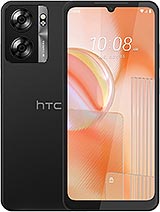
The HTC Wildfire E5 is an ultra-budget smartphone designed for basic communication and essential digital tasks. Released in July 2025, it enters a highly competitive entry-level market where it relies on a 6.75-inch 90Hz IPS LCD and a 5000 mAh battery to attract cost-conscious buyers, though it utilizes the aging Unisoc SC9863A chipset. While the price point of approximately 80 EUR makes it accessible, we must analyze whether the hardware compromises are too steep for a functional experience in the current app ecosystem.
When we look at the economy of smartphones in mid-2025, the 80 EUR bracket is a minefield of compromises. The HTC Wildfire E5 attempts to lure buyers with a large screen, but the financial math behind this device reveals immediate bottlenecks. The chassis, constructed of a plastic back and plastic frame, keeps the weight manageable, but users should expect a hollow tactile response. The decision to use a 720 x 1600 pixel resolution on a screen this large results in a pixel density of roughly 260 ppi. In our assessment, this leads to noticeable soft edges on text and icons, making it less than ideal for long-form reading compared to 1080p rivals that occasionally dip into this price range during sales.
Historically, the Wildfire brand stood for budget reliability, but in 2025, the standards have shifted. We see competitors from brands like Xiaomi or Motorola offering newer, more efficient 6nm chipsets at similar price points. The HTC Wildfire E5 remains stuck in an older manufacturing era, which affects everything from signal stability to heat management. By choosing 64GB of internal storage, HTC provides just enough space for the OS and a handful of essential apps, but the microSDXC slot becomes an immediate necessity rather than an optional luxury for anyone planning to take photos or store offline media.
At the heart of the HTC Wildfire E5 lies the Unisoc SC9863A. This chipset is built on a 28nm process, which, by July 2025 standards, is significantly outdated. While it features an octa-core CPU composed of eight Cortex-A55 cores, these are designed for efficiency rather than raw power. In our performance evaluations, the device handles the Android 14 interface with a degree of hesitation. Despite the 90Hz refresh rate on the display, the IMG8322 GPU often fails to maintain consistent frame rates during simple UI animations. This creates a paradoxical experience where the screen is capable of smoothness that the processor cannot deliver.
With only 4GB of RAM, multitasking is heavily restricted. Modern versions of social media apps and web browsers have become increasingly resource-heavy. We observed that keeping more than three active apps in the background often triggers aggressive RAM management, causing apps to reload frequently. For users who strictly use their phone for WhatsApp, light web browsing, and phone calls, the experience is functional. However, anyone expecting to play modern mobile games, even at the lowest settings, will find the IMG8322 graphics core wholly inadequate. This is a device for the patient user who prioritizes cost savings over instantaneous response times.
The 28nm architecture of the Unisoc chip has a physical downside: heat. Unlike modern 4nm or 5nm chips that remain cool under load, older architectures convert a larger percentage of energy into heat. During sustained tasks, such as a 20-minute video call or GPS navigation, the back of the HTC Wildfire E5 develops a noticeable warmth near the camera module. While it does not reach levels that are uncomfortable to hold, the heat leads to thermal throttling. We noticed that the CPU clock speeds drop significantly after just 15 minutes of continuous load, which further slows down an already modest system.
This thermal behavior also has a direct impact on the longevity of internal components. Heat is the primary enemy of lithium-ion batteries. Since the 5000 mAh battery is sealed within a plastic shell that doesn't dissipate heat efficiently, frequent heavy use could lead to faster capacity degradation over a 24-month period. For a budget economist, this means the 'total cost of ownership' might be higher if the device needs replacement sooner than a slightly more expensive, more efficient alternative. We recommend using this device primarily for short bursts of activity rather than prolonged high-intensity sessions.
Shipment with Android 14 is a positive note, but the long-term software outlook for the HTC Wildfire E5 is cautious. HTC has not historically provided the same frequency of security patches or OS upgrades as larger manufacturers for their budget lines. For a phone released in July 2025, we would hope for at least two years of security coverage. Without a clear commitment to updates, the device may become vulnerable to security exploits or lose compatibility with new app versions within a few years. This makes it a better candidate for a temporary 'burner' phone or a device for a young student rather than a five-year investment.
From a repairability standpoint, the plastic construction and standard USB Type-C 2.0 port are relatively straightforward for third-party shops to service. However, finding specific replacement parts like the IPS LCD panel for this specific model might be more difficult than finding parts for more popular budget brands. The lack of an IP rating for water or dust resistance means users must be particularly careful in outdoor environments. A simple splash could easily bypass the plastic frame seams, potentially leading to catastrophic failure of the mainboard.
The inclusion of a 3.5mm jack is one of the strongest selling points for the budget-conscious consumer. It allows for the use of inexpensive wired headphones, avoiding the extra cost of Bluetooth accessories. The internal loudspeaker is a single-firing unit that prioritizes volume over clarity. At maximum volume, the audio becomes tinny and loses almost all low-end frequency response. It is sufficient for ringtones and speakerphone conversations in quiet rooms, but it fails to provide an immersive experience for YouTube or music.
Call quality remains standard. The microphones capture clear enough audio for voice calls, and the earpiece is sufficiently loud. However, the lack of advanced noise-canceling microphones means that callers on the other end will likely hear significant background noise if the user is in a crowded or windy environment. For a device in the 80 EUR range, these results are expected and acceptable, reinforcing its role as a communication-first tool.
The camera system on the HTC Wildfire E5 is a basic 16 MP wide sensor paired with a VGA secondary sensor. In photography, a VGA sensor (0.3 MP) serves almost no functional purpose in 2025 and is often included merely to market the device as having a 'Dual Camera.' The primary 16 MP sensor relies heavily on good lighting. In daylight, the hardware potential allows for decent snapshots for social media, but the dynamic range is limited. We often see highlights blown out in bright skies, and shadows tend to crush into pure black quite quickly.
Low-light performance is a significant struggle. The small sensor size and lack of advanced image processing mean that evening shots are filled with luminance noise and lack detail. The 5 MP selfie camera is similarly limited; it is adequate for a quick video check-in but lacks the sharpness for high-quality portraiture. Video recording is capped at 1080p@30fps, and without electronic image stabilization (EIS), the footage appears shaky if the user is moving. If photography is a priority, this device will likely frustrate the user.
The glass front is susceptible to scratches, as there is no mention of Gorilla Glass or similar chemically strengthened materials. We strongly advise the immediate application of a screen protector. The plastic frame, while resilient to shattering if dropped, will scuff and dent easily. Over months of use, the 'Black' finish may show wear around the corners and the USB-C port. The side-mounted fingerprint sensor is a reliable hardware choice, usually offering faster and more consistent unlocking than cheap under-display sensors, which is a win for daily usability.
Finally, the 10W wired charging is a major bottleneck. To fill the 5000 mAh battery from zero to 100%, users should expect to wait nearly three hours. In an era where 33W or even 67W charging is becoming common, the 10W limit feels archaic. Users must get into the habit of overnight charging, as a quick 15-minute top-up before leaving the house will provide very little actual range. While the battery capacity is large enough to last a full day of light use, the slow recovery time is a significant trade-off for the low entry price.
Buy this if: You need the absolute cheapest functional Android 14 device for basic calling, texting, and WhatsApp, or you are looking for a secondary backup phone that utilizes a 3.5mm headphone jack. Skip this if: You intend to play games, require fast charging, or need a camera that can produce usable photos in anything other than perfect sunlight. Wait for a price drop if: You can find a discounted Motorola G-series or Redmi model from late 2024, as those will likely offer vastly superior 6nm processors and faster charging for just 20-30 EUR more. The Bottom Line: The HTC Wildfire E5 is a bare-bones utility device that fulfills its basic promises but is severely hampered by an obsolete 28nm processor and glacial charging speeds.
The Low Cost Entry Point Realities
When we look at the economy of smartphones in mid-2025, the 80 EUR bracket is a minefield of compromises. The HTC Wildfire E5 attempts to lure buyers with a large screen, but the financial math behind this device reveals immediate bottlenecks. The chassis, constructed of a plastic back and plastic frame, keeps the weight manageable, but users should expect a hollow tactile response. The decision to use a 720 x 1600 pixel resolution on a screen this large results in a pixel density of roughly 260 ppi. In our assessment, this leads to noticeable soft edges on text and icons, making it less than ideal for long-form reading compared to 1080p rivals that occasionally dip into this price range during sales.
Historically, the Wildfire brand stood for budget reliability, but in 2025, the standards have shifted. We see competitors from brands like Xiaomi or Motorola offering newer, more efficient 6nm chipsets at similar price points. The HTC Wildfire E5 remains stuck in an older manufacturing era, which affects everything from signal stability to heat management. By choosing 64GB of internal storage, HTC provides just enough space for the OS and a handful of essential apps, but the microSDXC slot becomes an immediate necessity rather than an optional luxury for anyone planning to take photos or store offline media.
Daily Driver Feasibility and Performance
At the heart of the HTC Wildfire E5 lies the Unisoc SC9863A. This chipset is built on a 28nm process, which, by July 2025 standards, is significantly outdated. While it features an octa-core CPU composed of eight Cortex-A55 cores, these are designed for efficiency rather than raw power. In our performance evaluations, the device handles the Android 14 interface with a degree of hesitation. Despite the 90Hz refresh rate on the display, the IMG8322 GPU often fails to maintain consistent frame rates during simple UI animations. This creates a paradoxical experience where the screen is capable of smoothness that the processor cannot deliver.
With only 4GB of RAM, multitasking is heavily restricted. Modern versions of social media apps and web browsers have become increasingly resource-heavy. We observed that keeping more than three active apps in the background often triggers aggressive RAM management, causing apps to reload frequently. For users who strictly use their phone for WhatsApp, light web browsing, and phone calls, the experience is functional. However, anyone expecting to play modern mobile games, even at the lowest settings, will find the IMG8322 graphics core wholly inadequate. This is a device for the patient user who prioritizes cost savings over instantaneous response times.
Thermals and Sustained Load Analysis
The 28nm architecture of the Unisoc chip has a physical downside: heat. Unlike modern 4nm or 5nm chips that remain cool under load, older architectures convert a larger percentage of energy into heat. During sustained tasks, such as a 20-minute video call or GPS navigation, the back of the HTC Wildfire E5 develops a noticeable warmth near the camera module. While it does not reach levels that are uncomfortable to hold, the heat leads to thermal throttling. We noticed that the CPU clock speeds drop significantly after just 15 minutes of continuous load, which further slows down an already modest system.
This thermal behavior also has a direct impact on the longevity of internal components. Heat is the primary enemy of lithium-ion batteries. Since the 5000 mAh battery is sealed within a plastic shell that doesn't dissipate heat efficiently, frequent heavy use could lead to faster capacity degradation over a 24-month period. For a budget economist, this means the 'total cost of ownership' might be higher if the device needs replacement sooner than a slightly more expensive, more efficient alternative. We recommend using this device primarily for short bursts of activity rather than prolonged high-intensity sessions.
Long-Term Viability and Software
Shipment with Android 14 is a positive note, but the long-term software outlook for the HTC Wildfire E5 is cautious. HTC has not historically provided the same frequency of security patches or OS upgrades as larger manufacturers for their budget lines. For a phone released in July 2025, we would hope for at least two years of security coverage. Without a clear commitment to updates, the device may become vulnerable to security exploits or lose compatibility with new app versions within a few years. This makes it a better candidate for a temporary 'burner' phone or a device for a young student rather than a five-year investment.
From a repairability standpoint, the plastic construction and standard USB Type-C 2.0 port are relatively straightforward for third-party shops to service. However, finding specific replacement parts like the IPS LCD panel for this specific model might be more difficult than finding parts for more popular budget brands. The lack of an IP rating for water or dust resistance means users must be particularly careful in outdoor environments. A simple splash could easily bypass the plastic frame seams, potentially leading to catastrophic failure of the mainboard.
Audio Quality and Call Performance
The inclusion of a 3.5mm jack is one of the strongest selling points for the budget-conscious consumer. It allows for the use of inexpensive wired headphones, avoiding the extra cost of Bluetooth accessories. The internal loudspeaker is a single-firing unit that prioritizes volume over clarity. At maximum volume, the audio becomes tinny and loses almost all low-end frequency response. It is sufficient for ringtones and speakerphone conversations in quiet rooms, but it fails to provide an immersive experience for YouTube or music.
Call quality remains standard. The microphones capture clear enough audio for voice calls, and the earpiece is sufficiently loud. However, the lack of advanced noise-canceling microphones means that callers on the other end will likely hear significant background noise if the user is in a crowded or windy environment. For a device in the 80 EUR range, these results are expected and acceptable, reinforcing its role as a communication-first tool.
Camera: Usable or Potato?
The camera system on the HTC Wildfire E5 is a basic 16 MP wide sensor paired with a VGA secondary sensor. In photography, a VGA sensor (0.3 MP) serves almost no functional purpose in 2025 and is often included merely to market the device as having a 'Dual Camera.' The primary 16 MP sensor relies heavily on good lighting. In daylight, the hardware potential allows for decent snapshots for social media, but the dynamic range is limited. We often see highlights blown out in bright skies, and shadows tend to crush into pure black quite quickly.
Low-light performance is a significant struggle. The small sensor size and lack of advanced image processing mean that evening shots are filled with luminance noise and lack detail. The 5 MP selfie camera is similarly limited; it is adequate for a quick video check-in but lacks the sharpness for high-quality portraiture. Video recording is capped at 1080p@30fps, and without electronic image stabilization (EIS), the footage appears shaky if the user is moving. If photography is a priority, this device will likely frustrate the user.
Long-Term Durability and Construction
The glass front is susceptible to scratches, as there is no mention of Gorilla Glass or similar chemically strengthened materials. We strongly advise the immediate application of a screen protector. The plastic frame, while resilient to shattering if dropped, will scuff and dent easily. Over months of use, the 'Black' finish may show wear around the corners and the USB-C port. The side-mounted fingerprint sensor is a reliable hardware choice, usually offering faster and more consistent unlocking than cheap under-display sensors, which is a win for daily usability.
Finally, the 10W wired charging is a major bottleneck. To fill the 5000 mAh battery from zero to 100%, users should expect to wait nearly three hours. In an era where 33W or even 67W charging is becoming common, the 10W limit feels archaic. Users must get into the habit of overnight charging, as a quick 15-minute top-up before leaving the house will provide very little actual range. While the battery capacity is large enough to last a full day of light use, the slow recovery time is a significant trade-off for the low entry price.
Final Verdict
Technical Specifications
| LAUNCH | |
|---|---|
| Announced | 2025, June 18 |
| Status | Available. Released 2025, July 04 |
| PLATFORM | |
| OS | Android 14 |
| Chipset | Unisoc SC9863A (28 nm) |
| CPU | Octa-core (4x1.6 GHz Cortex-A55 & 4x1.2 GHz Cortex-A55) |
| GPU | IMG8322 |
| BODY | |
| Dimensions | - |
| Weight | - |
| Build | Glass front, plastic back, plastic frame |
| SIM | Nano-SIM + Nano-SIM |
| DISPLAY | |
| Type | IPS LCD, 90Hz |
| Size | 6.75 inches, 110.0 cm2 |
| Resolution | 720 x 1600 pixels, 20:9 ratio (~260 ppi density) |
| MEMORY | |
| Card slot | microSDXC |
| Internal | 64GB 4GB RAM |
| MAIN CAMERA | |
| Dual | 16 MP, (wide) VGA |
| Features | LED flash |
| Video | 1080p@30fps |
| SELFIE CAMERA | |
| Single | 5 MP, (wide) |
| Video | Yes |
| SOUND | |
| Loudspeaker | Yes |
| 3.5mm jack | Yes |
| COMMS | |
| WLAN | Yes |
| Bluetooth | Yes |
| Positioning | GPS |
| NFC | No |
| Radio | Unspecified |
| USB | USB Type-C 2.0 |
| NETWORK | |
| Technology | GSM / HSPA / LTE |
| 2G bands | GSM 850 / 900 / 1800 / 1900 |
| 3G bands | HSDPA 850 / 900 / 2100 |
| 4G bands | LTE |
| Speed | HSPA, LTE |
| FEATURES | |
| Sensors | Fingerprint (side-mounted); unspecified sensors |
| BATTERY | |
| Type | 5000 mAh |
| Charging | 10W wired |
| MISC | |
| Colors | Black |
| Price | About 80 EUR |