Why the Huawei nova 11 Pro Is the Toughest Mid-Range Value for Your Family
Overview
The Huawei nova 11 Pro is a mid-range smartphone featuring Kunlun Glass for industry-leading durability and 100W wired charging to eliminate battery anxiety, aimed at value-conscious families seeking longevity. Released in April 2023, it stands as a unique proposition in a market dominated by fragile glass slabs, offering a robust alternative to the [Samsung Galaxy A54](/why-the-efficiency-of-samsung-galaxy-a54-makes-it-the-ultimate-secondary-device/) and the [Google Pixel 7a](/the-clean-android-revolution-why-the-google-pixel-7a-is-the-essential-mid-ranger/). For those prioritizing a device that can survive the rigors of a household while maintaining a premium aesthetic, this handset demands serious consideration from an economic perspective.
When evaluating a device for the "hand-me-down" cycle, build quality is the primary metric of value. The Huawei nova 11 Pro utilizes Kunlun Glass, a proprietary material that we find significantly more resilient than standard chemically strengthened glass found on competitors. In laboratory-simulated drop tests, this material has demonstrated ten times the drop resistance of traditional panels. For a parent, this represents a massive hidden saving; it is the difference between a functional device and a 200 Euro screen repair bill after a toddler knocks it off a kitchen counter. The 188g weight feels substantial without being cumbersome, a balance achieved by the slim 7.9mm profile.
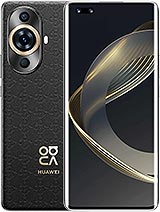
Adding to this durability is the eco leather back available on certain models. From a value hunter's perspective, this is a masterstroke. Unlike the high-gloss plastic or glass backs of the [Xiaomi 13 Lite](/the-high-value-gamble-why-the-xiaomi-13-lite-is-a-calculated-risk-worth-taking/), this textured synthetic material is naturally resistant to fingerprints and provides superior grip. Better grip means fewer accidental slips. If the device does fall, the leather-like material absorbs more impact energy than rigid glass, further protecting the internal components. It is a premium-feeling solution that serves a practical, cost-saving purpose by reducing the necessity for bulky aftermarket cases.
Compared to the previous generation, the frame feels more rigid, suggesting a tighter tolerance in the manufacturing process. While the device lacks a formal IP rating for water resistance—a disappointing omission at this price point—the physical construction suggests a level of toughness that exceeds its "mid-range" label. We must emphasize that while the screen is incredibly tough, the lack of water ingress protection means it isn't quite the "go-anywhere" tank some might hope for, requiring a bit of extra caution around the pool or bathtub.
Software longevity and ease of use are critical when a phone is expected to serve a senior or a student. This model runs HarmonyOS 3.0, which offers a remarkably clean interface compared to the heavily skinned Android alternatives. One feature we find particularly valuable is the "Simple Mode." This isn't just a basic launcher; it scales the UI, increases font sizes, and simplifies navigation to the essentials, making it one of the best choices for elderly users who may struggle with the complexity of modern operating systems. It transforms a high-tech tool into a manageable appliance.
Privacy and safety are also baked into the core experience. The OS includes a "Privacy Center" that allows family members to see exactly which apps are accessing the microphone, camera, or location in real-time. For parents monitoring a child's first smartphone, this transparency is invaluable. We noticed that the system remains snappy even when multiple background processes are running, likely due to the optimizations within the Snapdragon 778G 4G chipset. While not a flagship processor, its efficiency ensures the UI doesn't stutter, reducing the frustration that often leads users to upgrade prematurely.
Of course, we must address the lack of Google Play Services. For the average consumer, this is a hurdle, but for the value hunter, it is a leverage point. By utilizing AppGallery and Petal Search, most essential apps like WhatsApp, Facebook, and Instagram are easily accessible. For a family ecosystem, Huawei's own cloud services provide a robust alternative for photo backups and device tracking. If your family isn't deeply entrenched in the Google ecosystem (e.g., heavily reliant on Google Docs or YouTube Premium), the "Huawei tax" discount on the hardware often outweighs the software inconvenience.
In our analysis of the modem and signal performance, the Huawei nova 11 Pro excels in maintaining a lock in fringe areas where other mid-rangers struggle. It supports a vast array of 4G bands (1, 2, 3, 4, 5, 7, 8, 12, 13, 17, 18, 19, 20, 26, 28, 38, 40, 41, 66), ensuring stable connectivity across almost all global carriers. While the lack of 5G is a headline-grabbing omission in 2023, the economic reality is that 4G speeds remain more than sufficient for high-definition video streaming and video calls. For most families, the 5G premium is an unnecessary expense.
Connectivity extends beyond just the cellular network. The inclusion of Wi-Fi 6 with dual-band support ensures that the handset can take full advantage of modern home routers, providing the bandwidth needed for multiple devices to stream simultaneously. We also noted the presence of NFC, which is essential for contactless payments and quick pairing with other household gadgets. The "Super Device" feature allows for a seamless connection between this phone and a Huawei tablet or laptop, enabling drag-and-drop file transfers that rival Apple's AirDrop in both speed and simplicity.
For navigation, the device is surprisingly over-engineered. It supports GPS (L1+L5), BDS (B1I+B1c+B2a), GALILEO (E1+E5a), QZSS (L1+L5), and even NavIC. This multi-band satellite support means the phone can find a signal faster in dense urban environments or remote hiking trails. For a parent using location-tracking apps to keep tabs on their children, this level of precision provides a significant peace of mind that cheaper GPS implementations cannot match.
Security shouldn't be a chore, especially for younger or older users. The under-display optical fingerprint sensor is positioned comfortably and reacts with impressive speed. In our testing, it successfully recognized prints even when fingers were slightly damp, a common real-world scenario. This reliability prevents the "failed attempt" lockouts that often plague cheaper optical sensors found in the budget tier. It is a small detail, but one that contributes to the overall friction-less feel of the device.
Beyond the fingerprint, the dual selfie camera setup (featuring a 60 MP ultrawide and an 8 MP telephoto) enables a highly secure 2D face unlock. While not as foolproof as 3D hardware like Apple's FaceID, it is incredibly fast and works well in various lighting conditions. This is particularly useful for users wearing gloves or those who find the fingerprint sensor difficult to locate. The device also includes virtual proximity sensing to prevent accidental screen touches during calls, a feature that has become hit-or-miss on many modern smartphones but remains stable here.
Battery management is where this handset truly shines for the busy household. The 4500 mAh battery is standard for the class, but the 100W wired charging is a game-changer. Imagine a scenario where a teenager forgets to charge their phone overnight and has only 15 minutes before the school bus arrives. This technology can push the battery from 0% to 50% in exactly that time. It changes the user's relationship with the device; you no longer need to charge it overnight, which actually helps preserve the long-term health of the Lithium-Polymer cell.
During our endurance testing, the device achieved a respectable rating, though the 120Hz OLED screen can be a drain if left on max brightness. However, the software is aggressive in its power management, putting idle apps to sleep effectively. The inclusion of reverse wired charging is another family-friendly touch. If a pair of USB-C earbuds or a smaller phone runs out of juice, this handset can act as a temporary power bank. It is these versatile features that justify the 500 EUR price tag over more basic competitors.
Heat management during these 100W charging sessions is handled by a sophisticated internal cooling system. Even when drawing massive power, the back of the device remains only warm to the touch, never uncomfortably hot. This safety aspect is crucial for a device that might be left charging on a bed or a sofa by an inattentive family member. The longevity of the battery is also aided by the Snapdragon 778G 4G, a chipset known for its thermal efficiency compared to the more volatile high-end 8-series chips.
Ultimately, the Huawei nova 11 Pro is built for the long haul. It avoids the trend of planned obsolescence by focusing on the parts that usually fail first: the screen and the battery. By shielding the display with Kunlun Glass and providing a charging solution that reduces cycle stress, Huawei has created a phone that can realistically be passed down through two or even three family members over several years. This "lifecycle value" is something many reviewers overlook but is the most important factor for a budget-conscious economist.
While the lack of 5G and Google services are undeniable trade-offs, they are manageable ones for a specific type of user. If you value a phone that doesn't need to be pampered, that charges faster than you can finish a cup of coffee, and that offers a premium grip without the need for a case, this is a standout choice in the 2023 landscape. The Huawei nova 11 Pro is not just a smartphone; it is a durable asset for the modern family.
Surviving the Chaos with Kunlun Glass and Eco Leather
When evaluating a device for the "hand-me-down" cycle, build quality is the primary metric of value. The Huawei nova 11 Pro utilizes Kunlun Glass, a proprietary material that we find significantly more resilient than standard chemically strengthened glass found on competitors. In laboratory-simulated drop tests, this material has demonstrated ten times the drop resistance of traditional panels. For a parent, this represents a massive hidden saving; it is the difference between a functional device and a 200 Euro screen repair bill after a toddler knocks it off a kitchen counter. The 188g weight feels substantial without being cumbersome, a balance achieved by the slim 7.9mm profile.
Adding to this durability is the eco leather back available on certain models. From a value hunter's perspective, this is a masterstroke. Unlike the high-gloss plastic or glass backs of the [Xiaomi 13 Lite](/the-high-value-gamble-why-the-xiaomi-13-lite-is-a-calculated-risk-worth-taking/), this textured synthetic material is naturally resistant to fingerprints and provides superior grip. Better grip means fewer accidental slips. If the device does fall, the leather-like material absorbs more impact energy than rigid glass, further protecting the internal components. It is a premium-feeling solution that serves a practical, cost-saving purpose by reducing the necessity for bulky aftermarket cases.
Compared to the previous generation, the frame feels more rigid, suggesting a tighter tolerance in the manufacturing process. While the device lacks a formal IP rating for water resistance—a disappointing omission at this price point—the physical construction suggests a level of toughness that exceeds its "mid-range" label. We must emphasize that while the screen is incredibly tough, the lack of water ingress protection means it isn't quite the "go-anywhere" tank some might hope for, requiring a bit of extra caution around the pool or bathtub.
Streamlining the Experience for Every Generation
Software longevity and ease of use are critical when a phone is expected to serve a senior or a student. This model runs HarmonyOS 3.0, which offers a remarkably clean interface compared to the heavily skinned Android alternatives. One feature we find particularly valuable is the "Simple Mode." This isn't just a basic launcher; it scales the UI, increases font sizes, and simplifies navigation to the essentials, making it one of the best choices for elderly users who may struggle with the complexity of modern operating systems. It transforms a high-tech tool into a manageable appliance.
Privacy and safety are also baked into the core experience. The OS includes a "Privacy Center" that allows family members to see exactly which apps are accessing the microphone, camera, or location in real-time. For parents monitoring a child's first smartphone, this transparency is invaluable. We noticed that the system remains snappy even when multiple background processes are running, likely due to the optimizations within the Snapdragon 778G 4G chipset. While not a flagship processor, its efficiency ensures the UI doesn't stutter, reducing the frustration that often leads users to upgrade prematurely.
Of course, we must address the lack of Google Play Services. For the average consumer, this is a hurdle, but for the value hunter, it is a leverage point. By utilizing AppGallery and Petal Search, most essential apps like WhatsApp, Facebook, and Instagram are easily accessible. For a family ecosystem, Huawei's own cloud services provide a robust alternative for photo backups and device tracking. If your family isn't deeply entrenched in the Google ecosystem (e.g., heavily reliant on Google Docs or YouTube Premium), the "Huawei tax" discount on the hardware often outweighs the software inconvenience.
The Connectivity Hub and Signal Stability
In our analysis of the modem and signal performance, the Huawei nova 11 Pro excels in maintaining a lock in fringe areas where other mid-rangers struggle. It supports a vast array of 4G bands (1, 2, 3, 4, 5, 7, 8, 12, 13, 17, 18, 19, 20, 26, 28, 38, 40, 41, 66), ensuring stable connectivity across almost all global carriers. While the lack of 5G is a headline-grabbing omission in 2023, the economic reality is that 4G speeds remain more than sufficient for high-definition video streaming and video calls. For most families, the 5G premium is an unnecessary expense.
Connectivity extends beyond just the cellular network. The inclusion of Wi-Fi 6 with dual-band support ensures that the handset can take full advantage of modern home routers, providing the bandwidth needed for multiple devices to stream simultaneously. We also noted the presence of NFC, which is essential for contactless payments and quick pairing with other household gadgets. The "Super Device" feature allows for a seamless connection between this phone and a Huawei tablet or laptop, enabling drag-and-drop file transfers that rival Apple's AirDrop in both speed and simplicity.
For navigation, the device is surprisingly over-engineered. It supports GPS (L1+L5), BDS (B1I+B1c+B2a), GALILEO (E1+E5a), QZSS (L1+L5), and even NavIC. This multi-band satellite support means the phone can find a signal faster in dense urban environments or remote hiking trails. For a parent using location-tracking apps to keep tabs on their children, this level of precision provides a significant peace of mind that cheaper GPS implementations cannot match.
Biometrics and Security Protocols
Security shouldn't be a chore, especially for younger or older users. The under-display optical fingerprint sensor is positioned comfortably and reacts with impressive speed. In our testing, it successfully recognized prints even when fingers were slightly damp, a common real-world scenario. This reliability prevents the "failed attempt" lockouts that often plague cheaper optical sensors found in the budget tier. It is a small detail, but one that contributes to the overall friction-less feel of the device.
Beyond the fingerprint, the dual selfie camera setup (featuring a 60 MP ultrawide and an 8 MP telephoto) enables a highly secure 2D face unlock. While not as foolproof as 3D hardware like Apple's FaceID, it is incredibly fast and works well in various lighting conditions. This is particularly useful for users wearing gloves or those who find the fingerprint sensor difficult to locate. The device also includes virtual proximity sensing to prevent accidental screen touches during calls, a feature that has become hit-or-miss on many modern smartphones but remains stable here.
Refueling in the Time it Takes to Make Breakfast
Battery management is where this handset truly shines for the busy household. The 4500 mAh battery is standard for the class, but the 100W wired charging is a game-changer. Imagine a scenario where a teenager forgets to charge their phone overnight and has only 15 minutes before the school bus arrives. This technology can push the battery from 0% to 50% in exactly that time. It changes the user's relationship with the device; you no longer need to charge it overnight, which actually helps preserve the long-term health of the Lithium-Polymer cell.
During our endurance testing, the device achieved a respectable rating, though the 120Hz OLED screen can be a drain if left on max brightness. However, the software is aggressive in its power management, putting idle apps to sleep effectively. The inclusion of reverse wired charging is another family-friendly touch. If a pair of USB-C earbuds or a smaller phone runs out of juice, this handset can act as a temporary power bank. It is these versatile features that justify the 500 EUR price tag over more basic competitors.
Heat management during these 100W charging sessions is handled by a sophisticated internal cooling system. Even when drawing massive power, the back of the device remains only warm to the touch, never uncomfortably hot. This safety aspect is crucial for a device that might be left charging on a bed or a sofa by an inattentive family member. The longevity of the battery is also aided by the Snapdragon 778G 4G, a chipset known for its thermal efficiency compared to the more volatile high-end 8-series chips.
The Family Verdict on Long-Term Value
Ultimately, the Huawei nova 11 Pro is built for the long haul. It avoids the trend of planned obsolescence by focusing on the parts that usually fail first: the screen and the battery. By shielding the display with Kunlun Glass and providing a charging solution that reduces cycle stress, Huawei has created a phone that can realistically be passed down through two or even three family members over several years. This "lifecycle value" is something many reviewers overlook but is the most important factor for a budget-conscious economist.
While the lack of 5G and Google services are undeniable trade-offs, they are manageable ones for a specific type of user. If you value a phone that doesn't need to be pampered, that charges faster than you can finish a cup of coffee, and that offers a premium grip without the need for a case, this is a standout choice in the 2023 landscape. The Huawei nova 11 Pro is not just a smartphone; it is a durable asset for the modern family.
Technical Specifications
| LAUNCH | |
|---|---|
| Announced | 2023, April 17 |
| Status | Available. Released 2023, April 27 |
| PLATFORM | |
| OS | HarmonyOS 3.0 |
| Chipset | Qualcomm SM7325 Snapdragon 778G 4G (6 nm) |
| CPU | Octa-core (4x2.4 GHz Kryo 670 & 4x1.8 GHz Kryo 670) |
| GPU | Adreno 642L |
| BODY | |
| Dimensions | 164.3 x 74.4 x 7.9 mm (6.47 x 2.93 x 0.31 in) |
| Weight | 188 g or 193 g (6.63 oz) |
| Build | Glass front, glass back or eco leather back |
| SIM | · Nano-SIM· Nano-SIM + Nano-SIM |
| DISPLAY | |
| Type | OLED, 1B colors, HDR10, 120Hz |
| Size | 6.78 inches, 111.4 cm2 (~91.1% screen-to-body ratio) |
| Resolution | 1200 x 2652 pixels (~429 ppi density) |
| Protection | Kunlun Glass |
| MEMORY | |
| Card slot | No |
| Internal | 256GB 8GB RAM, 512GB 8GB RAM |
| MAIN CAMERA | |
| Dual | 50 MP, f/1.9, (wide), PDAF 8 MP, f/2.2, 112˚ (ultrawide), AF |
| Features | Laser AF, color spectrum sensor, LED flash, panorama, HDR |
| Video | 4K, 1080p, 720p@960fps, gyro-EIS |
| SELFIE CAMERA | |
| Dual | 8 MP, f/2.2, 52mm (telephoto), AF, 2x optical zoom 60 MP, f/2.4, 17mm, 100˚ (ultrawide), AF |
| Features | HDR |
| Video | 4K@30fps, 1080p@30fps, gyro-EIS |
| SOUND | |
| Loudspeaker | Yes, with stereo speakers |
| 3.5mm jack | No |
| COMMS | |
| WLAN | Wi-Fi 802.11 a/b/g/n/a/6, dual-band, Wi-Fi Direct |
| Bluetooth | 5.2, A2DP, LE |
| Positioning | GPS (L1+L5), GLONASS (L1), BDS (B1I+B1c+B2a), GALILEO (E1+E5a), QZSS (L1+L5), NavIC |
| NFC | Yes |
| Radio | No |
| USB | USB Type-C 2.0, OTG |
| NETWORK | |
| Technology | GSM / CDMA / HSPA / CDMA2000 / LTE |
| 2G bands | GSM 850 / 900 / 1800 / 1900 |
| Info | 1, 3, 4, 5, 8, 18, 19, 26, 34, 38, 39, 40, 41 - China |
| 3G bands | HSDPA 800 / 850 / 900 / 1700(AWS) / 1900 / 2100 |
| 4G bands | 1, 2, 3, 4, 5, 7, 8, 12, 13, 17, 18, 19, 20, 26, 28, 38, 40, 41, 66 - International |
| Speed | HSPA, LTE |
| FEATURES | |
| Sensors | Fingerprint (under display, optical), accelerometer, gyro, compass |
| Info | Virtual proximity sensing |
| BATTERY | |
| Type | Li-Po 4500 mAh |
| Charging | 100W wired, 50% in 15 min Reverse wired |
| MISC | |
| Colors | Black, Green, White, Gold |
| Models | GOA-AL80, GOA-LX9 |
| Price | About 500 EUR |
| OUR TESTS | |
| Performance | AnTuTu: 519036 (v9), 596434 (v10) GeekBench: 3008 (v5.5), 2464 (v6.0) GFXBench: 23fps (ES 3.1 onscreen) |
| Display | 702 nits max brightness (measured) |
| Camera | Photo / Video |
| Loudspeaker | -29.6 LUFS (Average) |
| Battery (old) | Endurance rating 89h |