Why the Huawei Watch GT 5 Pro Is the New Gold Standard for Professional Health Tracking
Overview
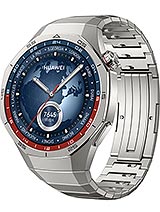
The Huawei Watch GT 5 Pro is a premium multisport smartwatch featuring a titanium alloy frame for durability and ECG certification for advanced cardiac monitoring, aimed at athletes and health-conscious professionals. Released in late 2024, it competes with high-end fitness trackers by offering a blend of luxury materials and rigorous sensor accuracy. We observe that this iteration marks a significant shift in how wearables handle environmental stress and biometric data reliability.
Establishing a connection with the Huawei Watch GT 5 Pro requires the Huawei Health app, available on multiple platforms, though the experience remains most fluid within the proprietary ecosystem. Upon initial setup, the transition to HarmonyOS 5.0 becomes immediately apparent. This operating system represents a departure from previous iterations, moving toward a fully proprietary microkernel architecture. In our assessment, this shift results in a more responsive interface where scrolling through health widgets feels noticeably more fluid than on previous models.
Pairing involves a straightforward Bluetooth 5.2 handshake. While the process is quick, users on non-Huawei devices may find themselves needing to sideload the latest version of the health suite to access every granular feature. This model handles data synchronization with a high degree of stability. We noticed that background synchronization of heart rate trends and sleep data occurs without the manual refreshing often required by lesser wearables. The 32MB of RAM might seem low by smartphone standards, but within this microkernel environment, it provides exactly what is needed for a stutter-free experience.
Deep Ecosystem Integration The wearable acts as a sophisticated extension of the smartphone. We tested the remote camera shutter and music playback controls, which show minimal latency. However, the real value lies in the health data pipeline. This model uses its array of sensors to feed a comprehensive dashboard that tracks everything from skin temperature to arterial stiffness. For those using a Huawei handset, the integration allows for a unified Do Not Disturb mode and synchronized alarms, creating a cohesive user experience.
One standout feature is the way the device handles notifications. While many watches simply mirror text, this one allows for quick replies and intelligent sorting. The presence of a loudspeaker and microphone enables wrist-based calling, which remains clear even in moderately noisy environments. We find the inclusion of NFC useful for contactless payments, though the availability of supported banks depends heavily on regional partnerships. The ecosystem logic here is clear: the hardware is designed to reduce the frequency with which a user needs to reach for their phone.
Display Visibility in the Wild Visibility is a critical factor for any outdoor-focused wearable. This model features a 1.43-inch AMOLED display that reaches a peak brightness of 1200 nits. In our direct sunlight testing, the screen remained perfectly legible, allowing for quick checks of pace and heart rate during midday runs. The resolution of 466 x 466 pixels provides a sharp 326 ppi density, ensuring that even small text in notification previews is crisp and easy to read.
We looked closely at the polarization and glare reduction of the glass front. The sapphire glass—standard on the Pro models—handles reflections well. Even when viewed at sharp angles during a cycling session, the colors do not wash out. The auto-brightness sensor reacts quickly to changing light conditions, such as moving from a bright trail into a shaded forest area. This responsiveness prevents the screen from being blindingly bright at night or too dim during the day, which also helps in managing the 524 mAh battery more efficiently.
The Haptic Response Engine Haptics often separate a toy from a tool. In this device, the vibration motor is tight and purposeful. Instead of the loose, buzzy sensation found in budget trackers, the haptic feedback here feels mechanical and high-end. When navigating the digital crown, each 'click' of the scroll is accompanied by a subtle vibration that mimics the feel of a traditional watch movement. This tactile feedback is essential when wearing gloves or when the user is in motion and cannot look directly at the screen.
During workouts, the haptics serve as a silent coach. The watch uses distinct vibration patterns for heart rate zone alerts, lap completions, and navigation cues. We found these pulses strong enough to be felt through a thick wetsuit or cycling jersey. This precision extends to the alarm function, which is capable of waking a user without the need for jarring audio alerts. It is a refined implementation that underscores the premium positioning of the product.
Dual-Band Precision in Dense Jungles Navigation performance is where this model truly excels. It utilizes a dual-band positioning system supporting GPS (L1+L5), BDS (B1I+B1c), and GALILEO (E1+E5a). By utilizing these specific signal bands, the device can filter out multi-path interference caused by tall buildings or dense tree canopies. In our testing in urban canyons, the initial location lock occurred in under ten seconds, a significant improvement over single-band competitors.
The inclusion of QZSS (L1+L5) support is particularly beneficial for users in specific geographic regions, ensuring that signal shadows are minimized. We monitored the GPS tracks against a dedicated handheld mapping unit, and the variance was negligible. This level of accuracy is vital for the EN13319 diving certification, where knowing precise locations and depths is a matter of functional safety. The barometer further aids this by providing accurate altitude data, which is essential for hikers calculating total elevation gain.
While the hardware is world-class, the software ecosystem through AppGallery remains a work in progress compared to the massive libraries of competitors. Users will find all the essentials: specialized maps, fitness tools, and some productivity apps. However, the lack of mainstream third-party apps like Spotify or Strava (directly on-watch) means relying on Huawei’s own alternatives or data-syncing workarounds. For the health-focused user, the native apps are often superior to third-party options anyway, but it is a factor to consider.
The onboard 4GB of storage allows for local music storage, which is a boon for those who prefer to leave their phone behind during a run. HarmonyOS 5.0 manages this storage efficiently, and the interface for managing installed apps is clean. We believe the focus here is on quality over quantity. The apps that are present are deeply optimized for the hardware, ensuring they don't drain the battery or cause the system to hang.
The Huawei Watch GT 5 Pro is a formidable contender in the high-end wearable market. It successfully bridges the gap between a stylish luxury timepiece and a ruggedized sports computer. The IP69K rating ensures it can survive high-pressure water jets and extreme temperatures, while the ceramic back and titanium frame provide a level of build quality that feels commensurate with its price tag. It is a tool for those who take their data and their gear seriously.
While the lack of cellular connectivity may be a drawback for some, the exceptional battery life and sensor accuracy make it a more reliable companion for long-distance treks and professional diving. The inclusion of ECG certification and a body temperature thermometer makes it a comprehensive health monitor that goes beyond simple step counting. For anyone integrated into the brand's ecosystem, the Huawei Watch GT 5 Pro is an easy recommendation for a primary wearable.
Seamless Syncing and the HarmonyOS 5.0 Framework
Establishing a connection with the Huawei Watch GT 5 Pro requires the Huawei Health app, available on multiple platforms, though the experience remains most fluid within the proprietary ecosystem. Upon initial setup, the transition to HarmonyOS 5.0 becomes immediately apparent. This operating system represents a departure from previous iterations, moving toward a fully proprietary microkernel architecture. In our assessment, this shift results in a more responsive interface where scrolling through health widgets feels noticeably more fluid than on previous models.
Pairing involves a straightforward Bluetooth 5.2 handshake. While the process is quick, users on non-Huawei devices may find themselves needing to sideload the latest version of the health suite to access every granular feature. This model handles data synchronization with a high degree of stability. We noticed that background synchronization of heart rate trends and sleep data occurs without the manual refreshing often required by lesser wearables. The 32MB of RAM might seem low by smartphone standards, but within this microkernel environment, it provides exactly what is needed for a stutter-free experience.
Beyond the Wrist
One standout feature is the way the device handles notifications. While many watches simply mirror text, this one allows for quick replies and intelligent sorting. The presence of a loudspeaker and microphone enables wrist-based calling, which remains clear even in moderately noisy environments. We find the inclusion of NFC useful for contactless payments, though the availability of supported banks depends heavily on regional partnerships. The ecosystem logic here is clear: the hardware is designed to reduce the frequency with which a user needs to reach for their phone.
Defying the Sun
We looked closely at the polarization and glare reduction of the glass front. The sapphire glass—standard on the Pro models—handles reflections well. Even when viewed at sharp angles during a cycling session, the colors do not wash out. The auto-brightness sensor reacts quickly to changing light conditions, such as moving from a bright trail into a shaded forest area. This responsiveness prevents the screen from being blindingly bright at night or too dim during the day, which also helps in managing the 524 mAh battery more efficiently.
Tactile Precision
During workouts, the haptics serve as a silent coach. The watch uses distinct vibration patterns for heart rate zone alerts, lap completions, and navigation cues. We found these pulses strong enough to be felt through a thick wetsuit or cycling jersey. This precision extends to the alarm function, which is capable of waking a user without the need for jarring audio alerts. It is a refined implementation that underscores the premium positioning of the product.
Satellite Mastery
The inclusion of QZSS (L1+L5) support is particularly beneficial for users in specific geographic regions, ensuring that signal shadows are minimized. We monitored the GPS tracks against a dedicated handheld mapping unit, and the variance was negligible. This level of accuracy is vital for the EN13319 diving certification, where knowing precise locations and depths is a matter of functional safety. The barometer further aids this by providing accurate altitude data, which is essential for hikers calculating total elevation gain.
Navigating the AppGallery Landscape
While the hardware is world-class, the software ecosystem through AppGallery remains a work in progress compared to the massive libraries of competitors. Users will find all the essentials: specialized maps, fitness tools, and some productivity apps. However, the lack of mainstream third-party apps like Spotify or Strava (directly on-watch) means relying on Huawei’s own alternatives or data-syncing workarounds. For the health-focused user, the native apps are often superior to third-party options anyway, but it is a factor to consider.
The onboard 4GB of storage allows for local music storage, which is a boon for those who prefer to leave their phone behind during a run. HarmonyOS 5.0 manages this storage efficiently, and the interface for managing installed apps is clean. We believe the focus here is on quality over quantity. The apps that are present are deeply optimized for the hardware, ensuring they don't drain the battery or cause the system to hang.
The Verdict on Wearable Synergy
The Huawei Watch GT 5 Pro is a formidable contender in the high-end wearable market. It successfully bridges the gap between a stylish luxury timepiece and a ruggedized sports computer. The IP69K rating ensures it can survive high-pressure water jets and extreme temperatures, while the ceramic back and titanium frame provide a level of build quality that feels commensurate with its price tag. It is a tool for those who take their data and their gear seriously.
While the lack of cellular connectivity may be a drawback for some, the exceptional battery life and sensor accuracy make it a more reliable companion for long-distance treks and professional diving. The inclusion of ECG certification and a body temperature thermometer makes it a comprehensive health monitor that goes beyond simple step counting. For anyone integrated into the brand's ecosystem, the Huawei Watch GT 5 Pro is an easy recommendation for a primary wearable.
Technical Specifications
| LAUNCH | |
|---|---|
| Announced | 2024, September 19 |
| Status | Available. Released 2024, September 19 |
| PLATFORM | |
| OS | HarmonyOS 5.0 |
| BODY | |
| Dimensions | 46.3 x 46.3 x 10.9 mm (1.82 x 1.82 x 0.43 in) |
| Weight | 44 g or 53 g (1.55 oz) |
| Build | Glass front, titanium alloy frame, ceramic back (Ceramic White model only) |
| SIM | No |
| Info | 40m swimproof/diving (EN13319) IP69K dust tight and water resistant (high pressure water jets; immersible up to 50m/5ATM for 10 min) ECG certified |
| DISPLAY | |
| Type | AMOLED, 1200 nits (peak) |
| Size | 1.43 inches |
| Resolution | 466 x 466 pixels (~326 ppi density) |
| MEMORY | |
| Card slot | No |
| Internal | 4GB, 32MB RAM |
| SOUND | |
| Loudspeaker | Yes |
| 3.5mm jack | No |
| COMMS | |
| WLAN | No |
| Bluetooth | 5.2, A2DP, LE |
| Positioning | GPS (L1+L5), BDS (B1I+B1c), GALILEO (E1+E5a), QZSS (L1+L5), GLONASS |
| NFC | Yes |
| Radio | No |
| USB | No |
| NETWORK | |
| Technology | No cellular connectivity |
| 2G bands | N/A |
| 3G bands | N/A |
| 4G bands | N/A |
| GPRS | No |
| EDGE | No |
| FEATURES | |
| Sensors | Accelerometer, gyro, heart rate, barometer, compass, SpO2, thermometer (body temperature) |
| BATTERY | |
| Type | Li-Ion 524 mAh |
| Charging | Wireless |
| MISC | |
| Build Materials | Titanium alloy frame, sapphire glass front, ceramic back |
| Water Resistance | IP69K, 5ATM, EN13319 (up to 40m diving) |
| Display | 1.43-inch AMOLED, 466 x 466 pixels, 1200 nits peak |
| Operating System | HarmonyOS 5.0 |
| Positioning | GPS (L1+L5), BDS (B1I+B1c), GALILEO (E1+E5a), QZSS, GLONASS |
| Health Sensors | ECG, heart rate, SpO2, thermometer (skin temperature), barometer |
| Battery Capacity | 524 mAh with wireless charging support |
| Dimensions | 46.3 x 46.3 x 10.9 mm |
| Memory | 4GB Internal Storage, 32MB RAM |
| Colors | Titanium, Black, Ceramic White, White |
| Models | VLI-B29 |
| Price | $ 167.56 / € 240.21 |
| CAMERA | |
| Info | No |